
Introduction
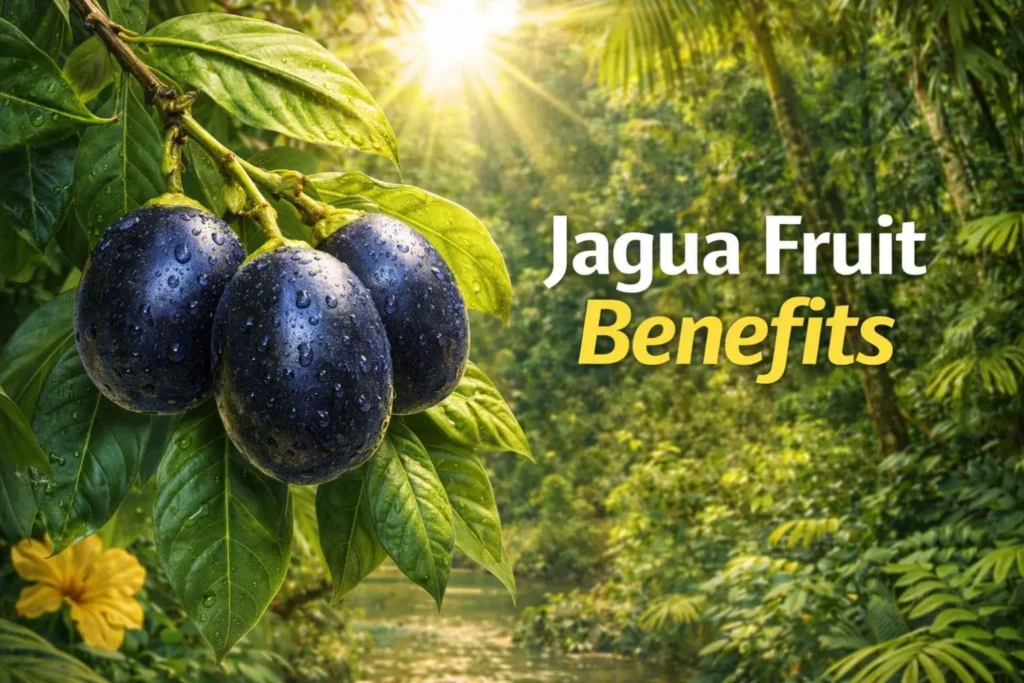
Jagua fruit benefits refer to the nutritional, medicinal, and traditional advantages of the tropical fruit from the Genipa americana tree. Native to the Caribbean and parts of Central and South America, jagua has been used historically for food, natural dyes, and traditional remedies. Understanding the health benefits, plant characteristics, and safe uses of jagua fruit helps explain why it remains culturally and nutritionally valuable today.
What Is Jagua Fruit and Where Does It Come From?
Jagua Fruit in English and Scientific Classification
Jagua fruit, commonly called genipap in English, is scientifically classified as Genipa americana, belonging to the Rubiaceae family. Regionally, it is also known as huito fruit, huito fruta, and in some areas, jagua Dominican fruit or jagua fruit Dominican Republic. These variations reflect local naming conventions across the Caribbean and Latin America, where the fruit is integrated into traditional diets and herbal practices.
Where Jagua Fruit Naturally Grows
The jagua tree thrives in tropical regions, including Puerto Rico, the Dominican Republic, and parts of Central and South America. The plant is adapted to humid, tropical ecosystems and contributes to local biodiversity. In these areas, the jagua tree and jagua plant are often cultivated for both their edible fruit and use in traditional dyeing practices.
Nutritional Profile of Jagua Fruit
Key Vitamins and Antioxidants in Jagua Fruit
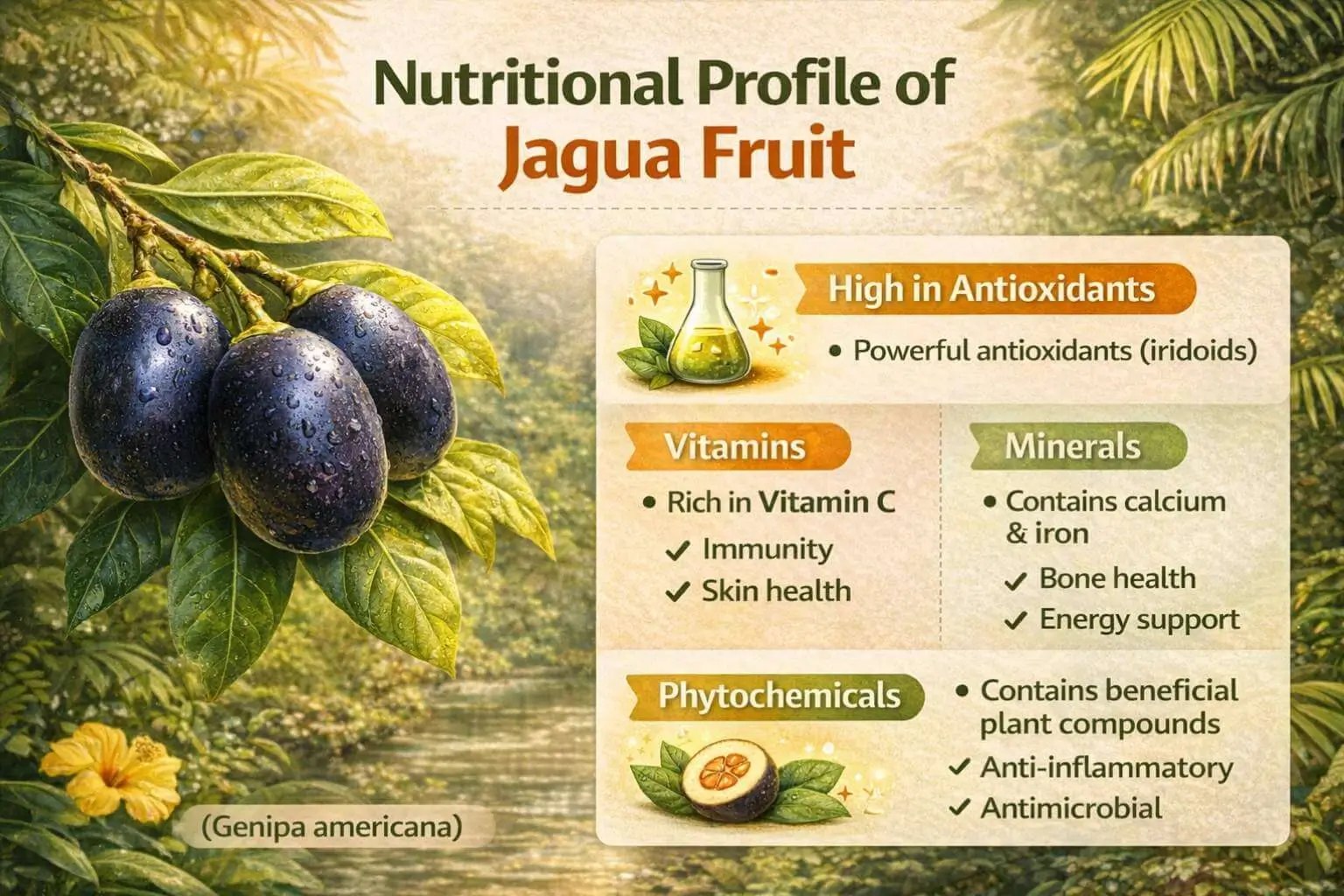
Jagua fruit is rich in antioxidants, vitamins, minerals, and phytochemicals that support overall health. It contains vitamin C, calcium, iron, and polyphenolic compounds that protect cells from oxidative stress. These nutrients contribute to immune support, cellular protection, and general fruit-based nutrition benefits. To compare jagua’s vitamin and antioxidant content against other tropical fruits in raw data form, the Tropical Fruit Comparison Database lays out nutrient and compound data side-by-side. It’s a handy reference for anyone building a broader tropical-fruit nutrition comparison.
Traditional Medicinal Uses of Jagua Fruit
Historically, jagua has been used in Caribbean and Amazonian herbal medicine. The fruit pulp and juice are incorporated into natural remedies to address digestive concerns, support wellness, and provide antioxidants. Traditional practices also use jagua for skin applications and ceremonial purposes, reflecting its cultural and medicinal significance. Beyond jagua, many Caribbean and Amazonian communities rely on a wider pharmacopeia of tropical fruits for similar wellness purposes. The Tropical Fruit Benefits & Uses Database organizes these traditional applications fruit-by-fruit, giving useful context for how jagua’s remedies compare to related regional practices.
Main Jagua Fruit Benefits for Health
-
Digestive and Gut Health Support
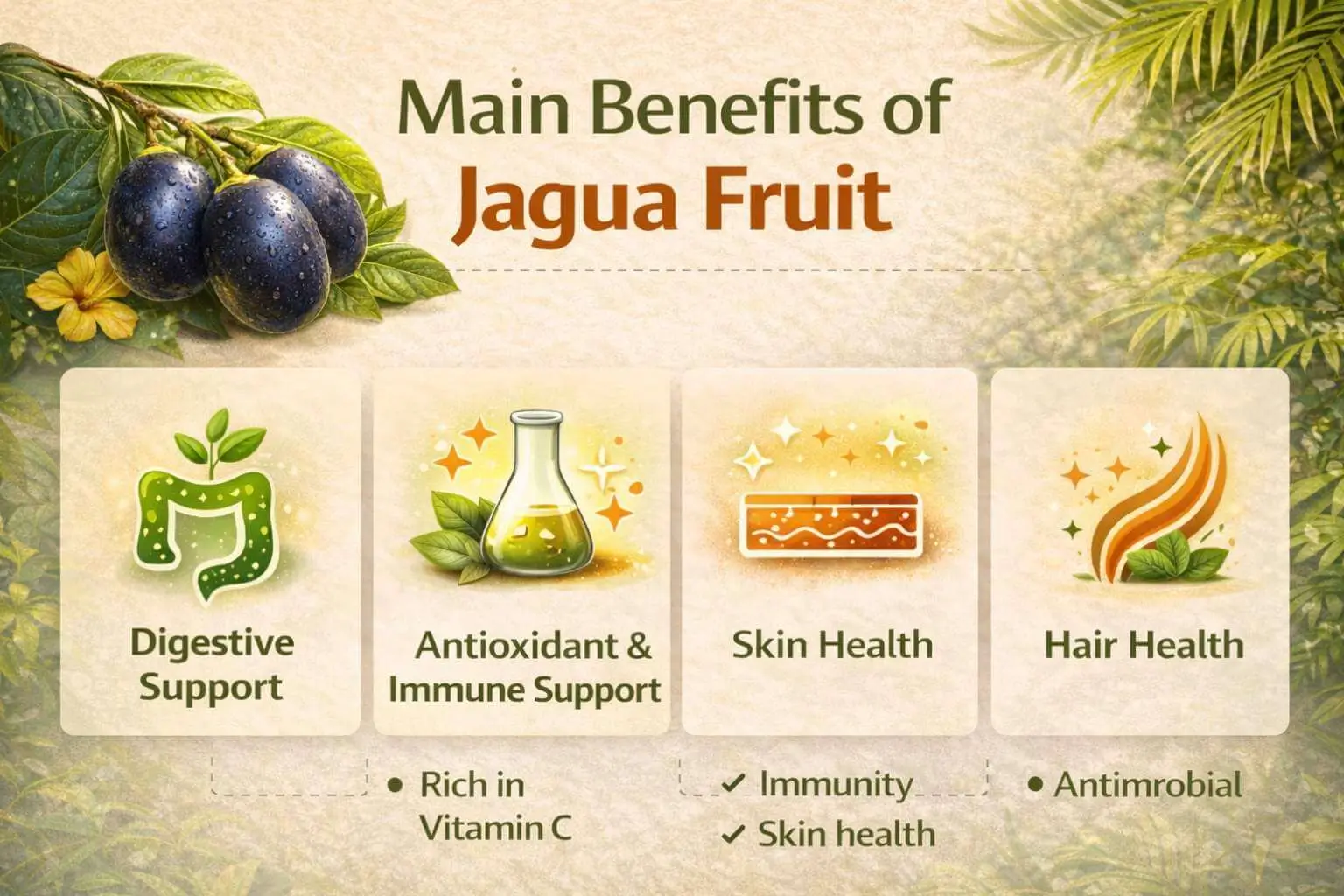
Jagua fruit contains dietary fiber and plant compounds that support digestion and promote gut health. Regular consumption can help maintain bowel regularity and support the balance of beneficial gut bacteria, contributing to overall digestive wellness.
-
Antioxidant and Immune Support
The antioxidants in jagua fruit help neutralize free radicals, reducing oxidative stress on cells. Vitamins and phytochemicals present in the fruit also strengthen immune responses, supporting the body’s defense against infections and environmental stressors.
-
Skin Health and Natural Detox Effects
Jagua fruit benefits skin through its antioxidant content and hydration properties. The fruit’s compounds may help protect skin cells from damage, improve skin texture, and support natural detoxification processes, making it a traditional ingredient in skincare practices.
-
Potential Hair Health Benefits
Nutrients in jagua fruit, including vitamins and minerals, can contribute to hair strength and scalp health. Regular dietary intake supports healthy hair growth and may improve hair resilience, particularly in nutrient-deficient diets.
Jagua Fruit Juice and Other Traditional Preparations
What Is Jagua Juice?
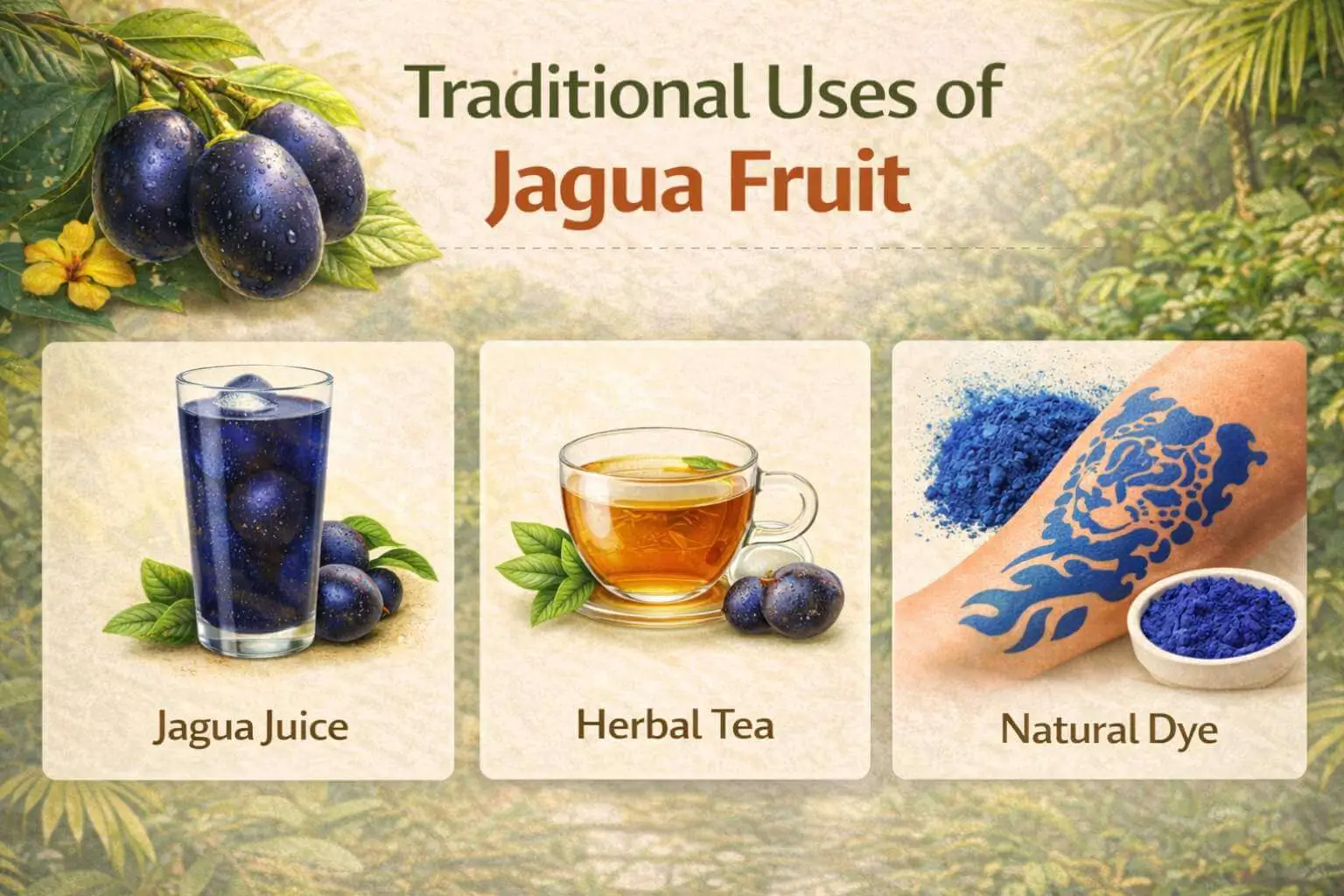
Jagua juice is prepared by processing the pulp of the fruit into a beverage. Traditionally, it is consumed as a refreshing tropical drink and may also be used in herbal preparations for its antioxidant and nutritional benefits. Jagua juice retains many of the vitamins and phytochemicals present in the fresh fruit.
Jagua Fruit Tea and Herbal Uses
Jagua fruit or parts of the plant can be used in herbal infusions, such as jagua fruit tea. These teas are valued for their mild flavor, antioxidant properties, and traditional use in promoting general wellness and hydration.
Jagua Fruit Benefits and Possible Side Effects
Potential Side Effects or Sensitivities
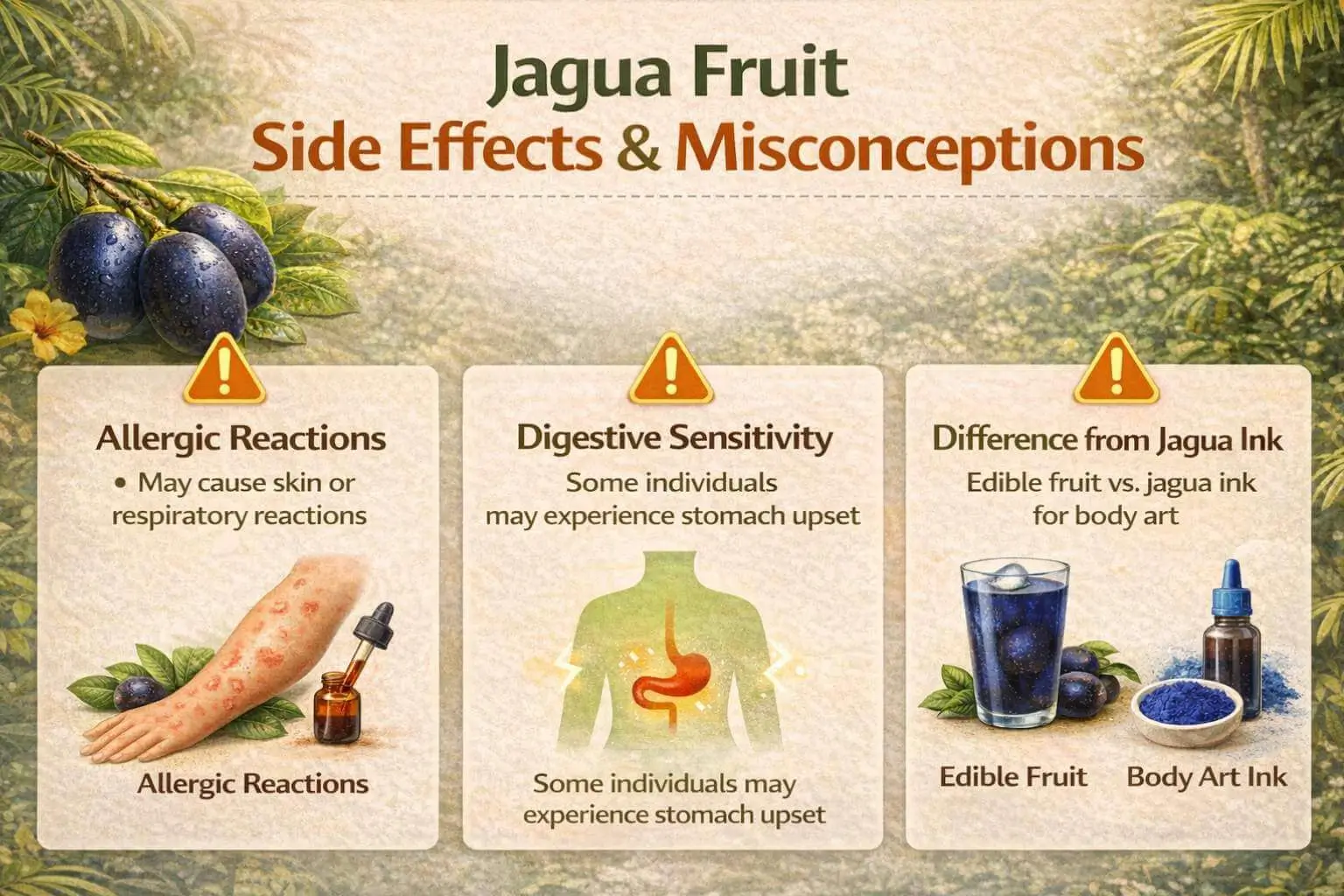
While jagua fruit is generally safe for consumption, some individuals may experience allergic reactions or digestive sensitivities. Overconsumption of the fruit or unfamiliar tropical products may lead to mild gastrointestinal discomfort.
When Jagua Fruit Should Be Consumed Carefully
People with known food allergies or digestive disorders should consult healthcare professionals before introducing jagua fruit into their diet. Pregnant or breastfeeding individuals should also seek guidance due to limited clinical studies on tropical fruit consumption in these populations.
Jagua Fruit vs Similar Tropical Fruits
Jagua Fruit vs Genipap Fruit
Jagua fruit and genipap fruit are the same tropical fruit from Genipa americana, differing only in regional naming conventions. Both provide identical nutritional and medicinal benefits.
Jagua Fruit vs Other Caribbean Tropical Fruits
Compared with other Caribbean fruits, jagua fruit is distinct in flavor, color, and traditional uses. Unlike mangoes or passionfruit, jagua is commonly used for both consumption and natural dyeing, setting it apart in culinary and cultural contexts. For readers who want a side-by-side, interactive look at how jagua stacks up against fruits like açaí, guava, and starfruit across origin, compounds, and safety flags, the Jagua & Tropical Fruit Reference Explorer is a useful companion tool. It lets you filter by region, food form, or safety attention level to see exactly where jagua fits among its tropical peers.
Environmental and Growing Conditions of the Jagua Tree
Climate and Soil Requirements for Jagua Trees
The jagua tree prefers tropical climates with high humidity, consistent rainfall, and well-draining soils. It thrives in fertile, slightly acidic to neutral soils and can tolerate partial shade but grows best in full sunlight.
Growth Characteristics of the Jagua Plant
Jagua trees are medium-sized, with broad leaves and green fruit that turns dark blue or black when mature. Fruits develop directly from the tree’s branches, and the plant’s structure supports both fruit production and traditional harvesting practices for dye extraction.
Common Misconceptions About Jagua Fruit
Jagua Fruit vs Jagua Ink and Natural Dye
Jagua pulp produces a natural blue pigment traditionally used for body art. This jagua ink is distinct from the fruit itself and should not be consumed. The dye is valued culturally but can cause reactions if improperly applied.
Difference Between Jagua and Henna
Unlike henna, which comes from Lawsonia inermis, jagua dye is derived from Genipa americana. Both create temporary body art, but the plants are botanically unrelated and differ in chemical composition.
Common Problems or Misunderstandings When Using Jagua Products
Skin Reactions from Improper Jagua Dye Use
Reactions may occur from allergens or contaminated dye products. Using pure, properly prepared jagua pulp reduces the risk of irritation.
Confusing Food Uses With Cosmetic Uses
Edible jagua fruit should not be confused with jagua dye products. Consumption is safe, but topical dyes are formulated differently and are not for ingestion.
Conclusion
Jagua fruit benefits include nutritional value, antioxidant properties, and traditional uses in Caribbean and tropical cultures. Derived from the Genipa americana tree, the fruit has been valued both as food and as a natural dye source. Understanding its health benefits, preparation methods, and botanical background helps people appreciate the unique role jagua fruit plays in tropical ecosystems and traditional wellness practices.
Learn more: aguaje fruit benefits
FAQs
What is jagua fruit used for?
Jagua fruit is used for traditional beverages, herbal remedies, and as a natural dye derived from its pulp.
Is jagua fruit the same as genipap?
Yes. Jagua fruit and genipap are two common names for the same tropical fruit from the Genipa americana tree.
What does jagua fruit taste like?
Jagua fruit has a sweet, slightly tart flavor and is often used in juices or traditional Caribbean drinks.
Is jagua fruit good for the skin?
Jagua fruit contains antioxidants that may support skin health and protect against environmental damage.
Where does jagua fruit grow naturally?
The fruit grows in tropical regions such as the Caribbean, Central America, South America, and parts of the Amazon rainforest.



One Response