

Introduction
Aguaje fruit benefits are widely recognized due to its nutrient-dense profile and traditional uses. Scientifically known as Mauritia flexuosa, aguaje is a tropical fruit native to the Amazon rainforest. Indigenous communities have used it for centuries as part of their diet. The fruit is rich in vitamins, antioxidants, and plant compounds that support skin health, hormonal balance, and overall wellness. Exploring aguaje fruit benefits requires understanding its nutritional value, traditional applications, and possible side effects, making it a valuable addition to both culinary and health contexts.
What Is Aguaje Fruit and Where Does It Come From
Botanical origin and the aguaje tree
Aguaje fruit grows on the tall palm species Mauritia flexuosa, native to the Amazon basin. These palms thrive in wetland areas and floodplains, producing clusters of reddish-orange fruits high in nutrients. The trees provide ecological support, offering habitat and food for many Amazonian species.
Aguaje fruit in English and common names
Internationally, aguaje is sometimes called “moriche palm fruit” or simply “aguaje palm.” Outside South America, it is less known but increasingly available in powdered or supplement form. Understanding these terms helps readers recognize aguaje in global contexts.
Nutritional Composition Behind Aguaje Fruit Benefits
Aguaje’s nutritional strength lies in its dense combination of vitamins, antioxidants, and healthy fats packed into a small fruit. For readers who prefer raw figures, this aguaje nutrient composition spreadsheet lays out values in an easy-to-scan table format.
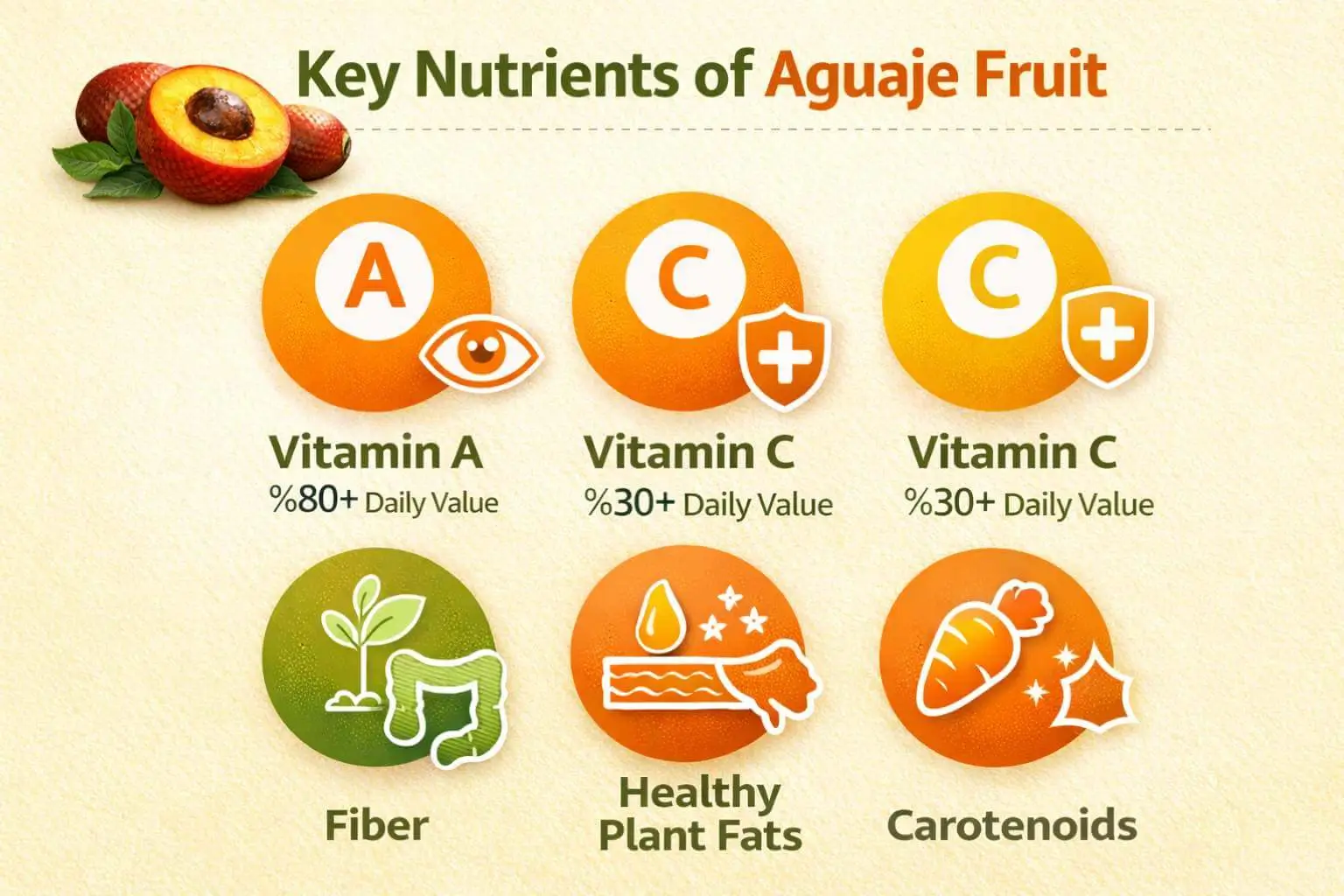
Key vitamins and nutrients found in aguaje
Aguaje is rich in vitamin A, vitamin C, fiber, and essential fatty acids. Vitamin A supports vision and skin health, while vitamin C contributes to immune function. Fiber aids digestion, and healthy plant fats assist in nutrient absorption, making aguaje a highly nutrient-dense fruit. Aguaje is rich in vitamin A, vitamin C, fiber, and essential fatty acids, and readers who want to cross-check exact values by batch or region can use this interactive aguaje tropical fruit lookup tool to search nutrient data on demand. Vitamin A supports vision and skin health, while vitamin C contributes to immune function.
Antioxidants and plant compounds
Aguaje contains carotenoids, polyphenols, and other antioxidants. These compounds neutralize free radicals, reduce oxidative stress, and support cellular health, contributing to the fruit’s reputation for enhancing overall wellness. Aguaje contains carotenoids, polyphenols, and other antioxidants that neutralize free radicals and reduce oxidative stress. For a broader comparison of how these compounds stack up across similar species, this Amazonian tropical superfruits nutrient benefits reference breaks down antioxidant profiles side by side.
Major Aguaje Fruit Benefits for Overall Health
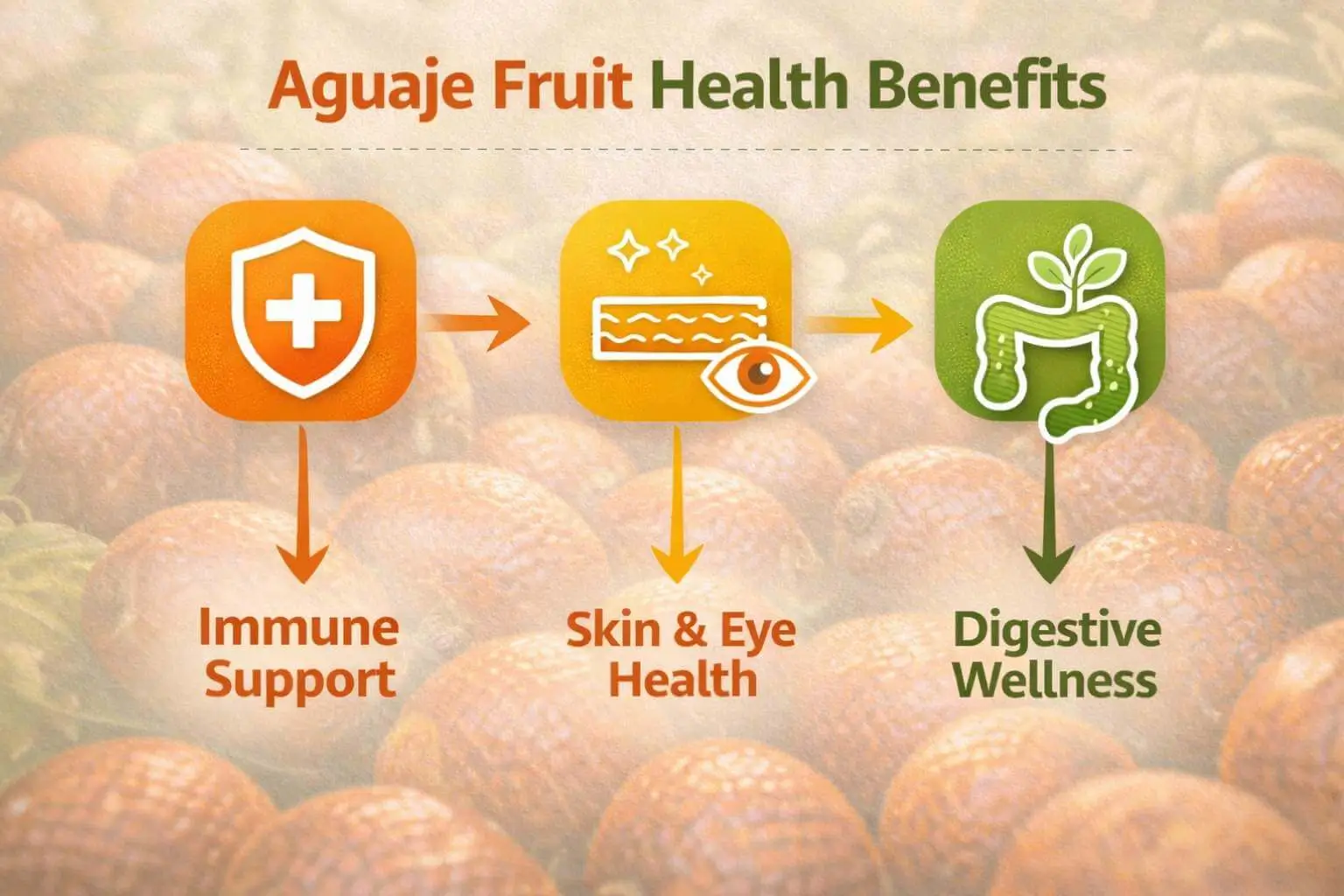
-
Immune system and antioxidant support
Aguaje supports immune function due to its high levels of vitamin C and antioxidant carotenoids. These nutrients help protect cells from oxidative damage, aiding the body’s natural defense mechanisms.
-
Skin and eye health support
Carotenoids and vitamin A in aguaje promote healthy skin and vision. Regular consumption may contribute to skin elasticity and reduce the risk of vitamin A deficiency, supporting overall dermal and ocular health.
-
Digestive and nutritional support
The fiber in aguaje aids digestive balance, promoting regularity and supporting gut health. Combined with plant compounds, the fruit contributes to nutrient absorption and overall digestive wellness.
Aguaje Fruit Benefits for Women
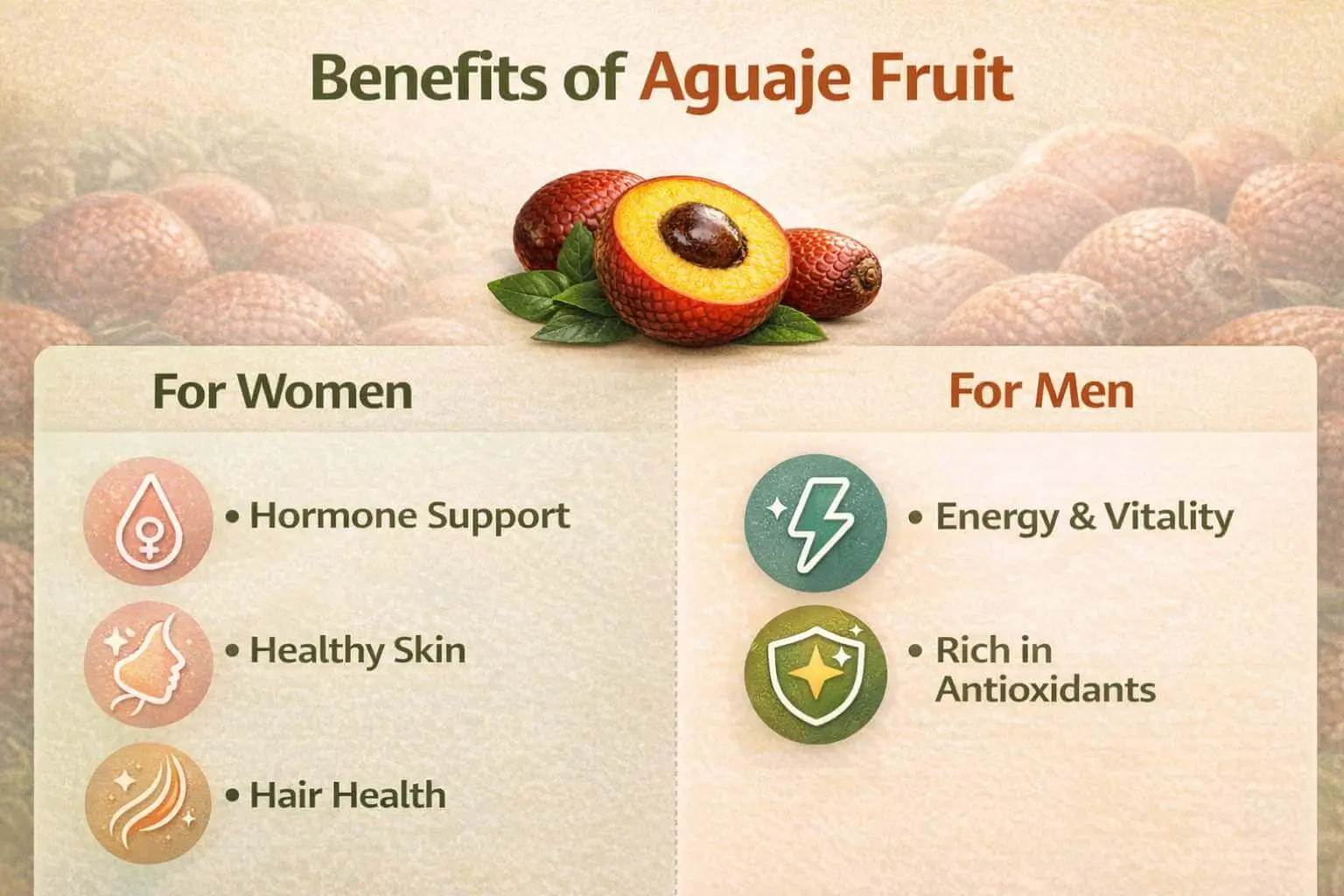
Hormone-related nutritional support
Aguaje contains phytoestrogens and plant nutrients that may influence hormone balance. While not a substitute for medical treatment, these compounds can support nutritional needs related to hormonal health.
Skin, hair, and overall wellness
Vitamins, antioxidants, and healthy fats in aguaje support skin elasticity, hair strength, and general wellness. Nutrient-dense consumption may enhance overall appearance and well-being when included in a balanced diet.
Aguaje Fruit Benefits for Men
Nutritional energy and vitality
Aguaje provides essential vitamins and healthy fats that contribute to energy metabolism and overall vitality. Nutrient support can help maintain physical energy and metabolic efficiency.
Antioxidant support for overall health
Antioxidants in aguaje protect cells from oxidative stress, supporting long-term cellular health. This contributes to general wellness and may reduce age-related oxidative damage.
Forms of Aguaje and How It Is Commonly Used
-
Aguaje fruit powder and extract
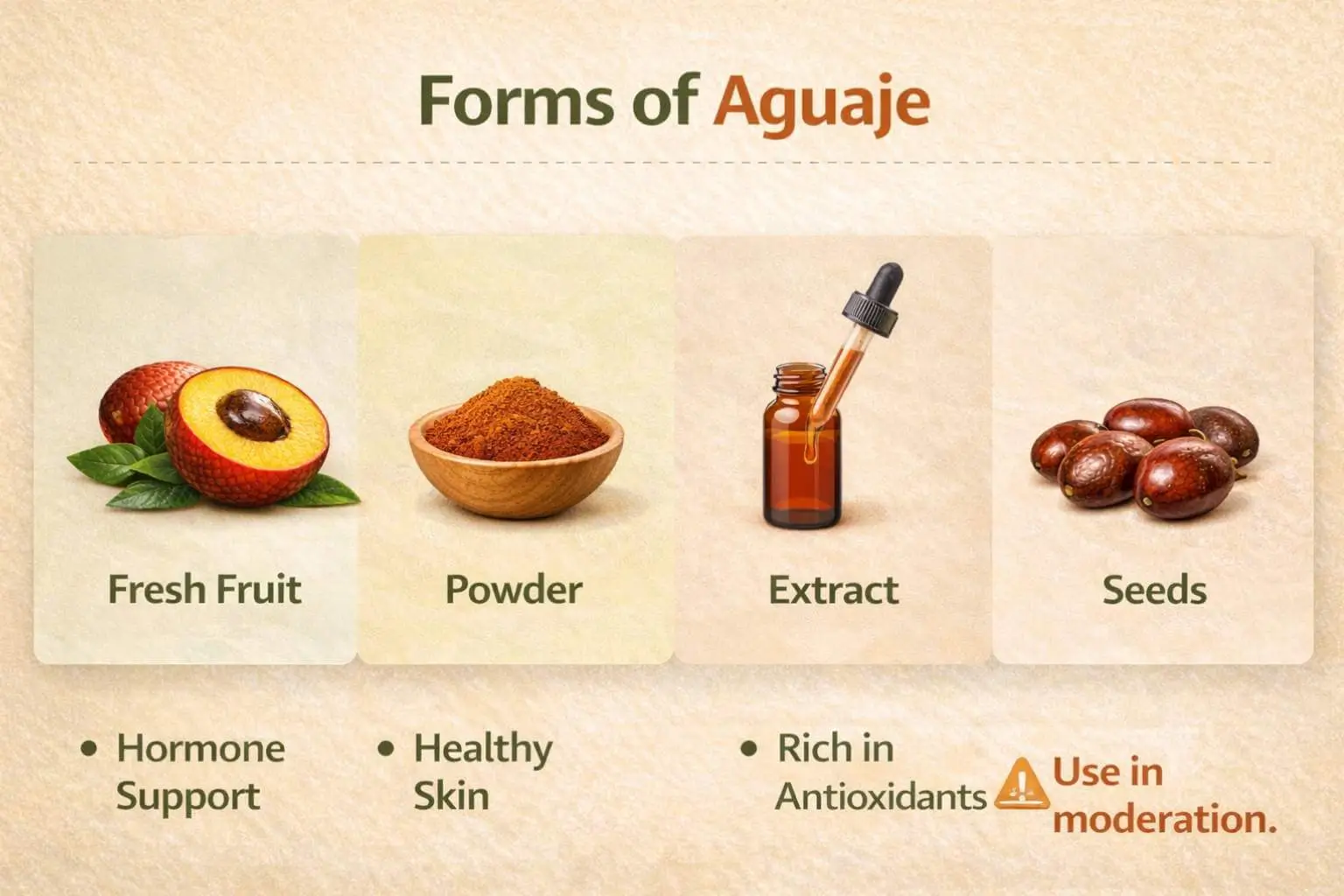
Aguaje is often processed into powder or liquid extract to preserve nutrients and allow convenient supplementation. These forms concentrate the fruit’s vitamins and antioxidants for dietary use.
-
Aguaje powder uses in foods and supplements
Powdered aguaje is added to smoothies, juices, and dietary supplements. It enhances nutritional content and can be incorporated into meals for easy consumption.
-
Aguaje seeds and traditional uses
Aguaje seeds are traditionally used in Amazonian communities for food, oil extraction, and cultural practices. These seeds contain oils rich in nutrients and have been part of local diets for generations.
Potential Aguaje Fruit Side Effects and Safety Considerations
Possible side effects of aguaje
Excessive consumption of aguaje may cause mild digestive discomfort or allergic reactions in sensitive individuals. Overconsumption should be avoided, particularly for those new to the fruit.
Who should use caution with aguaje
Pregnant or breastfeeding women, individuals with digestive disorders, or those with allergies should consult a healthcare professional before regular consumption. Moderation ensures benefits without adverse effects.
Common Misconceptions About Aguaje Fruit
Does aguaje work for body shape changes
Aguaje alone does not cause significant body shape changes or weight loss. Nutritional support may complement a healthy lifestyle but cannot replace exercise or dietary control.
Understanding exaggerated online claims
Marketing sometimes exaggerates aguaje’s effects on beauty or hormonal health. Evidence supports nutrient benefits, but claims about dramatic physical transformation are unfounded.
Environmental and Cultural Importance of the Aguaje Tree
Role in Amazon ecosystems
Aguaje palms support Amazonian wildlife, providing fruits for animals and contributing to biodiversity. The trees play a key role in wetland ecosystems and soil stability.
Cultural and traditional uses in South America
Indigenous communities have used aguaje for centuries in diets, medicine, and rituals. Its cultural significance reflects sustainable harvesting practices and local traditions tied to the Amazon rainforest.
Conclusion
Aguaje fruit benefits come from its rich vitamins, antioxidants, and traditional use in the Amazon. From supporting skin, vision, and immune health to providing fiber and healthy fats, the fruit offers several wellness advantages. Understanding its nutritional profile and potential side effects allows informed consumption while appreciating the ecological and cultural importance of the aguaje tree.
Learn more: purple heart plant indoor benefits
Frequently Asked Questions
What is aguaje fruit and why is it considered healthy
Aguaje fruit is the nutrient-rich fruit of Mauritia flexuosa, native to the Amazon. Its high vitamin, antioxidant, and fiber content supports overall health, making it valuable in both traditional and modern diets.
What nutrients make aguaje fruit beneficial
Key nutrients include vitamin A, vitamin C, fiber, healthy fats, and carotenoids. These compounds support immunity, skin, eye health, and digestive function.
Are there any side effects of consuming aguaje fruit
Potential side effects include mild digestive discomfort or allergic reactions if consumed excessively. Moderation is recommended for sensitive individuals.
How is aguaje fruit commonly consumed
Aguaje is consumed fresh, as powdered supplements, or as liquid extracts. Powder is often added to smoothies, juices, or recipes to boost nutritional intake.
What makes aguaje different from other tropical fruits
Aguaje is uniquely nutrient-dense with high carotenoid levels and traditional Amazonian use. Its ecological and cultural importance sets it apart from many other tropical fruits.



2 Responses