
Introduction
Canistel fruit benefits refer to the nutritional and health advantages of eating canistel, also called egg fruit, a tropical fruit recognized for its sweet flavor, dense texture, and rich vitamin content. Native to Central America and cultivated widely in tropical climates, canistel provides important nutrients that support digestion, skin health, and immune function. The fruit contains vitamins, antioxidants, fiber, and beneficial plant compounds that contribute to overall wellness. Understanding the nutritional profile, health benefits, and possible side effects of canistel fruit helps people include this tropical food safely in a balanced diet while maximizing its potential nutritional value.
What Is Canistel Fruit? Botanical Background and Basic Characteristics
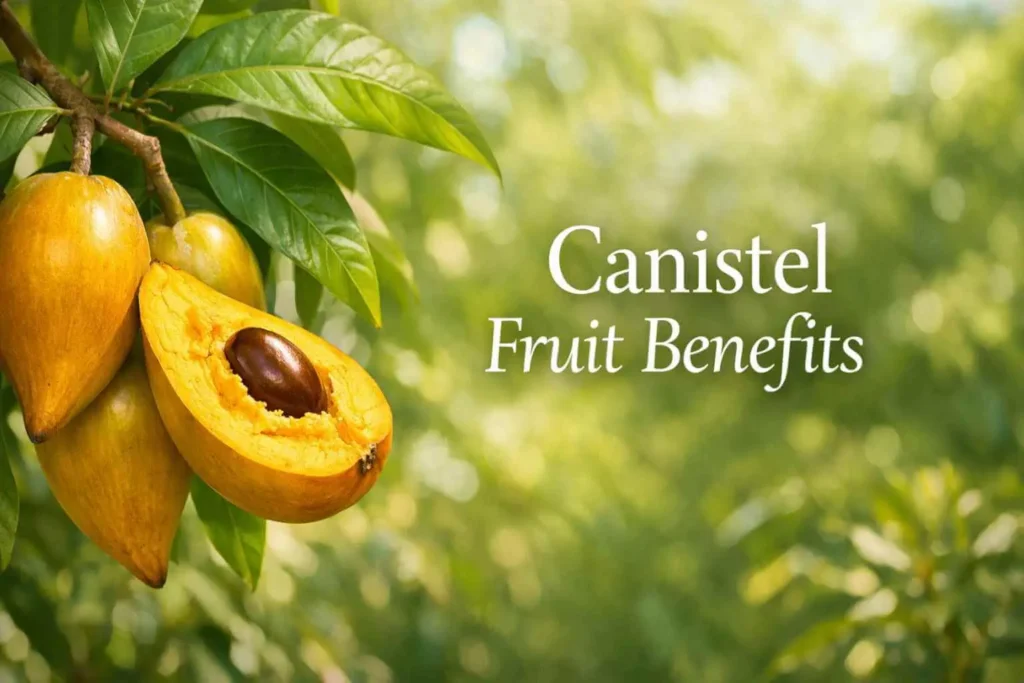
Canistel fruit is a tropical fruit produced by the plant species Pouteria campechiana, a member of the Sapotaceae family. It is commonly called egg fruit because of its bright yellow color and dense texture that resembles cooked egg yolk.
The fruit typically has a smooth yellow skin and soft, dry flesh when fully ripe. Its taste is mildly sweet and often compared to pumpkin, sweet potato, or custard. The canistel fruit tree grows in warm tropical regions and produces oval or round fruits containing several large seeds.
The canistel egg fruit develops on evergreen trees that can reach heights of 8–15 meters. These trees thrive in warm climates and are commonly cultivated in tropical regions such as Central America, Southeast Asia, and parts of the Caribbean.
Origin and Natural Habitat of the Canistel Plant
The canistel plant is native to southern Mexico, Belize, Guatemala, and other parts of Central America. It later spread to tropical regions around the world including the Philippines, Thailand, Vietnam, and parts of Florida.
The eggfruit plant grows best in tropical and subtropical climates with warm temperatures, abundant sunlight, and well-drained soil. The tree develops a dense canopy and produces fruit seasonally depending on local climate conditions.
Why Canistel Is Called Egg Fruit
Canistel is commonly called egg fruit because the ripe fruit has a yellow interior and thick texture similar to egg yolk. When fully mature, the flesh becomes soft, slightly crumbly, and rich.
This unusual texture differentiates eggfruit from many tropical fruits that are typically juicy or fibrous. Instead, canistel has a dry yet creamy consistency that makes it suitable for desserts, smoothies, and milk-based recipes.
Nutritional Profile of Canistel Fruit
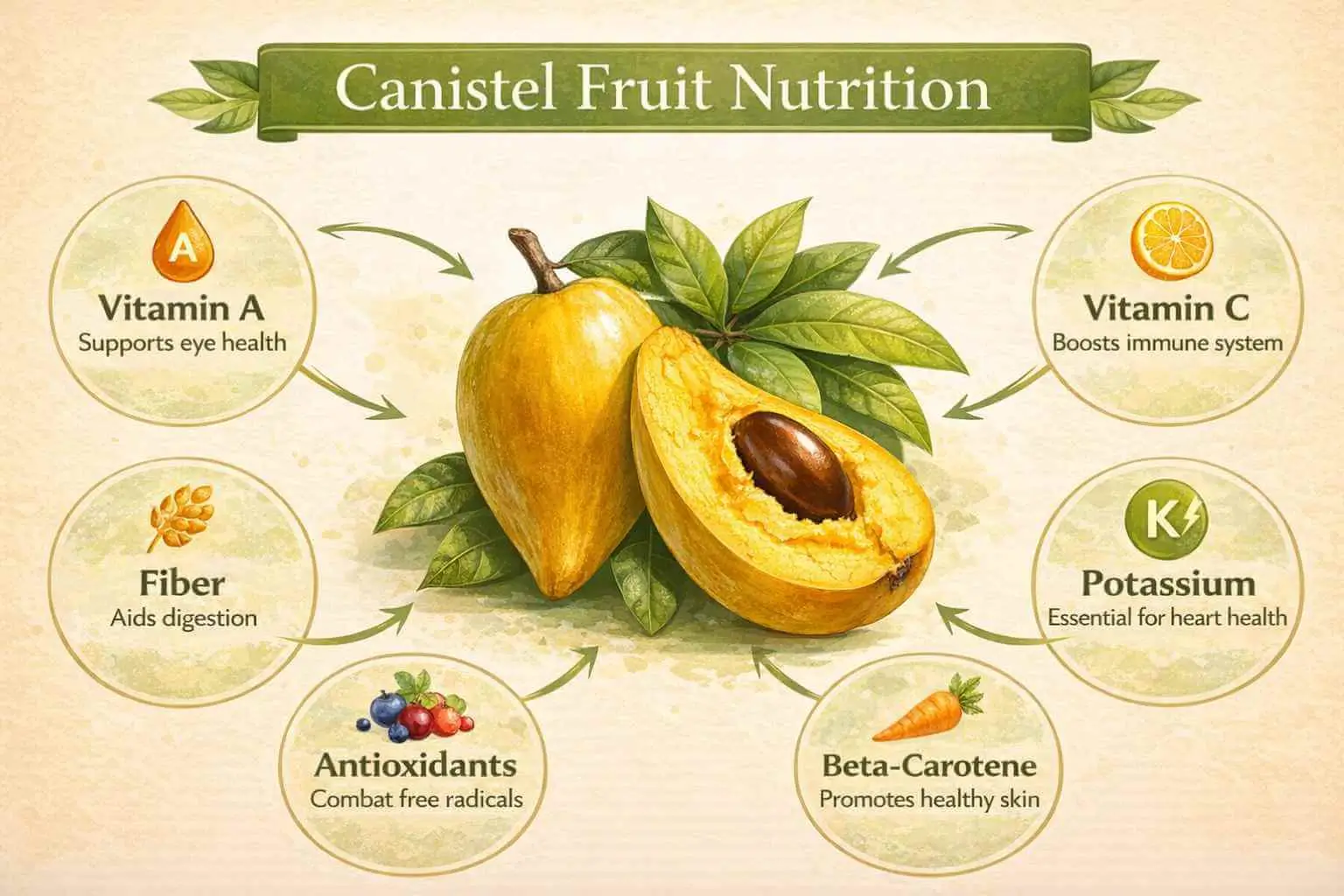
Eggfruit nutrition is notable for its concentration of vitamins, minerals, and plant compounds. The fruit contains moderate carbohydrates, dietary fiber, and beneficial antioxidants.
Canistel also contains vitamin A precursors, vitamin C, B vitamins, potassium, and small amounts of protein. Compared with many fruits, canistel has a dense nutritional structure due to its thick flesh and lower water content.
Because of this composition, canistel provides sustained energy while delivering micronutrients essential for healthy body functions.
Key Vitamins and Minerals Found in Egg Fruit
Canistel contains several important nutrients including:
- Vitamin A (beta-carotene) for eye and skin health
- Vitamin C for immune system support
- B-complex vitamins that support metabolism and energy production
- Dietary fiber that aids digestion
- Potassium which contributes to normal blood pressure regulation
The fruit also contains plant antioxidants that help protect cells from oxidative stress.
Why the Nutritional Composition Makes Canistel Unique
Canistel stands out among tropical fruits because of its high carotenoid concentration, which gives the fruit its bright yellow color.
Carotenoids function as antioxidants and precursors to vitamin A. In addition, the fruit’s dense flesh provides a concentrated source of nutrients compared with high-water fruits such as watermelon or papaya.
Major Canistel Fruit Benefits for Overall Health

Canistel fruit benefits come primarily from its vitamin content, fiber, and antioxidant compounds that support several bodily functions.
Regular consumption of nutrient-rich fruits like egg fruit may help support digestion, immune function, and daily energy levels as part of a balanced diet.
Digestive Health and Fiber Support
The fiber found in egg fruit contributes to healthy digestion by supporting normal bowel movement patterns and promoting beneficial gut bacteria.
Adequate fiber intake can help regulate digestion and prevent constipation. However, because canistel is dense, consuming moderate portions is recommended.
Immune System Support
Vitamins and antioxidants present in canistel may help support immune health. Vitamin C plays a role in immune cell function and helps protect tissues from oxidative damage.
Beta-carotene and other antioxidants also contribute to maintaining the body’s natural defense mechanisms.
Canistel Fruit Benefits for Skin Health
Canistel fruit benefits for skin health are mainly linked to its vitamin A precursors and antioxidant compounds.
These nutrients contribute to skin cell renewal, protection against oxidative stress, and support for healthy tissue repair.
Antioxidants and Skin Protection
Antioxidants found in canistel help neutralize harmful free radicals that may damage skin cells.
By reducing oxidative stress, antioxidant-rich foods may support healthier skin and protect against environmental factors that accelerate skin aging.
Nutrients That Promote Skin Glow
Beta-carotene in egg fruit converts to vitamin A in the body, which plays a role in maintaining healthy skin and mucous membranes.
These nutrients contribute to normal skin regeneration and may help maintain a brighter, healthier skin appearance.
Canistel Fruit Benefits for Blood Sugar and Metabolic Health
Canistel fruit benefits for metabolic health are linked to its fiber content and natural nutrient profile.
Although the fruit contains natural sugars, its fiber can help slow digestion and reduce rapid spikes in blood glucose levels when eaten in moderation.
How Fiber May Support Blood Sugar Stability
Dietary fiber slows the absorption of carbohydrates in the digestive system.
This slower digestion process may contribute to more stable blood glucose responses compared with highly refined carbohydrates.
When People With Diabetes Should Eat Canistel Carefully
People managing diabetes should consume canistel in moderate portions because the fruit still contains natural sugars.
Monitoring serving sizes and combining fruit with balanced meals may help maintain stable glucose levels.
How to Eat Canistel Fruit

Understanding how to eat canistel is important because the fruit must be fully ripe to develop its characteristic flavor and texture.
Unripe canistel is firm and chalky, while ripe fruit becomes soft and aromatic.
How to Tell When Canistel Fruit Is Ripe
A ripe canistel fruit typically turns deep yellow to orange and becomes slightly soft when pressed gently.
The fruit should not feel extremely hard. When ripe, the flesh becomes smooth and sweet.
Simple Ways to Prepare Egg Fruit
Egg fruit can be enjoyed in several ways:
- Eating the ripe flesh fresh
- Blending the fruit into smoothies
- Mixing the pulp with milk or yogurt
- Adding it to desserts or baked goods
Because of its thick texture, the fruit blends well with creamy recipes.
Possible Canistel Fruit Side Effects and Safety Considerations
Canistel fruit is generally safe to eat, but excessive consumption may cause digestive discomfort due to its dense fiber content.
Eating large quantities may feel heavy in the stomach for some individuals.
Digestive Discomfort From Overconsumption
Because egg fruit contains fiber and dense starch-like compounds, eating too much may lead to bloating or digestive heaviness.
Moderate portions help avoid these issues.
Allergies or Individual Sensitivities
Allergic reactions to canistel are rare but possible.
Individuals trying the fruit for the first time may benefit from starting with small portions to monitor for sensitivity.
Common Mistakes When Eating or Using Canistel Fruit
Some common mistakes can affect the flavor and enjoyment of canistel fruit.
Learning proper ripening and storage techniques helps maintain the fruit’s quality.
Eating Unripe Canistel
Unripe canistel has a chalky texture and unpleasant taste.
Allowing the fruit to ripen fully improves sweetness and softness.
Improper Storage and Ripening
Canistel should be stored at room temperature until ripe.
Once softened, the fruit can be refrigerated briefly to slow further ripening.
Canistel Fruit Compared With Other Tropical Fruits
Canistel fruit differs from many tropical fruits in texture, flavor, and nutrient density.
While fruits like mango or papaya are juicy, canistel has a dry, custard-like consistency.
Canistel vs Other Tropical Fruits
Compared with common tropical fruits, canistel:
- Has a thicker, egg-yolk-like texture
- Contains higher carotenoid content
- Works well in creamy or dessert-style preparations
This distinctive structure makes egg fruit unique among tropical produce.
Environmental Conditions Required for Canistel Trees

The canistel fruit tree grows best in warm climates with abundant sunlight and well-drained soil.
These conditions support healthy growth and fruit production.
Ideal Climate for Growing Canistel Trees
Canistel trees prefer tropical or subtropical climates with temperatures generally above 20°C (68°F).
They thrive in areas with consistent warmth and minimal frost exposure.
Growth Habit of the Canistel Tree
The eggfruit tree is an evergreen species that may grow 8–15 meters tall depending on conditions.
It produces oval fruits that mature several months after flowering.
Conclusion
Canistel fruit benefits come from its rich nutritional composition, including vitamins, antioxidants, and fiber that support digestion, skin health, and overall wellness. Also known as egg fruit, this tropical fruit provides several potential health advantages when eaten in moderation. Its dense texture, carotenoid content, and vitamin profile make it a nutritionally valuable addition to tropical fruit diets. Understanding how to eat canistel properly, recognizing possible side effects, and learning about its nutritional value allows people to enjoy this unique fruit safely while gaining its natural health benefits.
Learn more: Best Heliconia for Screening: Top Tall Varieties for Privacy
Frequently Asked Questions (FAQs)
What does canistel fruit taste like?
Canistel fruit has a sweet flavor with a dense texture often compared to cooked egg yolk or sweet pumpkin.
Is egg fruit healthy to eat regularly?
Egg fruit contains vitamins, antioxidants, and fiber that support overall health when eaten in moderate amounts.
Can people with diabetes eat canistel fruit?
People with diabetes may eat canistel fruit in controlled portions because the fruit contains natural sugars.
Are there any side effects of canistel fruit?
Possible side effects include digestive discomfort when eaten in large amounts due to its dense texture and fiber content.
How do you know when canistel fruit is ready to eat?
A ripe canistel fruit turns deep yellow or orange and becomes slightly soft to the touch.
Is canistel the same as egg fruit?
Yes, canistel fruit is commonly known as egg fruit due to its egg-yolk-like texture and bright yellow color.



One Response