

Introduction
Safou fruit benefits are increasingly gaining attention as more people discover the nutritional and health potential of this traditional African fruit. Safou, scientifically known as Dacryodes edulis, is commonly called African pear, African butter pear, or bush pear. Native to Central and West Africa, this purple-skinned fruit is valued for its rich oils, creamy texture, and dense nutrient profile. The fruit is often roasted, boiled, or softened before eating and is widely appreciated for its energy-rich fats, vitamins, and plant compounds. Understanding the nutritional composition, health benefits, possible side effects, and traditional uses of safou fruit helps explain why it has become an important food in many African diets.
What Is Safou Fruit? (African Pear Explained)
Safou Fruit in English and Scientific Classification
Safou fruit refers to the edible fruit of Dacryodes edulis, a tropical tree species native to parts of Africa. In English, it is widely known as African pear, bush pear, or African butter pear because of its smooth, creamy texture and oil-rich pulp.
Botanically, the African pear tree belongs to the Burseraceae plant family, which includes several resin-producing tropical tree species. The fruit typically has a deep purple or dark blue skin and a soft pulp that surrounds a single seed.
Safou fruit is also known by several regional names. In Nigeria it may be called Nigerian black pear, while in other regions it is referred to as atanga or ube. These different names reflect the fruit’s cultural and geographic diversity across Central and West Africa.
Origin and Cultural Importance of Safou in African Diets
Safou fruit grows primarily in Central and West African countries, including Nigeria, Cameroon, Gabon, and the Democratic Republic of Congo. The African pear tree thrives in tropical climates with warm temperatures and seasonal rainfall.
In many communities, safou is considered a seasonal staple food. It is often eaten alongside roasted corn, cassava, or cooked grains. During harvest season, safou fruits are commonly sold in local markets and are enjoyed as a nutritious accompaniment to daily meals.
Beyond nutrition, safou also holds cultural significance. Families and local farmers often cultivate African pear trees in home gardens, where they provide both food and shade.
Safou Fruit Nutrition Profile
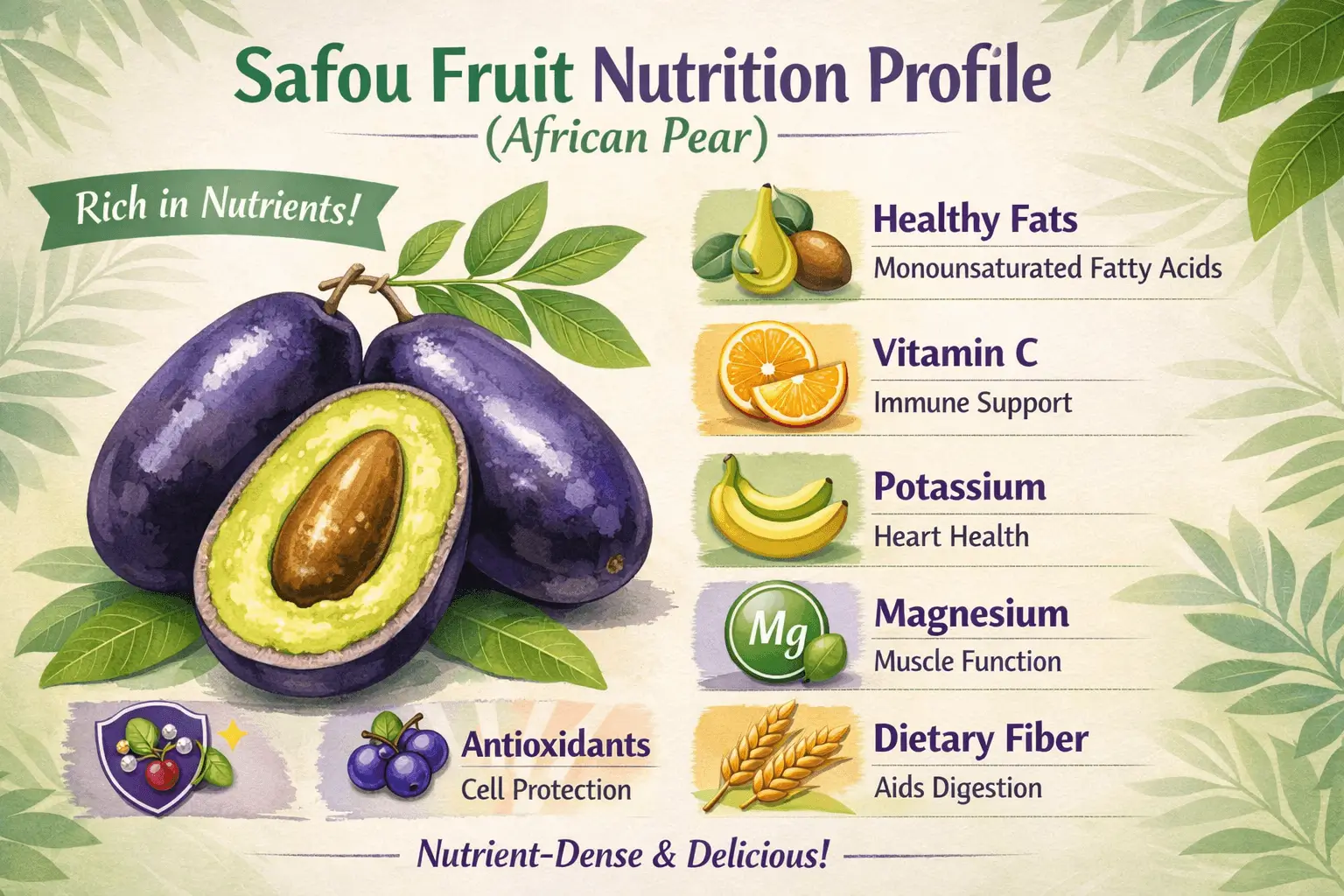
Safou fruit nutrition is notable for its high oil content and dense nutrient composition. The fruit contains beneficial plant fats, dietary fiber, vitamins, and minerals that contribute to overall health.
Unlike many fruits that are primarily carbohydrate-based, safou contains significant amounts of healthy fatty acids, which provide energy and help support nutrient absorption.
Because of its creamy texture and oil-rich pulp, safou is often compared to avocado. Both fruits contain plant-based fats that contribute to satiety and provide long-lasting energy.
Key nutrients found in African butter pear fruit include vitamins, antioxidants, and essential minerals that support multiple biological functions.
Key Nutrients Found in Safou Fruit
Safou fruit contains a variety of nutrients that contribute to its nutritional value:
- Healthy fatty acids that provide energy and support cell function
- Vitamin C and plant antioxidants that help protect cells
- Potassium and magnesium, which support muscle and nerve function
- Dietary fiber, which helps regulate digestion and gut health
These nutrients make safou fruit a nutrient-dense food within traditional diets.
Safou Fruit Benefits for Overall Health
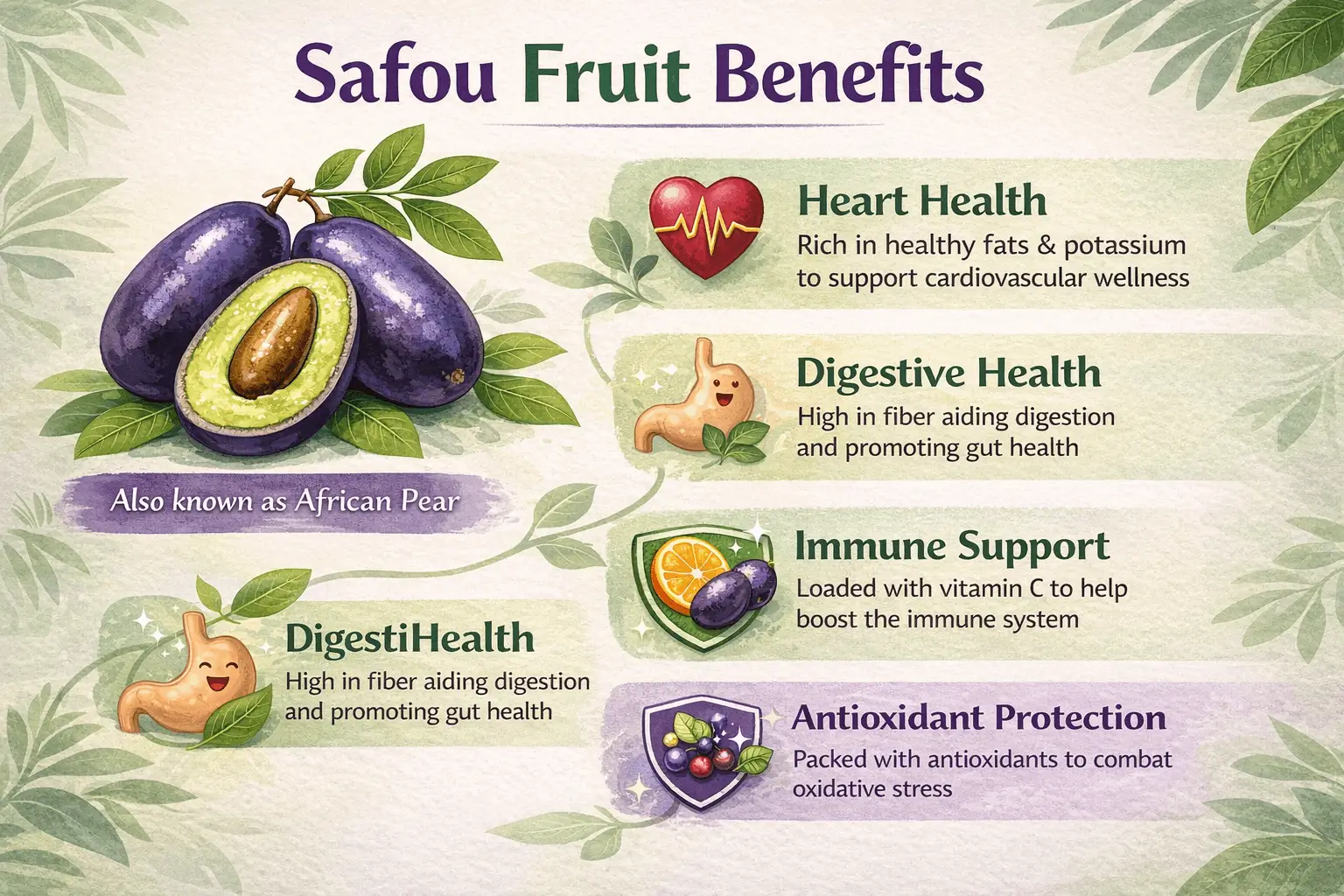
Safou fruit benefits are largely linked to its unique combination of fats, fiber, vitamins, and plant compounds. These nutrients support multiple body systems and provide long-lasting dietary energy.
Regular consumption of nutrient-dense fruits like safou can contribute to improved nutritional balance, especially in regions where plant-based foods are central to daily diets.
The health benefits of African pear are often associated with cardiovascular support, digestive health, and antioxidant protection.
-
Heart Health and Healthy Fat Content
Safou fruit contains monounsaturated fatty acids, which are commonly associated with cardiovascular health. These fats may help maintain healthy cholesterol levels and support normal heart function.
Healthy fats also help the body absorb fat-soluble vitamins and provide a steady source of energy.
-
Digestive Health and Dietary Fiber
Dietary fiber in safou fruit plays an important role in supporting digestive function. Fiber contributes to smoother digestion and helps maintain regular bowel movements.
Plant fiber also helps nourish beneficial gut bacteria, which support overall digestive balance.
-
Antioxidant and Immune Support
Safou fruit contains natural antioxidants and vitamin compounds that help protect the body’s cells from oxidative stress.
Antioxidants contribute to immune support by helping the body defend against environmental stressors and cellular damage.
Safou Fruit Benefits for Skin
Safou fruit benefits for skin are mainly related to its healthy oils and antioxidant compounds.
The fruit’s fatty acids help support skin hydration, while antioxidant nutrients may help protect the skin from environmental damage.
Nutrients That Support Skin Hydration
Safou contains natural oils that help support the skin’s protective barrier function. These oils may contribute to improved moisture retention and overall skin softness.
Antioxidants and Skin Protection
Antioxidants present in safou fruit help protect skin cells from oxidative stress caused by environmental factors such as sunlight and pollution.
This protective effect may support healthier-looking skin over time.
Safou Fruit Benefits for Hair
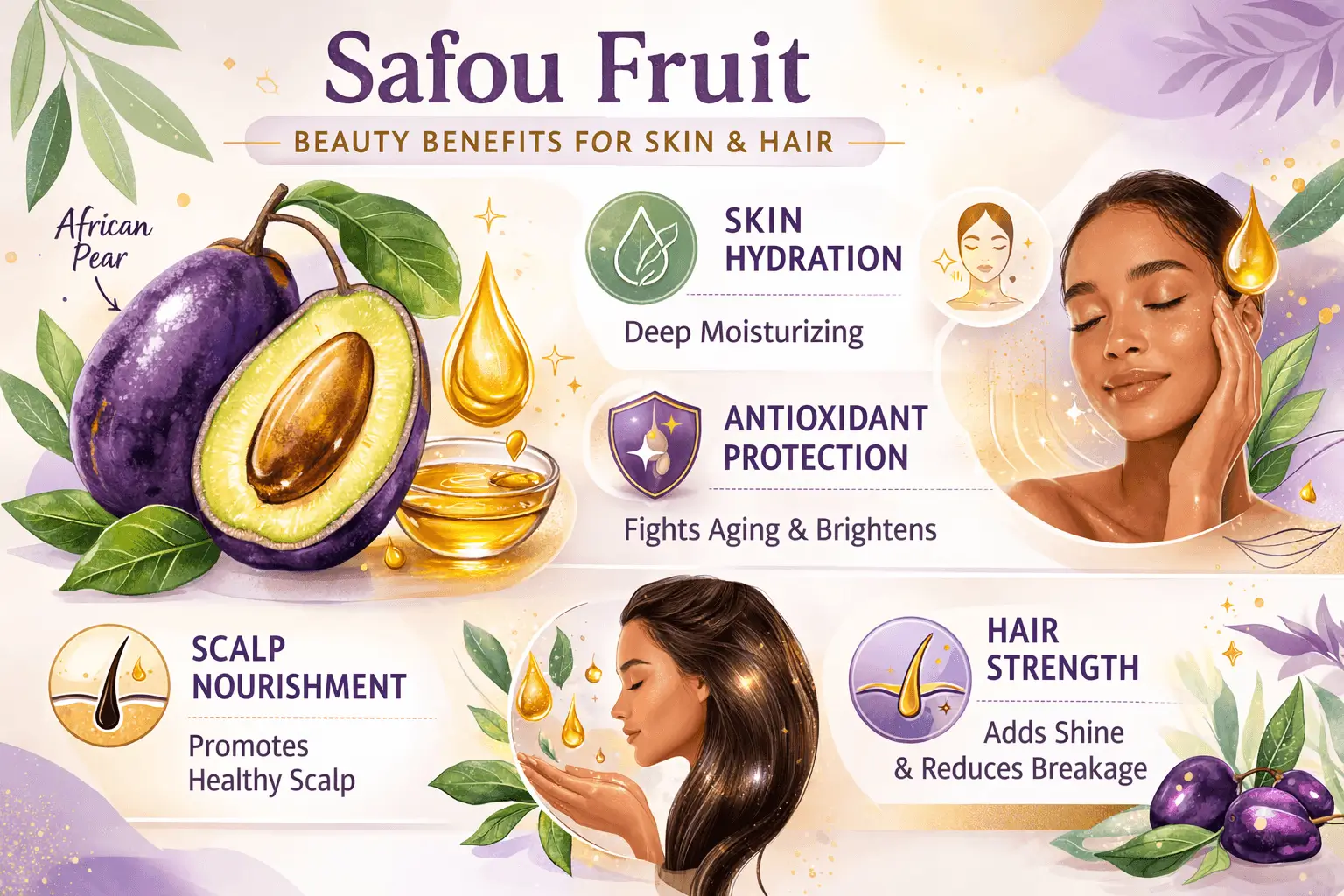
Safou fruit benefits for hair are connected to its essential fatty acids, vitamins, and mineral nutrients that support scalp health.
These nutrients may contribute to stronger hair structure and improved scalp moisture.
Healthy Oils That Nourish the Scalp
Natural oils in safou fruit help maintain scalp hydration. Proper scalp moisture supports hair growth conditions and reduces dryness.
Nutrients That Support Hair Strength
Minerals and vitamins found in safou fruit contribute to the structure of hair fibers and may help support hair strength.
Safou Fruit Seeds and Traditional Uses
Safou fruit seeds are sometimes used in traditional practices and local applications.
Although the edible pulp is the primary food component, the seeds may be used for oil extraction or cultural remedies in certain regions.
Traditional Uses of African Pear Seeds
In some communities, African pear seeds have been traditionally used in small-scale oil production or medicinal preparations. These uses vary by region and cultural practice.
How Safou Fruit Is Typically Prepared and Eaten
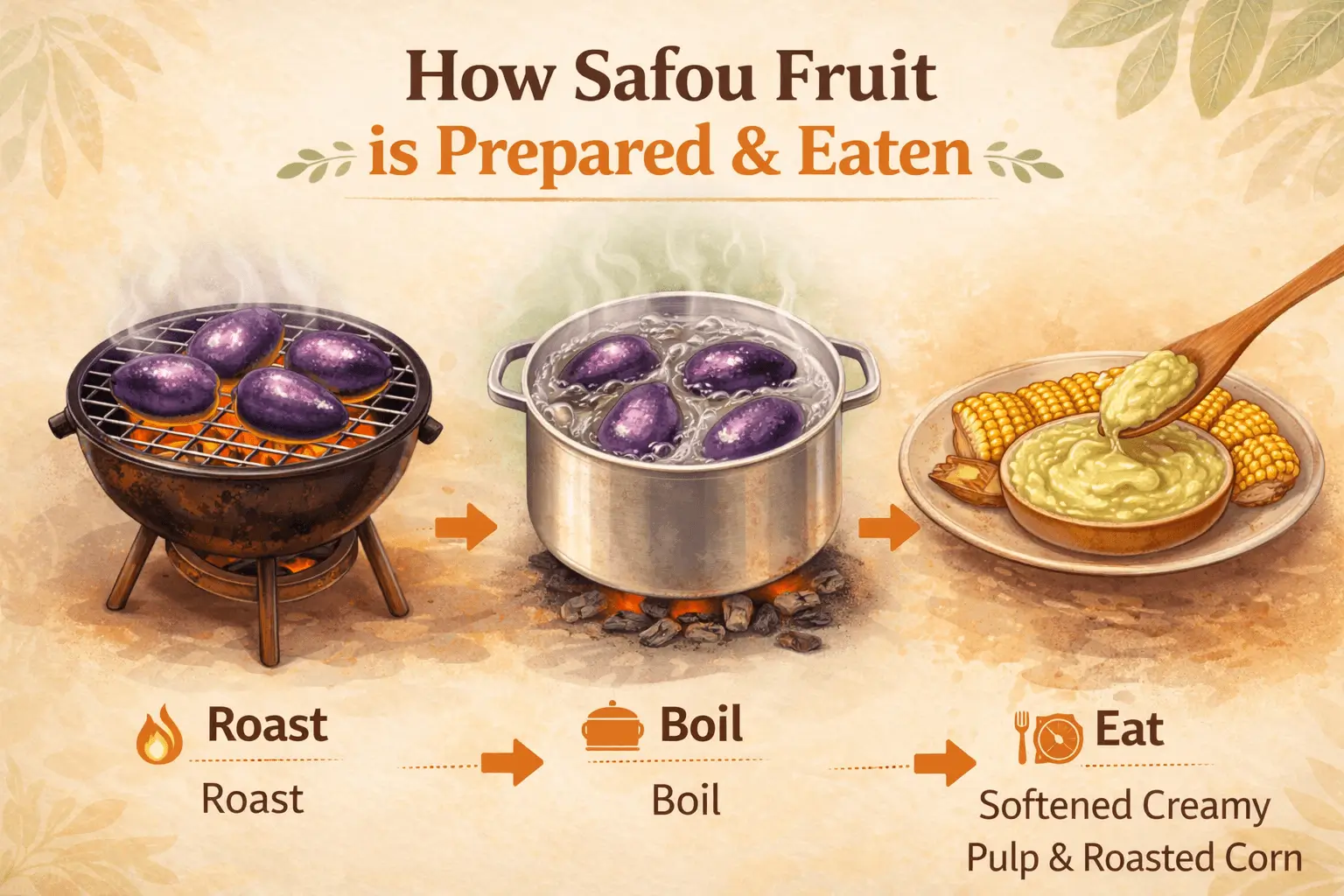
Safou fruit is commonly prepared through roasting, boiling, or gentle heating before consumption.
Unlike many fruits that are eaten raw, safou is usually softened to improve texture and flavor.
Why Safou Is Often Cooked Before Eating
Heating the fruit softens its pulp and enhances its creamy consistency.
Cooking also improves digestibility and helps release the natural oils within the fruit.
Possible Side Effects of Safou Fruit
Safou fruit benefits and side effects are mainly influenced by its high oil content and nutritional density.
While generally safe for consumption, moderation is recommended.
Digestive Sensitivity and Overconsumption
Because safou contains a high level of natural oils, consuming large quantities may lead to digestive discomfort in some individuals.
Moderate portions are typically well tolerated.
Food Sensitivities or Allergies
Allergic reactions to safou fruit are uncommon but may occur in individuals sensitive to tropical fruits.
Anyone experiencing unusual reactions should discontinue consumption and seek medical guidance.
Comparison: Safou Fruit vs Similar Fruits
Safou vs Pear Fruit
Despite its name, African pear differs significantly from the common pear species found in temperate regions. Safou has a richer oil content, darker skin, and a creamy texture when cooked.
Safou vs Ube (Purple Yam)
Ube is a root vegetable, while safou is a tree-grown fruit. Ube is starchy and commonly used in desserts, whereas safou contains higher levels of healthy plant fats.
Common Beginner Questions About Safou Fruit
Is Safou Fruit the Same as African Pear?
Yes. Safou fruit and African pear refer to the same fruit species, Dacryodes edulis.
Why Is Safou Fruit Sometimes Called Butter Pear?
Safou is sometimes called butter pear because its pulp becomes soft, creamy, and oil-rich when heated.
Environmental and Agricultural Aspects of the African Pear Tree
The African pear tree (Dacryodes edulis) is a tropical evergreen tree that grows well in humid climates.
The tree can reach heights of 10–18 meters and produces seasonal clusters of fruit. Farmers often cultivate it in agroforestry systems alongside other crops.
Because the tree adapts well to tropical environments, it contributes to local food security and sustainable agriculture in many African regions.
Conclusion
Safou fruit benefits come from its unique combination of healthy fats, fiber, vitamins, and antioxidants. Known as African pear or African butter pear, this nutrient-dense fruit has long been an important part of traditional diets in Central and West Africa. Its creamy texture, rich nutritional profile, and versatility in cooking make it a valuable fruit for both energy and health support. Understanding the nutrition, traditional uses, and possible side effects of safou fruit highlights why it remains a culturally significant and nutritionally beneficial tropical food.
Learn more: Gardenia Florida vs Magnifica: Key Differences Explained
FAQs
- What is safou fruit in English?
Safou fruit is commonly called African pear, African butter pear, or bush pear. Its scientific name is Dacryodes edulis. - What are the health benefits of safou fruit?
Safou fruit provides healthy fats, fiber, antioxidants, and minerals that support heart health, digestion, and overall nutrition. - Is safou fruit good for skin and hair?
Yes. The natural oils and antioxidants in safou fruit may help support skin hydration and hair health. - Why is safou fruit usually cooked before eating?
Safou fruit is often roasted or boiled because heat softens the fruit and enhances its creamy texture and flavor. - Are there any side effects of eating African pear?
When eaten in moderation, safou fruit is generally safe. However, excessive intake may cause digestive discomfort due to its high oil content.



One Response