Introduction — Can You Grow Ponytail Palm Outdoors in Australia?
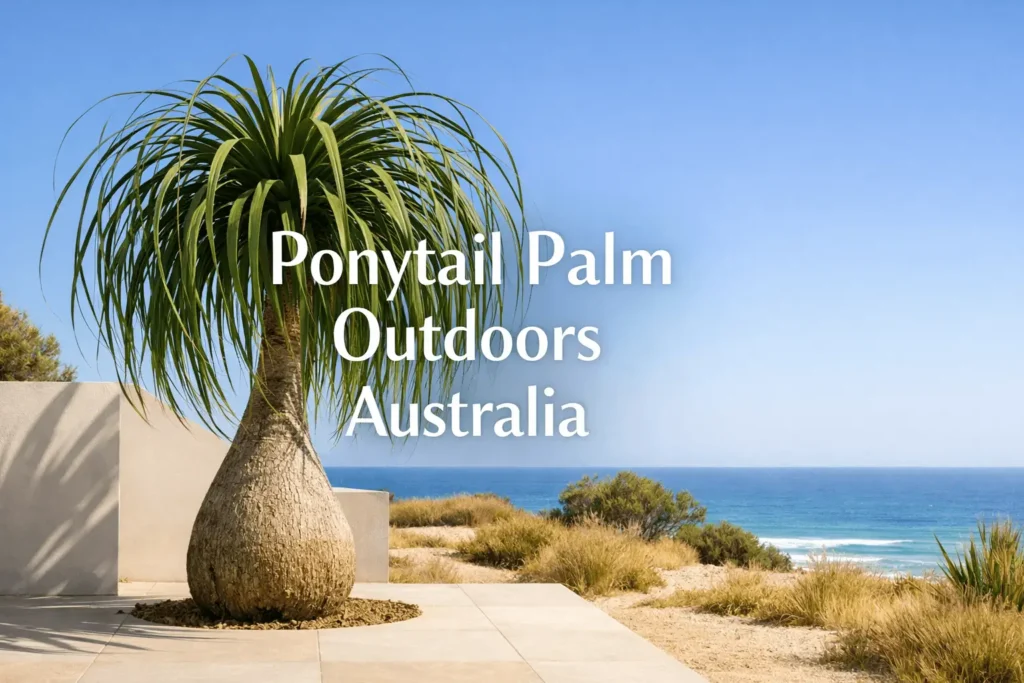
Ponytail palm outdoors Australia is a common gardening topic, especially in warm regions where drought-tolerant plants perform well. The ponytail palm, also called the ponytail plant or elephant palms, is a succulent-like species that stores water in its swollen trunk. This unique structure allows it to survive extended dry periods. While often grown indoors, it adapts effectively to outdoor environments when conditions are suitable. Climate, sunlight, and soil drainage play key roles in success. Understanding how outdoor care differs from indoor conditions helps ensure long-term growth and plant health.
Quick Summary
- Ponytail palms can thrive outdoors in warm, frost-free parts of Australia
- They prefer full sun, well-draining soil, and minimal watering
- Growth is slow, but a mature ponytail palm can become large and striking
- Outdoor care differs slightly from indoor ponytail palm conditions
What Is a Ponytail Palm and Why It Grows Well Outdoors
Plant Identity and Key Features
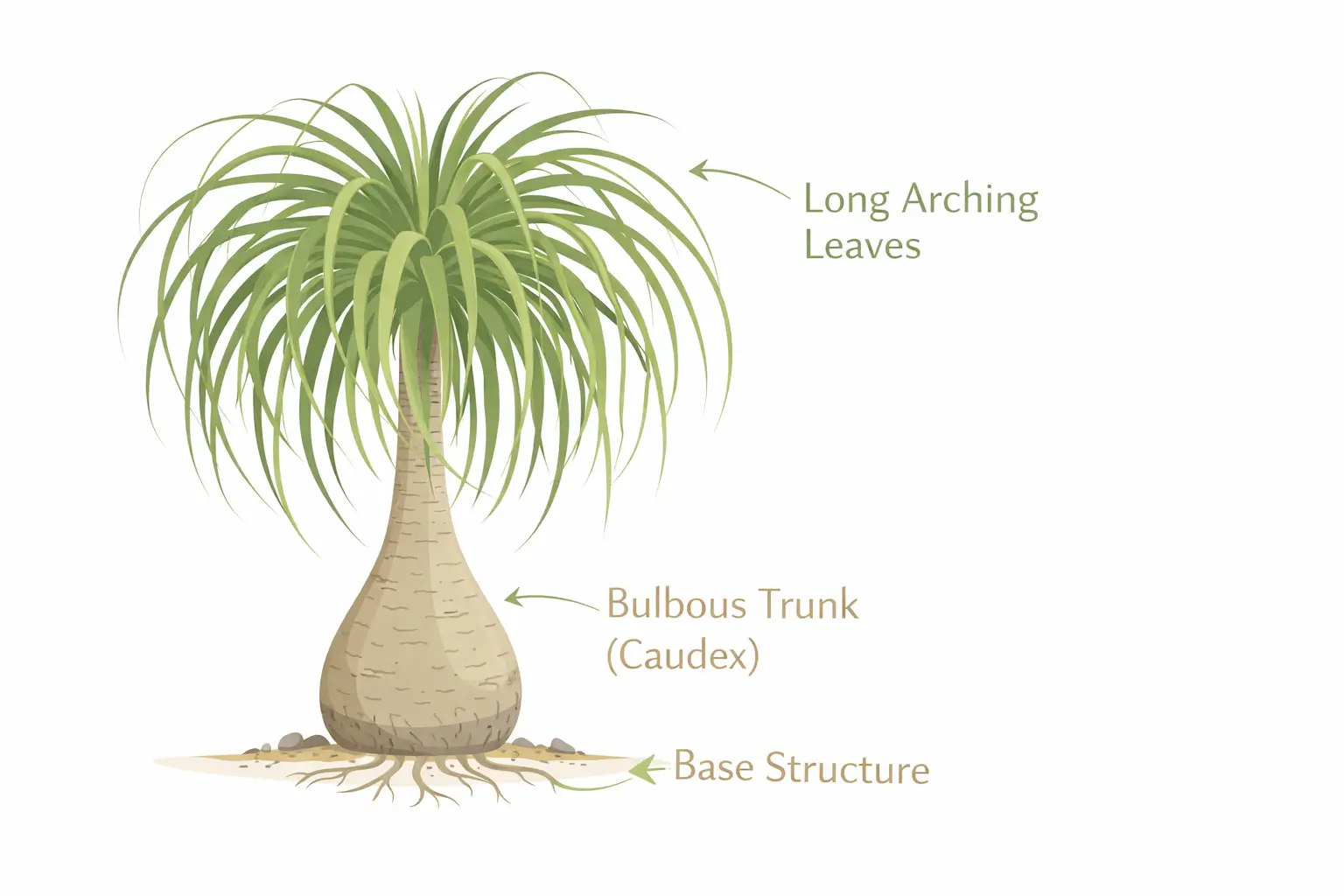
The ponytail palm (Beaucarnea recurvata) is recognized by its bulbous trunk and long, arching leaves that resemble a ponytail. Despite its name, it is not a true palm but a succulent-type plant. It is also known as pony tail palm, elephant palms, and a full grown ponytail palm tree when mature. Like other drought-tolerant houseplants such as the Zamioculcas Zamiifolia Care Guide, ponytail palms store water efficiently, making them highly resilient in dry conditions. The ponytail palm (Beaucarnea recurvata) is not a true palm but a succulent-type plant, as explained in its botanical classification.
Key features include:
- Water-storing swollen base (caudex)
- Narrow, cascading leaves
- High drought tolerance
Natural Habitat and Climate Compatibility
Ponytail palms are native to dry regions of Mexico, which explains their natural drought resistance. This adaptation makes them suitable for Australian outdoor conditions, especially in:
- Coastal climates
- Subtropical zones
- Arid regions
These environments closely match their native habitat, supporting healthy outdoor growth.
Can Ponytail Palms Be Outside in Australia? (Climate Suitability Guide)
Ideal Outdoor Conditions
Ponytail palms grow best outdoors when provided with:
- Full sun to partial sun exposure
- Warm temperatures
- Low humidity tolerance
- Protection from frost
These conditions allow the plant to maintain steady growth and avoid stress.
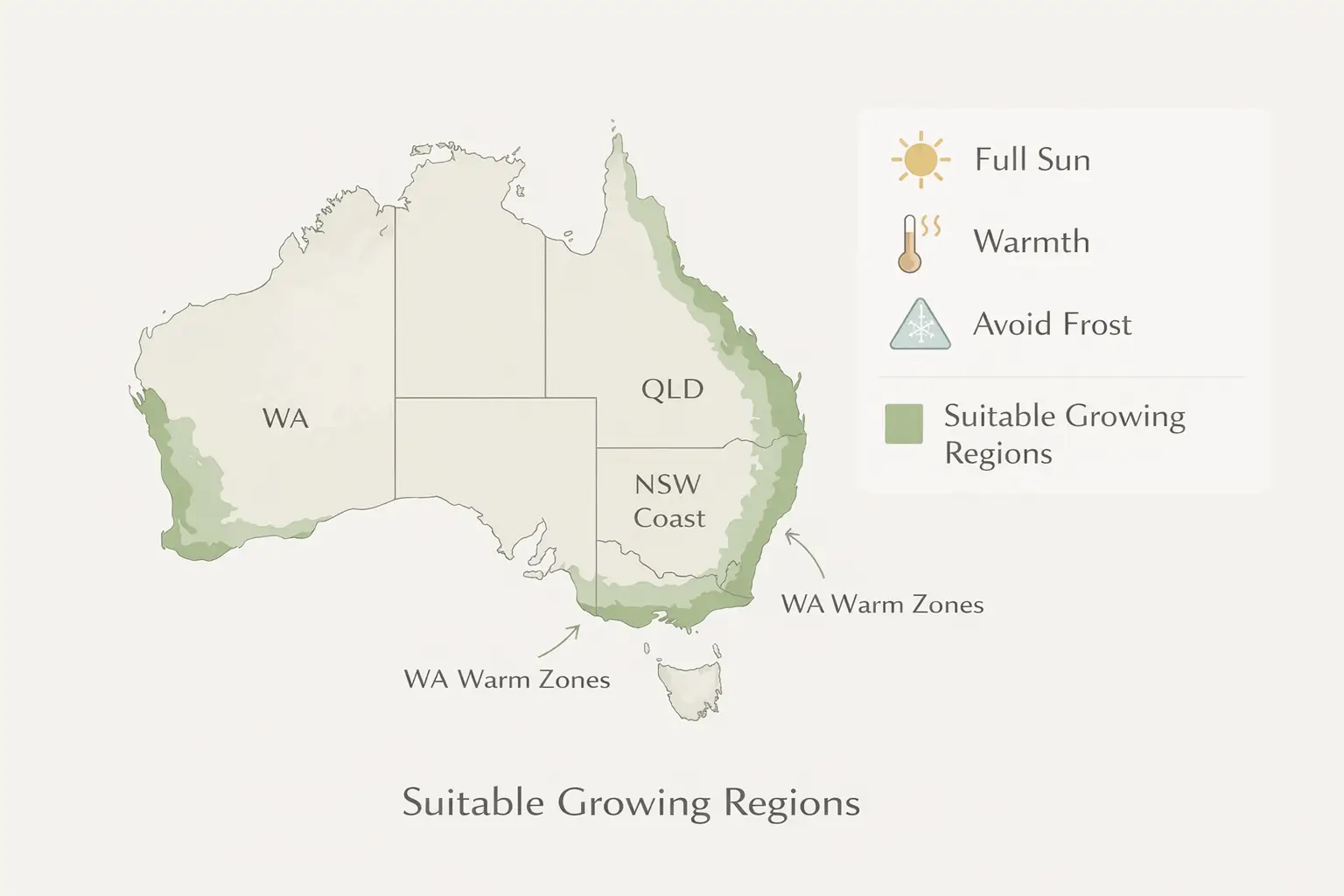
Where They Grow Best in Australia
They perform well in regions such as:
- Queensland (QLD)
- Coastal New South Wales (NSW)
- Warmer parts of Western Australia (WA)
These areas provide the warmth and sunlight needed for outdoor success.
When Outdoor Growth Becomes Risky
Outdoor growth becomes risky when:
- Frost damages leaves and slows growth
- Heavy rainfall causes root rot
- Poor drainage leads to water retention
Proper placement and soil preparation reduce these risks significantly.
Ponytail Palm Outdoors vs Indoor — Key Differences
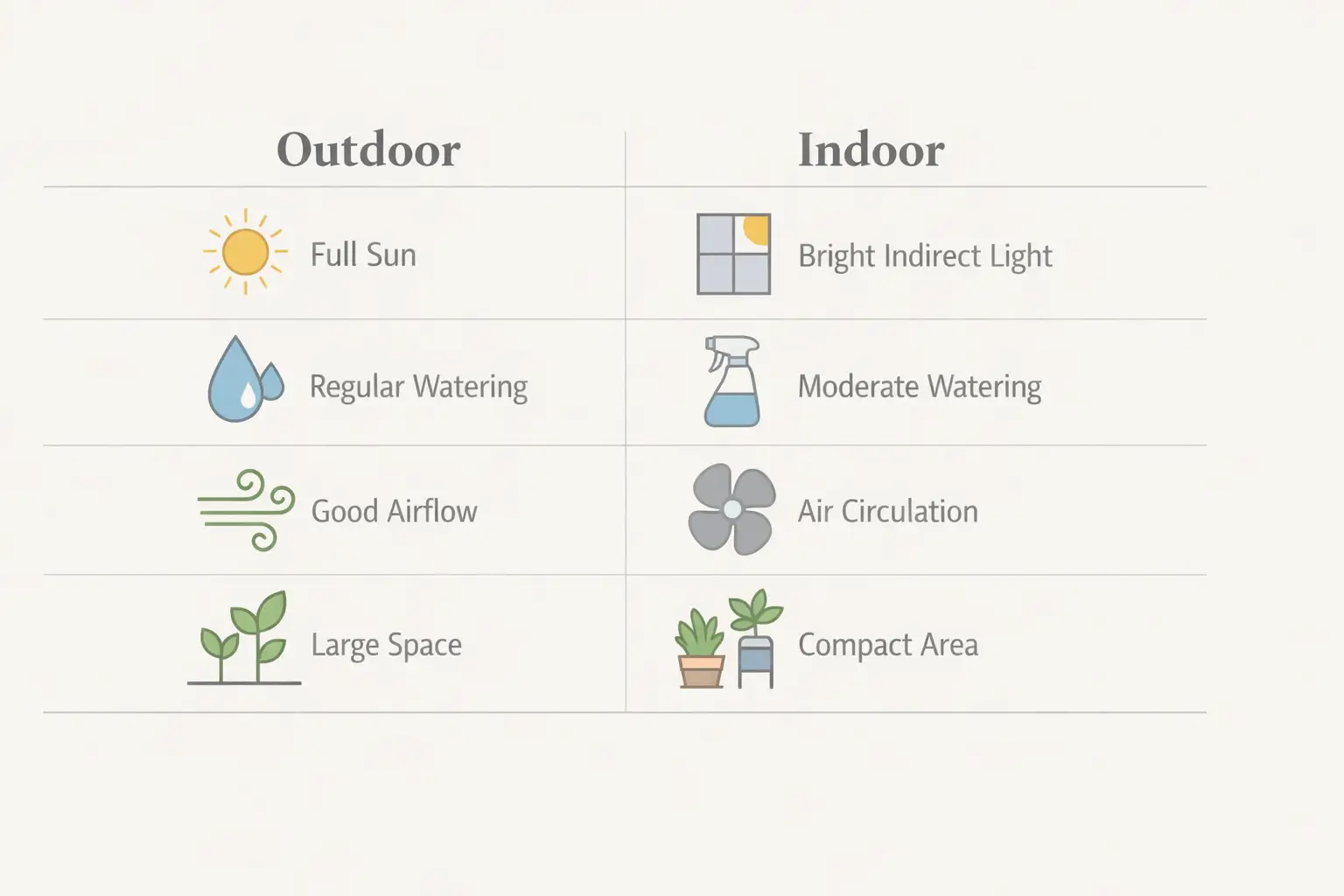
| Feature | Outdoor Ponytail Palm | Indoor Ponytail Palm |
| Light | Full sun | Bright indirect light |
| Growth Size | Large / full grown | Smaller, controlled |
| Watering | Less frequent | Moderate |
| Airflow | Natural ventilation | Limited airflow |
Outdoor ponytail palms typically grow larger due to increased sunlight and airflow. Indoor plants remain smaller and more controlled. Environmental conditions directly influence growth behavior, watering needs, and overall plant structure.
How to Care for Ponytail Palm Outdoors in Australia
Sunlight and Placement
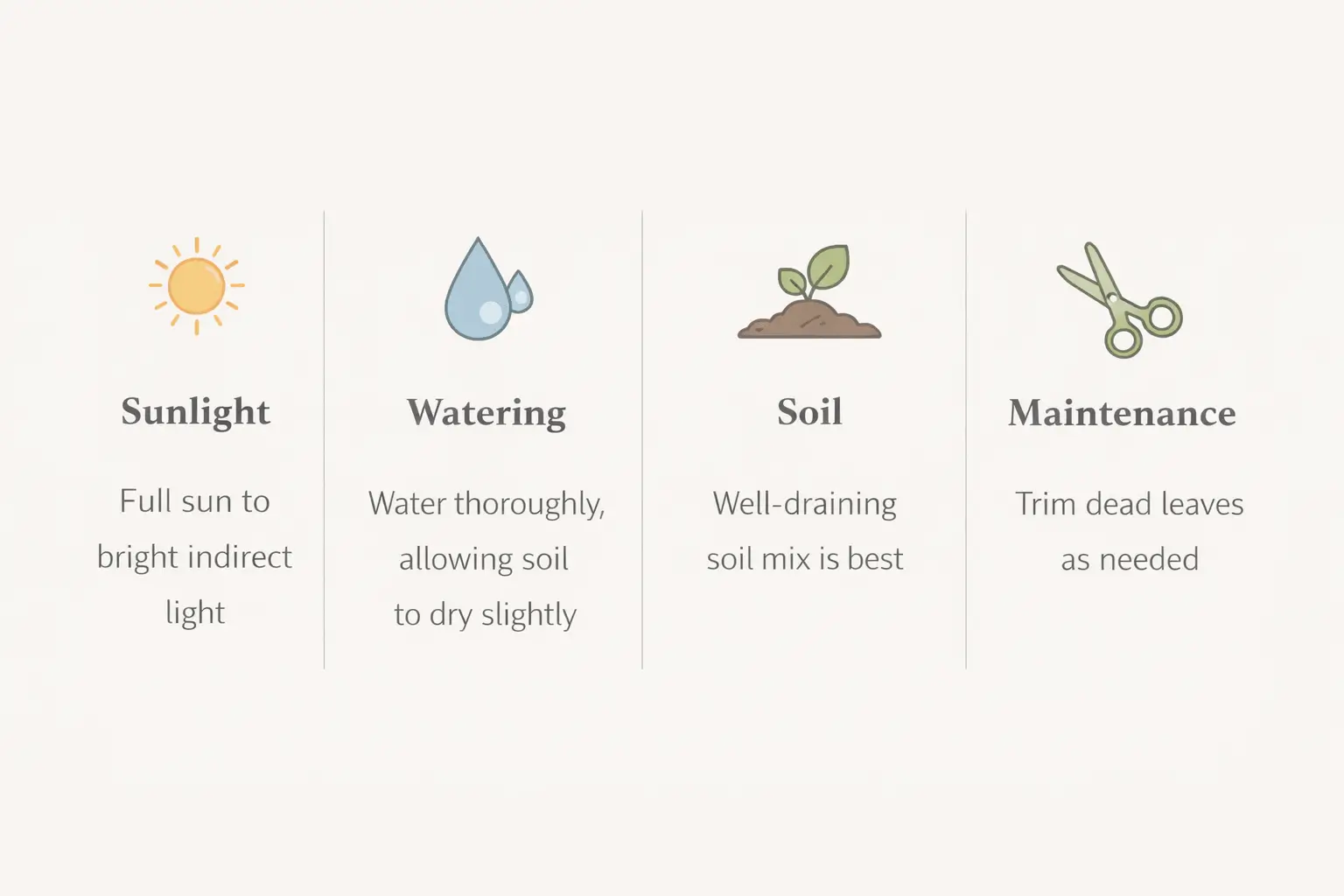
Ponytail palms prefer full sun for optimal growth. When moving a plant from indoors to outdoors, gradual acclimation is important to prevent leaf burn.
Best practices:
- Start with partial sun exposure
- Increase sunlight over 1–2 weeks
- Avoid sudden full sun placement
Watering Requirements
Ponytail palms are highly drought-tolerant and require minimal watering. Overwatering is the most common issue.
Guidelines:
- Water only when soil is completely dry
- Reduce watering during cooler months
- Increase slightly during hot, dry periods
Soil and Drainage Needs
Well-draining soil is essential for outdoor success.
Recommended options:
- Sandy soil mixes
- Cactus or succulent soil blends
- Raised beds or containers for drainage control
Fertilization and Maintenance
Ponytail palms require minimal feeding.
Care tips:
- Use a light fertilizer once or twice per growing season
- Remove dead or damaged leaves
- Avoid excessive pruning
Growing Ponytail Palm Outdoors in Pots vs Ground
Benefits of Growing in Pots
Growing a ponytail palm outdoors in a pot provides flexibility and control.
Advantages include:
- Easy movement during extreme weather
- Better drainage management
- Reduced risk of soil-related issues
In-Ground Planting Considerations
Planting in the ground allows for long-term growth and larger size.
Considerations:
- Provide enough space for expansion
- Ensure excellent soil drainage
- Suitable for landscape use over time
Ponytail Palm Growth Rate and Mature Size
How Fast Does It Grow?
Ponytail palm growth rate is slow. Most growth occurs during warmer months.
Factors affecting growth:
- Temperature
- Sunlight exposure
- Soil quality
Growth may appear minimal year-to-year, but consistent care supports steady development.
What Does a Mature Ponytail Palm Look Like?
A mature ponytail palm develops a thick trunk and extended leaf canopy.
Typical characteristics:
- Height can reach several meters outdoors
- Wide, swollen trunk base
- Long, cascading foliage
A full grown ponytail palm tree becomes a striking focal point in outdoor spaces. Compared to faster-growing landscape palms like the Full Grown Golden Cane Palm, a ponytail palm develops slowly but forms a thicker, more sculptural trunk over time.
Common Problems When Growing Ponytail Palm Outdoors
Overwatering and Root Rot
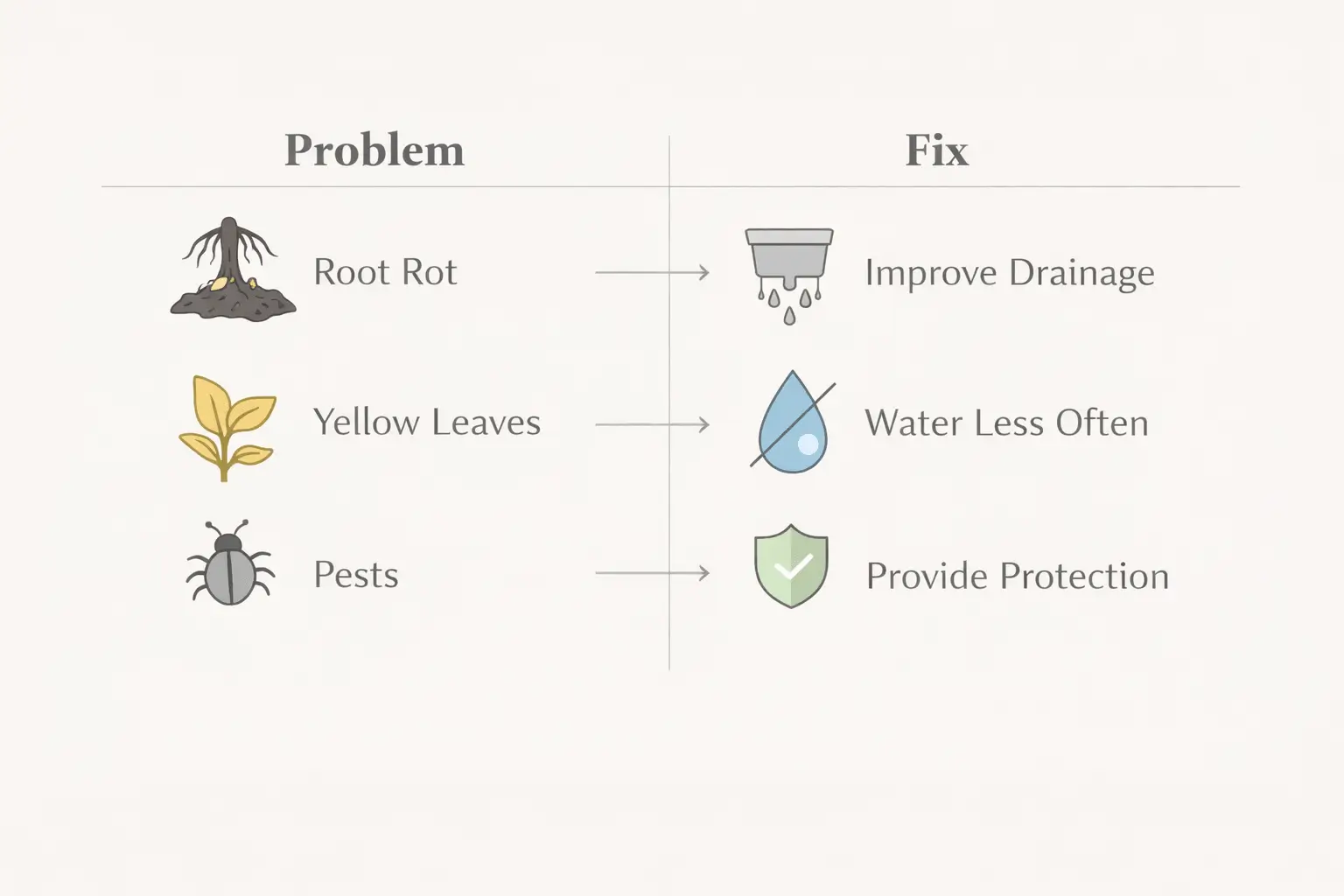
Overwatering is the most common issue and leads to root rot.
Causes:
- Poor drainage
- Frequent watering
Solutions:
- Improve soil drainage
- Reduce watering frequency
Leaf Browning or Yellowing
Leaf discoloration often indicates stress.
Common causes:
- Excess water
- Cold temperatures
Prevention:
- Maintain proper watering schedule
- Protect from cold exposure
Pest and Environmental Stress
Outdoor plants may face additional stress factors.
Examples:
- Insects such as scale or mites
- Strong winds
- Intense sun exposure without acclimation
Beginner Mistakes to Avoid (SERP Gap Section)
Common mistakes include:
- Overwatering a drought-tolerant plant
- Planting in heavy clay soil
- Ignoring frost protection
- Moving indoor plants directly into full sun
Avoiding these errors significantly improves plant health and longevity.
How Ponytail Palms Reproduce (Seeds and Fruit Explained)
Ponytail Palm Seeds and Propagation
Ponytail palms reproduce through seeds, although this process is slow.
Basic steps:
- Collect seeds from flowering plants
- Use well-draining soil
- Maintain warm conditions for germination
Seed propagation requires patience and consistent care.
Does Ponytail Palm Produce Fruit?
Ponytail palms can produce flowers and seeds when grown outdoors under ideal conditions.
Important points:
- Flowering is rare in indoor plants
- Occurs more commonly in mature outdoor plants
- Seeds develop after flowering rather than traditional fruit
Cost and Availability in Australia (Informational Overview)
Factors That Affect Size and Value
The cost of a ponytail palm varies based on:
- Plant size (small vs large ponytail palm)
- Age and trunk thickness
- Overall maturity
Larger plants with thick trunks are typically more valuable.
General Price Ranges
Prices vary depending on size and availability.
General observations:
- Small plants are more affordable
- Large ponytail palm price increases with age and size
- Mature specimens are considered premium landscape plants
Conclusion — Is Ponytail Palm Outdoors in Australia a Good Choice?
Ponytail palm outdoors Australia is a practical and effective choice in warm, frost-free regions. Its drought tolerance, low maintenance needs, and long lifespan make it ideal for outdoor landscapes. With proper sunlight, well-draining soil, and minimal watering, the plant can thrive and grow into a striking feature over time. While colder regions require additional care, the overall adaptability of this plant makes it a reliable option for many Australian gardeners.
FAQs — Ponytail Palm Outdoors Australia
Can ponytail palms live outside year-round in Australia?
Yes, ponytail palms can live outside year-round in warm, frost-free climates. In colder regions, protection or relocation may be necessary during winter.
Can ponytail palms be outside in full sun?
Yes, they can grow in full sun, but gradual acclimation is important to prevent leaf burn when moving from indoor to outdoor conditions.
Is ponytail palm better outdoor or indoor?
Outdoor growth allows larger size and stronger development, while indoor environments offer more control over conditions.
How do you care for ponytail palm outdoors?
Provide full sun, minimal watering, and well-draining soil. Avoid overwatering and ensure protection from frost.
Can ponytail palms grow large outdoors?
Yes, a full grown ponytail palm tree can grow large over time, developing a thick trunk and wide leaf spread.
Why is my outdoor ponytail palm struggling?
Common causes include overwatering, poor drainage, or exposure to cold temperatures. Adjusting care conditions usually resolves these issues.