
Introduction
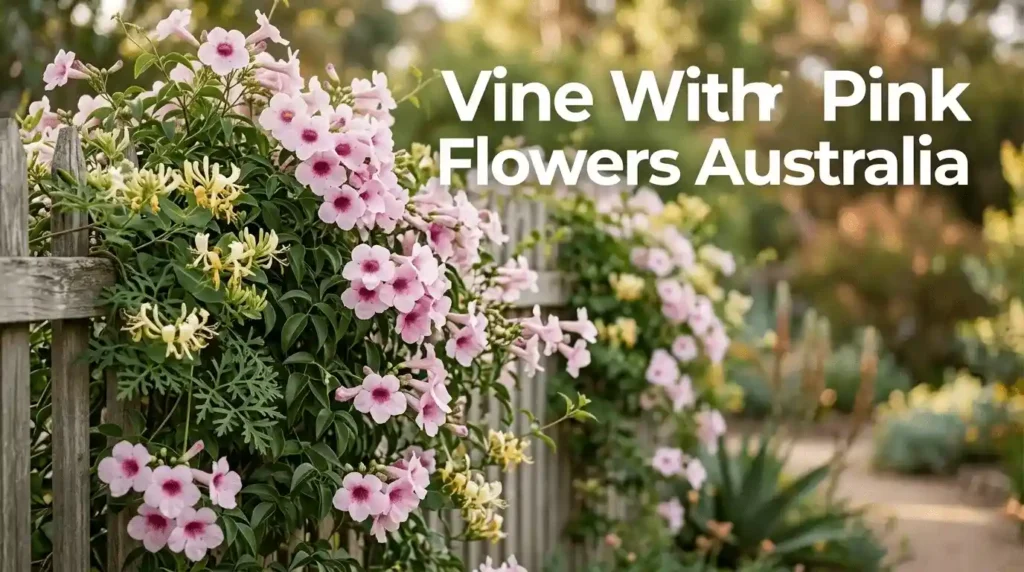
Australia is home to several striking native climbing plants, but the most recognised vine with pink flowers Australia gardeners grow is the bower vine (Pandorea jasminoides). Another highly valued native climber is the wonga wonga vine (Pandorea pandorana), a vigorous species widely used for screening and fence coverage. A climbing vine is a plant that grows upward using twining stems, tendrils, or support structures rather than forming a self-supporting trunk. This guide explains the most popular Australian native vines with pink flowers, including their names, varieties, growth habits, care requirements, and how to grow them successfully on fences, trellises, and pergolas.
Quick Summary
- The bower vine (Pandorea jasminoides) is Australia’s most popular native climbing vine with pink flowers, valued for its trumpet-shaped blooms and evergreen foliage.
- The wonga wonga vine (Pandorea pandorana) is a vigorous Australian native climber suited to fences, trellises, and pergolas.
- Both species belong to the Bignoniaceae family and are considered low-maintenance Australian native climbers.
- Cultivars range from deep rose pink to white with pink throats, making them suitable for different garden styles.
- Both plants attract pollinators and adapt well to temperate and subtropical Australian gardens.
What Is a Vine with Pink Flowers in Australia?
A vine with pink flowers in Australia is typically a climbing plant that produces pink or pink-toned blooms while growing vertically on support structures such as fences, trellises, or pergolas. In Australian horticulture, a climbing vine differs from a creeper and a shrub in its growth habit. The genus Pandorea is part of the Bignoniaceae family and includes several ornamental climbing vines native to Australia and surrounding regions.
Many of these climbing species are included in broader native garden design systems that focus on drought tolerance, wildlife support, and low maintenance planting styles.
A climbing vine grows upward using twining stems or support systems. A creeper spreads horizontally along the ground, while a shrub is a woody plant that supports itself without climbing.
Australian native climbing plants are popular because they are adapted to local climates, often require less water once established, and support native wildlife such as bees and birds. Many gardeners choose pink flowers for their softer ornamental appearance and compatibility with cottage, coastal, and subtropical garden designs.
Native climbing plants also provide practical benefits, including:
- Fence coverage and privacy screening
- Shade over pergolas and outdoor spaces
- Habitat support for pollinators
- Reduced maintenance compared to exotic vines
The most recognised pink flower Australian native climbers belong to the Pandorea genus, particularly Pandorea jasminoides and Pandorea pandorana.
Bower Vine (Pandorea jasminoides): Australia’s Favourite Pink Flowering Climber
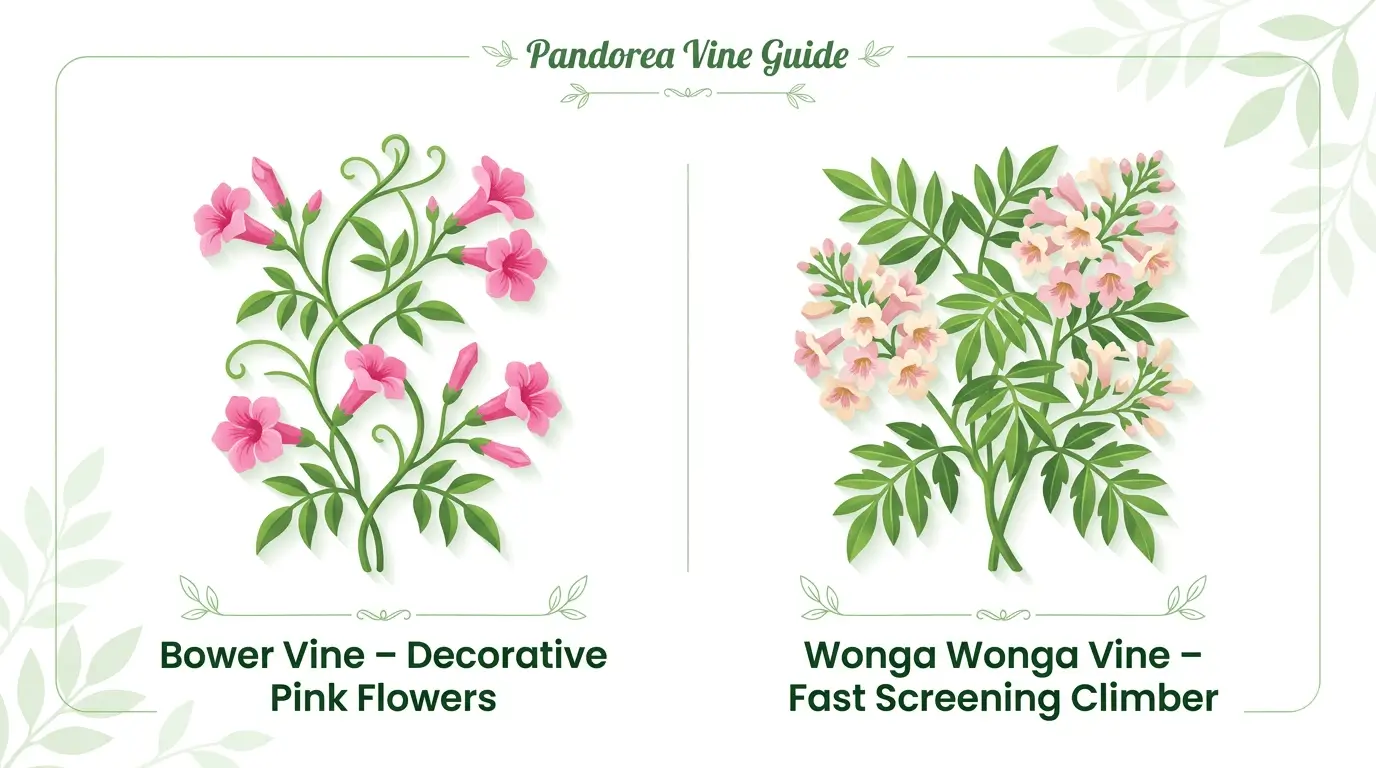
Pandorea jasminoides, commonly known as the bower vine, is the primary answer for gardeners searching for a vine with pink flowers Australia grows widely. This evergreen Australian native vine originates from eastern Australia, particularly subtropical and temperate rainforest margins in New South Wales and Queensland.
The plant is known for its trumpet-shaped flowers, which range from soft blush pink to deep rose pink with darker pink or burgundy throats. Flowering is most prolific from spring through summer, although mild climates may extend blooming periods.
Key characteristics of the bower vine include:
- Evergreen foliage
- Twining climbing habit
- Moderate growth rate
- Suitability for fences and trellises
- Wildlife-friendly flowers attracting pollinators
The bower vine is commonly used as:
- A feature climber on pergolas
- A screening plant on fences
- A decorative trellis vine
- A container-grown climber for patios
Because it belongs to the Bignoniaceae family, the plant shares botanical traits with other trumpet-flowered climbers.
Pandorea jasminoides Varieties and Cultivars
Several Pandorea jasminoides cultivars are available for Australian gardens, offering differences in flower colour, foliage, and growth habit.
| Cultivar | Flower Color | Best Use | Notes |
| Pandorea jasminoides ‘Rosea’ | Soft pink | Fence, trellis | Most common form |
| ‘Rosea Superba’ | Deep pink | Pergola, screen | Larger blooms |
| ‘Lady Di’ / ‘Alba’ | White, pink throat | Container, fence | Compact habit |
| ‘Charisma’ | Pink | Garden feature | Variegated foliage |
‘Rosea’ remains the most widely grown form due to its reliable flowering and adaptability. ‘Rosea Superba’ produces larger and deeper pink blooms, making it suitable for ornamental focal points.
‘Lady Di’ and ‘Alba’ are popular choices for smaller gardens and containers because of their more compact growth. ‘Charisma’ stands out through its variegated leaves, which provide visual interest even outside flowering periods.
Pandorea jasminoides in Pots
Pandorea jasminoides performs well in large containers when grown with proper support. Pot-grown plants require:
- A container at least 40–50cm wide
- Free-draining premium potting mix
- Regular watering during establishment
- A trellis or wire support system
Container growing naturally restricts plant size, making it easier to manage on balconies and courtyards.
Wonga Wonga Vine (Pandorea pandorana): A Versatile Australian Native Climber
Pandorea pandorana, commonly called the wonga wonga vine, is a related but more vigorous Australian native climber. Compared with the bower vine, it is hardier, faster growing, and better suited to large-scale screening applications.
The flowers are smaller than those of Pandorea jasminoides and are typically creamy-white to pale pink with purple-streaked throats. Although the blooms are less boldly pink, the species still aligns with searches for pink-flowering Australian vines.
The name “wonga wonga” originates from Aboriginal language groups and reflects the plant’s long-standing cultural and ecological significance within Australia.
Common landscape uses include:
- Trellis coverage
- Fence screening
- Pergola shading
- Wildlife-friendly planting schemes
The plant tolerates a broader climate range than bower vine and adapts well to coastal and inland gardens.
Pandorea pandorana Varieties
Several forms of Pandorea pandorana are available through Australian nurseries and specialist native plant growers.
- Pandorea pandorana ‘Alba’ — White-flowered form with lighter throats
- Pandorea pandorana ‘Snowbells’ — Pure white flowers with ornamental appeal
These varieties are commonly sourced through native nurseries and may occasionally appear in large garden retailers such as Bunnings.
| Feature | Bower Vine (P. jasminoides) | Wonga Wonga Vine (P. pandorana) |
| Flower size | Large | Small |
| Flower color | Pink to deep rose | Cream to pale pink |
| Vigour | Moderate | High |
| Best use | Feature climber | Screen/coverage |
| Frost tolerance | Moderate | Better |
Other Australian Native Vines with Pink Flowers
Several other Australian native climbers produce pink or pink-toned flowers, although they are less commonly grown than Pandorea species.
- Hardenbergia violacea — Usually purple, but pink cultivars are available for trellises and fences.
- Kennedia species — Twining native climbers with red or pink-tinged flowers in some forms.
- Hibbertia scandens — Yellow-flowering native climber often included for contrast planting beside pink-flowering vines.
These species contribute to broader Australian native vine collections and support biodiversity-focused garden designs.
Plant Size: How Big Do Pink-Flowering Australian Vines Grow?
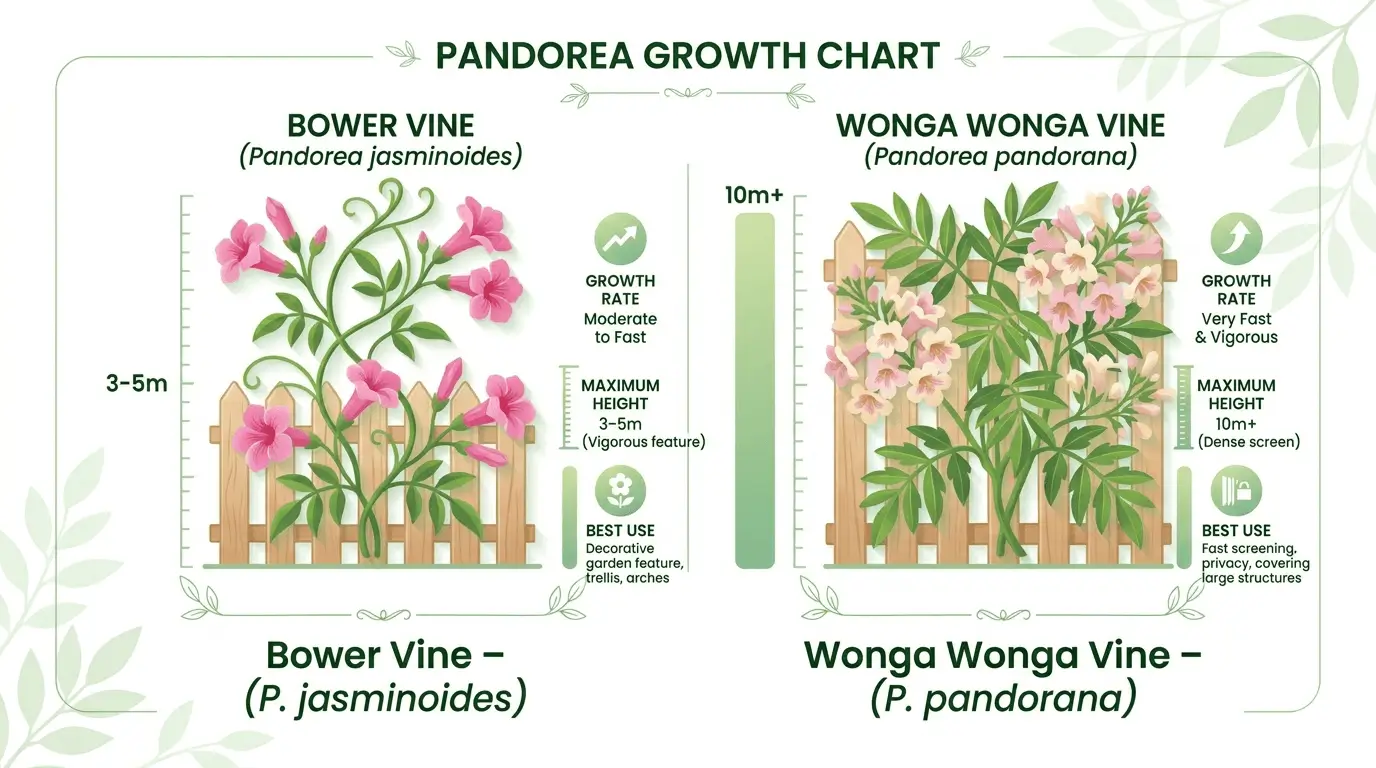
Bower vine typically reaches 3–5 metres in height under normal garden conditions, although mature plants can exceed 6–8 metres when grown on large pergolas or fences.
Wonga wonga vine is more vigorous and may grow beyond 10 metres in favourable conditions.
Several environmental factors influence plant size:
- Sunlight exposure
- Soil fertility
- Rainfall levels
- Root space
- Pruning frequency
- Support structure size
Container-grown Pandorea jasminoides plants remain significantly smaller because root growth is restricted.
Growth Rate: How Fast Do Bower Vine and Wonga Wonga Vine Grow?
Bower vine is considered a moderate grower. Most plants focus on root establishment during the first year before accelerating growth in the second season.
Wonga wonga vine grows more rapidly once established and can quickly cover large fences or trellises.
Growth is strongest during spring and summer when temperatures rise and daylight increases.
Factors affecting growth speed include:
- Frost exposure
- Soil drainage
- Water availability
- Nutrient levels
- Root disturbance after planting
Poor drainage and compacted soil are common reasons for slow establishment.
Care Guide: How to Grow a Vine with Pink Flowers in Australia
Watering Requirements
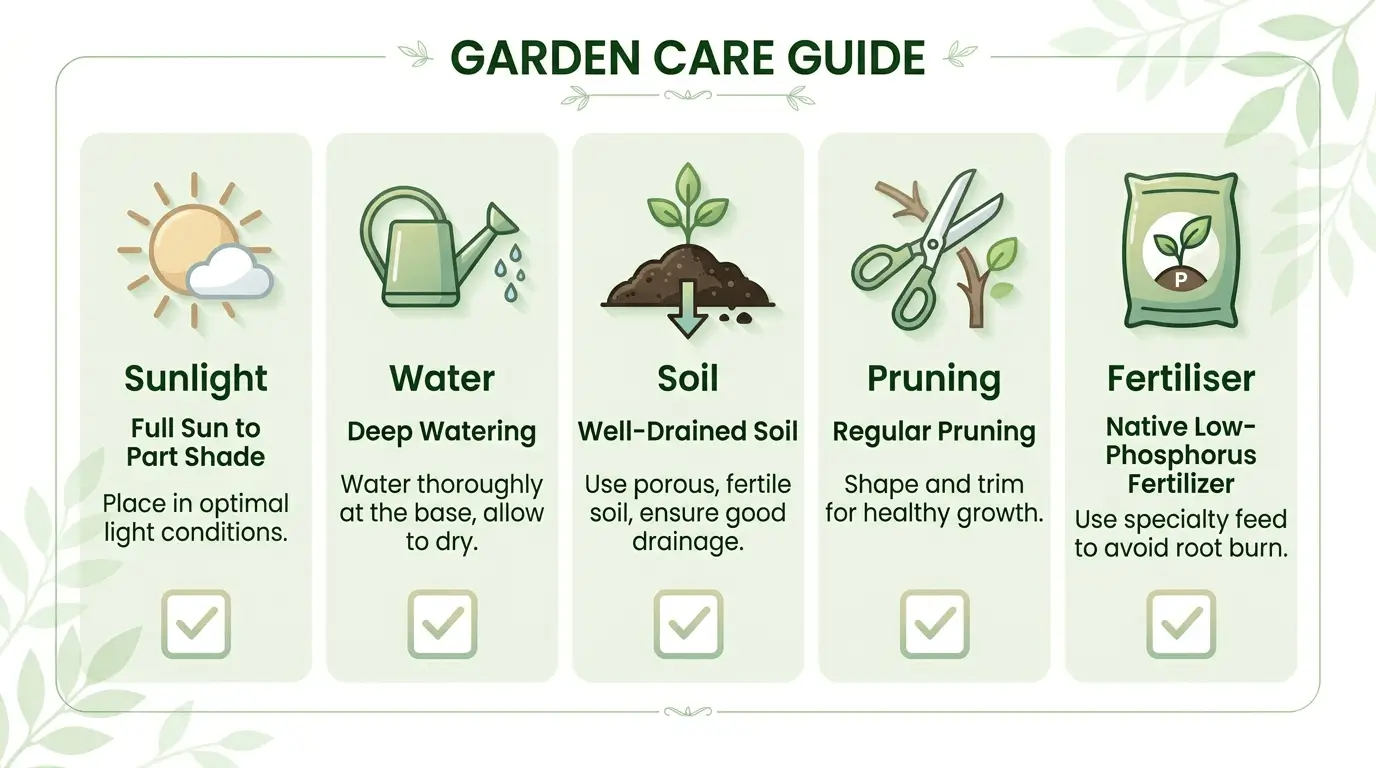
Both Pandorea jasminoides and Pandorea pandorana become drought-tolerant once established, but young plants require consistent watering during the first 12 months.
Important watering practices include:
- Water deeply during dry periods
- Avoid constantly wet soil
- Ensure free drainage
- Reduce watering during winter in cool climates
Waterlogging is one of the most common causes of root decline. Proper care practices for native climbers are also similar to other Australian native plants that thrive in low-phosphorus soil and coastal or temperate climates.
Sunlight and Position
Full sun to part shade is ideal for both species. Plants generally produce more flowers when grown in full sun.
Suitable planting locations include:
- North-facing fences
- East-facing trellises
- Pergolas with filtered sunlight
- Coastal gardens with airflow
Soil and Fertilisation
Both species prefer moderately fertile, well-drained soil.
Best practices include:
- Use native-formulated fertiliser in spring
- Avoid excessive nitrogen
- Avoid high-phosphorus fertilisers
- Improve heavy clay soil with organic matter
High phosphorus levels can damage sensitive native plant roots.
Pruning
Pruning after flowering helps maintain shape and encourages denser growth.
- Pandorea pandorana tolerates hard pruning well
- Bower vine responds better to lighter shaping
- Remove dead or tangled stems annually
Many gardeners make the mistake of pruning heavily before flowering season, which can reduce bloom production.
Climate Tolerance
Both species perform well in subtropical, temperate, and coastal Australian climates.
Bower vine is slightly frost-sensitive, particularly when young. Wonga wonga vine tolerates colder conditions more effectively.
How to Grow Pandorea on a Fence, Trellis, or Pergola
Growing Pandorea on a support structure improves airflow, flowering, and overall plant shape.
For fences, wire systems spaced horizontally provide the best support. Trellises should be firmly anchored because mature vines become heavy over time.
Container-grown plants require regular tying and pruning to maintain structure.
- Choose a sturdy trellis or wire fence system.
- Plant in a hole twice the width of the root ball.
- Tie new stems loosely to the support every 20–30cm.
- Water well for the first 3 months.
- Mulch the base to retain moisture.
- Prune lightly after first flowering to encourage branching.
Common Problems: Troubleshooting Pink-Flowering Australian Vines
Why Is My Bower Vine Not Flowering?
Insufficient sunlight is the most common reason a bower vine fails to flower. Excess nitrogen fertiliser can also encourage leafy growth at the expense of blooms.
Young plants under 18 months often flower sparsely while establishing roots.
Solutions include:
- Moving the plant to a sunnier position
- Switching to low-nitrogen fertiliser
- Reducing excessive pruning before flowering season
Yellowing Leaves on Pandorea
Yellowing leaves commonly result from:
- Overwatering
- Poor drainage
- Iron deficiency
Interveinal yellowing may indicate iron deficiency and can often be corrected with chelated iron applications.
Pest Issues: Scale, Caterpillars, and Aphids
Common pests affecting bower vine and wonga wonga vine include:
- Scale insects
- Caterpillars
- Aphids
Organic control methods include:
- Horticultural oils
- Neem oil sprays
- Encouraging beneficial insects
- Manual removal of heavy infestations
Slow Growth After Planting
Slow growth after planting is usually linked to transplant shock or root disturbance.
Helpful recovery practices include:
- Consistent watering
- Mulching around the root zone
- Avoiding over-fertilisation
- Applying seaweed-based root stimulants
Comparison: Bower Vine vs Wonga Wonga Vine — Which Should You Choose?
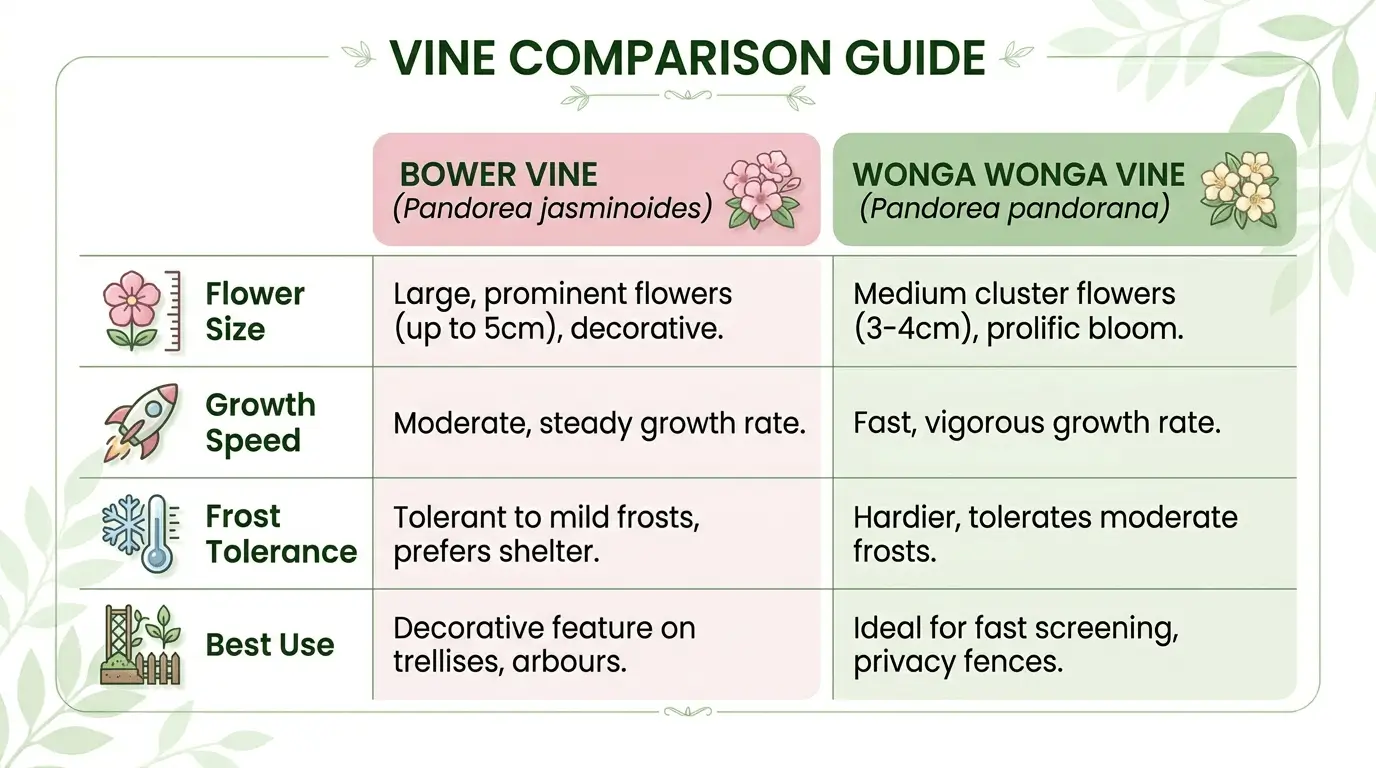
Bower vine is best for gardeners wanting larger, showier pink flowers and more controlled growth. Wonga wonga vine is better suited to large fences, privacy screening, and colder climates.
| Feature | Bower Vine (P. jasminoides) | Wonga Wonga Vine (P. pandorana) |
| Flower appearance | Large pink trumpets | Smaller cream-pink flowers |
| Growth rate | Moderate | Fast |
| Vigour | Medium | High |
| Frost hardiness | Moderate | Better |
| Container suitability | Excellent | Less suitable |
| Maintenance level | Moderate | Low |
| Best use | Decorative feature vine | Coverage and screening |
Gardeners with smaller courtyards or decorative pergolas often prefer bower vine, while larger landscapes benefit from the stronger growth of wonga wonga vine.
Where to Buy Pandorea Vines in Australia
Pandorea jasminoides and Pandorea pandorana are widely available through:
- Native plant nurseries
- Specialist climber growers
- Local garden centres
- Large retailers such as Bunnings
When selecting a plant, look for:
- Healthy green foliage
- Strong stems without damage
- No visible pests
- A well-developed but not root-bound root system
Younger plants generally establish more successfully than oversized advanced specimens.
Conclusion
The most recognised vine with pink flowers Australia gardeners grow is the bower vine (Pandorea jasminoides), while the wonga wonga vine (Pandorea pandorana) remains one of the best Australian native climbers for screening and large-scale coverage. Both species are attractive, wildlife-friendly, and well adapted to Australian conditions. Bower vine offers larger pink trumpet flowers and suits decorative fences, trellises, and pergolas. Wonga wonga vine provides stronger growth, better frost tolerance, and faster coverage for larger structures.
These vines are part of a larger ecosystem of Australian native garden plants used for privacy, screening, and sustainable landscaping design.
Choosing between these Australian native vines depends on available space, climate conditions, and desired flower impact. Both remain reliable long-term options for gardeners seeking low-maintenance native climbing plants with ornamental appeal.
Frequently Asked Questions
What is the name of the pink flowering vine native to Australia?
The best-known pink flowering vine native to Australia is Pandorea jasminoides, commonly called the bower vine. It is an evergreen climbing plant with trumpet-shaped pink flowers and originates from eastern Australia.
What is the difference between bower vine and wonga wonga vine?
Bower vine has larger pink flowers and more controlled growth, while wonga wonga vine grows faster and tolerates colder conditions better. Wonga wonga vine is commonly used for screening, whereas bower vine is often grown as a decorative feature climber.
Can I grow Pandorea jasminoides in a pot?
Yes, Pandorea jasminoides grows successfully in large containers with good drainage and climbing support. Use a premium potting mix and provide regular watering during establishment.
How fast does a bower vine grow?
Bower vine is a moderate-growing climber. Growth is usually slower during the first year while roots establish, then becomes more vigorous from the second growing season onward.
Are Australian native climbing plants suitable for fences?
Yes, many Australian native climbers are ideal for fences and trellises. Both bower vine and wonga wonga vine naturally twine around support systems and adapt well to vertical growing structures.
What pink flowers grow on vines in Australia?
Popular pink-flowering Australian vines include Pandorea jasminoides, pink forms of Hardenbergia violacea, and some Kennedia species. Certain Pandorea pandorana varieties also display pale pink tones.