
Introduction
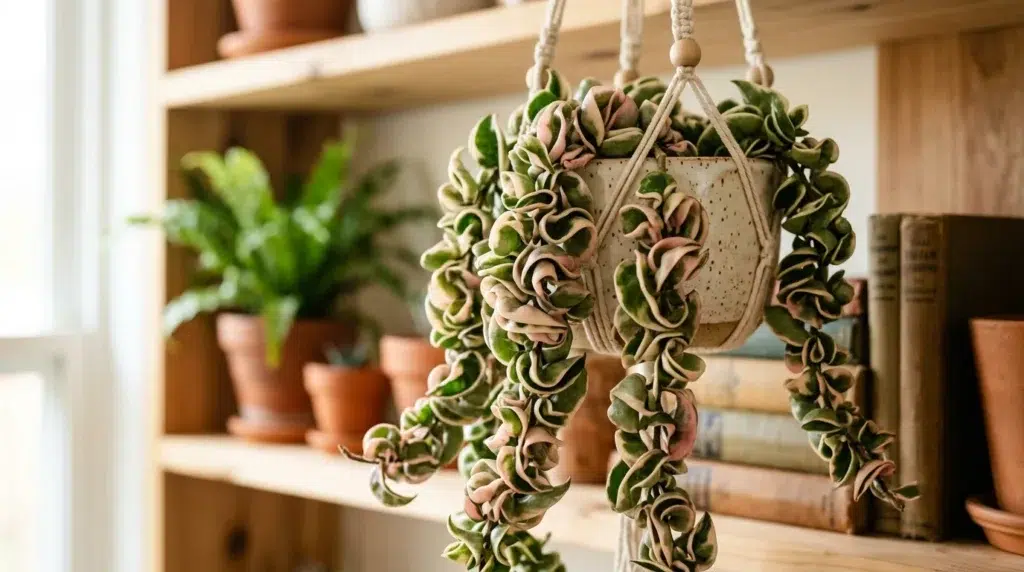
Hoya Compacta Variegata care centers on bright indirect light, infrequent watering, and a fast-draining soil mix. This plant is a variegated cultivar of Hoya carnosa compacta, widely known as the Hindu rope plant or rope hoya, valued for its tightly curled, twisted leaves marked with cream and pink variegation. It has become a popular houseplant among collectors because of its compact growth habit, low maintenance needs, and striking foliage that sets it apart from the standard green form. This guide covers everything needed to grow it successfully indoors, including light and water requirements, soil composition, blooming triggers, propagation methods, and solutions to common problems affecting Hoya carnosa compacta and other variegated hoya compacta varieties. For more houseplant care guides like this one, explore our complete Plants: Benefits and Guides hub.
Quick Summary
- Needs bright, indirect light to maintain strong variegation.
- Should dry out between waterings; avoid soggy soil.
- Grows best in a chunky, well-draining soil mix (bark, perlite, coco coir).
- Rated easy-to-moderate difficulty, making it suitable for beginners.
What Is Hoya Compacta Variegata?
Hoya Compacta Variegata is a variegated sport of Hoya carnosa compacta, a species within the Hoya genus known for thick, waxy, rope-like leaves that curl and twist along the vine. It is commonly sold under several overlapping names, including Hindu rope plant, hoya rope plant, hoya regalis, and hoya crispa variegata, which often causes confusion among buyers since these labels are sometimes used interchangeably by growers and sellers. It belongs to the Apocynaceae family and is classified as a tropical epiphytic vine within the Hoya genus, more closely related to milkweed relatives than to true succulents.
Despite its thick, succulent-like leaves, Hoya Compacta Variegata is not a succulent. It belongs to the Apocynaceae family and is classified as a tropical epiphytic vine, more closely related to milkweed relatives than to true succulents. Its leaf thickness is an adaptation for water storage in humid, semi-arid tropical environments rather than a defining succulent trait.
Hoya Compacta vs. Hoya Carnosa Compacta vs. Regalis (Comparison)
These names are frequently used inconsistently in the plant trade, which makes side-by-side comparison useful for identification. For comparison with another popular variegated species, see our Hoya Curtisii Variegated care and propagation guide.
| Cultivar Name | Leaf Characteristic | Variegation | Common Alias |
| Hoya carnosa compacta | Tightly curled, rope-like | None (solid green) | Hindu rope plant |
| Hoya compacta variegata | Curled, twisted | Cream/pink edges | Variegated hindu rope |
| Hoya regalis | Curled, slightly broader | Often variegated | Regalis hoya |
| Hoya crispa variegata | Wavy, less tightly coiled | Variable variegation | Crispa hoya |
Hoya Compacta Variegata Light Requirements
Hoya Compacta Variegata needs bright, indirect light to thrive and to maintain its variegation. Variegated sections of the leaf lack chlorophyll, so the plant requires more light overall than the solid green form to photosynthesize efficiently and produce healthy new growth. If you’re unsure what this means in practice, our guide on Bright Indirect Light vs Direct Sunlight for Plants breaks down the difference.
The best placement options include:
- An east-facing window with gentle morning sun
- A west-facing window with filtered afternoon light
- A few feet back from a south-facing window to avoid leaf scorch
- Supplemental grow lights in low-light rooms
Direct, intense midday sun can scorch the leaves, while insufficient light causes new growth to revert to solid green.
Hoya Compacta Variegata Watering Needs
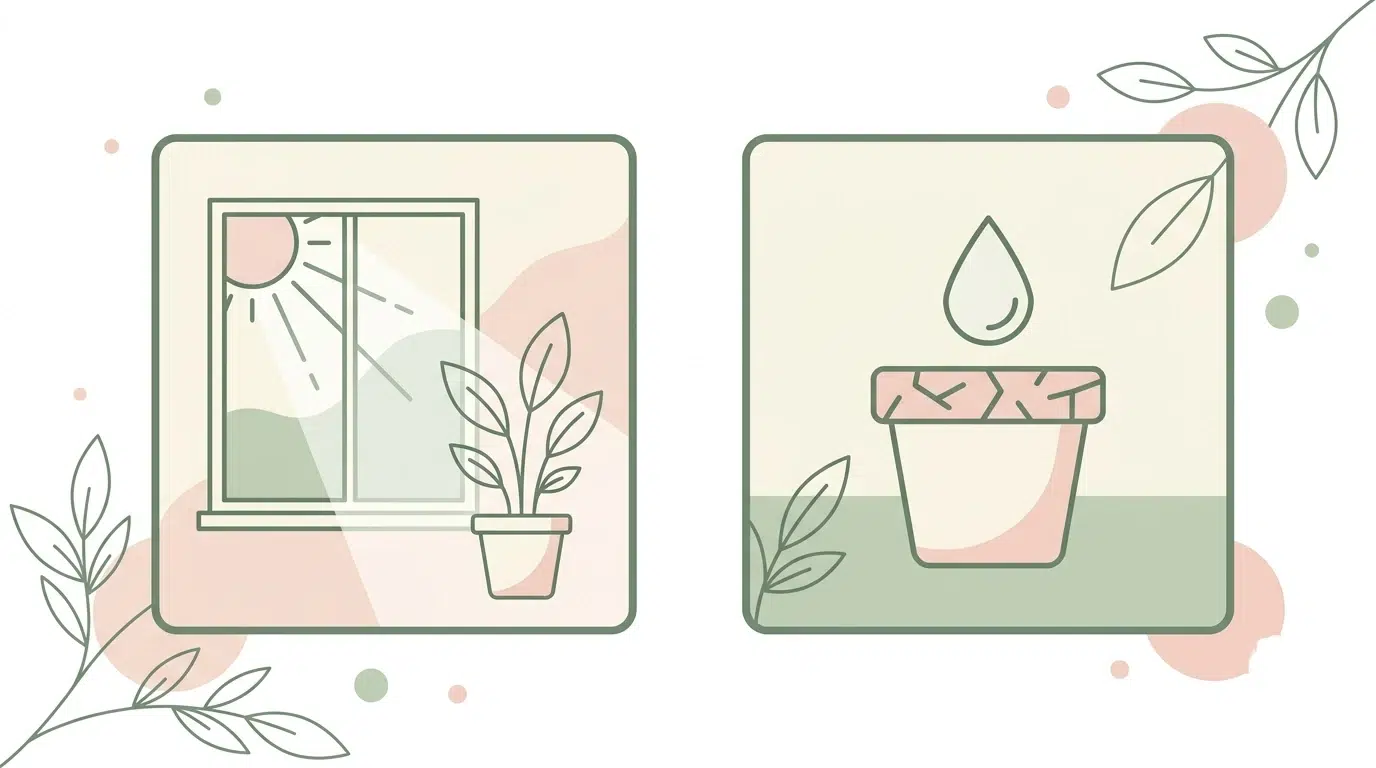
Hoya Compacta Variegata should be allowed to dry out between waterings. This mimics its natural epiphytic growing conditions, where roots are exposed to periods of dryness between rainfall. Watering only once the top two to three inches of soil are dry helps prevent root rot, which is the most common cause of decline in this plant.
Signs of overwatering include yellowing leaves, soft or mushy stems, and a sour smell from the soil. Signs of underwatering include wrinkled, deflated leaves that plump back up after watering. Watering frequency should be reduced in winter when growth slows and increased slightly during active growth in spring and summer.
A simple watering checklist:
- Check soil moisture with a finger or moisture meter before watering.
- Water thoroughly until it drains from the pot’s bottom.
- Discard excess water from the saucer.
- Reduce frequency in low-light or cooler months.
Best Soil Mix for Hoya Compacta
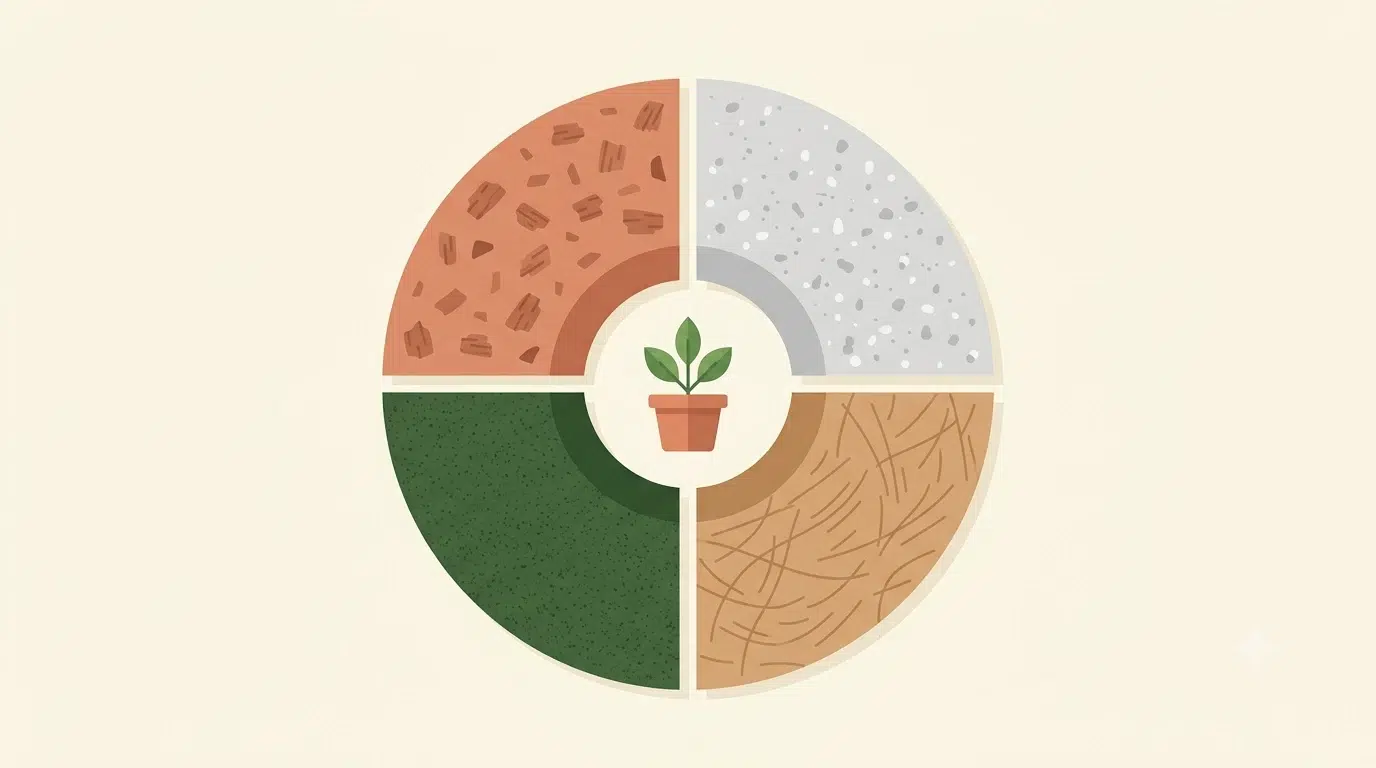
The best soil mix for Hoya Compacta is a chunky, fast-draining blend that prevents water from sitting around the roots. A combination of orchid bark, perlite, and coco coir replicates the airy substrate this epiphytic plant would experience in the wild.
| Component | Approximate Ratio | Purpose |
| Orchid bark | 40% | Aeration, mimics natural growing medium |
| Perlite | 30% | Drainage, prevents compaction |
| Coco coir | 20% | Moisture retention without waterlogging |
| Regular potting mix | 10% | Base nutrients and structure |
Pot Selection — Shallow vs. Deep, Hanging vs. Climbing
Hoyas generally prefer being slightly root-bound, so a snug pot supports better growth than an oversized one. Shallow-to-moderate depth pots work well since the root system is not extensive, and overly deep pots can hold excess moisture at the bottom. If you enjoy trailing vines like this one, you may also like our Ceropegia woodii Care Guide, another popular hanging houseplant with similar support needs.
Hoya Compacta Variegata can be grown either as a hanging plant, allowing its trailing vines to cascade, or trained to climb a small trellis or moss pole. Both methods are suitable; the choice depends on aesthetic preference, as the plant’s growth habit adapts to either support style.
Fertilizing Hoya Compacta
Hoya Compacta fertilizer needs are moderate. A balanced, water-soluble fertilizer diluted to half or quarter strength applied every four to six weeks during the active growing season (spring through summer) supports healthy foliage and blooming.
Miracle-Gro can be used for hoyas when diluted properly, as its balanced NPK ratio supports general growth. However, over-fertilizing should be avoided, since hoyas are light feeders and excess fertilizer can cause salt buildup, leading to root damage and leaf tip burn. Fertilizing should be paused or reduced in fall and winter when the plant is dormant.
Hoya Compacta Growth Rate and Plant Size
Hoya Compacta growth rate is slow to moderate, with new growth typically appearing during the warmer months. Indoors, mature plants generally reach one to three feet in trailing length, while outdoor specimens in favorable climates can grow considerably longer over several years.
Factors that speed up growth:
- Bright, consistent indirect light
- Warm temperatures (65–85°F / 18–29°C)
- Regular, appropriate watering
- Adequate humidity (40–60%)
Factors that slow down growth:
- Low light conditions
- Cold drafts or temperature fluctuations
- Inconsistent watering
- Being underpotted or overpotted
How to Get Hoya Compacta Variegata to Bloom
Hoya Compacta Variegata blooms when it receives sufficient bright light, has reached maturity, and experiences slightly stressed, root-bound conditions. Bloom triggers include consistent bright indirect light, a stable temperature range, and not disturbing the peduncles (the woody stems from which flowers emerge), since the plant reblooms from the same spurs each season.
It typically takes two to three years of consistent care for a Hoya Compacta Variegata to reach blooming maturity, though this varies based on growing conditions and how the plant was propagated.
Hoya Compacta Flowers — What to Expect
When mature, Hoya Compacta Variegata produces star-shaped flowers grouped in rounded clusters called umbels. The blooms are typically pale pink to white with a waxy texture and a subtle, sweet fragrance most noticeable in the evening. Flowering generally occurs in the warmer months, from late spring through summer, when light and temperature conditions are most favorable. To see how bloom characteristics vary across the genus, check out our Hoya Linearis Flower guide.
How to Propagate Hoya Compacta (Step-by-Step)
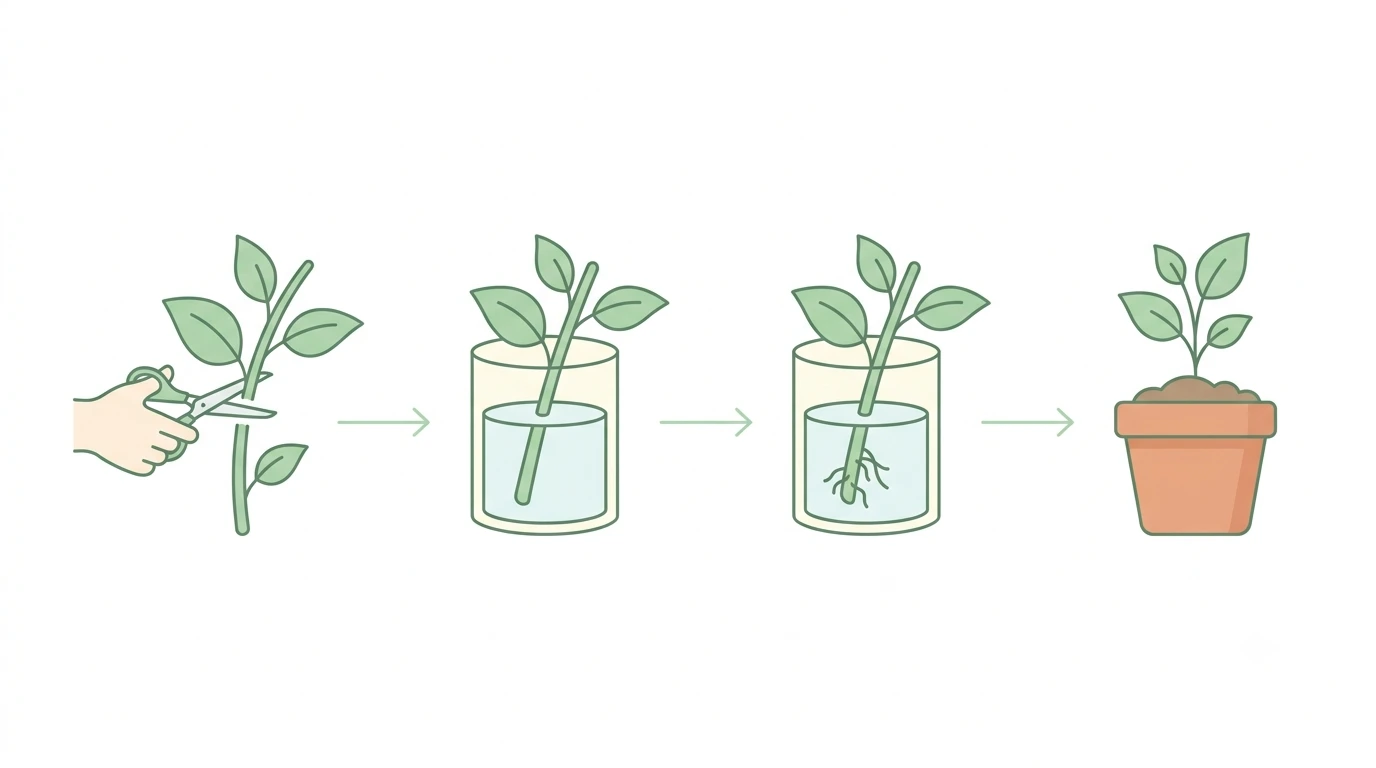
Hoya Compacta propagation is straightforward using stem cuttings. This method works for both water and soil propagation.
- Select a healthy stem with at least two to three nodes.
- Cut just below a node using clean, sharp scissors or shears.
- Remove any leaves near the bottom node that would sit in water or soil.
- Place the cutting in water or directly into a moist, well-draining soil mix.
- Keep in bright, indirect light and maintain consistent moisture.
- Roots typically develop within three to six weeks.
- Once roots are one to two inches long, transplant water-rooted cuttings into soil.
Propagating Variegated Hindu Rope for Best Variegation Retention
To preserve variegation in propagated cuttings, select stem sections that show a balanced mix of green and cream/pink coloring rather than cuttings that are mostly or entirely white. Cuttings with too little chlorophyll may struggle to root or grow, while all-green cuttings are more likely to revert and lose variegation entirely.
Repotting Hoya Rope Plant
Hoya Compacta Variegata should be repotted every two to three years, or when roots are visibly circling the pot or emerging from drainage holes. Because this plant tolerates and even prefers being root-bound, repotting should move it up only one pot size at a time rather than into a significantly larger container, consistent with the pot selection guidance above.
Is Hoya Compacta Hard to Grow?
Hoya Compacta is not hard to grow and is considered one of the easiest Hoya varieties to care for, making it well-suited for beginners. Its main care requirements — bright indirect light and infrequent watering — are straightforward to maintain once established. The primary challenges beginners face involve keeping light levels consistent enough to preserve variegation and avoiding overwatering.
Common Problems With Hoya Compacta and How to Fix Them
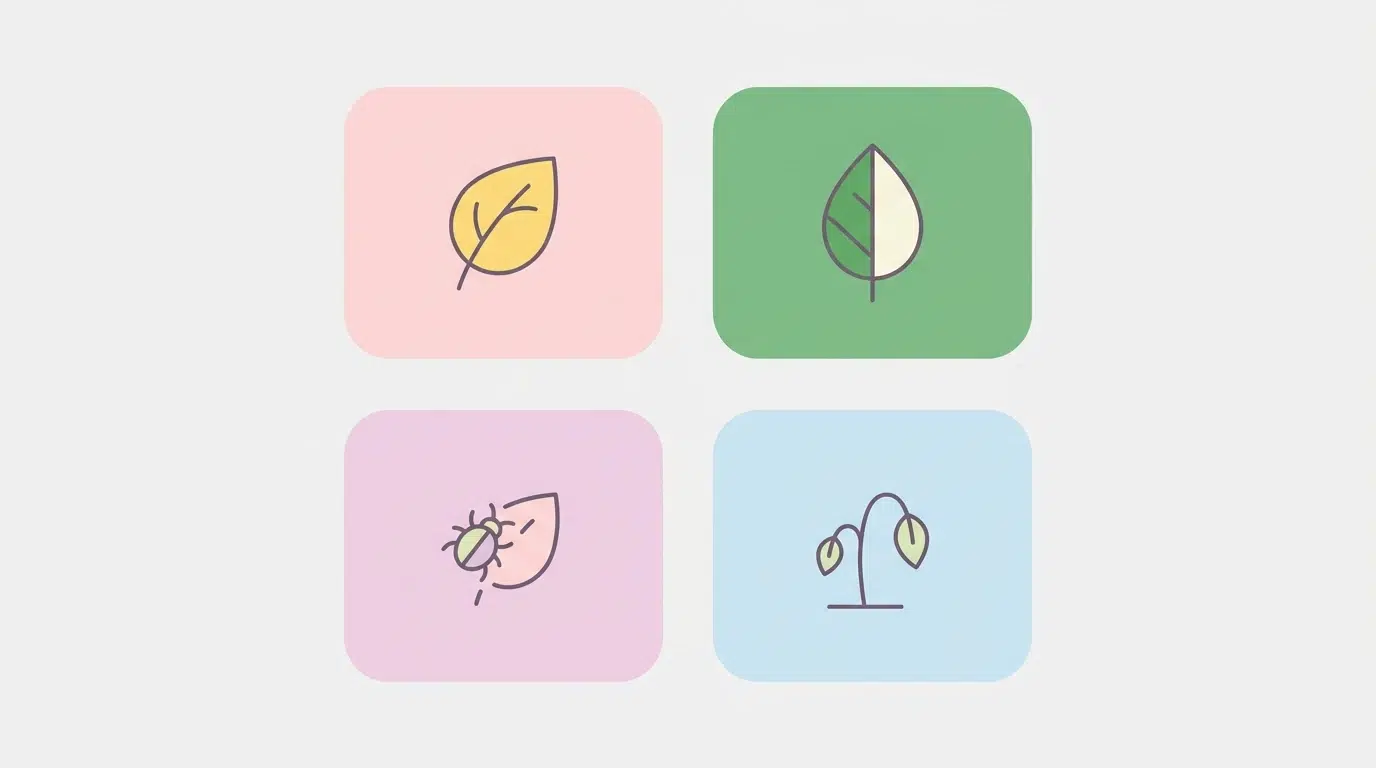
Yellowing leaves: Usually caused by overwatering or excessive direct light. Fix by allowing soil to dry fully between waterings and moving the plant out of direct sun; prevent by checking soil moisture before each watering.
Leaf loss or no variegation retention: Occurs when low light causes new growth to revert to solid green. Fix by relocating to a brighter spot; prevent by maintaining consistent bright indirect light year-round.
Pest infestations: Mealybugs and spider mites are the most common pests. Fix by wiping leaves with diluted isopropyl alcohol or insecticidal soap; prevent through regular leaf inspection and adequate airflow. For a detailed treatment plan, see our guide on Aphids on Houseplants: 8+ Proven Ways to Remove Them.
Slow or stalled growth: Often linked to low light, cold temperatures, or nutrient deficiency. Fix by adjusting placement and resuming a light feeding schedule during the growing season; prevent by maintaining stable warmth and light.
Failure to bloom: Typically due to insufficient light or an immature plant. Fix by increasing light exposure and being patient, since blooming maturity can take a few years; prevent by avoiding disturbance of existing peduncles.
Beginner Mistakes to Avoid With Variegated Hoya Compacta
- Overwatering before the soil has fully dried out.
- Placing the plant in low light, which causes variegation loss.
- Over-fertilizing, leading to salt buildup and root stress.
- Choosing a pot that is too large, which retains excess moisture.
Hoya Compacta Variegata Care Indoors vs. Climate Considerations
Indoors, Hoya Compacta Variegata does best in stable temperatures between 65–85°F (18–29°C) with moderate humidity around 40–60%. During colder months, watering should be reduced and the plant should be kept away from drafts, heating vents, and cold windowpanes. In climates with distinct seasons, such as much of Canada, this plant is typically grown as a year-round indoor houseplant, since outdoor temperatures fall well below its tolerance range for most of the year. In consistently warm, humid climates, it can be grown outdoors in filtered light with appropriate protection from intense sun.
Conclusion
Successful Hoya Compacta Variegata care depends on a consistent combination of bright indirect light, allowing the soil to dry between waterings, a chunky well-draining soil mix, and patience during propagation and blooming. Because this variegated Hindu rope plant tolerates being slightly root-bound and requires only moderate feeding, it remains manageable for both new and experienced plant owners. When light and watering fundamentals are followed, Hoya Compacta Variegata rewards consistent care with vigorous, uniquely patterned foliage and, over time, fragrant clusters of star-shaped blooms.
FAQs
What are the common problems with Hoya compacta?
The most common problems are yellowing leaves from overwatering, loss of variegation from low light, pest infestations like mealybugs and spider mites, slow or stalled growth, and failure to bloom.
How do I make my Hoya Compacta bloom?
Provide bright, consistent indirect light, allow the plant to mature for two to three years, keep it slightly root-bound, and avoid disturbing the peduncles where flowers emerge.
Is Hoya compacta hard to grow?
No, Hoya compacta is considered easy-to-moderate in difficulty and is a good choice for beginners, provided light and watering are kept consistent.
Do Hoyas like to hang or climb?
Hoyas can be grown either way; they adapt well to hanging baskets that let vines trail or to a trellis or moss pole for climbing, depending on preference.
Do Hoyas like shallow or deep pots?
Hoyas generally prefer shallow-to-moderate pots that keep them slightly root-bound, since overly deep pots can retain excess moisture around the roots.
How many years does it take for Hoya to flower?
It typically takes two to three years of consistent care for a Hoya Compacta Variegata to reach blooming maturity, depending on light, growing conditions, and propagation method.