
Last updated: September 2026
Introduction
Plants are essential living organisms that play a fundamental role in improving human health, enhancing living spaces, and supporting environmental balance. From indoor greenery that purifies air to outdoor landscapes that provide shade and biodiversity, plants are deeply connected to everyday life. According to environmental and health research, indoor plants can significantly improve air quality, reduce stress levels, and enhance overall well-being. In modern homes where indoor air pollution is often higher than outdoor levels, adding the right plants can make a measurable difference.
This complete guide on plants benefits and guides is designed to help you understand everything about plants—from their health advantages and environmental importance to practical care techniques and plant selection strategies.
Whether you are a beginner exploring indoor plants or someone planning a full garden setup, this pillar guide provides structured, easy-to-follow insights that will help you grow healthier plants and create a sustainable environment.
Popular indoor plants like ZZ plants, money plants, and spider plants are widely used for improving air quality and home aesthetics.
- ZZ Plant → Zamioculcas Zamiifolia Care Guide
- Money Plant → Japanese Money Plant Care
- Spider Plant → Spider Plant Indoor Benefits
Quick Summary
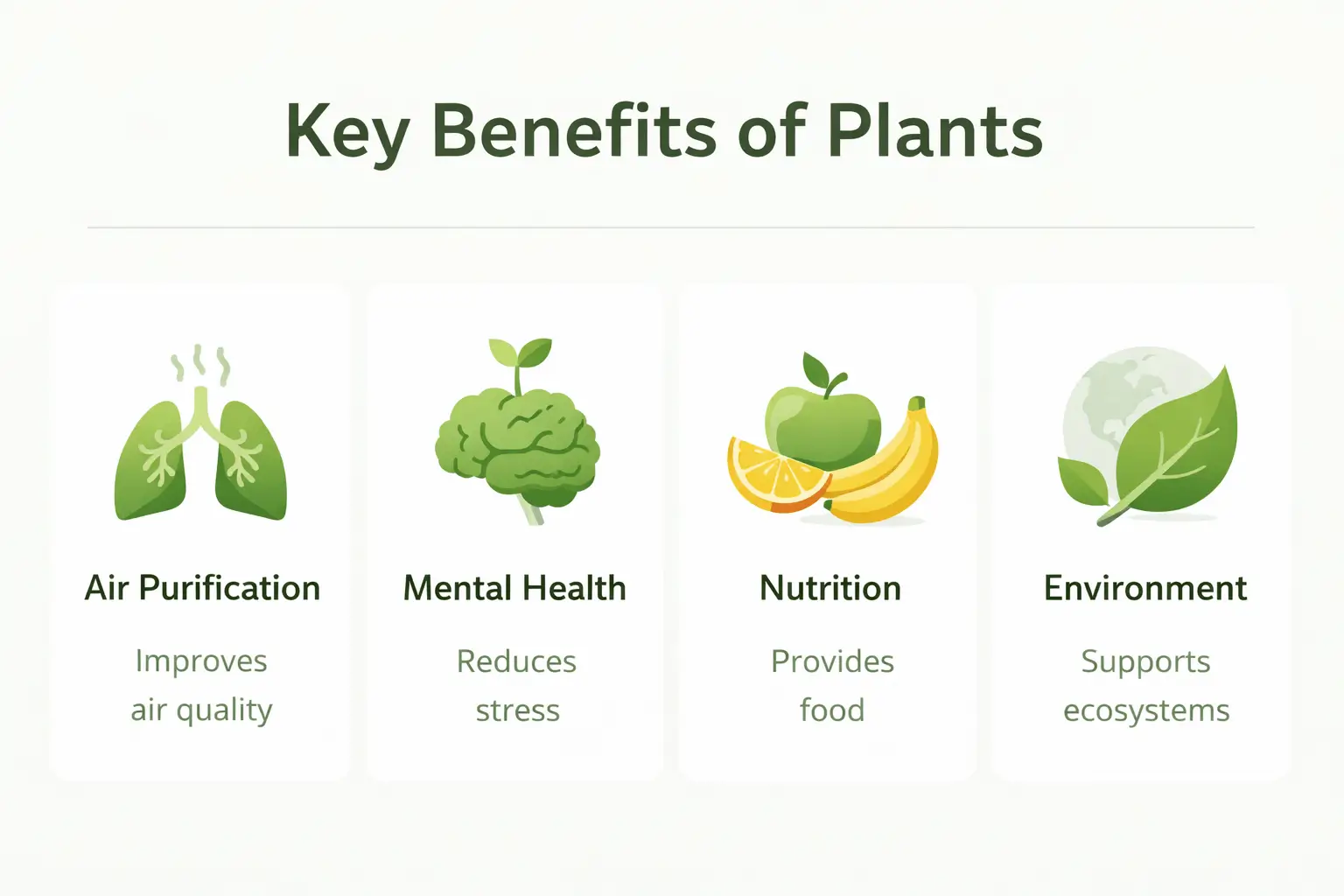
- Plants improve air quality and oxygen levels
- They support mental health and reduce stress
- Provide nutrition through fruits and edible plants
- Enhance home design and outdoor landscapes
- Require proper care including water, light, soil, and maintenance
Benefits of Plants for Health, Home & Environment
Physical Health and Air Quality Benefits
One of the most important aspects of plants benefits and guides is understanding how plants improve physical health. Plants naturally absorb carbon dioxide and release oxygen, helping to create a healthier indoor environment Studies in environmental science suggest that plants can help reduce indoor pollutants and improve humidity levels, contributing to better respiratory health and indoor comfort.
They also regulate humidity levels, which can reduce dryness and improve breathing comfort in enclosed spaces. Some plants are known for their ability to reduce indoor pollutants, making them highly effective for modern homes and offices.
✔ Key Air Quality Benefits
- Increase oxygen levels indoors
- Reduce airborne toxins
- Improve humidity balance
- Support respiratory health
Mental and Emotional Well-being
Plants play a powerful role in improving mental health. Being surrounded by greenery creates a calming effect, reducing stress and anxiety while improving overall mood Research in psychology and wellness environments has shown that exposure to greenery can lower stress hormones and improve cognitive performance in both home and office settings.
This is why indoor plants are widely used in homes, offices, and wellness spaces. They help increase focus, productivity, and emotional stability. Studies and scientific research on plants and mental health show that exposure to greenery can reduce stress levels, improve mood, and enhance cognitive performance.
✔ Mental Wellness Benefits
- Reduces stress and anxiety
- Improves mood and relaxation
- Enhances productivity
- Creates peaceful environments
Many indoor plants are specifically known for their wellness benefits and are commonly used in home environments.
Environmental and Ecological Benefits
Another key part of plants benefits and guides is understanding their environmental impact. Plants contribute to ecological balance by absorbing carbon dioxide and supporting biodiversity.
Outdoor plants provide habitats for wildlife, prevent soil erosion, and help regulate temperature. Native plants are especially important because they adapt well to local climates and require less maintenance. Plants play a vital role in maintaining ecological balance through the photosynthesis process in plants, which helps convert carbon dioxide into oxygen and supports life on Earth.
✔ Environmental Contributions
- Carbon absorption and oxygen release
- Soil stabilization
- Biodiversity support
- Climate regulation
Nutritional and Functional Benefits
Plants are also a major source of nutrition. Fruits, herbs, and edible plants provide essential vitamins, minerals, and antioxidants that support overall health. Many plant-based foods are used in daily diets, while others offer unique functional benefits such as medicinal properties or taste enhancement.
✔ Nutritional Advantages
- Rich in vitamins and minerals
- High antioxidant content
- Supports digestion
- Strengthens immunity
From practical gardening experience, incorporating a mix of indoor and outdoor plants creates a balanced environment that supports both physical health and mental relaxation. Many gardeners observe noticeable improvements in air freshness and mood when plants are consistently maintained.
Several tropical fruits are known for their powerful nutritional and health benefits.
📊 Benefits Overview
| Category | Key Impact |
| Health | Improved air quality & oxygen |
| Mental | Reduced stress & better focus |
| Environmental | Supports ecosystems & climate |
| Nutritional | Provides essential nutrients |
Types of Plants (Understanding Plant Categories)
Indoor Plants
Indoor plants are one of the most popular categories discussed in plants benefits and guides. They are grown inside homes and offices, making them ideal for improving air quality and enhancing interior spaces. These plants are usually low-maintenance and adaptable to low-light conditions, making them perfect for beginners and urban lifestyles.
Some of the most popular indoor plants include low-maintenance and decorative varieties commonly used in modern homes.
Like:
✔ Why Indoor Plants Are Popular
- Easy to maintain
- Suitable for small spaces
- Improve indoor air quality
- Enhance home aesthetics
Outdoor Plants
Outdoor plants include trees, shrubs, hedges, and ground covers that grow in natural environments. These plants are essential for landscaping, privacy, and environmental sustainability. Choosing the right outdoor plants depends on climate, soil conditions, and sunlight exposure. Proper selection ensures long-term growth and minimal maintenance.
Outdoor plants are often used for landscaping, privacy, and garden structure.
✔ Outdoor Plant Benefits
- Provide shade and cooling
- Improve landscape design
- Support biodiversity
- Enhance property value
Flowering Plants
Flowering plants are valued for their beauty, fragrance, and visual impact. They enhance both indoor and outdoor environments while attracting pollinators such as bees and butterflies.
These plants add seasonal color and life to gardens and decorative spaces.
✔ Features of Flowering Plants
- Vibrant colors
- Natural fragrance
- Attract pollinators
- Improve visual appeal
Edible and Fruit Plants
Edible plants are an essential part of plants benefits and guides, as they provide direct nutritional value. These include fruit-bearing plants, herbs, and vegetables.
Growing edible plants at home supports a healthy lifestyle and reduces dependence on processed foods.
✔ Benefits of Edible Plants
- Fresh and organic food
- Cost-effective gardening
- Nutritional advantages
- Sustainable living
Choosing the right plant type depends not only on space but also on climate and lifestyle. Experienced gardeners often recommend starting with low-maintenance plants before moving to more demanding species to ensure long-term success.
📊 Plant Types Comparison
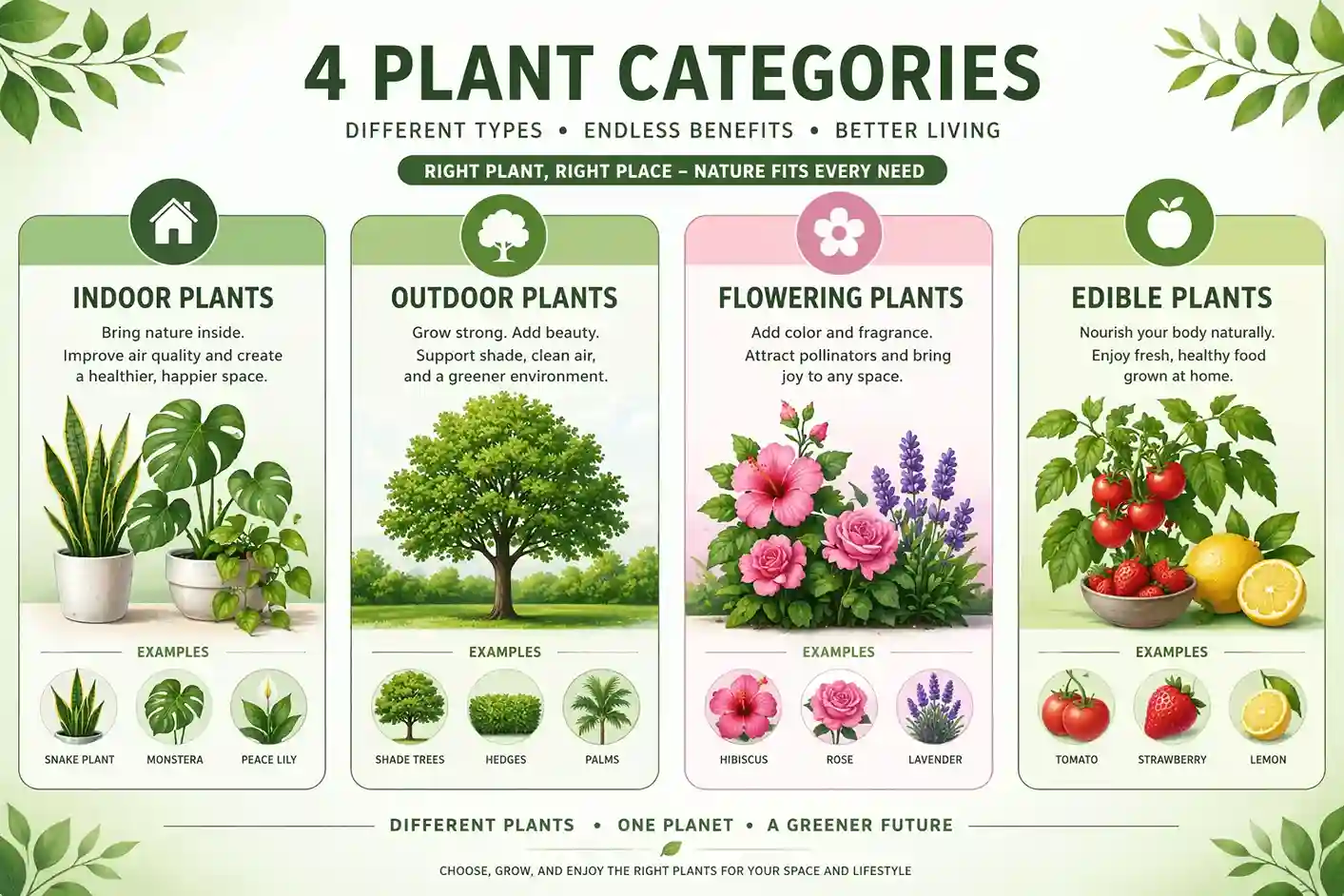
| Plant Type | Best Use | Maintenance Level |
| Indoor Plants | Homes & offices | Low |
| Outdoor Plants | Gardens & landscapes | Medium |
| Flowering Plants | Decoration | Medium |
| Edible Plants | Nutrition | Medium |
Fundamental Plant Care Principles
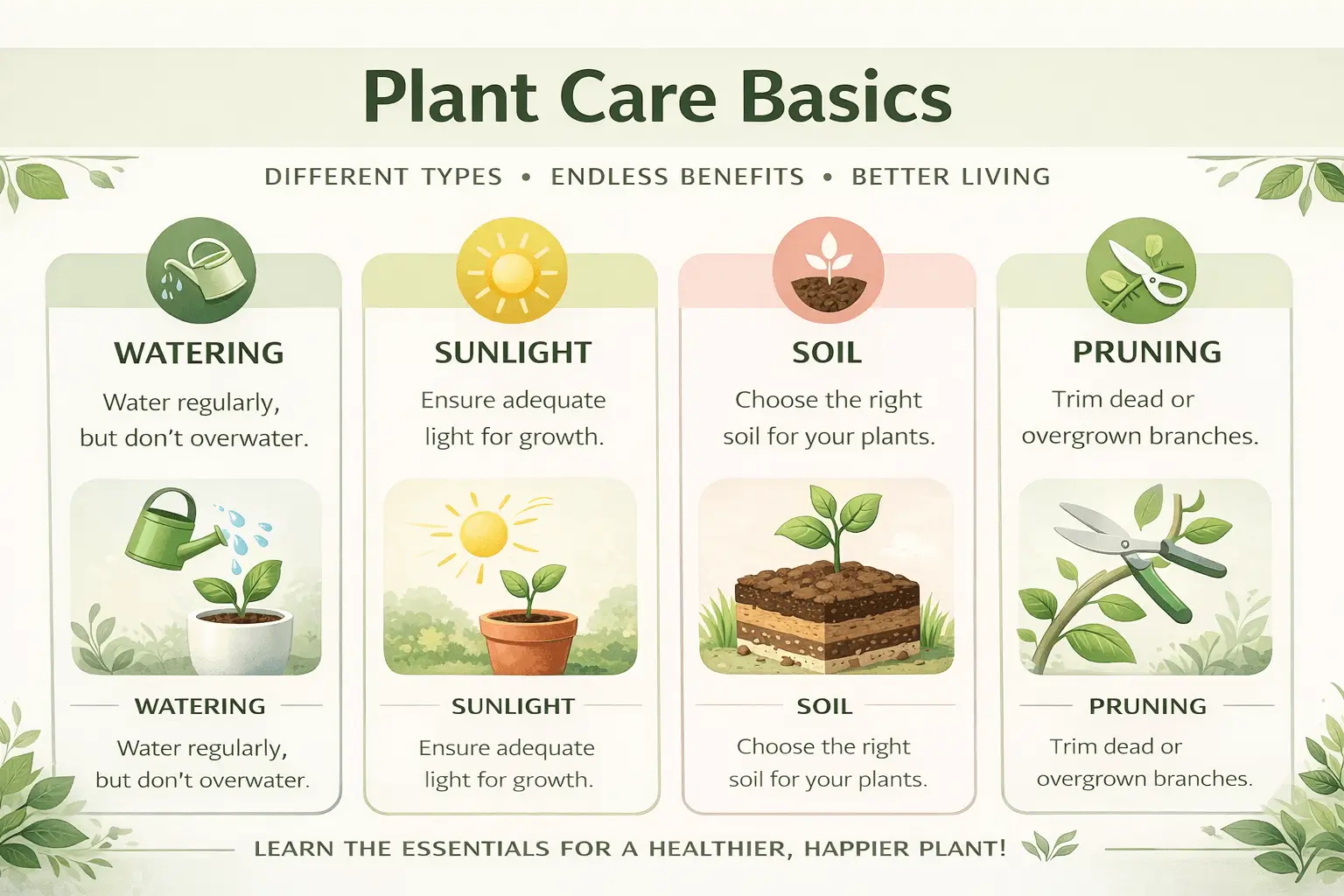
Watering Techniques
Watering is one of the most critical elements in plant care. Understanding how much and how often to water plants is essential for healthy growth. Overwatering can damage roots, while underwatering can cause plants to dry out. The right balance depends on plant type and environmental conditions.
✔ Watering Tips
- Avoid overwatering
- Check soil moisture regularly
- Use well-drained soil
- Adjust watering based on season
Some plants require specific soil moisture conditions, especially those that grow in wet environments.
How to Tell When Your Indoor Plant Actually Needs Water
Guesswork and fixed watering schedules are one of the fastest ways to kill a houseplant — most watering problems come from watering by the calendar instead of by the soil. A simple soil check tells you far more than a weekly reminder ever could.
The Finger Test and Other Simple Soil Checks
Insert a finger 1–2 inches into the soil: if it feels dry at that depth, it’s time to water; if it’s still cool or moist, wait. Beyond the finger test, a wooden skewer, a quick pot-weight check, or simply observing soil color are all reliable, tool-free ways to confirm moisture levels before you reach for the watering can.
Overwatering vs. Underwatering — Know the Difference
Yellow, soft, mushy leaves and soggy soil point to overwatering, while brown, crispy edges and soil pulling away from the pot point to underwatering. Because the two problems can look similar at a glance, checking the soil directly — rather than reacting to leaf symptoms alone — is the most reliable way to diagnose the issue correctly.
For the complete finger-test walkthrough, watering frequency guide, and troubleshooting steps, see the full guide: How to Check If Indoor Plant Needs Water.
Light Requirements
Light is essential for plant growth and photosynthesis. Different plants require different levels of sunlight, ranging from full sun to low-light conditions.
Providing the correct light ensures healthy development and prevents growth issues.
✔ Light Tips
- Place plants based on light needs
- Avoid direct harsh sunlight for indoor plants
- Use indirect light for sensitive plants
- Rotate plants for even growth
Soil and Drainage
Soil quality plays a major role in plant health. Well-drained soil prevents waterlogging and supports strong root development. Different plants require different soil compositions, so choosing the right type is important. For drought-adapted succulents, soil drainage is especially important; see our Titanopsis Calcareum care guide for its gritty, fast-draining soil requirements and watering approach.
Ground cover and lawn solutions also play an important role in maintaining soil health.
✔ Soil Tips
- Use well-draining soil
- Match soil type to plant needs
- Avoid compacted soil
- Improve soil with organic matter
Understanding soil composition and structure is essential for plant growth, as it directly affects nutrient availability, drainage, and root development.
Fertilizing Schedules: Bi-Weekly vs. Monthly
How often to feed a houseplant depends less on a fixed rule and more on the plant’s growth rate, the season, and the fertilizer type. Fast-growing tropical foliage plants like pothos and philodendrons generally do well on a diluted, bi-weekly schedule during active growth, while slow growers like succulents, ZZ plants, and snake plants are better suited to monthly or even less frequent feeding.
When Not to Fertilize
Feeding a dormant plant does more harm than good — nutrients that aren’t absorbed build up as salts in the soil and can damage roots. Most houseplants should stop receiving fertilizer by late fall and shouldn’t be fed again until spring growth resumes.
For a full comparison table, natural/DIY fertilizer options, and a seasonal feeding calendar, see: Bi-Weekly vs Monthly Fertilizing for Houseplants.
Increasing Humidity for Indoor Plants Naturally
Many popular houseplants — calatheas, ferns, orchids, and peace lilies among them — come from tropical environments where humidity regularly exceeds 60%, far higher than the typical home. Low humidity shows up as brown leaf tips, curling foliage, and slower growth, but you don’t need an electric humidifier to fix it.
Grouping plants together, using a pebble tray, or placing a bowl of water nearby can gradually raise humidity. Damp towels, wet sponges, and closed DIY terrarium layers can also help create humid environments for suitable humidity-loving plants.
Simple, No-Equipment Humidity Methods
Grouping plants together, using a pebble tray, or placing a bowl of water nearby all raise humidity gradually by increasing evaporation around the plant. Damp towels, wet sponges, and enclosed terrariums work the same way and are especially useful for humidity-loving species during the dry winter heating season. For a more controlled indoor growing environment, an IKEA Detolf greenhouse can be adapted into a compact cabinet for humidity-loving tropical plants.
Which Plants Should Not Be Misted
Succulents, cacti, and fuzzy-leaved plants like African violets don’t benefit from misting and can actually develop fungal issues from lingering leaf moisture — for these, better airflow matters more than added humidity.
For the full breakdown of DIY humidity methods, room-by-room placement tips, and a comparison with electric humidifiers, see: How to Increase Humidity for Indoor Plants Without a Humidifier.
Growth and Maintenance
Regular maintenance ensures long-term plant health. This includes pruning, fertilizing, and proper spacing.
These practices help plants grow stronger and maintain their shape.
✔ Maintenance Tips
- Prune regularly
- Fertilize when needed
- Maintain proper spacing
- Remove dead leaves
In real-world gardening, consistency matters more than perfection. Regular observation, minor adjustments, and understanding plant behavior over time are key factors that lead to healthy and long-lasting plant growth.
For gardeners who want to multiply their favourite houseplants at home, a DIY propagation station Dollar Tree guide can help you create a simple, affordable setup for rooting cuttings.
Choosing the Right Plants for Your Needs
Selecting the right plants is one of the most important aspects of successful gardening. Different plants serve different purposes, such as improving indoor environments, providing privacy, enhancing landscapes, or supporting local ecosystems.
Understanding your space, climate, and goals will help you choose plants that thrive with minimal effort.
Indoor Plants for Homes and Small Spaces
Indoor plants are ideal for apartments, offices, and compact living spaces. They require less maintenance and can grow well under controlled conditions.
When choosing indoor plants, consider:
- Light availability (low, medium, bright)
- Space limitations
- Maintenance level
- Aesthetic preference
✔ Best Indoor Plant Features
- Compact size
- Low watering needs
- Adaptable to low light
- Decorative foliage
Plants with unique textures, such as glossy or velvety leaves, can enhance interior design while also providing environmental benefits.
Plants for Privacy and Screening
Privacy is one of the most common reasons people grow plants outdoors. Screening plants help block unwanted views, reduce noise, and create a peaceful environment. These plants are widely used in residential gardens, especially in urban areas.
Fast-growing plants are often used to create natural privacy screens in residential gardens.
✔ Benefits of Screening Plants
- Natural privacy barrier
- Noise reduction
- Wind protection
- Improved garden structure
Fast-growing plants are ideal for quick results, especially when creating privacy screens.
Choosing Plants Based on Window Direction
Light direction changes everything about which plants will thrive in a given spot. A west-facing window delivers 3–5 hours of strong, hot afternoon sun — very different from the gentle morning light of an east-facing window or the low indirect light of a north-facing one.
Best Plants for West-Facing Windows
Heat- and sun-tolerant species like succulents, cacti, snake plants, croton, and flowering plants such as hibiscus and geranium thrive in this intense afternoon exposure, while shade-loving plants like ferns and calatheas are more likely to scorch if placed too close to the glass.
For the full plant list, window-direction comparison table, and seasonal care adjustments, see: Plants for West Facing Window Guide.
Trees, Hedges and Landscaping Plants
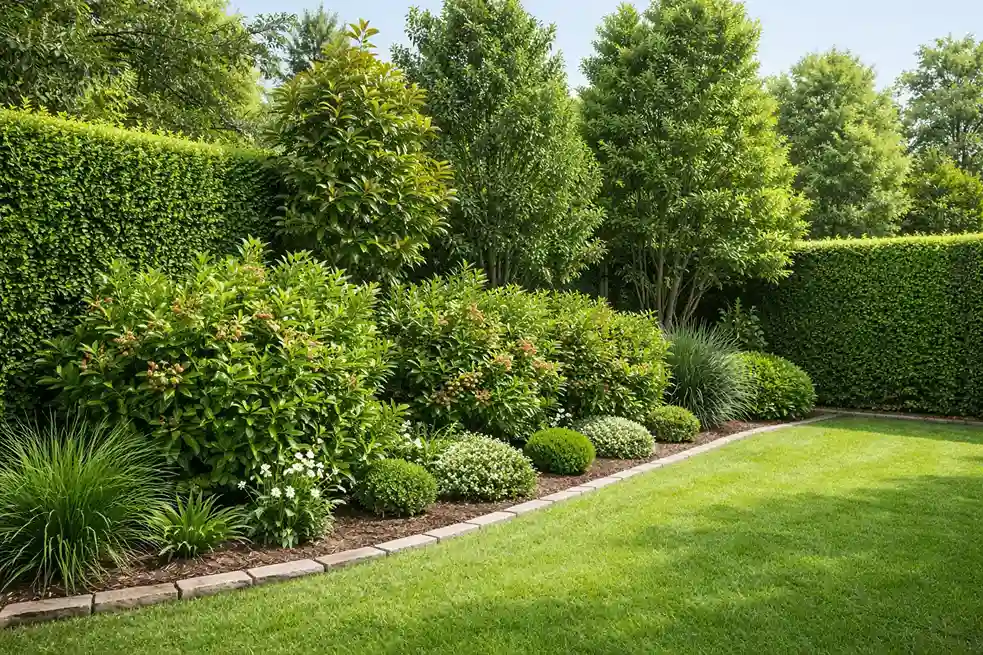
Trees and hedges are essential components of outdoor landscapes. They provide structure, shade, and long-term environmental benefits.
Fast-Growing Trees for Shade and Privacy
Fast-growing trees are perfect for homeowners who want quick results. These trees provide shade, reduce heat, and improve outdoor comfort.
✔ Advantages of Fast-Growing Trees
- Rapid growth rate
- Immediate visual impact
- Effective shade coverage
- Cooling effect for homes
Trees with wide canopies are especially useful for creating shaded areas in gardens and driveways.
Evergreen Trees for Year-Round Coverage
Evergreen trees maintain their foliage throughout the year, making them ideal for consistent privacy and greenery.
✔ Why Choose Evergreen Trees
- Year-round privacy
- Low seasonal maintenance
- Consistent landscape appearance
- Suitable for hedging and screening
These trees are particularly useful in regions where seasonal plant loss affects garden aesthetics. For a compact evergreen option, see our Moon Frost Canadian Hemlock guide, which covers its dwarf size, slow growth, light requirements, and moisture needs.
Trees for Driveways and Landscaping
Trees planted along driveways or pathways create a structured and visually appealing landscape. They also provide shade and improve property value.
✔ Landscaping Benefits
- Enhances curb appeal
- Provides shade for vehicles
- Creates organized garden layout
- Improves overall aesthetics
Lilly Pilly Plants (Complete Hedging and Screening System)
Lilly pilly is one of the most popular hedging plants, especially in Australia. It is widely used for privacy screens, garden borders, and decorative hedges. This plant is highly versatile, fast-growing, and adaptable to different conditions.
Lilly pilly plants are one of the most widely used hedging solutions due to their fast growth and dense foliage. Different varieties offer unique benefits depending on hedge size, spacing, and maintenance needs.
- Types of Lilly Pilly
- Best Lilly Pilly for Screening
- How Far Apart to Plant Lilly Pilly
- Lilly Pilly vs Murraya
- Do Lilly Pillies Have Invasive Roots
Why Lilly Pilly is Ideal for Hedges
Lilly pilly plants are preferred because they:
- Grow quickly
- Respond well to pruning
- Create dense foliage
- Adapt to different climates
✔ Key Advantages
- Excellent for privacy hedges
- Easy to maintain
- Suitable for formal and informal gardens
- Strong growth performance
Choosing the Right Lilly Pilly Variety
Different varieties of lilly pilly offer different heights, growth patterns, and visual characteristics. Selecting the right type depends on your specific needs.
✔ What to Consider
- Desired hedge height
- Growth speed
- Climate compatibility
- Maintenance level
Spacing and Growth Management
Proper spacing is essential to achieve a dense and healthy hedge. Incorrect spacing can lead to poor airflow and uneven growth.
✔ Spacing Tips
- Maintain equal distance between plants
- Allow room for root expansion
- Prune regularly for shape
- Monitor growth patterns
Common Comparisons in Hedging Plants
When choosing hedging plants, people often compare lilly pilly with other options to determine the best fit.
✔ Comparison Factors
- Growth rate
- Density
- Maintenance
- Root system behavior
Understanding these factors helps in making better planting decisions.
Australian Gardening (Climate-Based Plant Selection)
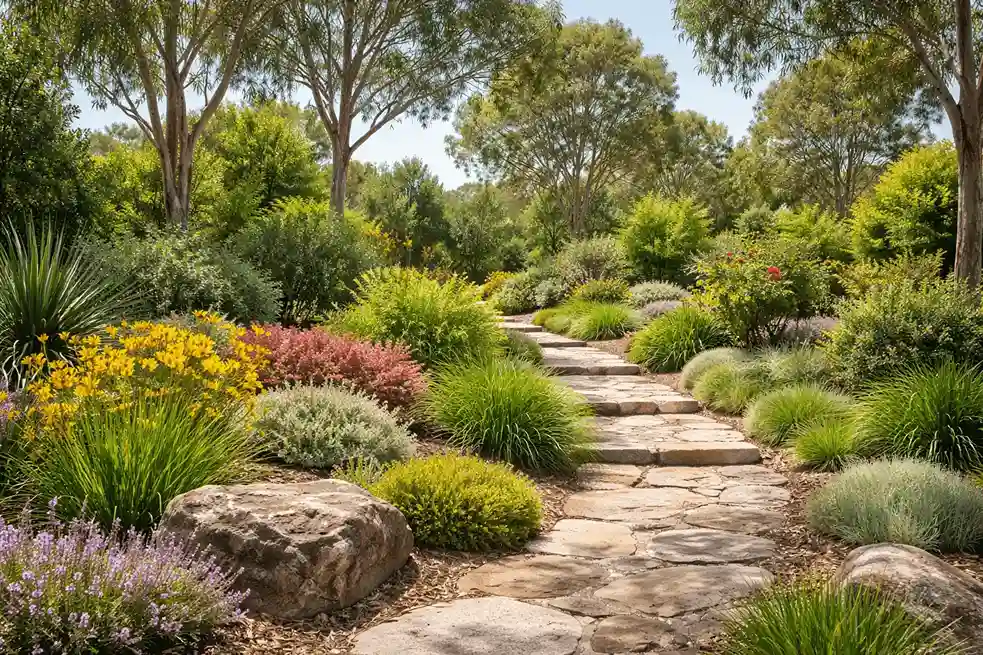
Australia has unique climate conditions, which means plant selection must be adapted to local environments. Choosing climate-appropriate plants reduces maintenance and improves long-term success.
In Australian climates, plant selection must align with seasonal patterns and local conditions for long-term success.
- Brisbane Planting Guide
- Australian Native Plants That Repel Mosquitoes
- Easy Low Maintenance Australian Native Garden Guide
Native Plants for Sustainable Gardening
Native plants are highly recommended because they are naturally adapted to local conditions. They require less water, fewer fertilizers, and minimal care.
✔ Benefits of Native Plants
- Drought tolerance
- Low maintenance
- Supports local wildlife
- Better survival rate
Seasonal Planting and Climate Planning
Understanding seasonal changes helps ensure plants grow at the right time and under optimal conditions.
✔ Seasonal Gardening Tips
- Plant according to climate zones
- Adjust watering in different seasons
- Protect plants from extreme weather
- Choose season-appropriate species
Low Maintenance Garden Design
Modern gardening focuses on low-maintenance solutions that reduce effort while maintaining visual appeal.
✔ Features of Low Maintenance Gardens
- Drought-resistant plants
- Minimal pruning requirements
- Efficient irrigation systems
- Long-lasting plant choices
Ground Cover and Lawn Solutions
Ground cover plants and lawns are essential for completing garden landscapes. They help control weeds, retain moisture, and improve overall aesthetics.
Ground Cover Plants
Ground cover plants spread across the soil surface, preventing erosion and reducing maintenance needs.
✔ Benefits of Ground Cover
- Reduces weed growth
- Retains soil moisture
- Improves visual appeal
- Requires minimal care
Lawn Alternatives
Low-maintenance lawn options are becoming increasingly popular due to water conservation and ease of care.
✔ Lawn Benefits
- Minimal mowing required
- Water-efficient
- Durable and long-lasting
- Ideal for modern gardens
📊 Quick Comparison: Outdoor Plant Uses
| Plant Type | Main Purpose | Benefit Level |
| Trees | Shade & structure | High |
| Hedges | Privacy & borders | High |
| Native Plants | Sustainability | High |
| Ground Cover | Soil protection | Medium |
| Lawn | Open space aesthetics | Medium |
Fruit Plants, Nutrition and Health Benefits
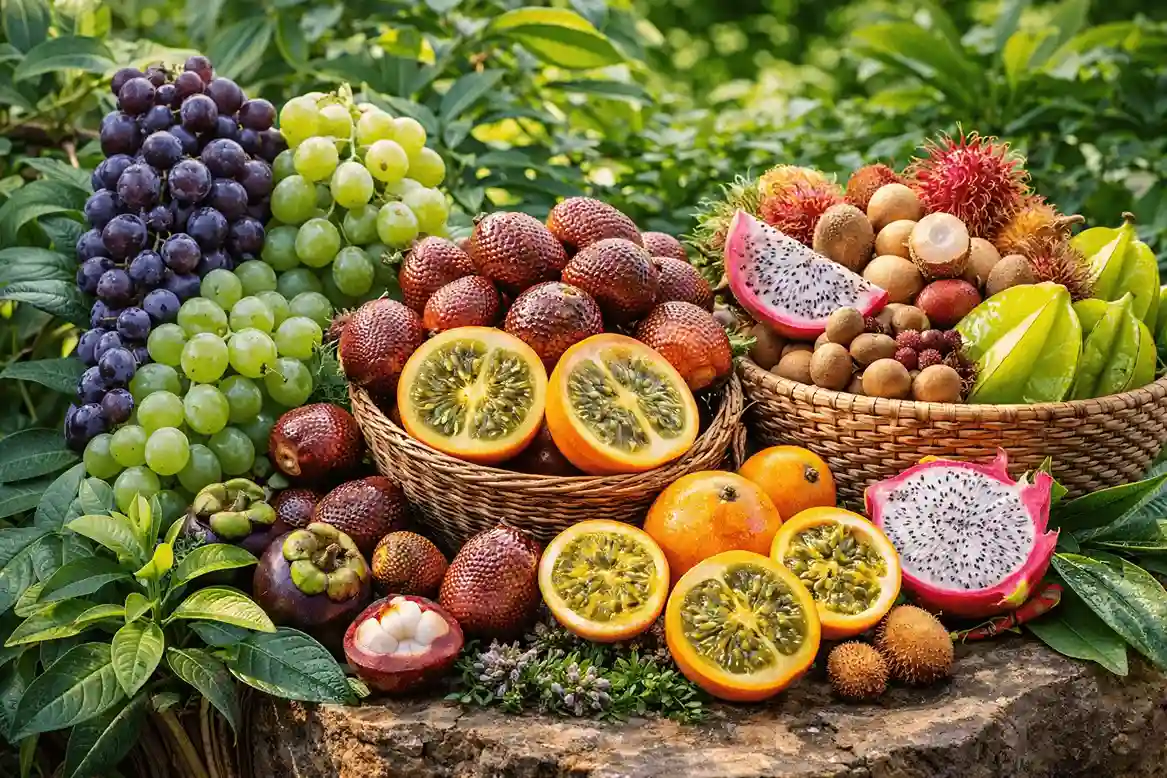
Fruit-bearing plants are an essential part of plants benefits and guides, offering both nutritional value and functional health benefits. They are widely used in home gardening and commercial cultivation due to their ability to provide fresh, organic food.
Fruits are rich in vitamins, minerals, antioxidants, and fiber, making them a vital component of a healthy lifestyle. Many fruit plants provide both nutritional value and health benefits, making them essential in plant-based diets.
Tropical and Exotic Fruits
Tropical fruits are known for their high nutrient content and unique health benefits. Many of these fruits are used in traditional medicine and modern diets.
✔ Benefits of Tropical Fruits
- High in antioxidants
- Support immune system
- Improve digestion
- Promote healthy skin
These fruits are especially valuable for their diverse nutritional profiles and functional properties.
Fruits are also commonly consumed in different forms such as juices and teas.
Grapes and Edible Plant Varieties
Grapes are among the most widely consumed fruits and are valued for their taste, versatility, and health benefits.
✔ Benefits of Grapes
- Rich in antioxidants
- Supports heart health
- Improves hydration
- Contains natural sugars for energy
Different grape varieties offer unique flavors and nutritional values, making them a popular choice for home gardens.
Fruit-Based Beverages and Consumption
Fruits are often consumed in the form of juices and teas, which provide hydration along with essential nutrients.
✔ Benefits of Fruit Beverages
- Easy to consume
- Hydrating and refreshing
- Rich in vitamins
- Supports detoxification
Fruit-based drinks are an excellent way to include plant-based nutrition in daily routines.
📊 Fruit Benefits Overview
| Category | Key Advantage |
| Tropical Fruits | High nutrition & antioxidants |
| Grapes | Energy & heart health |
| Fruit Drinks | Hydration & detox |
Common Plant Care Mistakes to Avoid
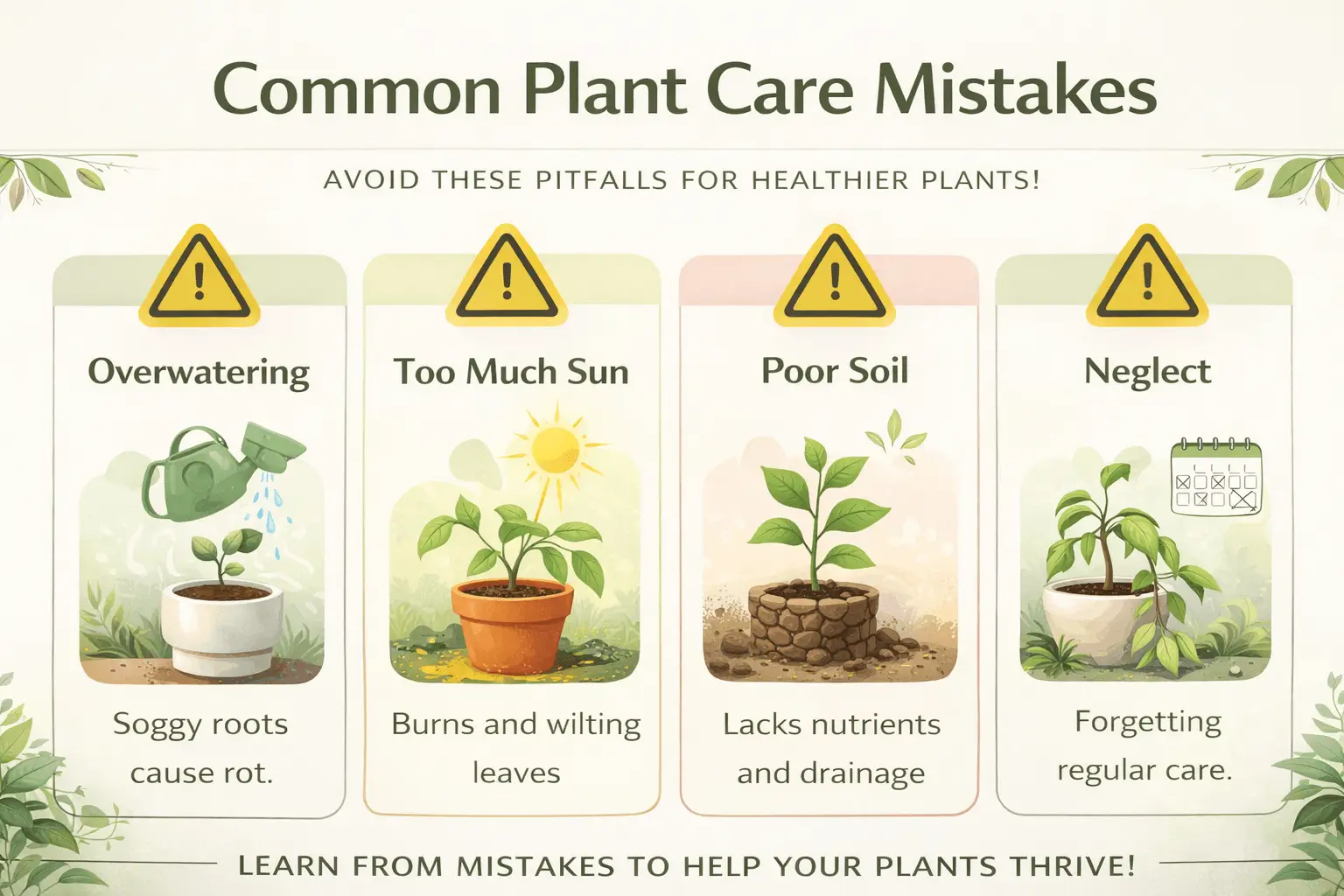
Even with proper knowledge, mistakes in plant care can lead to poor growth or plant failure. Understanding these common issues helps prevent long-term damage.
Overwatering and Root Damage
Overwatering is one of the most common mistakes. Excess water can lead to root rot, which damages the plant’s ability to absorb nutrients.
✔ How to Avoid
- Check soil before watering
- Use well-draining soil
- Avoid water stagnation
Understanding plant characteristics can help avoid common mistakes and improve care techniques.
Incorrect Light Exposure
Providing too much or too little light can affect plant growth. Each plant has specific light requirements that must be followed.
✔ How to Avoid
- Understand plant light needs
- Adjust plant placement
- Avoid direct harsh sunlight for sensitive plants
Poor Soil Selection
Using the wrong soil type can restrict root growth and nutrient absorption.
✔ How to Avoid
- Choose soil based on plant type
- Ensure proper drainage
- Add organic matter when needed
Lack of Maintenance
Neglecting pruning, fertilizing, and cleaning can weaken plants over time.
✔ How to Avoid
- Prune regularly
- Remove dead leaves
- Fertilize as required
Regular leaf maintenance is also important because dust can interfere with light reaching the foliage. For practical cleaning methods, see our guide on how to clean plant leaves safely.
Seasonal Plant Care Tips
Plants require different care strategies depending on the season. Adjusting care routines ensures consistent growth throughout the year.
Summer Care
- Increase watering frequency
- Provide shade where needed
- Prevent soil drying
Winter Care
- Reduce watering
- Protect plants from frost
- Maintain indoor conditions
Year-Round Care
- Monitor plant health
- Adjust care routines
- Maintain soil quality
🌿 Quick Care Checklist
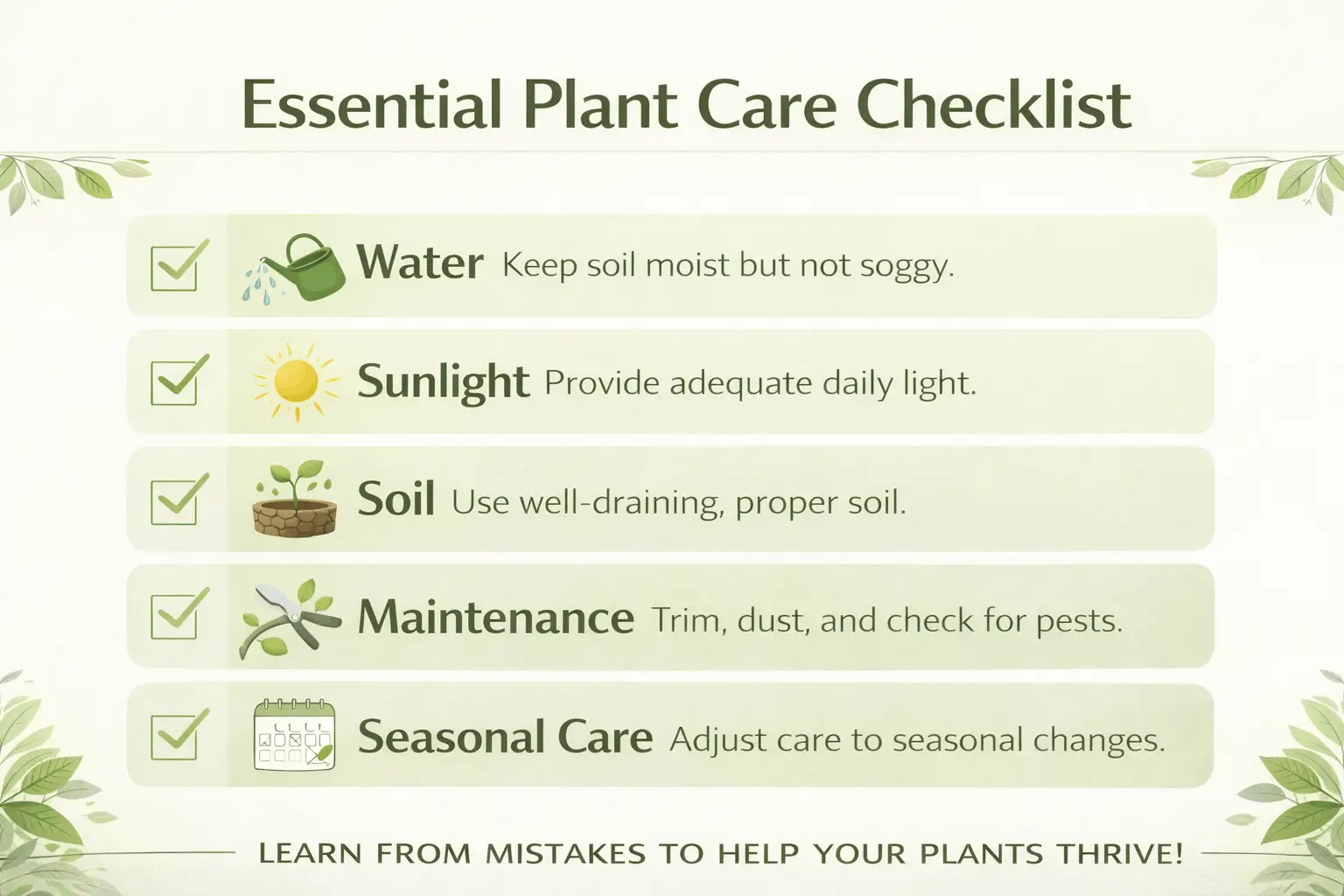
- Water according to plant needs
- Provide correct light exposure
- Use suitable soil
- Maintain regular care routine
- Monitor seasonal changes
How Season Affects Indoor Plant Growth
Indoor plants aren’t fully isolated from the outdoors — daylight hours, sun angle, and indoor heating or cooling all shift with the seasons and directly influence how fast a plant grows, flowers, or rests. Growth is typically fastest in spring and summer, when light and warmth peak, and slows noticeably in fall and winter as day length shortens. If you’re unsure which conditions may be limiting your plant’s current growth, use the Plant Growth Calculator to assess factors such as light, watering, fertilizing, pot size, humidity, temperature, and season.
The Five Seasonal Growth Factors
Light, temperature, water, humidity, and nutrient uptake all fluctuate with the seasons, which is why care routines — watering frequency, fertilizing, and even plant placement — should shift throughout the year rather than staying fixed.
Common Seasonal Mistakes
Overwatering in winter is one of the most frequent issues, since watering habits often don’t adjust even as plant growth (and water demand) slows dramatically. Fertilizing during dormancy causes similar problems.
For the full seasonal growth mechanisms, a low-light-winter vs. high-light-summer plant comparison, and flowering triggers, see: How Does Season Affect Indoor Plant Growth.
Conclusion
Plants are an essential part of healthy living, sustainable environments, and visually appealing spaces. From improving air quality and mental well-being to providing nutritional benefits and enhancing landscapes, plants offer a wide range of advantages.
This complete guide on plants benefits and guides has covered everything from plant types and care fundamentals to trees, hedges, fruits, and common mistakes. By understanding these concepts, you can create a thriving indoor or outdoor plant environment that is both functional and beautiful.With increasing awareness around sustainable living and indoor wellness, plants are now considered an essential part of modern lifestyle design rather than just decorative elements.
Whether you are starting small with indoor plants or building a full garden, the right knowledge and approach will help you achieve long-term success.
As plant-based living continues to grow in importance, integrating the right plants into your space is no longer optional—it’s a smart and sustainable lifestyle choice.
Frequently Asked Questions (FAQs)
What are the main benefits of plants?
Plants improve air quality, support mental health, provide nutrition, and contribute to environmental sustainability.
Which plants are best for beginners?
Low-maintenance indoor plants are best for beginners because they require minimal care and adapt easily to indoor environments.
How often should plants be watered?
Watering depends on plant type, soil, and climate. It is best to check soil moisture before watering.
Do plants really improve air quality?
Yes, plants can help improve air quality by absorbing carbon dioxide and releasing oxygen.
What are the easiest indoor plants to grow?
Plants that require low light and minimal watering are generally the easiest to grow indoors.
Which plants grow best in hot climates?
Drought-resistant and native plants grow best in hot climates because they are adapted to local conditions.
What is the best soil for plants?
Well-drained, nutrient-rich soil is ideal for most plants.
How can I improve plant growth?
Provide proper water, light, soil, and regular maintenance.
What are the benefits of fruit plants?
Fruit plants provide essential nutrients, antioxidants, and fresh food sources.
Can plants reduce stress?
Yes, plants create calming environments that help reduce stress and improve mood.
What are the best plants for privacy?
Fast-growing hedges and trees are ideal for creating privacy screens.
How do I choose the right plant?
Consider your climate, space, light availability, and maintenance level.
Are native plants better?
Yes, native plants require less maintenance and adapt better to local conditions.
What are common plant care mistakes?
Overwatering, poor lighting, wrong soil, and lack of maintenance.
Do plants need fertilizer?
Yes, most plants benefit from proper fertilization for healthy growth.
Can plants grow indoors without sunlight?
Some plants can grow in low-light conditions but still need indirect light.



81 Responses