Introduction
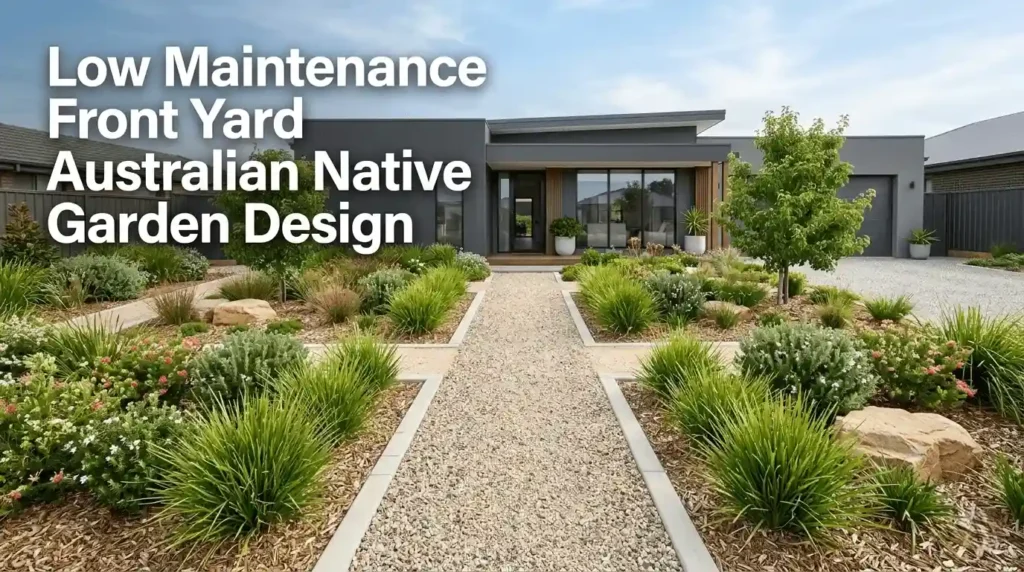
A low maintenance front yard Australian native garden design focuses on creating a sustainable, water-efficient, and visually appealing outdoor space using plants native to Australia. These gardens are adapted to local climates, meaning they require less watering, fertilizing, and pruning compared to exotic landscapes. By using drought-tolerant species and smart layout planning, homeowners can achieve a naturally beautiful front yard that supports biodiversity and reduces long-term maintenance effort.
Quick Summary
- Australian native plants offer low-maintenance front yard designs suited to local soils and weather, minimizing watering and pruning needs.
- Drought-tolerant species create simple, modern layouts that enhance curb appeal with minimal upkeep.
- Key benefits include cost savings, pest resistance, and environmental sustainability.
- Ideal for beginners seeking easy-care landscaping in Australian conditions.
- Smart plant selection and grouping significantly reduce long-term maintenance.
Core Principles of Low Maintenance Australian Native Front Yard Design
Sustainable Plant Selection
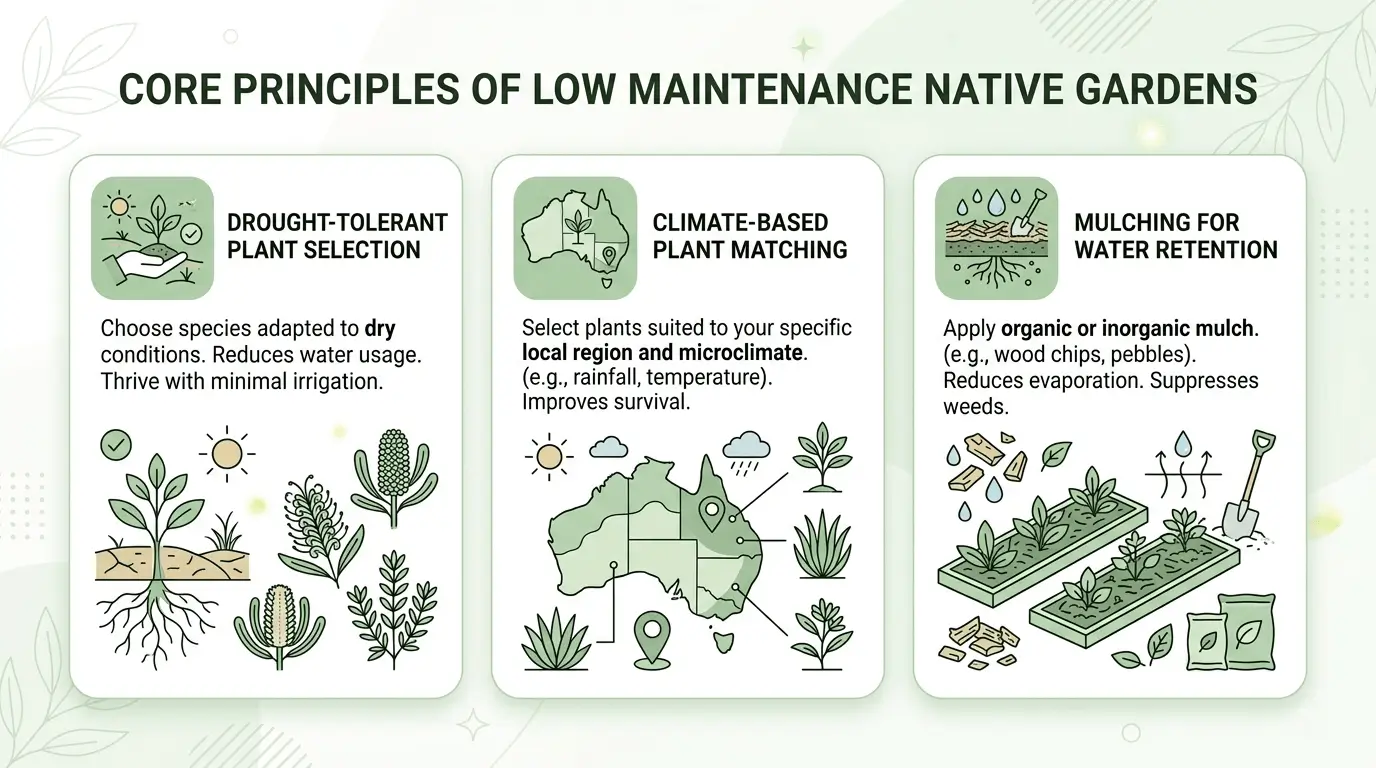
A low maintenance front yard Australian native garden design is built on selecting plants naturally adapted to Australia’s climate, soil, and rainfall patterns. This reduces dependency on artificial irrigation and fertilizers. To understand the ecological importance of native plants in landscaping, Australian vegetation plays a key role in biodiversity and soil adaptation, as explained in the concept of Wikipedia: Australian flora.
Water Efficiency Strategies
- Prioritize drought-tolerant native plants
- Match species to local climate zones
- Reduce irrigation needs by up to 50%
Soil and Moisture Management
- Use mulch to retain soil moisture
- Improve drainage in heavy soils
- Group plants with similar water needs
Selecting Low Maintenance Australian Native Plants for Front Yards
Best Small Australian Native Plants
Choosing the right species is essential for creating structured, attractive landscapes with minimal upkeep.
If you are planning a structured landscape, combining 7+ Essential Types of Westringia for Hedges & Gardens, Lilly Pilly Privacy Screen: 7+ Essential Growing Tips, and 10+ Fast Growing Australian Native Screening Plants Guide can help create a dense, low-maintenance, and visually balanced front yard design.
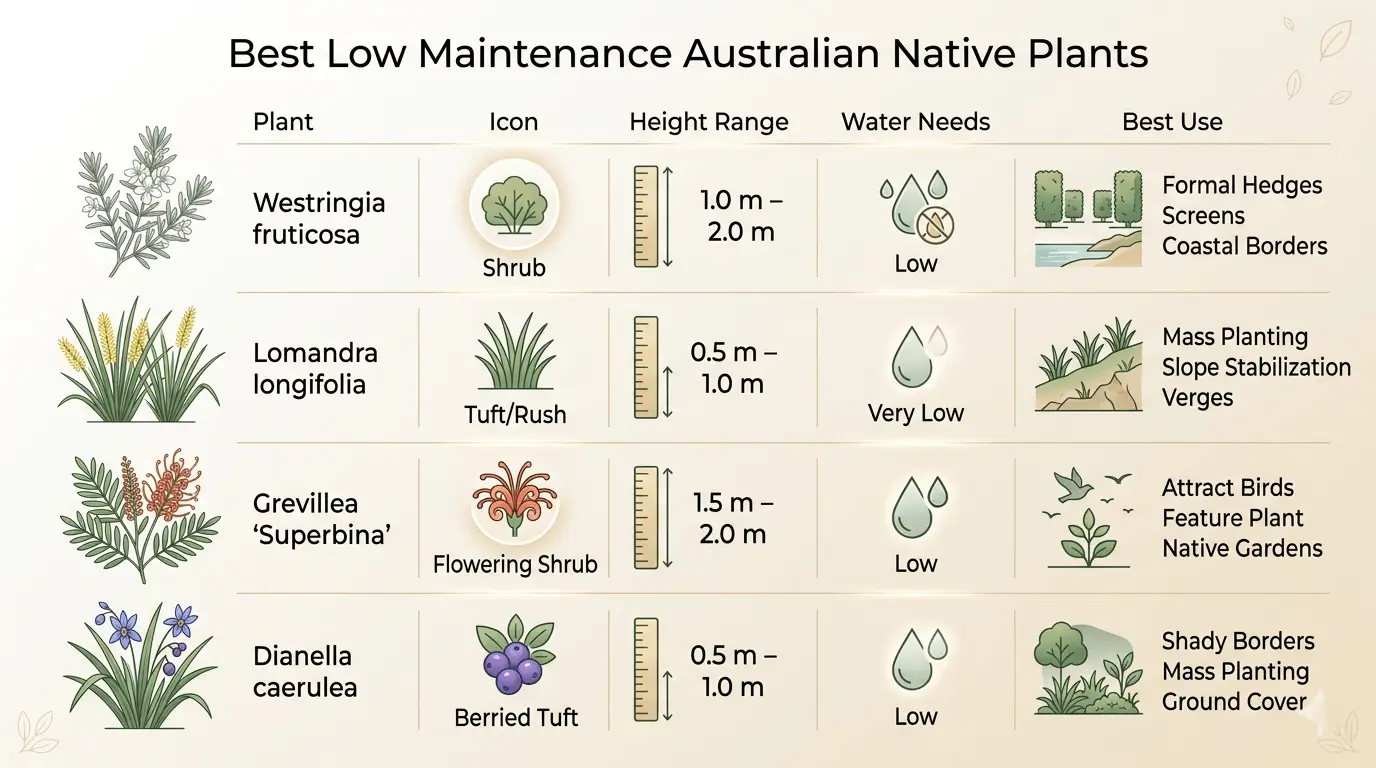
Table: Popular Low Maintenance Australian Native Plants
| Plant Name | Mature Size (H x W) | Light Needs | Water Needs | Best For |
| Westringia fruticosa | 1–2m x 1–2m | Full sun/partial shade | Low | Hedges, borders |
| Lomandra longifolia | 0.6–1m x 0.8m | Full sun | Very low | Groundcover |
| Grevillea ‘Superbina’ | 0.5–1m x 1m | Full sun | Low | Colour accents |
| Dianella caerulea | 0.5m x 0.5m | Partial shade | Low | Edging |
Key Landscape Benefits
- Supports pollinators
- Low water dependency
- Ideal for modern minimalist gardens
Designing Simple Front Yard Native Garden Layouts
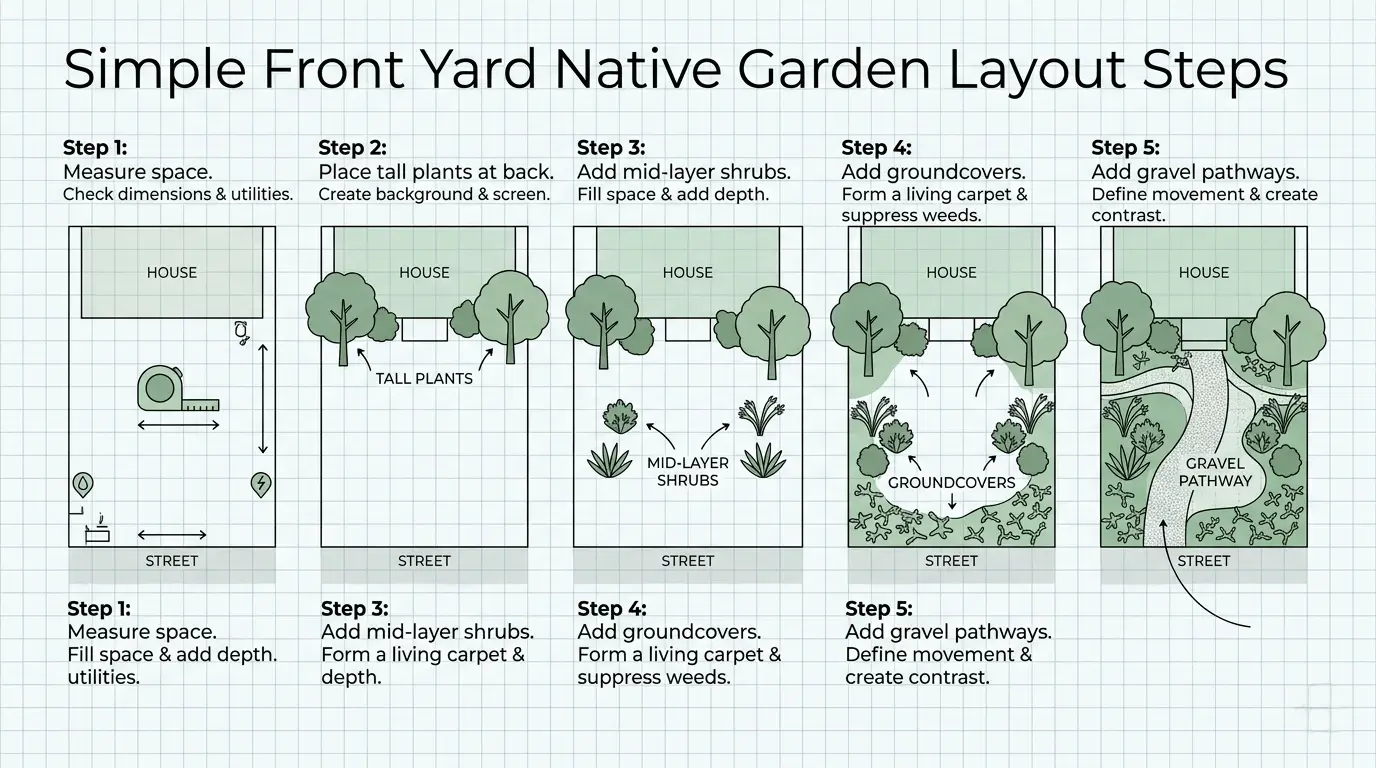
Planning the Garden Structure
A successful layout ensures long-term low maintenance and strong visual balance. For stronger landscape structure and privacy-focused designs, many homeowners also use Fast Growing Australian Native Trees: 8+ Smart Picks, Front Yard Small Hedges: Best Types and Design Ideas, and Tropical Screening Plants: Best Choices for Garden Privacy to enhance layering and screening effects in modern native garden layouts.
Step-by-Step Layout Process
- Assess available front yard space
- Place taller plants at the back
- Use groundcovers in front zones
- Add gravel or stone pathways
Design Comparison: Traditional vs Native Gardens
| Aspect | Traditional Landscaping | Native Garden Design |
| Water Use | High | Low |
| Maintenance | Frequent | Minimal |
| Cost | High long-term | Low long-term |
| Biodiversity | Low | High |
Plant Size and Growth Considerations
Mature Size Expectations
Most Australian natives used in front yards remain compact (under 2m), making them suitable for residential spaces.
Environmental Influence on Growth
- Soil fertility affects density
- Sun exposure controls flowering
- Climate impacts growth speed
Growth Rate of Australian Natives in Front Yards
Growth Behavior Overview
Australian natives are generally slow to moderate growers, which reduces pruning needs.
Growth Timeline
- Establishment phase: 1–2 years
- Stable growth after establishment
- Seasonal bursts in spring
Care Guide for Low Maintenance Native Front Gardens
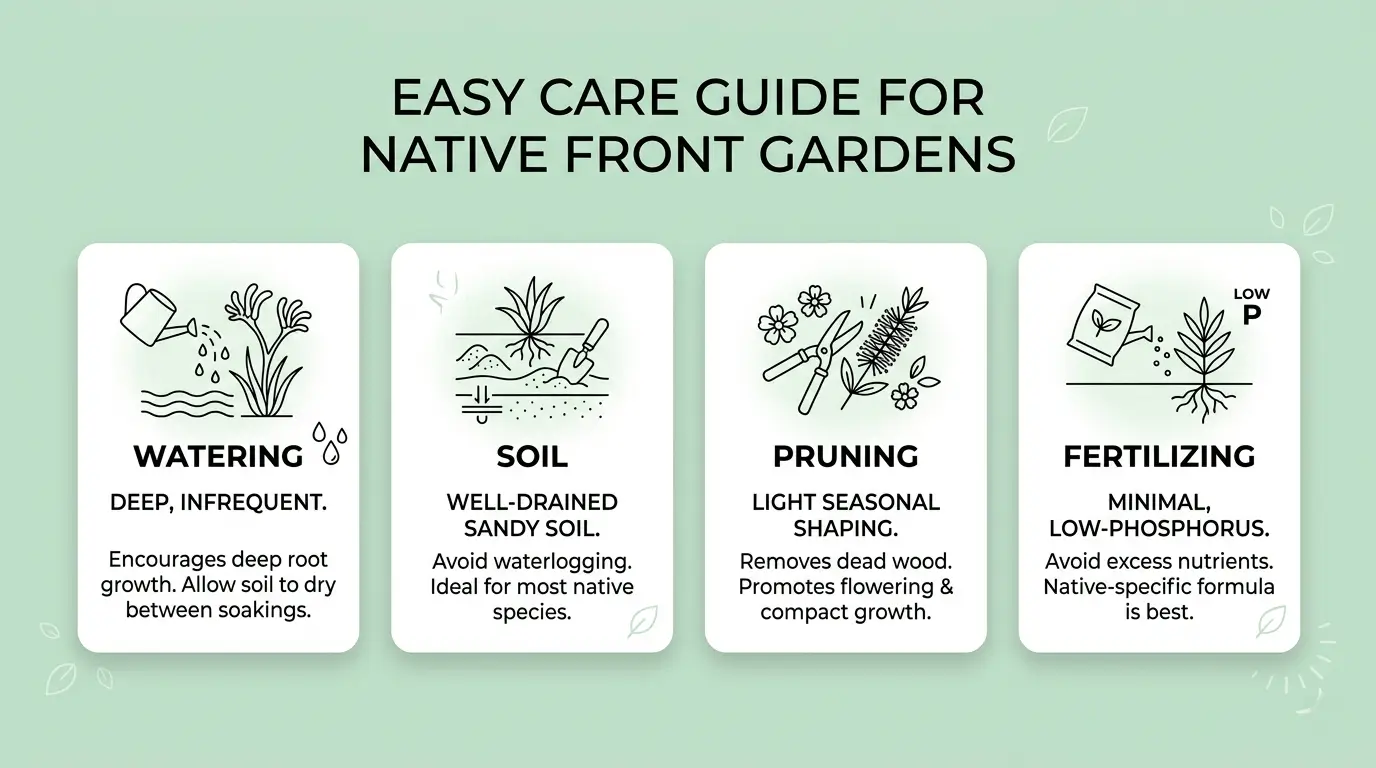
Watering Requirements
- Weekly watering during establishment
- Minimal watering after maturity
Soil and Fertilization
- Well-drained sandy soil preferred
- Use low-phosphorus native fertilizer only
Pruning Practices
- Light shaping after flowering
- Avoid heavy cutting
Common Problems and Solutions in Australian Native Gardens
Yellowing Leaves
- Cause: Overwatering or poor drainage
- Solution: Reduce watering and improve soil structure
Pest Issues
- Cause: Aphids or sap insects
- Solution: Encourage beneficial insects
Slow Growth
- Cause: Nutrient imbalance
- Solution: Use minimal native fertilizer
Beginner Mistakes
- Overwatering drought-tolerant plants
- Over-fertilizing natives
- Ignoring drainage needs
Modern Australian Native Garden Comparisons
Design Style Differences
Modern native gardens focus on structure, symmetry, and drought resistance.
Native vs Exotic Plant Performance
- Natives require less water
- Better suited to Australian climates
- Provide higher biodiversity support
In modern Australian landscaping trends, popular combinations include Magnolia Little Gem vs Teddy Bear: Size, Growth & Differences, Best Evergreen Trees Australia: Proven Small, Fast-Growing & Drought-Tolerant, and Cupressus Sempervirens Stricta vs Glauca: 5+ Key Differences for structured, year-round greenery with minimal maintenance.
Seasonal and Environmental Considerations
Seasonal Behavior Overview
- Summer: Heat tolerance and drought survival
- Winter: Reduced growth activity
- Spring: Peak flowering season
- Autumn: Structural stability
Conclusion
A low maintenance front yard Australian native garden design delivers a sustainable and visually appealing landscaping solution that suits Australia’s climate. By using drought-tolerant native plants and structured layouts, homeowners can enjoy long-term curb appeal with minimal maintenance, water usage, and cost.
FAQ
What are the best low maintenance Australian native plants for small front yards?
Compact species like Lomandra and Dianella are ideal due to their size and low water requirements.
How do I design a native garden on a budget?
Use groundcovers, mulch, and locally sourced plants to reduce costs.
Can native gardens survive full sun?
Yes, most Australian natives are adapted to intense sunlight and heat.
Why are my native plant leaves turning yellow?
This is usually caused by overwatering or poor drainage conditions.
How long until a native garden is fully established?
Most gardens establish within 1–2 years depending on soil and climate.