
Introduction
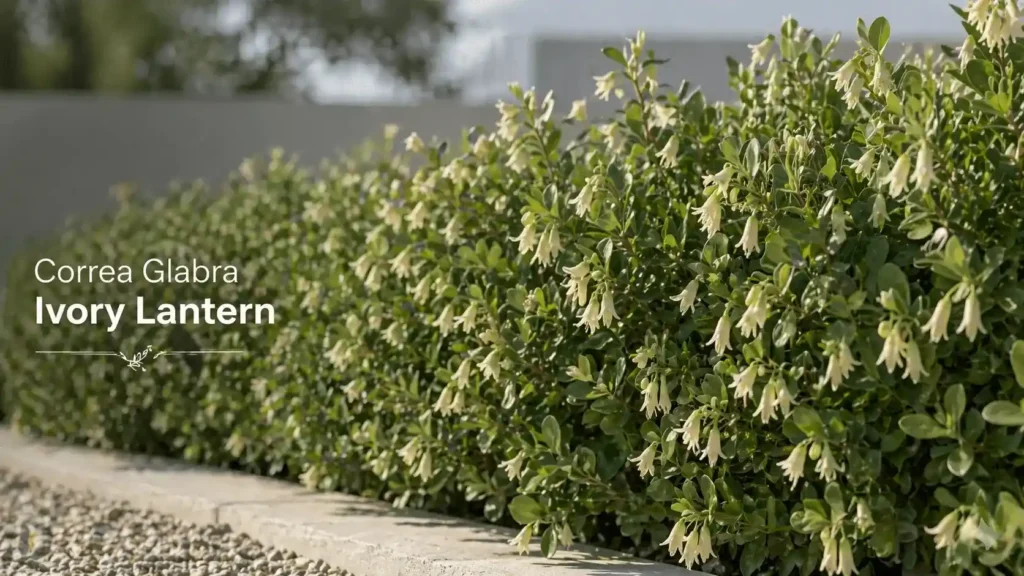
correa glabra ivory lantern is a hardy evergreen shrub known for its soft green foliage and delicate ivory-colored tubular flowers. It is widely used in landscaping for hedging, low-maintenance gardens, and attracting pollinators. As a cultivar of Correa glabra (family: Rutaceae), it adapts well to dry and coastal conditions. This guide explains its characteristics, care requirements, growth habits, and how it compares to other correa varieties in a clear, practical way for reliable garden use.
Quick Summary
- correa glabra ivory lantern is a compact evergreen shrub ideal for hedges and low-maintenance gardens
- Thrives in well-drained soil and tolerates drought once established
- Produces ivory tubular flowers that attract birds and pollinators
- Requires minimal pruning and suits coastal and dry climates
What Is Correa Glabra Ivory Lantern?
Overview and Plant Identity
correa glabra ivory lantern is a selected cultivar of Correa glabra, commonly referred to as correa ivory lantern. It belongs to a group of Australian native shrubs known for their tubular flowers and hardy nature. This cultivar is valued for its pale ivory blooms and compact growth.
Within correa plants, it sits alongside forms such as correa glabra green, which emphasize foliage rather than flowering contrast. The plant is classified under the genus Correa, often called native fuchsia due to its flower shape. Correa foliage is typically smooth, leathery, and evergreen, providing year-round structure.
Key Features and Appearance
Foliage, Flowers, and Growth Habit
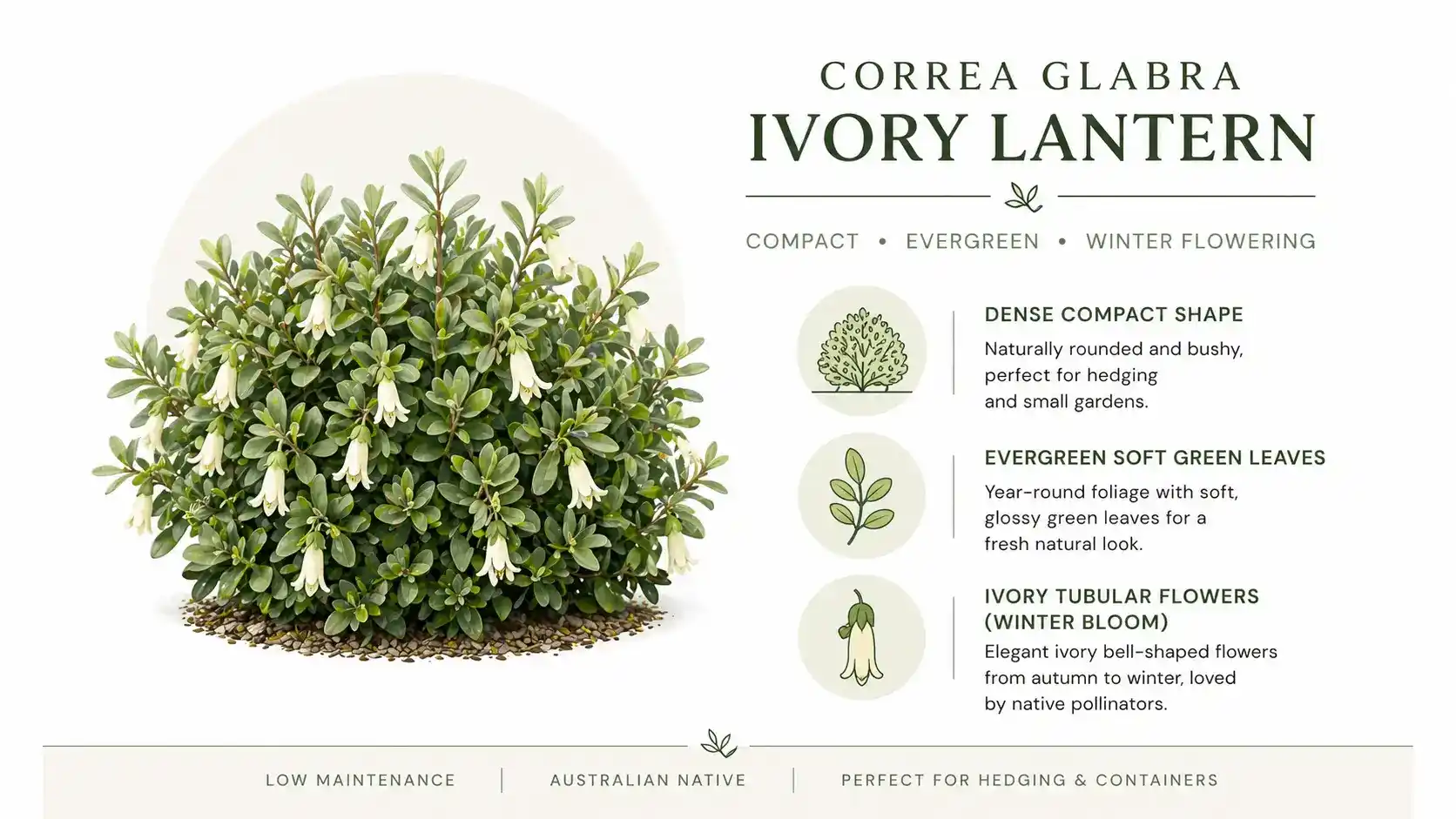
correa glabra ivory lantern features soft green foliage with a smooth, slightly glossy texture. Leaves are oval-shaped and remain evergreen, maintaining visual interest throughout the year.
The correa flower is tubular, hanging downward, and adapted for bird pollination. In this cultivar, the blooms are creamy ivory, appearing mainly in cooler months such as autumn and winter.
Key characteristics:
- Dense, compact shrub form
- Soft green foliage year-round
- Creamy ivory flowers in cooler months
Plant Size and Growth Characteristics
Height, Width, and Growth Rate
correa glabra ivory lantern typically grows to a moderate, compact size. The average correa glabra ivory lantern height ranges between 1–1.5 meters, with a similar spread.
Growth rate is considered moderate. Plants establish steadily and form dense branching suitable for hedging without excessive trimming.
Environmental Influence on Growth
Plant size varies depending on environmental conditions:
- Rich, well-drained soil promotes fuller growth
- Full sun increases flowering density
- Shade may result in looser structure
For hedges, regular trimming encourages compact growth, while standalone plants may grow slightly wider and more natural in form.
Ideal Growing Conditions
Soil, Light, and Climate Needs
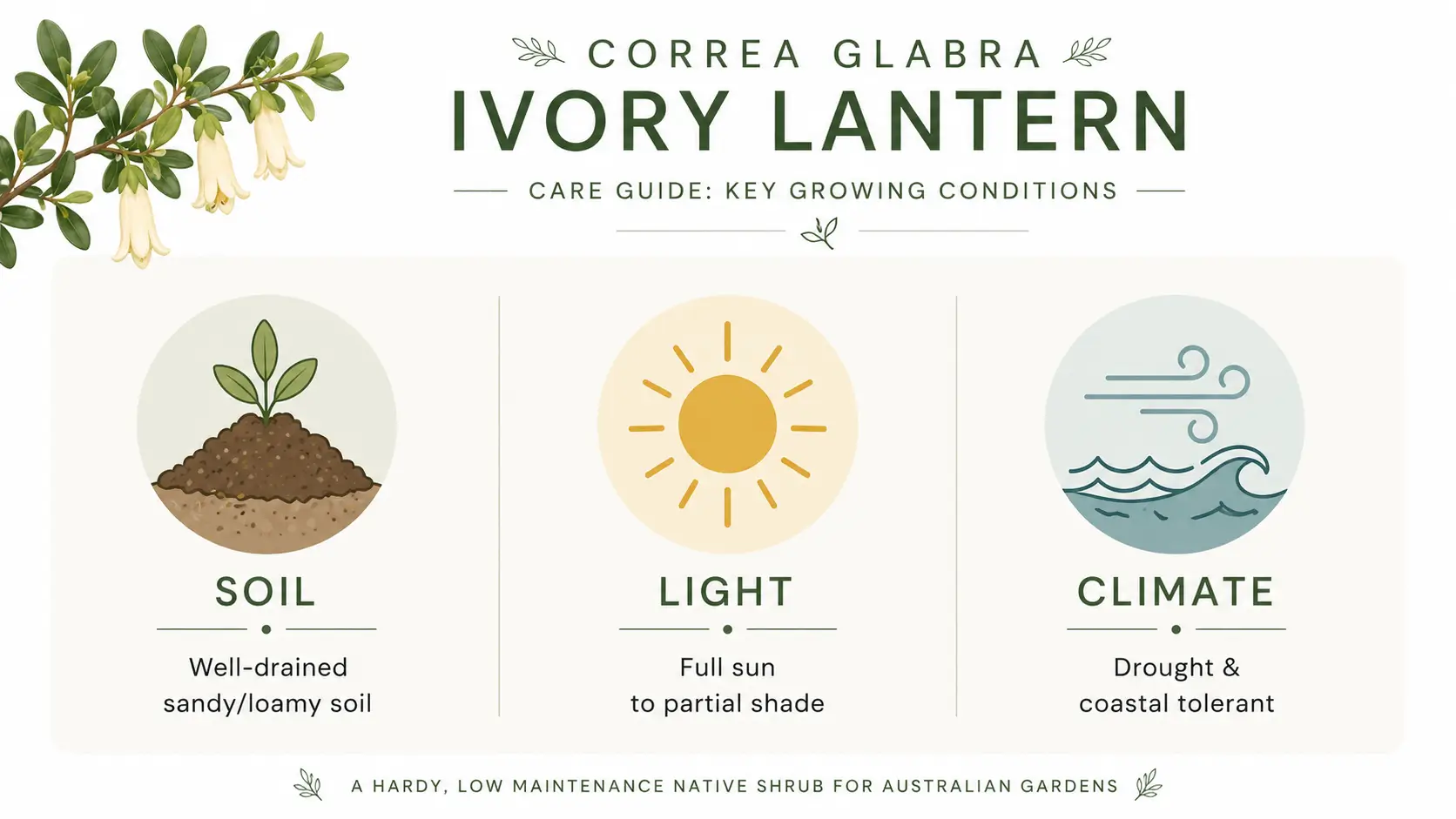
correa glabra ivory lantern performs best under the following conditions:
- Soil: Well-drained sandy or loamy soil
- Light: Full sun to partial shade
- Climate: Tolerates coastal exposure, wind, and drought
It is particularly suited to Mediterranean-type climates and dry landscapes. Poor drainage is the most common limiting factor for healthy growth.
Correa Glabra Ivory Lantern Care Guide
Watering, Feeding, and Maintenance
correa glabra ivory lantern care is simple and low-maintenance.
- Water regularly during establishment (first 6–12 months)
- Once established, water sparingly as the plant becomes drought-tolerant
- Apply a light, balanced fertilizer in spring if growth is slow
Overwatering is a common mistake and should be avoided to prevent root issues.
Pruning and Shaping
correa glabra ivory lantern pruning is minimal but beneficial.
- Prune lightly after flowering
- Remove dead or weak branches
- Shape gently to maintain hedge density
Avoid heavy pruning, as it can reduce flowering in the next season.
Spacing and Planting for Landscaping
Hedge and Garden Placement
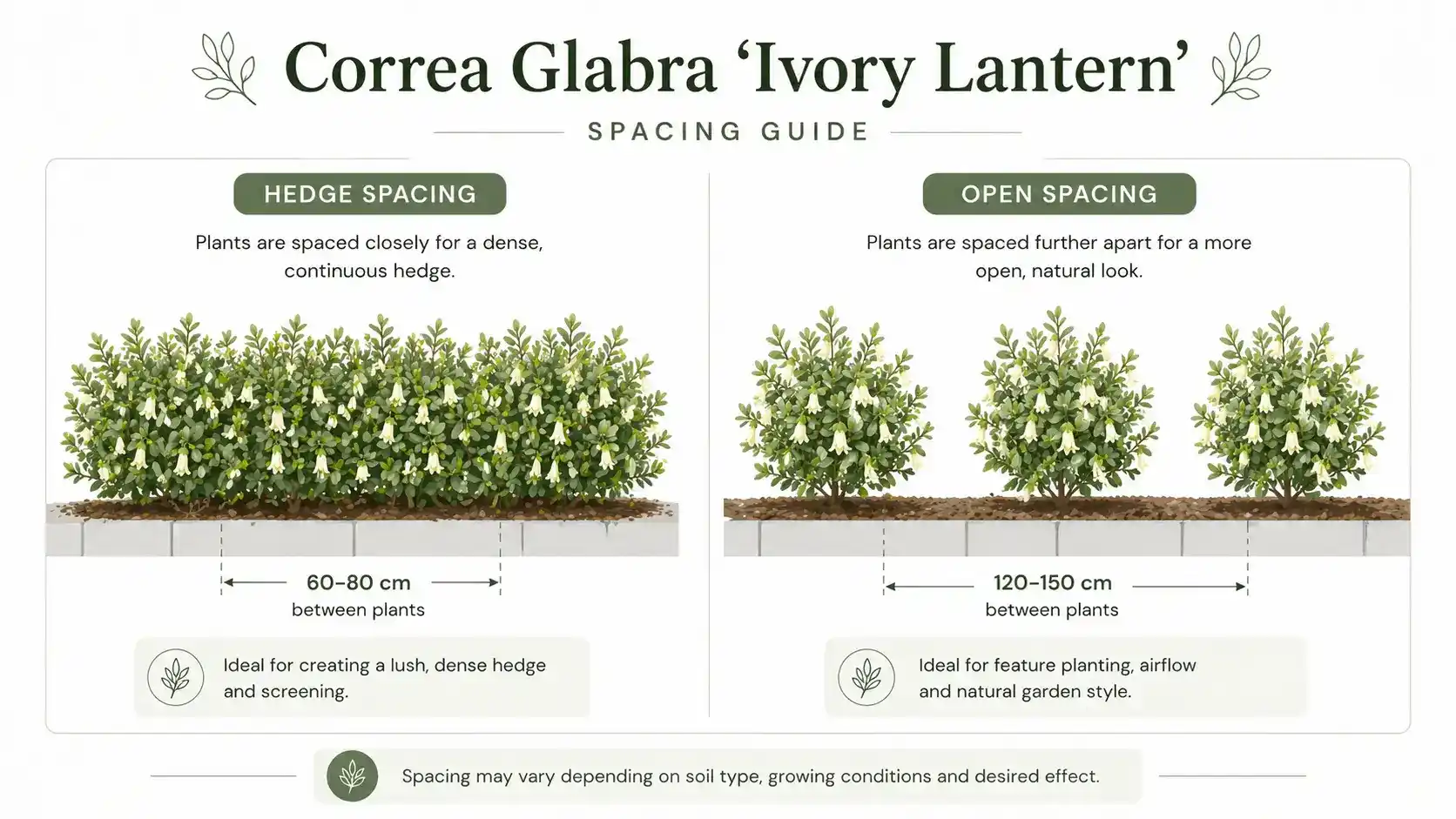
Proper correa glabra ivory lantern spacing depends on intended use.
- For hedges: Plant closer together for dense coverage
- For individual plants: Allow more space for natural growth
Spacing guidelines:
- Close spacing for privacy hedges
- Wider spacing for airflow and plant health
Correct spacing prevents overcrowding and improves long-term plant structure.
It is also considered among the best small hedge plants for garden borders, especially where compact growth and easy maintenance are required.
Comparison: Correa Glabra Ivory Lantern vs Other Correa Varieties
Key Differences Between Popular Types
correa glabra ivory lantern differs from other correa varieties mainly in flower color, size, and growth habit.
- correa lime chimes: Lime-green flowers and softer appearance
- correa glabra green: Focuses on foliage rather than flowers
- correa glabra ivory beacon: Similar color but often larger or more upright
- correa glabra red, yellow, winter glow: Brighter, more vivid flower colors
Table — Variety Comparison
| Variety Name | Flower Color | Size | Growth Habit | Best Use |
| Ivory Lantern | Cream/Ivory | Compact | Dense, rounded | Hedges, borders |
| Lime Chimes | Lime green | Medium | Soft, spreading | Feature planting |
| Glabra Green | Greenish | Medium | Bushy | Foliage contrast |
| Ivory Beacon | Pale cream | Taller | Upright | Screening |
| Red/Yellow/Winter Glow | Bright tones | Medium | Open to dense | Color accents |
Correa Glabra Hedge Uses and Landscaping Benefits
Practical Applications in Gardens
correa glabra hedge applications are common due to its dense growth and manageable size.
Uses include:
- Low-maintenance hedging
- Wildlife-friendly planting
- Suitable for dry landscapes
It is often used for borders, privacy screens, and native garden designs.
Due to its drought resistance, it is commonly grouped with other plants for dry areas that thrive in water-efficient garden designs.
Common Problems and Troubleshooting
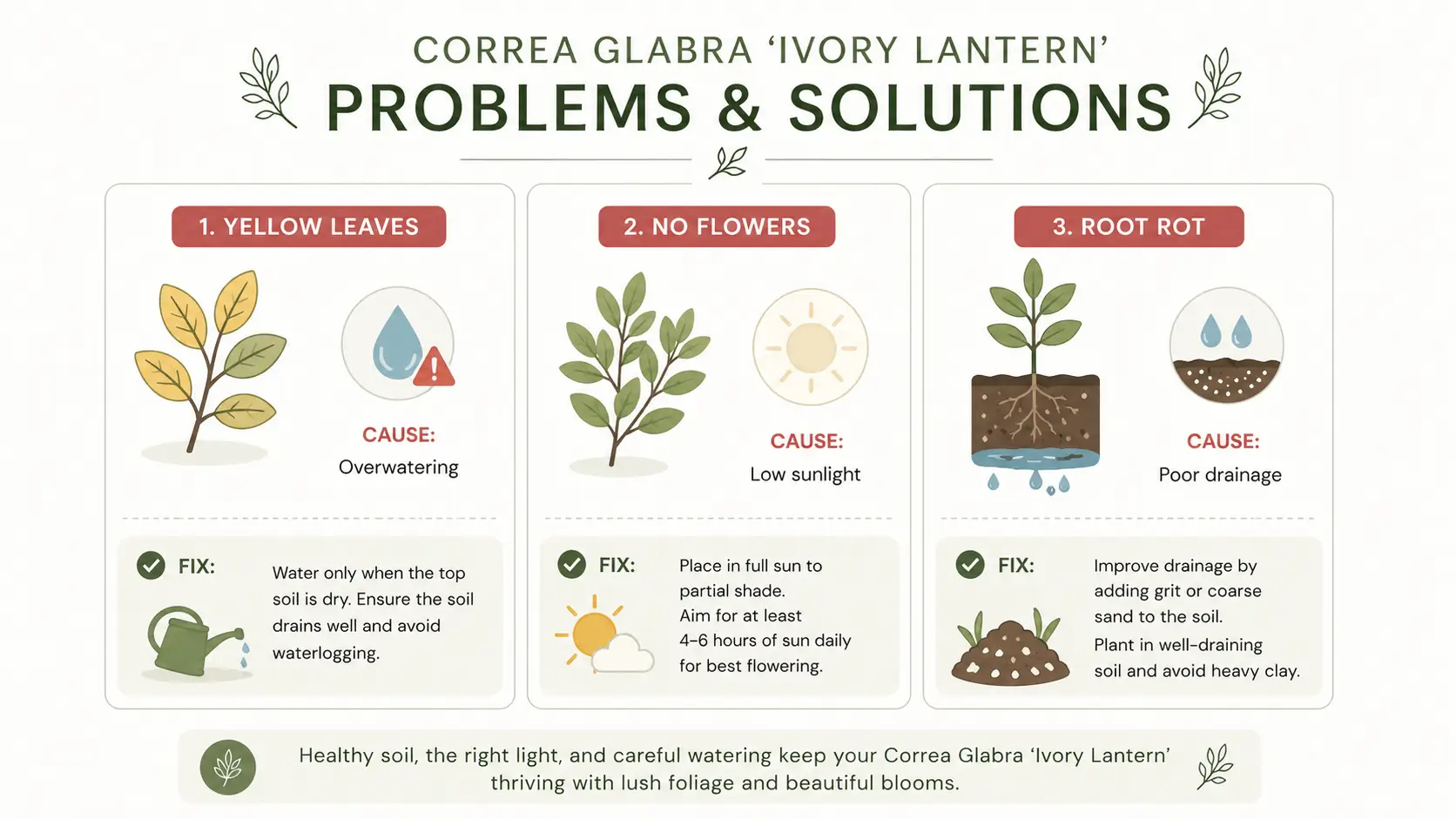
Why Issues Occur and How to Fix Them
Common issues are usually related to environmental conditions.
- Yellowing leaves: Often caused by overwatering
- Poor flowering: Usually due to insufficient sunlight
- Root rot: Caused by poorly drained soil
Prevention Tips
- Avoid overwatering
- Ensure proper drainage
- Provide adequate sunlight
Beginner Mistakes to Avoid
Common Growing Errors
Common mistakes include:
- Overwatering young plants
- Incorrect spacing leading to crowding
- Heavy pruning at the wrong time
These issues can reduce plant health and flowering performance.
Seasonal Care and Growth Patterns
How the Plant Changes Throughout the Year
correa glabra ivory lantern shows seasonal variation:
- Flowering peaks in autumn and winter
- Growth slows during extreme heat or cold
- Light pruning after flowering supports new growth
Seasonal adjustments help maintain plant shape and health.
Correa Plant Varieties and Broader Context
Understanding the Correa Genus
The genus Correa includes multiple species and cultivars commonly referred to as correa plant varieties or rock correa.
These plants vary in:
- Flower color (red, green, yellow, cream)
- Growth habit (compact to spreading)
- Environmental tolerance
This diversity allows gardeners to select varieties suited to specific conditions.
The plant belongs to the Correa plant genus, a group of Australian native shrubs known for their tubular flowers and adaptability.
Environmental Benefits and Pollinator Attraction
Role in Native and Wildlife Gardens
correa glabra ivory lantern supports ecological balance.
- Attracts nectar-feeding birds
- Supports pollinators such as insects
- Contributes to biodiversity in native gardens
Its drought resistance also reduces water use, making it suitable for sustainable landscaping.
Conclusion
correa glabra ivory lantern is a versatile, low-maintenance shrub that combines attractive foliage with delicate flowering. Its adaptability, ease of care, and suitability for hedging make it an excellent choice for a wide range of gardens. With proper spacing, minimal pruning, and well-drained soil, it can thrive and provide year-round visual interest.
For a broader understanding of plant care, growth, and selection strategies, explore this complete resource on plants benefits and guides.
FAQs
What is the typical size of correa glabra ivory lantern?
It typically grows to around 1–1.5 meters in height and width, depending on conditions and pruning practices.
How often should correa ivory lantern be watered?
Water regularly during establishment, then reduce watering once mature as it becomes drought-tolerant.
Can correa glabra ivory lantern be used as a hedge?
Yes, it is widely used as a hedge due to its dense growth and compact structure.
When is the best time to prune correa glabra ivory lantern?
Light pruning should be done after flowering to maintain shape and encourage new growth.
What makes correa glabra different from other correa varieties?
Differences include flower color, plant size, and growth habit, with cultivars offering a range of landscaping uses.



One Response