
Introduction
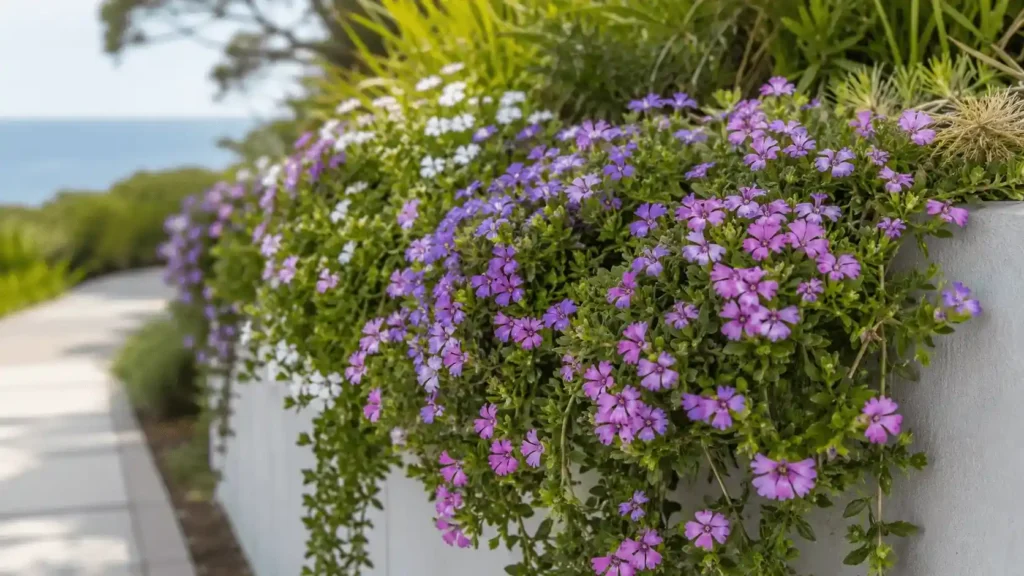
Scaevola aemula is a flowering plant native to Australia that is widely admired for its unusual fan-shaped blooms and long flowering season. Commonly known as the fan flower, scaevola aemula is a low-growing, spreading plant valued for drought tolerance, colorful flowers, and adaptability in garden landscapes, hanging baskets, and containers. Gardeners often grow this Australian native because it performs reliably in warm climates while requiring relatively little maintenance. Its trailing growth habit, combined with purple, pink, mauve, or white blooms, makes it a popular ornamental plant for both modern and native-style gardens.
Quick Summary
- Scaevola aemula, commonly called the fairy fan flower, is a native Australian plant in the Goodeniaceae family.
- Its blooms appear in purple, mauve, pink, and white while flowering continuously in warm conditions.
- It behaves as either an annual or short-lived perennial depending on climate and frost exposure.
- The plant is drought-tolerant, low-maintenance, and ideal for containers, baskets, and ground cover.
- Fan flower thrives best in full sun with free-draining soil and moderate watering.
What Is Scaevola Aemula?
Scaevola aemula is a flowering ornamental species within the genus Scaevola, best known for its distinctive fan-shaped flowers. Pronounced “see-VOL-uh ee-MYOO-luh,” this plant belongs to a group of Australian native species adapted to warm and dry environments. The genus Scaevola belongs to the Goodeniaceae family and includes multiple species, as described in botanical references such as Wikipedia’s overview of the Scaevola plant genus.
The name “fan flower” refers to the bloom structure, where petals appear arranged in a semicircle rather than a full radial pattern. Among ornamental scaevola plants, scaevola aemula is one of the most widely cultivated species because of its spreading habit, long flowering period, and adaptability in gardens and containers.
Scaevola Aemula Common Name and Taxonomy
Scaevola aemula is commonly known as the fairy fan flower, fan flower, or fan flower plant. These names are used interchangeably in horticulture and gardening references.
Botanical Classification
- Botanical family: Goodeniaceae
- Genus: Scaevola
- Species: aemula
The term “fan flower” comes from the plant’s unusual asymmetrical flower shape. Its five petals are fused on one side, creating a distinctive fan-like appearance that separates it from many common flowering plants.
The Goodeniaceae family includes many Australian native species adapted to coastal and dry environments. Scaevola aemula is among the best-known ornamental members of this plant family.
Scaevola Aemula Australia — Native Habitat and Origin
Scaevola aemula is native to southern and eastern Australia, where it naturally grows in coastal and sandy regions. It is commonly found in heathlands, scrublands, dunes, and open native landscapes.
Natural Habitat Conditions
- Sandy coastal soils
- Heathland vegetation zones
- Dry scrubland environments
- Well-draining open areas
The plant occurs naturally across several Australian states, particularly in regions with warm temperatures and seasonal rainfall. Its native habitat explains why fan flower Australia varieties tolerate drought, heat, and coastal conditions so effectively. Scaevola aemula is part of broader Australian native garden plants, commonly used in drought-tolerant landscaping and coastal garden design.
Because scaevola aemula evolved in nutrient-poor sandy soils, it performs best in free-draining conditions and does not require heavy fertilization.
Fan Flower (Scaevola Aemula) Plant Characteristics
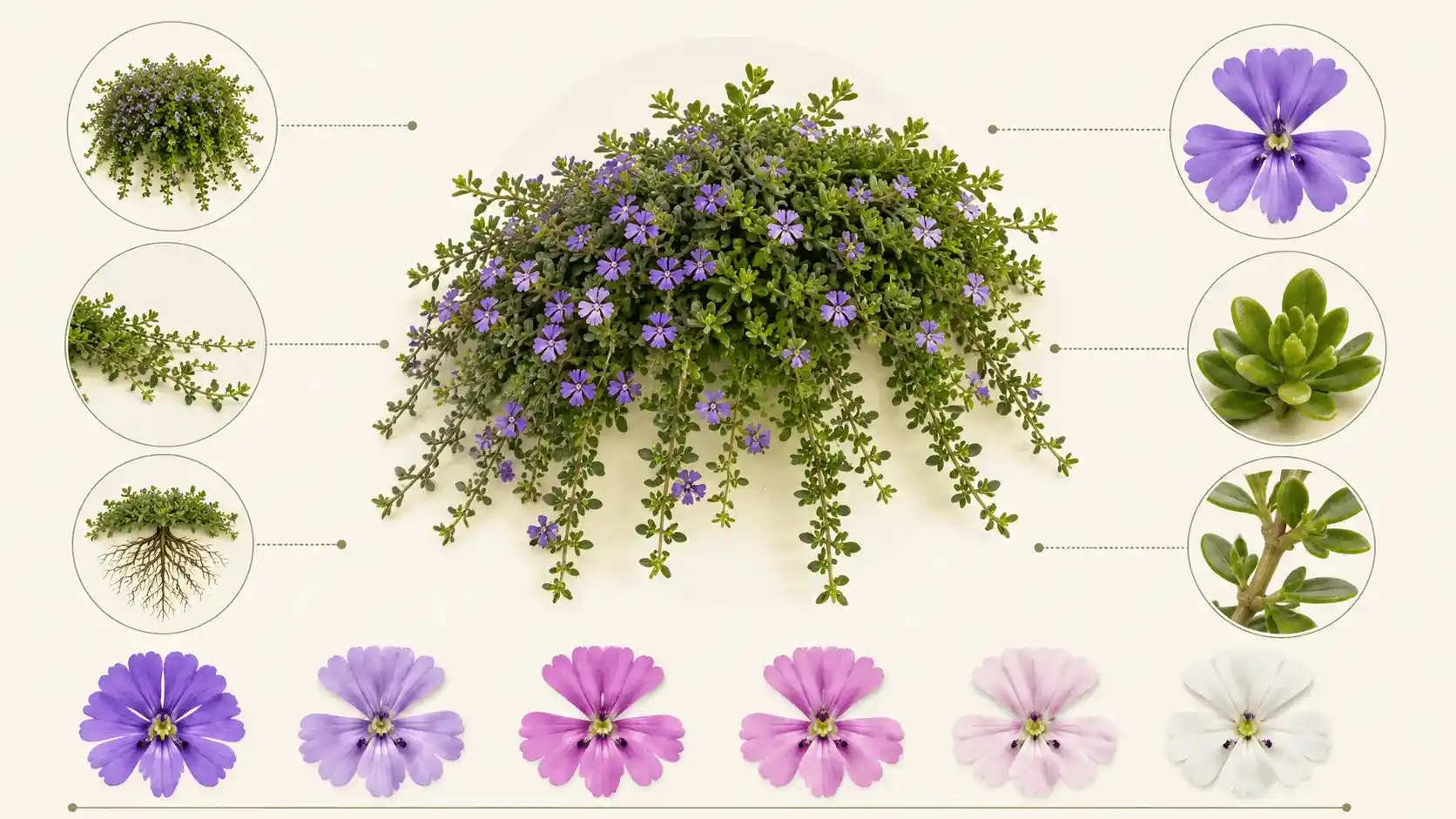
Scaevola aemula is a spreading, low-growing plant with semi-succulent foliage and trailing stems. It forms dense mats or cascading growth depending on how it is planted.
The plant’s defining feature is its asymmetrical bloom structure. Each flower resembles half of a circular flower, creating the fan-shaped appearance responsible for its common name.
Other defining characteristics include:
- Soft green semi-succulent leaves
- Spreading and trailing growth habit
- Continuous flowering in warm weather
- Compact mounding structure in some cultivars
Its combination of drought tolerance and ornamental flowering makes it a valuable landscape plant.
Flower Colors: Pink, Purple, White, and Mauve
Scaevola aemula blooms in several colors, with purple being the most common natural form.
Common Flower Colors
- Purple: Traditional wild-type coloration often seen in native populations
- Mauve: Popular ornamental forms such as scaevola mauve clusters
- Pink: Soft pastel shades used in decorative borders
- White: White fan flower cultivars like scaevola Bondi White
Flower color often varies between cultivated varieties and hybrids. Some cultivars are selected specifically for heavier flowering, improved trailing habits, or stronger color intensity.
Scaevola Aemula Mauve Clusters and Purple Fanfare
Mauve Clusters and Purple Fanfare are two recognized scaevola aemula cultivars commonly used in ornamental gardening.
Mauve Clusters
Mauve Clusters produces dense lavender-mauve blooms with a spreading and mounding growth habit. It is widely used for borders, ground cover, and mixed native gardens because of its consistent flowering performance.
Purple Fanfare
Purple Fanfare features deeper violet flowers and more compact growth. It is especially suitable for pots, hanging baskets, and smaller garden spaces where controlled growth is preferred.
Compared with Mauve Clusters, Purple Fanfare generally has:
- Darker flower coloration
- More compact growth
- Slightly tighter branching habit
- Better suitability for containers
Is Scaevola Aemula Annual or Perennial?
Scaevola aemula behaves as a short-lived perennial in warm, frost-free climates but is commonly grown as an annual in colder regions.
Climate strongly affects plant lifespan.
Factors That Determine Longevity
- Frost exposure
- Soil drainage quality
- Summer heat levels
- Seasonal pruning practices
In USDA zones 9–11, the plant may survive for several growing seasons. In colder climates, winter frost usually damages or kills the plant, requiring replacement in spring.
Light pruning after flowering can help extend plant life by encouraging fresh growth and reducing legginess.
Scaevola Aemula Plant Size
Scaevola aemula is generally compact in height but spreads widely through trailing stems.
| Growth Feature | Typical Size |
| Mature height | 20–50 cm |
| Mature spread | 60–100 cm |
| Container growth | More compact |
| Ground planting | Wider trailing spread |
Outdoor plants often spread farther than container-grown specimens because roots have more room to develop.
Environmental factors influencing plant size include:
- Sunlight exposure
- Soil fertility
- Pruning frequency
- Water availability
Plants grown in full sun with moderate feeding typically produce the densest growth.
Scaevola Aemula Growth Rate
Scaevola aemula is considered a fast-growing plant under warm conditions. Growth is strongest from spring through autumn and slows significantly during cold weather.
Conditions That Encourage Faster Growth
- Full sun exposure
- Well-draining soil
- Warm temperatures
- Light seasonal fertilization
Slow growth may indicate insufficient sunlight, compacted soil, poor drainage, or cold conditions.
Gardeners commonly notice reduced flowering and stretched stems when plants receive too much shade.
Scaevola Aemula Care Guide
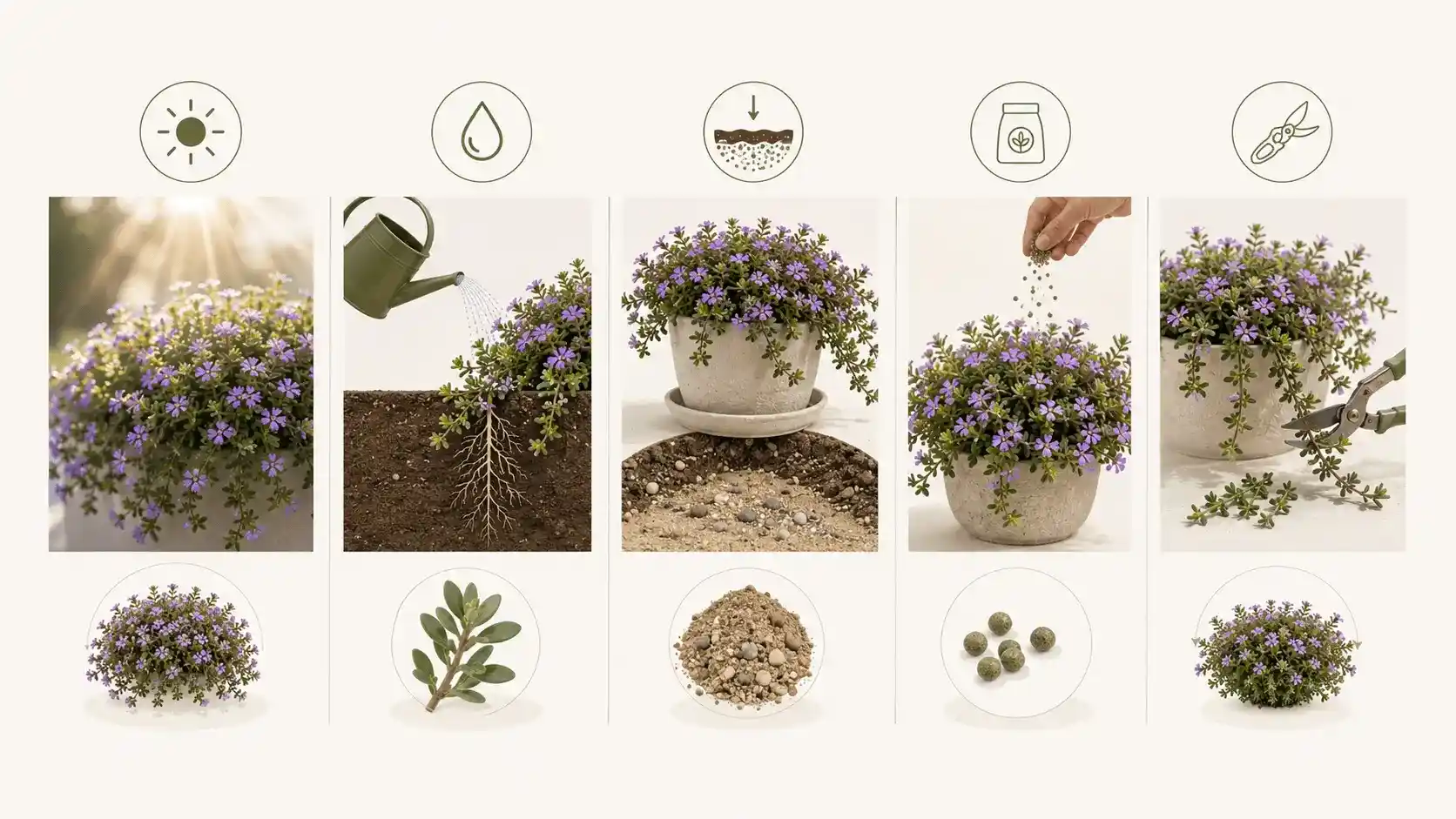
Proper care helps fan flower produce continuous blooms throughout the warm season while maintaining compact and healthy growth.
Watering Requirements
Scaevola aemula becomes drought-tolerant once established but requires moderate watering during early growth.
Best Watering Practices
- Water deeply but infrequently
- Increase watering during intense summer heat
- Reduce watering during winter dormancy
- Avoid shallow daily watering
Overwatering is one of the most common problems. Poor drainage can lead to root rot and yellowing foliage.
Light Requirements
Fan flower thrives in full sun and performs best with at least six hours of direct sunlight daily.
Partial shade is tolerated, but flowering is usually reduced and growth may become leggy.
For maximum bloom production, place the plant in:
- Sunny garden beds
- Open patios
- Bright balconies
- South- or west-facing positions
Soil Preferences
Scaevola aemula prefers sandy or loamy soil with excellent drainage.
Ideal Soil Conditions
- Neutral to slightly acidic pH
- Loose and airy soil structure
- Good drainage capacity
Heavy clay soils can trap excess moisture around roots, increasing the risk of fungal disease and root rot.
In non-sandy gardens, adding coarse sand or organic matter can improve drainage.
Fertilization
Scaevola is considered a light feeder.
Excess fertilizer, especially high-phosphorus products, may reduce flowering and damage sensitive native plant roots.
Recommended Fertilizer Routine
- Apply slow-release native fertilizer in spring
- Use low-phosphorus formulations
- Optional light feeding during summer
Pruning and Deadheading
Regular pruning encourages bushier growth and more flowers.
Pruning Tips
- Remove leggy stems regularly
- Lightly trim after heavy flowering flushes
- Cut back one-third of the plant when growth becomes sparse
Seasonal pruning helps rejuvenate older plants and promotes denser flowering.
Climate Tolerance
Scaevola aemula performs best in USDA zones 9–11.
It tolerates:
- Heat
- Coastal exposure
- Humidity
- Dry periods
However, the plant is frost-sensitive and should be protected when temperatures fall below 0°C (32°F).
Scaevola Aemula Uses
Scaevola aemula is widely used in ornamental gardening because of its trailing habit and continuous flowering.
Common Uses
- Ground cover for slopes and borders
- Trailing plant in hanging baskets
- Container plant for patios and balconies
- Coastal and drought-tolerant landscaping
- Pollinator-friendly gardens
- Native and bush-style garden integration
Its flowers attract bees and butterflies, making it useful for pollinator-supporting landscapes.
Scaevola Varieties and Cultivars
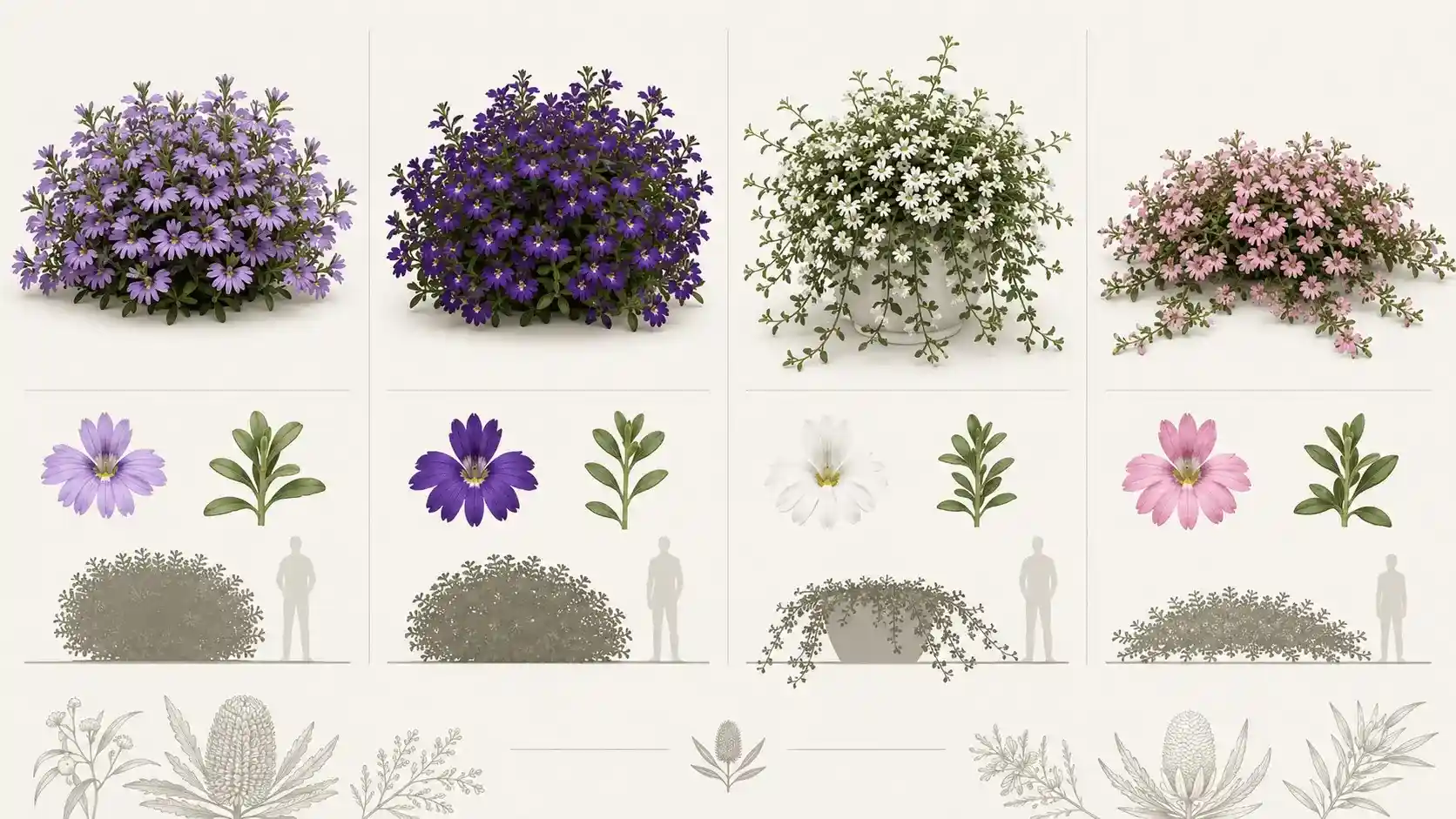
Different scaevola varieties offer variations in flower color, growth habit, and garden performance.
Comparison Table: Popular Scaevola Aemula Varieties
| Cultivar | Flower Color | Growth Habit | Best Use |
| Mauve Clusters | Lavender-mauve | Spreading, mounding | Ground cover, borders |
| Purple Fanfare | Deep violet | Compact | Containers, pots |
| Scaevola Bondi White | White | Trailing | Hanging baskets |
| Pink varieties | Soft pink | Spreading | Mixed borders |
Scaevola Bondi White
Scaevola Bondi White is a popular white fan flower cultivar featuring crisp white blooms and trailing stems.
It is especially valued for:
- Hanging baskets
- Cascading displays
- Bright contrast in mixed plantings
Some cultivars also differ slightly in flowering duration and cold tolerance depending on breeding characteristics.
Similar to other Australian natives like Lechenaultia formosa, scaevola varieties are valued for long-lasting blooms and low-maintenance growth in garden landscapes.
Scaevola Aemula Seeds — Propagation Methods
Scaevola aemula can be propagated from seeds or stem cuttings.
Growing from seed is slower and less reliable than vegetative propagation. Most gardeners prefer stem cuttings because they root faster and maintain cultivar characteristics.
Propagation from Stem Cuttings
- Take 8–10 cm semi-hardwood tip cuttings
- Remove lower leaves
- Dip stems in rooting hormone
- Plant in moist propagation mix
- Keep humid in bright indirect light
- Roots typically form within 4–6 weeks
Spring and early autumn are generally the best seasons for propagation.
Common Scaevola Aemula Problems and How to Fix Them
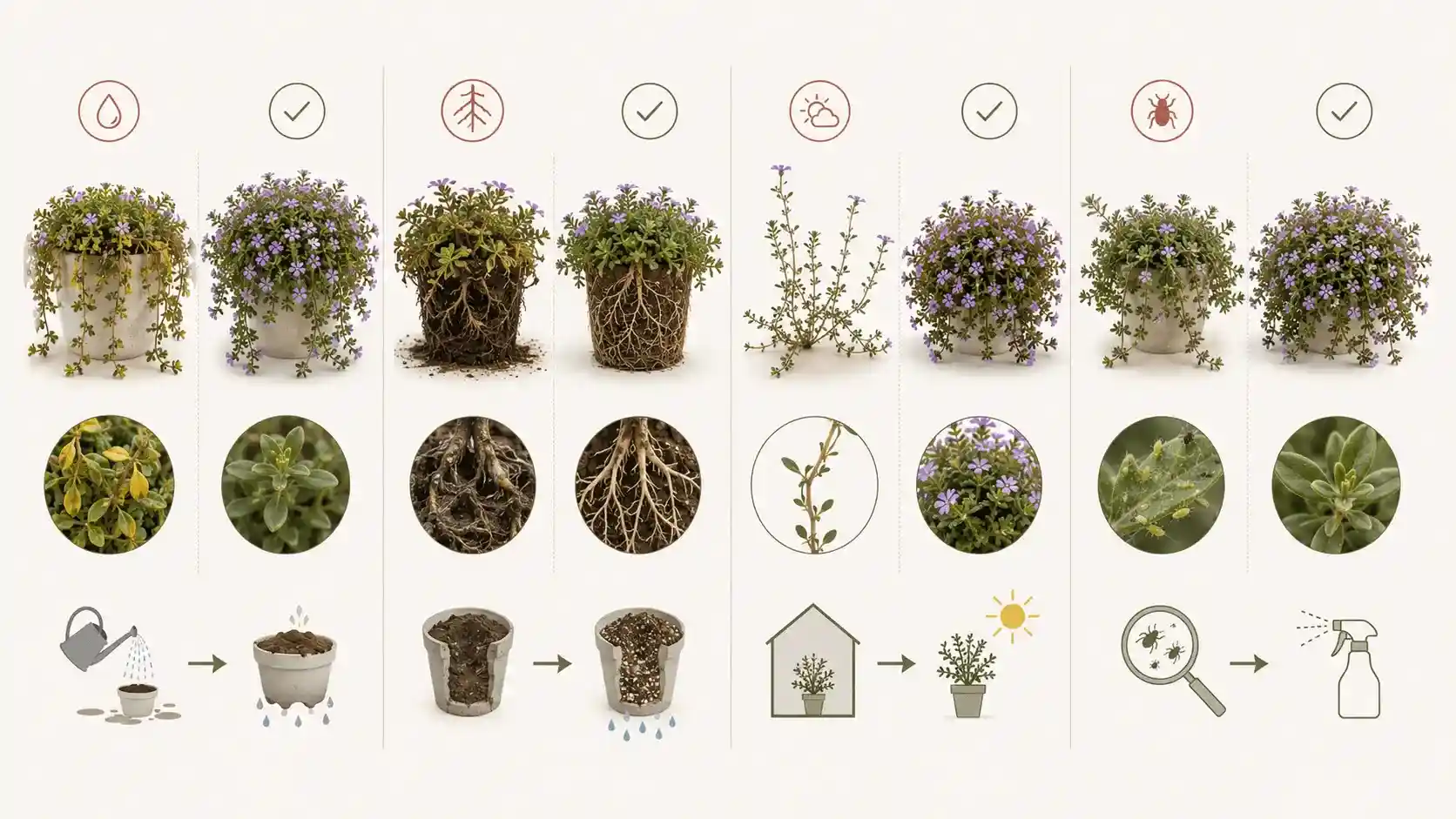
Several common growing problems affect scaevola plants, especially when drainage or sunlight conditions are poor.
Yellowing Leaves
Yellowing leaves are usually caused by:
- Overwatering
- Poor drainage
- Nutrient imbalance
How to Fix Yellow Leaves
- Reduce watering frequency
- Improve soil drainage
- Check fertilizer use
- Move container plants to sunnier positions
Root Rot from Overwatering
Root rot occurs when roots remain constantly wet.
Common Signs
- Wilting despite moist soil
- Brown mushy roots
- Leaf drop
Solutions
- Allow soil to dry slightly
- Repot affected plants
- Remove damaged roots
- Improve drainage immediately
Leggy or Sparse Growth
Leggy growth usually results from insufficient sunlight or lack of pruning.
Solutions
- Relocate to full sun
- Cut stems back by one-third
- Pinch growing tips regularly
Routine pruning helps maintain compact and bushy growth.
Pest Issues
Scaevola may occasionally attract:
- Aphids
- Whiteflies
- Spider mites
Pest Prevention and Treatment
- Use neem oil spray
- Apply insecticidal soap
- Improve air circulation
- Avoid excessive nitrogen fertilizer
Healthy plants growing in suitable conditions are generally less susceptible to pest problems.
Scaevola Aemula vs Similar Plants
Scaevola aemula is often compared with lobelia and bacopa because all three are popular trailing flowering plants.
| Feature | Scaevola Aemula | Lobelia | Bacopa |
| Flower shape | Asymmetrical fan | Tubular/2-lipped | Small round 5-petal |
| Color range | Purple, pink, white, mauve | Blue, purple, white | White, pink |
| Drought tolerance | High | Low–moderate | Low |
| Growth habit | Spreading/trailing | Upright or trailing | Trailing |
| Best use | Containers, ground cover | Borders, pots | Hanging baskets |
Scaevola generally outperforms lobelia and bacopa in hot and dry climates because of its superior drought tolerance.
Lobelia and bacopa may perform better in cooler climates with milder summers and more consistent moisture.
Conclusion
Scaevola aemula is one of Australia’s most versatile and low-maintenance native flowering plants. Its distinctive fan-shaped flowers, trailing habit, and long blooming season make it suitable for containers, hanging baskets, borders, and coastal gardens.
The fan flower (scaevola aemula) thrives in full sun with well-draining soil and requires relatively little maintenance once established. With the right care, regular pruning, and proper drainage, it can produce continuous blooms in purple, pink, white, and mauve throughout the warm season.
Choosing the right cultivar, such as Mauve Clusters, Purple Fanfare, or Bondi White, allows gardeners to match the plant’s growth habit and flower color to their specific landscape or container needs.
FAQ
Q1: What is the common name for scaevola aemula?
Scaevola aemula is commonly known as the fairy fan flower or simply fan flower because of its distinctive asymmetrical blooms that resemble an open fan.
Q2: Is scaevola aemula a perennial or annual plant?
In warm, frost-free climates, scaevola aemula behaves as a short-lived perennial. In cooler regions with frost, it is commonly grown as an annual.
Q3: What colors does scaevola aemula come in?
Scaevola aemula blooms in purple, mauve, pink, and white. Popular cultivars include Mauve Clusters, Purple Fanfare, and Bondi White.
Q4: How do you care for a fan flower (scaevola aemula)?
Fan flower grows best in full sun with free-draining soil. Water moderately, avoid overwatering, apply low-phosphorus fertilizer sparingly, and prune regularly to encourage flowering.
Q5: Where does scaevola aemula grow naturally?
Scaevola aemula is native to Australia and naturally grows in coastal heathlands, sandy soils, dunes, and scrubland regions.