
Introduction
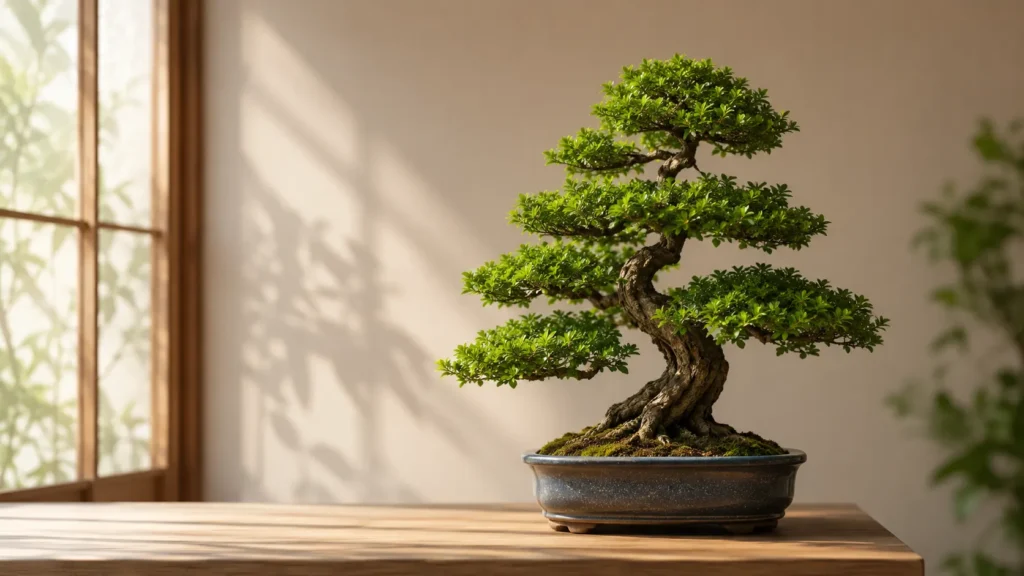
Are bonsai trees good luck? Bonsai trees are widely considered symbols of good luck, harmony, balance, and prosperity in many cultures. A bonsai is a living plant carefully shaped through cultivation techniques to create a miniature version of a mature tree. Beyond their appearance, bonsai trees are often connected with patience, discipline, resilience, and personal growth. While some traditions view certain bonsai species and placements as especially lucky, the idea of luck depends on cultural beliefs, symbolism, and care practices. This guide explains whether bonsai trees are considered lucky, unlucky, or simply meaningful plants with deep cultural associations. Bonsai trees are one example of how plants can provide both aesthetic value and meaningful benefits. Explore more plant benefits, care information, and growing guides in our complete Plants Benefits and Guides resource.
Quick Summary
- Bonsai trees are widely considered symbols of good luck, harmony, and balance in many cultures, especially in Feng Shui traditions.
- Certain bonsai varieties, such as jade bonsai, are more strongly associated with wealth and prosperity than others.
- Placement, care quality, and gifting traditions can influence the symbolic meaning of a bonsai tree.
- Bonsai trees are not naturally considered unlucky, but neglected or unhealthy plants may be viewed negatively in some beliefs.
What Does a Bonsai Tree Symbolize?
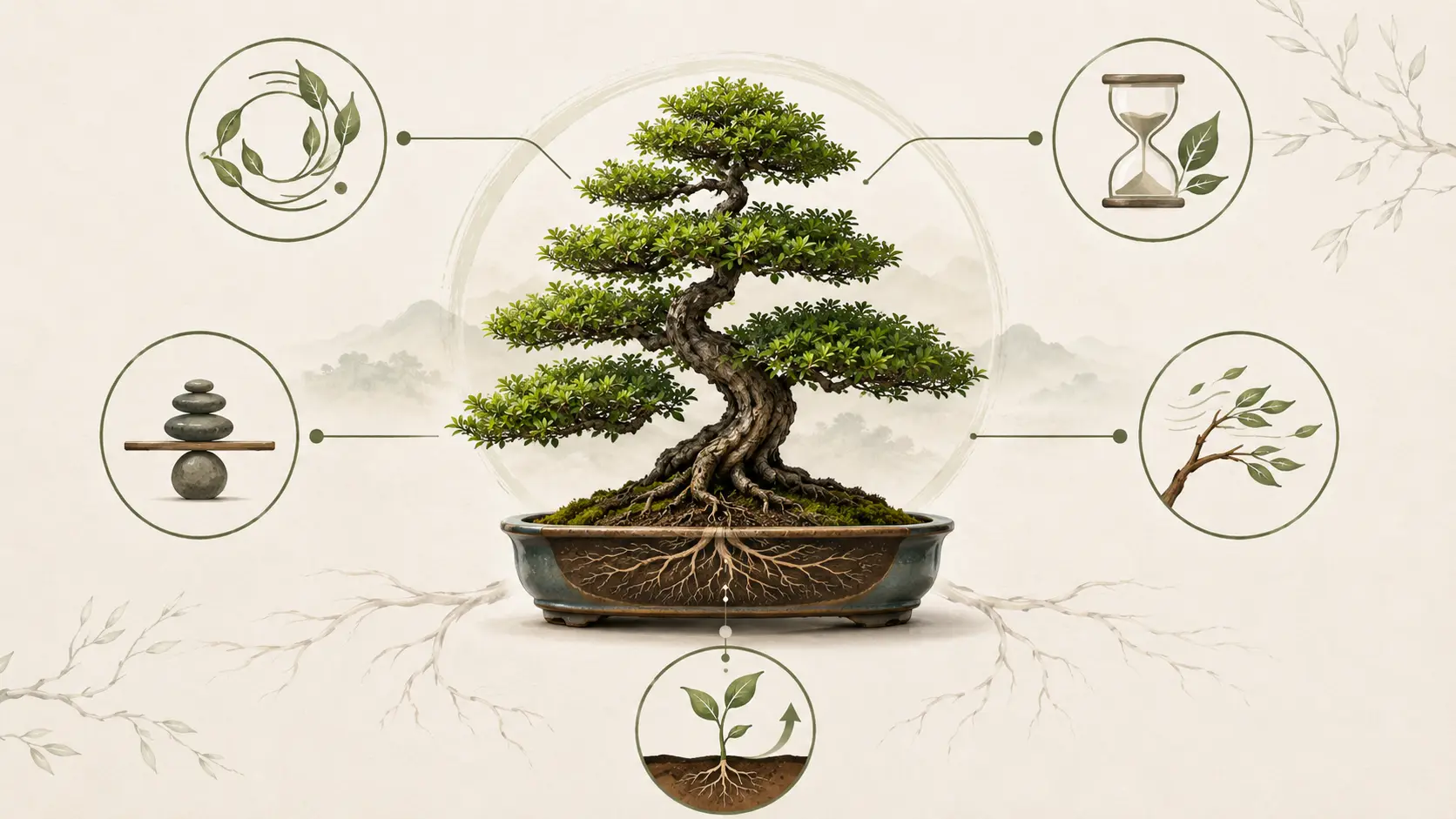
A bonsai tree symbolizes harmony, patience, balance, resilience, and growth. The symbolism comes from the process of carefully nurturing a small tree over time while maintaining its natural beauty and structure. Bonsai tree symbolism is often connected with the idea that steady effort and discipline create long-term results. Different bonsai varieties also carry unique meanings and care requirements. For example, the Ficus Ginseng Bonsai is popular for its unique appearance and symbolic connection with strength and balance.
The spiritual meaning of a bonsai tree is commonly linked with inner peace, mindfulness, and connection with nature. Because bonsai requires regular care and attention, it is often seen as a representation of commitment and personal development.
Common symbolic meanings of bonsai trees include:
- Peace and harmony: The balanced shape of a bonsai represents calmness and stability.
- Discipline and patience: Growing and shaping bonsai requires years of careful attention.
- Longevity: Mature bonsai trees symbolize endurance and long life.
- Resilience: Their ability to survive and adapt represents strength through challenges.
- Growth: A bonsai represents gradual improvement and continuous development.
Cultural Origins of Bonsai Symbolism
Bonsai symbolism has roots in ancient Chinese and Japanese traditions. In Chinese culture, miniature landscapes and cultivated plants were associated with harmony between humans and nature. Japanese bonsai practices later developed into an art form emphasizing simplicity, balance, and respect for natural forms.
These cultural connections explain why bonsai trees became associated with positive ideas such as prosperity, wisdom, and good fortune. The symbolism is not because the tree itself creates luck, but because the qualities represented by bonsai align with values many cultures admire.
Are Bonsai Trees Good Luck or Bad Luck?
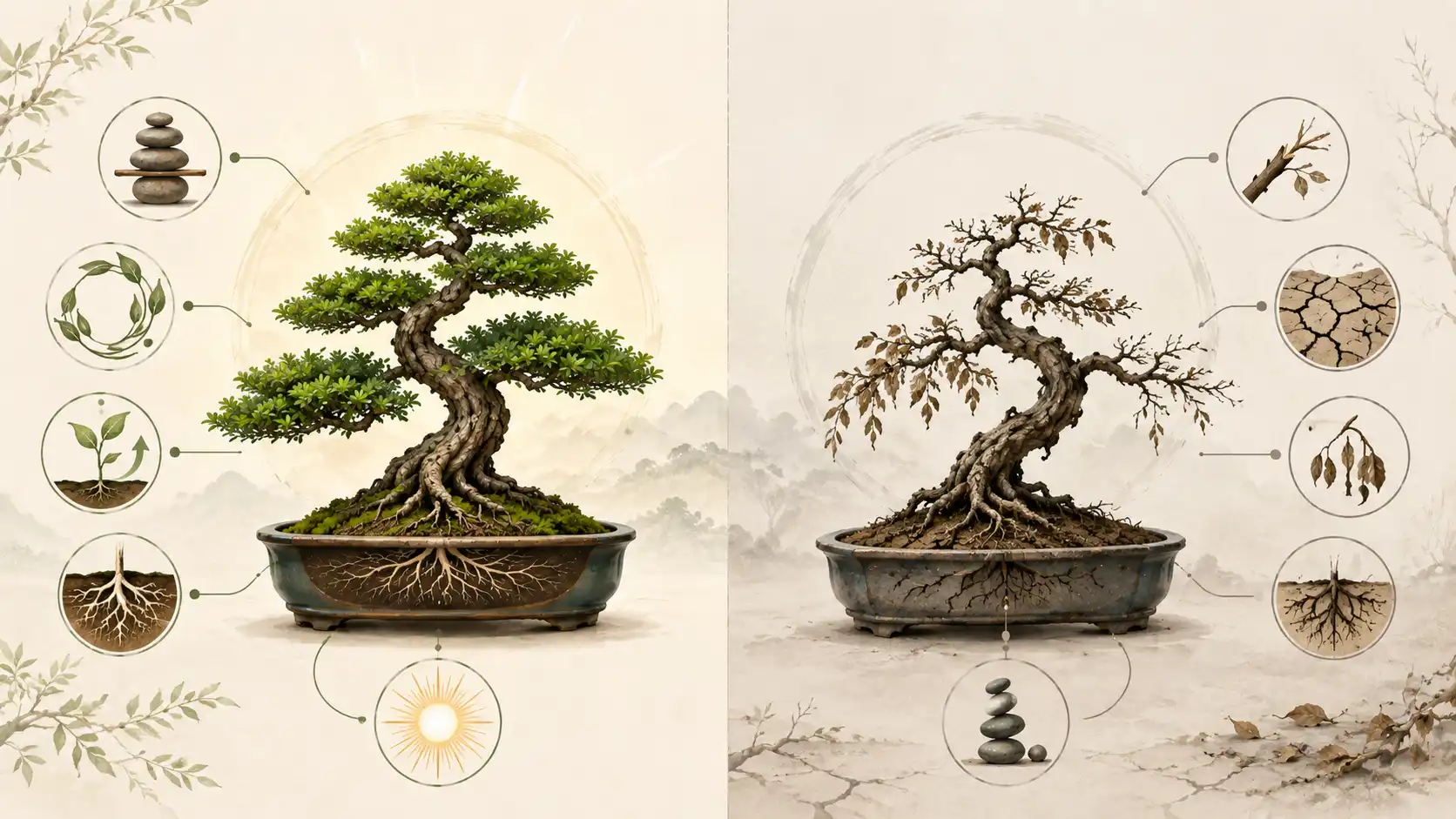
Yes, bonsai trees are generally considered good luck in many cultural traditions. The idea behind bonsai luck is connected to their symbolism of growth, stability, harmony, and prosperity. However, whether a bonsai is considered lucky can depend on cultural beliefs, species selection, and placement.
Bonsai trees are often considered lucky because they represent:
- Continuous growth: A healthy bonsai reflects progress and improvement.
- Strong roots and stability: The tree represents a stable foundation in life.
- Care and responsibility: Nurturing a bonsai symbolizes positive energy and dedication.
- Balance: The controlled shape represents harmony between nature and human effort.
In Feng Shui and other traditions, bonsai plants are often viewed positively when they are healthy, well-maintained, and placed thoughtfully.
When Are Bonsai Considered Unlucky?
Bonsai trees are sometimes considered unlucky when they are neglected, dying, or placed in areas believed to create negative energy according to certain traditions. This belief is symbolic rather than scientific.
Some reasons people may associate bonsai with bad luck include:
- A dying bonsai may symbolize decline or loss of vitality.
- Poor care can represent neglect or imbalance.
- Certain traditional beliefs discourage placing plants in specific areas of the home.
The idea that it is not good to keep bonsai at home is not a universal belief. Many people keep bonsai indoors as decorative plants and symbols of peace and natural beauty.
Bonsai and Feng Shui
Bonsai Feng Shui focuses on creating balance between natural elements and the energy flow within a space. In Feng Shui traditions, plants are often associated with growth, life energy, and positive movement. Like bonsai trees, other plants are also associated with prosperity and positive energy in Feng Shui traditions. Learn more about the symbolism and care of the Lucky Money Plant.
The bonsai tree meaning in Feng Shui is commonly connected with:
- Balance between nature and human surroundings
- Stability and grounding energy
- Growth and prosperity
- Calm and peaceful environments
Whether bonsai is considered good or bad Feng Shui depends mainly on placement and condition. A healthy bonsai with proper care is generally viewed more positively than a weak or neglected plant.
Where Should a Bonsai Tree Be Placed in the House?
According to traditional Feng Shui practices, bonsai trees are often placed in areas where they can symbolize growth and positive energy.
Common suggested locations include:
- Entryway: A bonsai near the entrance may symbolize welcoming positive energy.
- Living room: Often considered a good area for balance and natural harmony.
- Workspace: A bonsai can represent focus, patience, and growth.
Some Feng Shui traditions suggest avoiding:
- Bathrooms: Because water-related energy is believed to weaken plant symbolism.
- Bedrooms: Some traditions prefer keeping active growth energy outside sleeping areas.
These are cultural recommendations rather than proven scientific rules.
Best Bonsai Trees for Good Luck (Feng Shui Table)
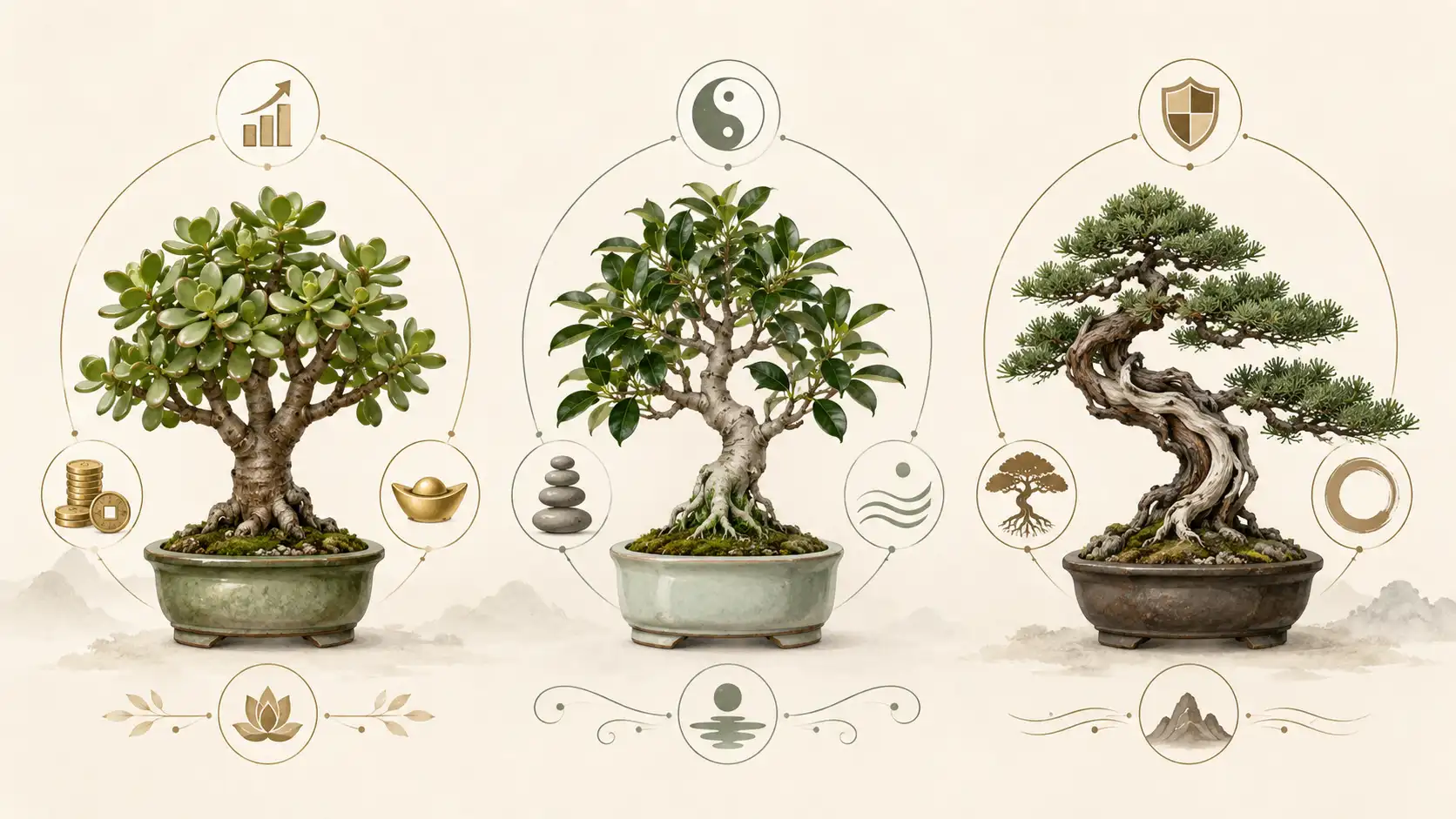
| Bonsai Type | Symbolic Meaning | Feng Shui Association |
| Jade Bonsai (Crassula ovata) | Wealth, prosperity | Money tree symbolism |
| Ficus Bonsai | Resilience, harmony | Balance and stability |
| Juniper Bonsai | Longevity, protection | Strength and endurance |
Gifting a Bonsai Tree — Meaning and Etiquette
A bonsai tree is often considered a meaningful gift because it represents care, growth, patience, and long-lasting relationships. The bonsai gift meaning is connected with wishing someone stability, success, and harmony.
Bonsai trees are commonly gifted for:
- Housewarming occasions
- Business openings
- Birthdays
- Career milestones
- Special achievements
The meaning behind gifting a bonsai tree is often a wish for:
- Long life and success
- Personal growth
- Peace and balance
- Strong relationships
Is It Bad Luck to Buy Yourself a Bonsai?
No, buying yourself a bonsai tree is not considered bad luck by most traditions. The belief that bonsai must be gifted to bring luck is a cultural myth rather than a universal rule. Many indoor plants are valued not only for symbolism but also for easy care and growth habits. The Japanese Money Plant is another popular plant associated with positive energy and simple maintenance.
A self-purchased bonsai can still symbolize personal growth, discipline, and connection with nature. The care given to the tree is usually considered more important than who purchased it.
Jade Bonsai — The Money Tree of Good Luck
The jade bonsai tree, scientifically known as Crassula ovata, is one of the most popular bonsai plants associated with luck and prosperity. In many traditions, jade plants are called money trees because their rounded leaves are believed to represent wealth and abundance.
Jade bonsai is often compared with other plants connected with wealth symbolism, such as the money tree. Discover more about the benefits of the money tree plant for home luck and its traditional meaning.
The jade bonsai is especially connected with:
- Financial prosperity
- Good fortune
- Stability
- Positive energy
Jade Bonsai Care Basics
Jade bonsai care is relatively simple because Crassula ovata is a drought-tolerant succulent.
| Care Need | Requirement |
| Watering | Water infrequently and allow soil to dry between watering |
| Light | Bright indirect light is ideal |
| Soil | Use a well-draining succulent soil mix |
| Fertilization | Apply light fertilizer during active growing seasons |
| Pruning | Trim regularly to maintain compact growth |
| Climate | Indoor-friendly; protect from frost |
A common beginner mistake is overwatering jade bonsai because the plant stores water in its leaves.
Bonsai Tree Size and Growth (Symbolic Relevance)
Bonsai size and growth patterns are often connected with the symbolism of patience and gradual prosperity. Unlike ordinary houseplants, bonsai are intentionally maintained as miniature trees through pruning and training.
Bonsai trees grow differently depending on species, environment, light, watering, and care routines. Understanding plant growth patterns can help gardeners track development and provide better care over time. You can also use our Plant Growth Calculator to estimate plant growth and understand how growing conditions influence plant development.
Plant Size
A bonsai tree’s mature size depends on its species, pot size, and growing conditions. Many bonsai trees range from about 6 inches to 3 feet tall.
Factors affecting bonsai size include:
- Species characteristics
- Indoor or outdoor growing conditions
- Light availability
- Pruning practices
- Root management
Growth Rate
Most bonsai trees grow slowly to moderately because their size is controlled through cultivation techniques.
Growth speed depends on:
- Species type
- Seasonal changes
- Watering routine
- Sunlight exposure
- Soil quality
Common Bonsai Mistakes That Undermine Its “Luck”
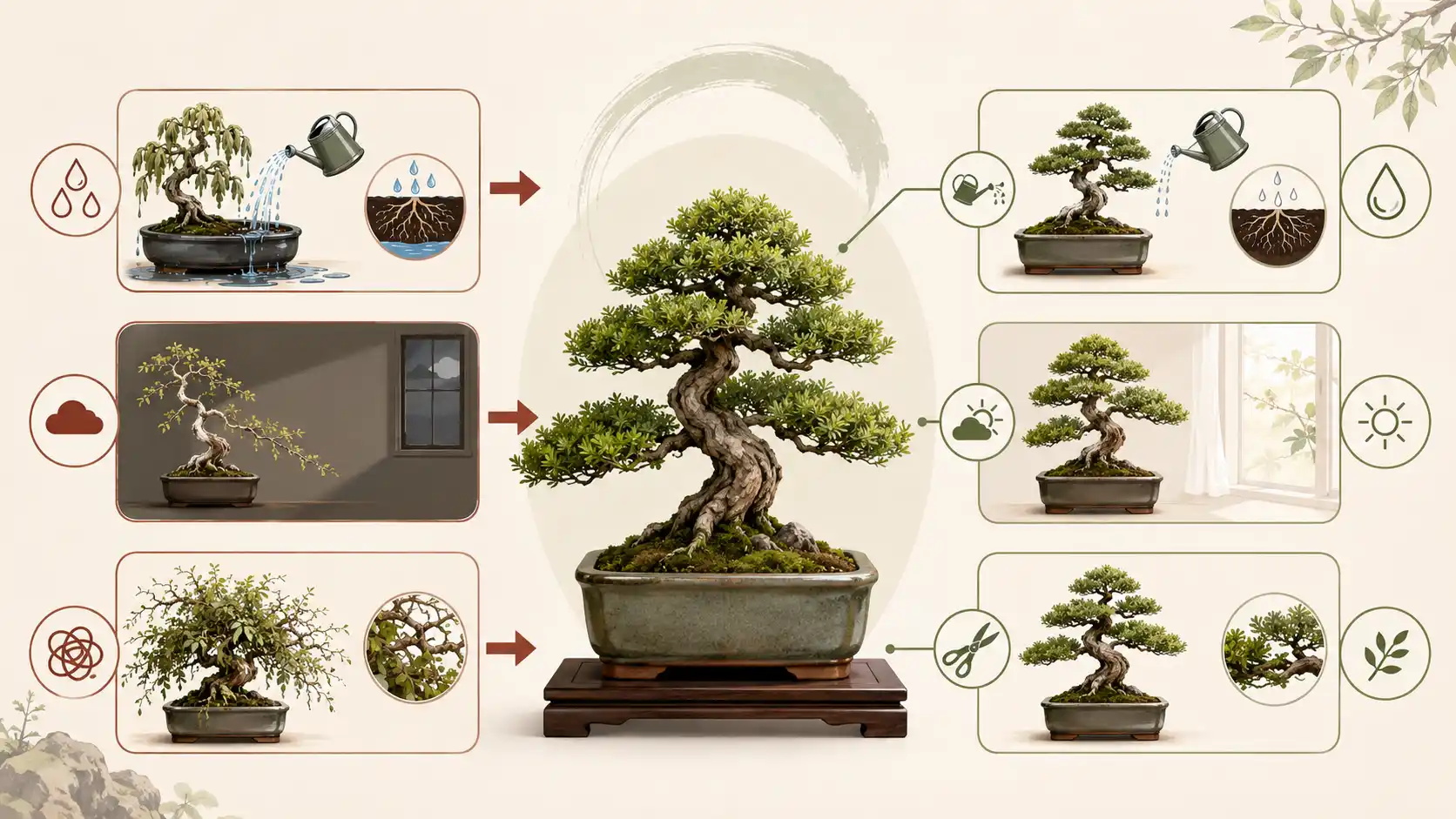
The biggest mistake bonsai beginners make is often improper watering, especially overwatering. Poor care can damage the tree and reduce the symbolic value people associate with a healthy bonsai.
Common problems include:
Overwatering
Why it happens:
- Beginners water on a fixed schedule without checking soil moisture.
How to fix:
- Allow soil to partially dry before watering again.
How to prevent:
- Learn the needs of the specific bonsai species.
Poor placement and lighting
Why it happens:
- Bonsai are sometimes kept in decorative areas without enough light.
How to fix:
- Move the tree to a location with suitable sunlight.
How to prevent:
- Research whether the species prefers indoor or outdoor conditions.
Neglecting pruning
Pruning maintains the tree’s shape and health. Many bonsai growers follow shaping principles, including the rule of 3, to maintain visual balance.
What Is the Rule of 3 in Bonsai?
The rule of 3 in bonsai refers to creating balanced branching and visual structure by avoiding crowded growth and maintaining a natural three-dimensional appearance. It helps create harmony in the tree’s shape.
What Is the Golden Rule of Bonsai?
The golden rule of bonsai is often described as choosing the right tree, the right pot, and providing the right care. Successful bonsai cultivation depends on matching the plant’s needs with proper maintenance.
Best Bonsai Trees for Beginners
The best bonsai for beginners are usually species that tolerate common mistakes and adapt well to regular care routines.
Beginner-friendly choices include:
- Jade bonsai
- Ficus bonsai
- Juniper bonsai
A bonsai tree can live for decades or even centuries when properly cared for, depending on the species and environment.
Bonsai Varieties Compared (Comparison Block)
| Feature | Jade Bonsai | Ficus Bonsai | Juniper Bonsai |
| Care Difficulty | Easy | Easy to moderate | Moderate |
| Lifespan | Many decades with care | Decades to very long-lived | Long-lived |
| Luck Symbolism | Wealth and prosperity | Harmony and resilience | Longevity and protection |
| Best For | Beginners | Indoor growers | Outdoor bonsai enthusiasts |
Which Plants Are Considered Unlucky for the Home?
Some plants are considered unlucky in certain cultural beliefs, but these ideas vary widely. Plants that are traditionally viewed negatively are often associated with thorns, decline, or poor maintenance rather than specific scientific problems.
Examples sometimes considered unlucky include:
- Dying or neglected plants
- Certain thorny plants in some Feng Shui interpretations
- Plants placed in unsuitable areas according to tradition
Bonsai trees are generally different because they are usually associated with balance, patience, and positive growth when properly cared for.
Conclusion
Are bonsai trees good luck? In many cultures, bonsai trees are considered symbols of good luck, harmony, prosperity, and balance. Their meaning comes from their connection with patience, growth, resilience, and careful cultivation. While species such as jade bonsai have stronger associations with wealth and fortune, any healthy bonsai can represent positive qualities. Placement, species choice, and proper care influence the symbolic meaning of a bonsai. Ultimately, a bonsai tree is valued not only as a lucky symbol but also as a living reminder of patience and balance.
FAQs
Is it lucky to have a bonsai tree?
Yes, many cultures consider having a bonsai tree lucky because it symbolizes harmony, growth, balance, and prosperity. The symbolism depends on cultural traditions and personal beliefs.
What does a bonsai tree symbolize?
A bonsai tree symbolizes patience, resilience, harmony, discipline, longevity, and personal growth. It represents the balance between nature and human care.
Are bonsai trees supposed to be gifted?
Bonsai trees are often gifted because they symbolize good wishes, success, and long-lasting relationships. However, a bonsai does not need to be gifted to have positive meaning.
Where is the best place to keep a bonsai tree?
A bonsai tree is commonly placed in areas such as the entryway, living room, or workspace where it receives suitable light and care. Feng Shui traditions often emphasize balanced placement.
What is the one mistake all bonsai beginners make?
The most common beginner mistake is overwatering. Bonsai trees often need careful watering based on soil moisture rather than a fixed daily schedule.
How many years does a bonsai tree live?
A bonsai tree can live for many decades, and some well-maintained bonsai trees can survive for hundreds of years depending on species, care, and environment.


