Introduction
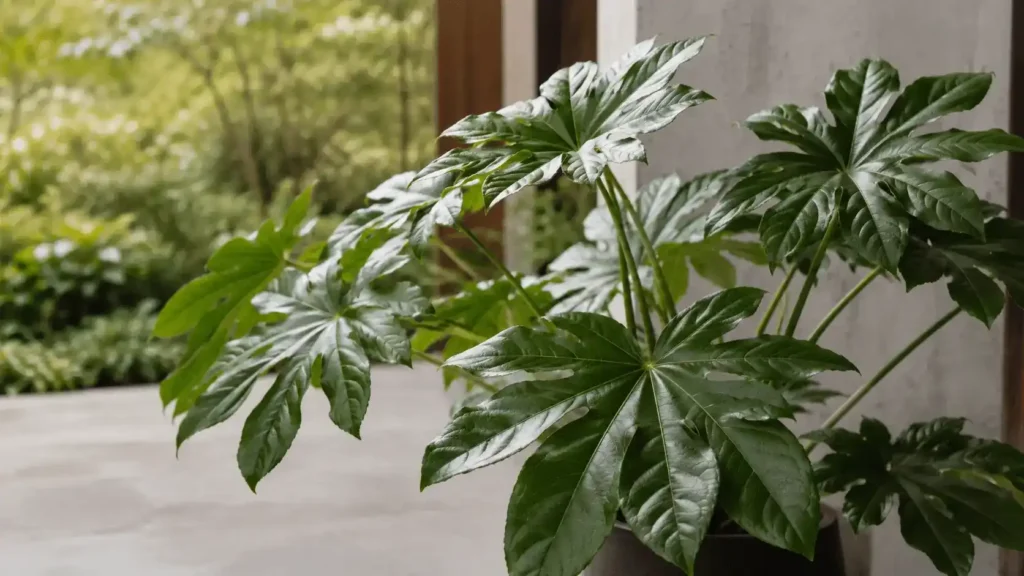
Paper plant care begins with understanding what this bold, architectural plant actually is. The paper plant (Fatsia japonica), also known as Japanese aralia, is a striking evergreen shrub with large, glossy, deeply lobed leaves and strong adaptability. Native to Japan and South Korea, it thrives in shade and partial shade environments. Whether grown indoors as a statement houseplant or outdoors in sheltered gardens, it delivers year-round tropical-style foliage. This guide explains everything about paper plant care, including light, watering, propagation, growth behavior, and troubleshooting common problems. Fatsia japonica is one of the easiest options for beginners compared to other indoor foliage plants like Monstera and Peperomia.
Quick Summary
- Fatsia japonica thrives in indirect light and moist, well-draining soil
- It grows 6–10 ft outdoors and 3–6 ft indoors depending on conditions
- Hardy in USDA zones 7–11 and tolerates cool temperatures well
- Propagation is easy through stem cuttings in soil or water
What Is a Paper Plant? Understanding Fatsia Japonica
Botanical Identity and Origin
The paper plant refers to Fatsia japonica, a member of the Araliaceae family. It is native to Japan, South Korea, and parts of Taiwan, where it naturally grows in shaded forest understories. It is valued for its ornamental foliage rather than flowers. According to botanical classifications, Fatsia japonica is widely documented in global plant databases as an ornamental Araliaceae shrub.
Why It Is Popular
This plant is widely used in landscaping and indoor gardening due to:
- Large decorative leaves
- Shade tolerance
- Low maintenance requirements
- Evergreen growth habit
Why Is It Called a Paper Plant?
The name “paper plant” comes from its thin yet strong leaf texture and its association with plants in the Araliaceae family used in traditional craft contexts. In the UK and parts of Europe, Fatsia japonica is commonly labeled as a paper plant in nurseries, even though it is not used to make paper.
Paper Plant vs. Other “Paper” Plants: Clearing Up the Confusion
Many unrelated plants share the “paper” name, causing confusion.
| Common Name | Scientific Name | Is It Fatsia Japonica? | Notes |
| Paper Plant | Fatsia japonica | Yes | Main ornamental species |
| Rice Paper Plant | Tetrapanax papyrifer | No | Used for rice paper production |
| Paper Bush | Edgeworthia chrysantha | No | Flowering shrub |
| Paper Daisy | Rhodanthe spp. | No | Annual flower plant |
| Paper Reed | Cyperus papyrus | No | Ancient papyrus plant |
Paper Plant Size: What to Expect as It Grows
Outdoor Growth Size
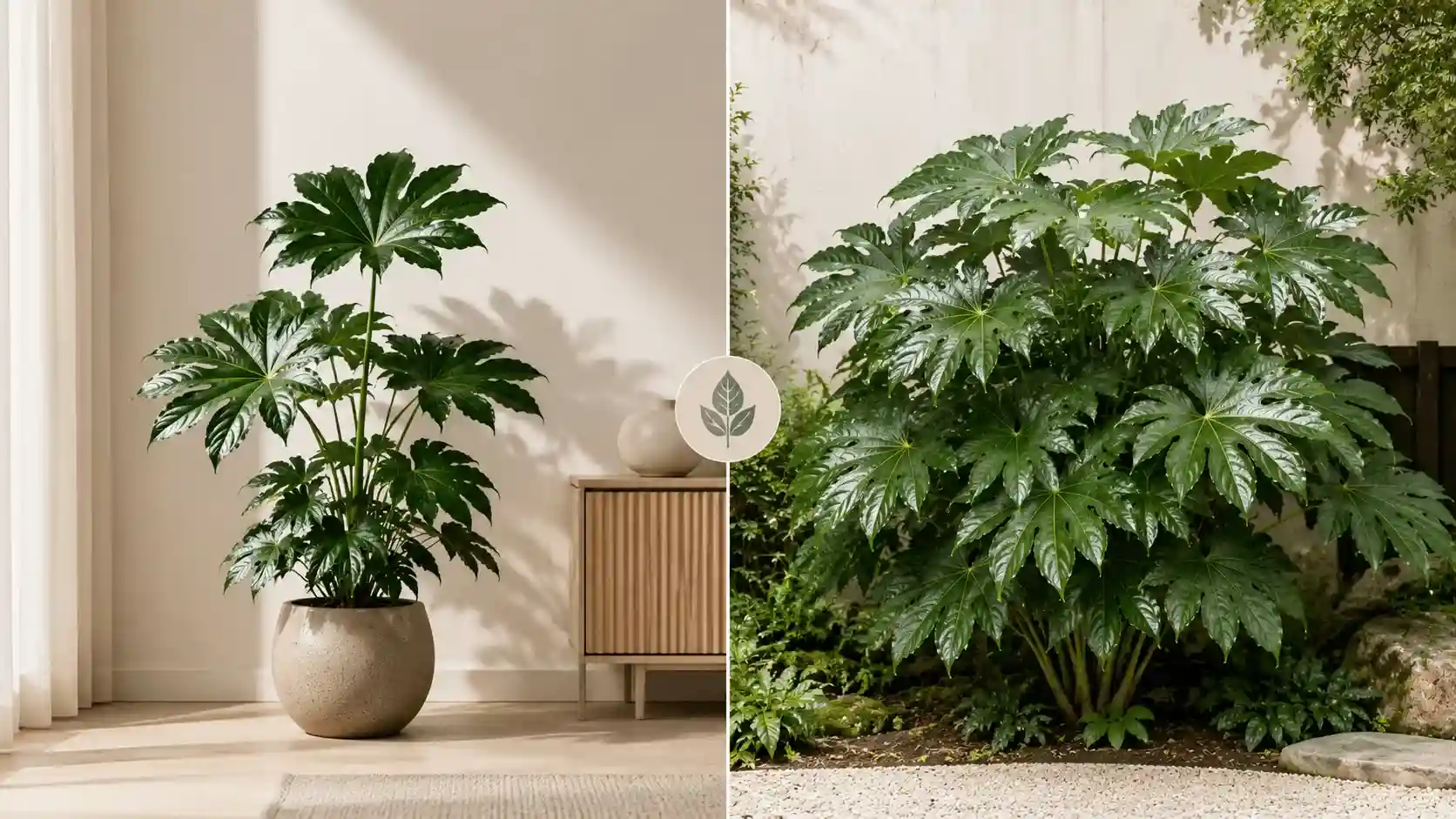
In gardens, Fatsia japonica typically reaches:
- Height: 6–10 ft (up to 13 ft in ideal conditions)
- Width: 6–10 ft
Indoor Growth Size
When grown in pots indoors:
- Height: 3–6 ft
- Growth is limited by container size and root space
How Fast Does Fatsia Japonica Grow?
Fatsia japonica grows at a moderate-to-fast rate. Growth is most active in spring and summer, while slowing significantly in colder months. Warm temperatures, regular feeding, and good moisture levels accelerate growth, while low light or poor soil slows development.
Paper Plant Care Indoors
Light Requirements
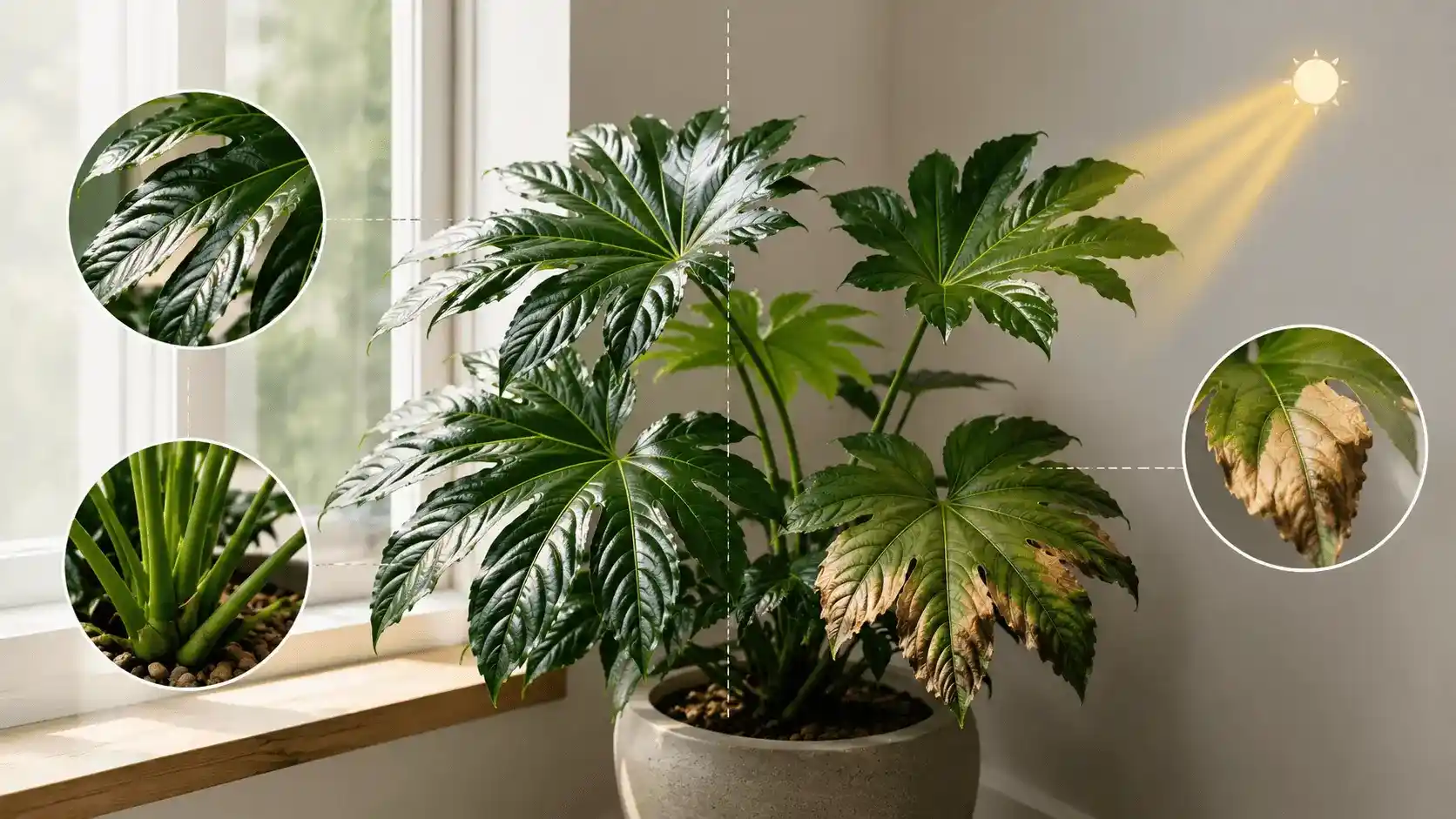
Indoors, Fatsia japonica prefers bright indirect light but tolerates low light. Avoid direct sunlight as it can scorch leaves. It performs similarly well in low-light environments like many house plants with waxy leaves, making it ideal for shaded interiors.
Watering Needs
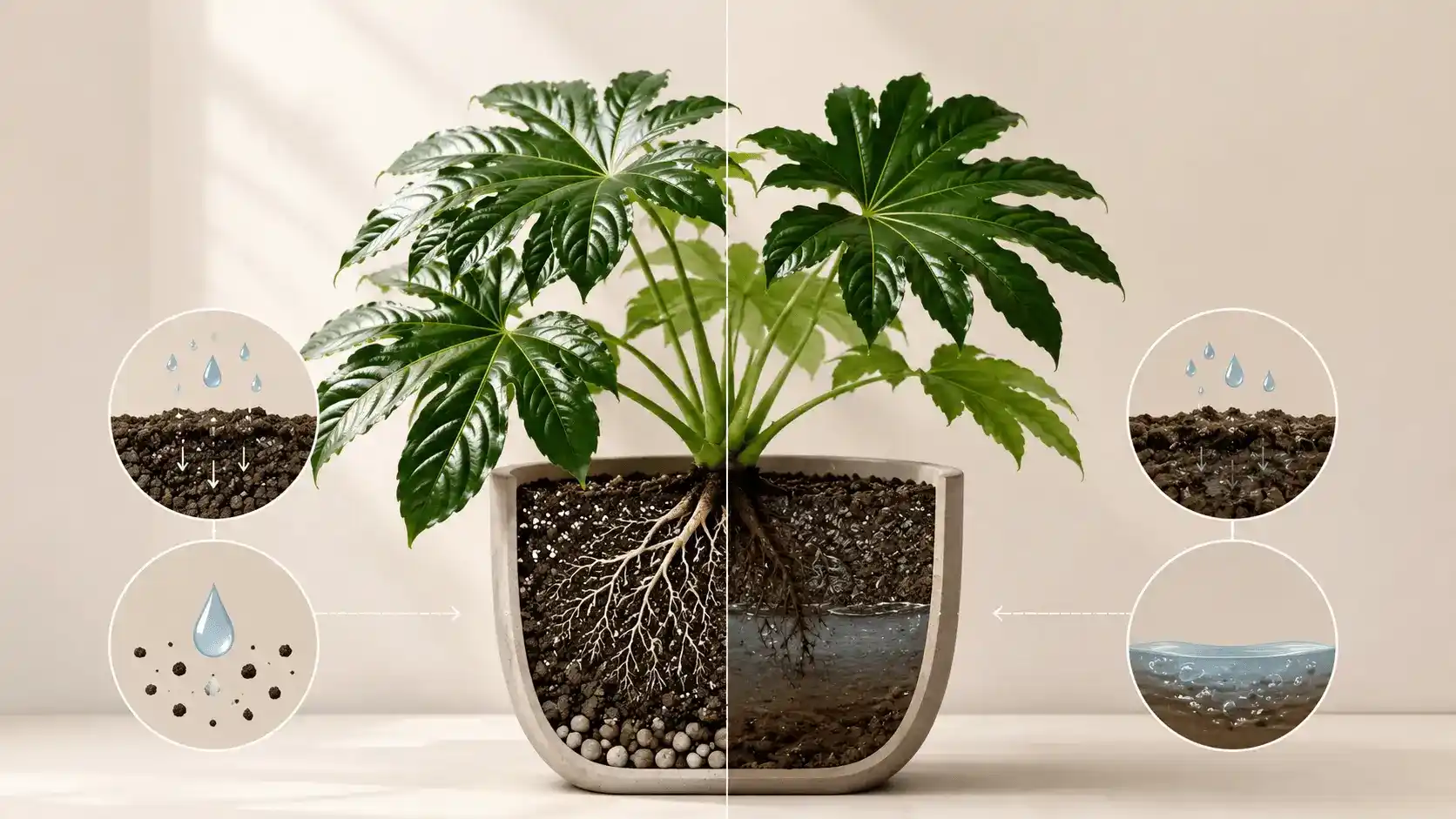
Keep soil consistently moist but never waterlogged. Reduce watering in winter. Overwatering is a common issue across many indoor species, especially in plants like Alocasia Amazonica, which share similar moisture sensitivity.
Temperature & Humidity
- Ideal temperature: 10–21°C
- Avoid heaters and dry air conditions
Soil Requirements
Use a well-draining, fertile mix with slight acidity. Ensure good drainage in pots. Good drainage practices are also essential for plants such as Begonia Maculata, which thrive in similar soil conditions.
Feeding
Feed monthly during spring and summer using balanced liquid fertilizer.
Paper Plant Care Outdoors
Best Outdoor Position
Fatsia japonica thrives in shaded or semi-shaded positions such as north-facing walls or woodland gardens. Many gardeners combine Fatsia japonica with Australian native garden plants for layered shade landscaping designs.
Hardiness
- USDA zones: 7–11
- Tolerates down to around -5°C with protection
This type of seasonal protection is also important for native full shade plants in Australia, especially in cooler regions.
Cold Hardiness Tips
- Mulch roots in autumn
- Use fleece during frost
- Protect young plants from freezing winds
- Grow in containers in colder regions
Water & Soil Outdoors
Prefers moist, organic-rich soil with good drainage. Water deeply during dry spells.
Fatsia Japonica Variegata Care
Variegated forms of Fatsia japonica require slightly more light to maintain leaf color. They are slower growing and more sensitive to cold but offer striking ornamental value.
Paper Plant Propagation
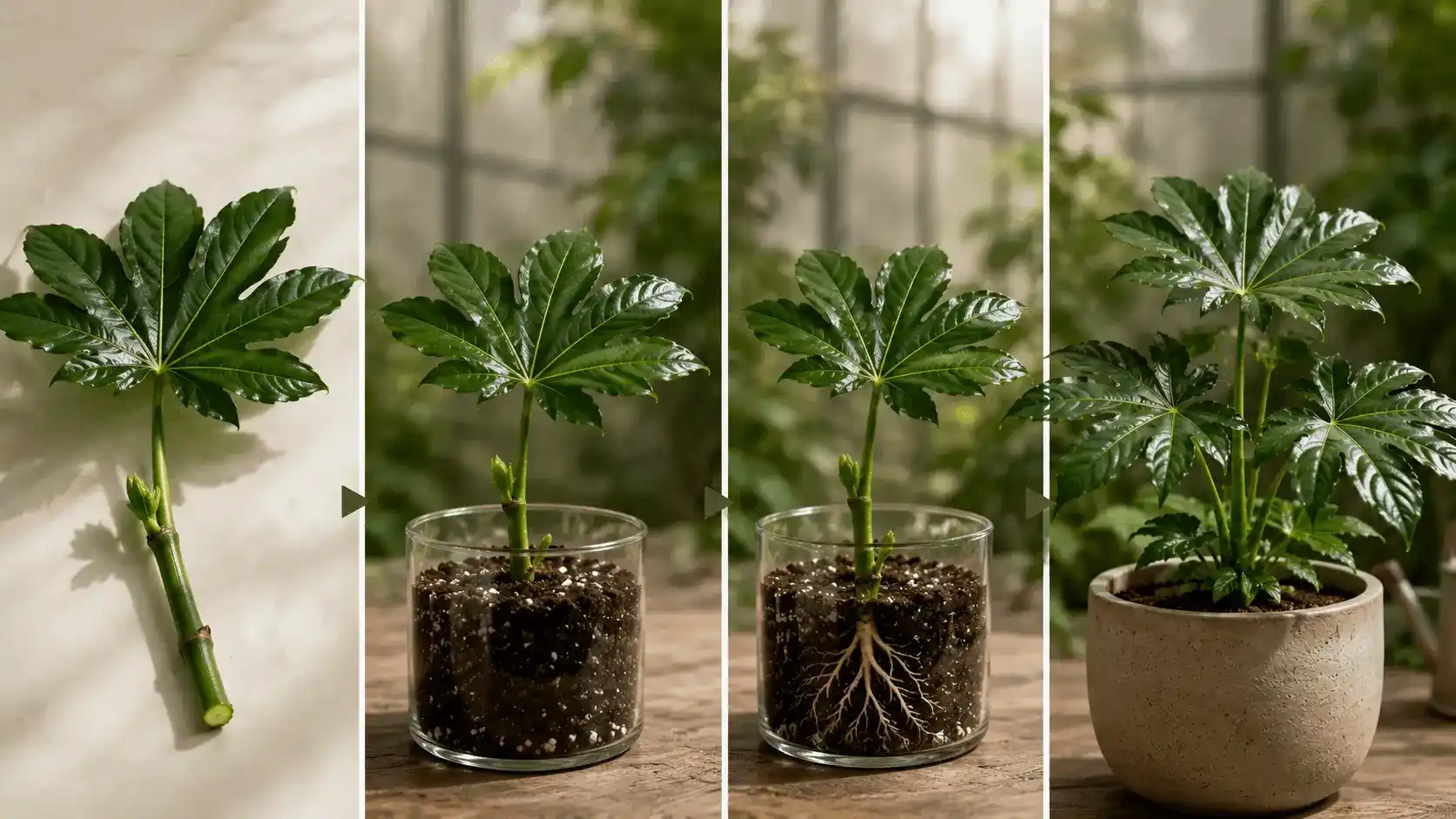
Best Time for Propagation
Late spring to early summer is ideal due to active growth conditions.
Stem Cutting Method
- Select healthy stem
- Cut 4–6 inches below node
- Remove lower leaves
- Use rooting hormone (optional)
- Plant in moist perlite/compost mix
- Keep at 18–22°C
Water Propagation
Cuttings can root in water but must be transferred to soil once roots develop to avoid weakness. Propagation techniques are widely shared across ornamental shrubs, including species in broader plants benefits and guides collections.
Common Problems with Paper Plants
Yellow Leaves
Usually caused by overwatering, nutrient deficiency, or natural aging leaves.
Overwatering
Signs include soggy soil and root rot. Improve drainage and reduce watering frequency.
Pests
Common pests include spider mites, aphids, and scale insects. Pest problems such as aphids are not unique to Fatsia japonica and are also commonly discussed in common garden bugs identification guides.
Slow Growth
Caused by low light, poor nutrition, or root-bound conditions.
Leaf Scorch
Occurs due to direct sunlight or strong wind exposure.
Beginner Mistakes
- Placing in direct sunlight
- Overwatering in winter
- Poor drainage in pots
- High indoor heat exposure
- Incorrect pruning timing
Varieties Worth Growing
- Species form: standard green type
- ‘Variegata’: cream-edged leaves
- ‘Spider’s Web’: speckled foliage
- ‘Annelise’: bold yellow-green contrast
Conclusion
Paper plant care for Fatsia japonica is simple once its core needs are understood: shade, consistent moisture, and protection from extreme cold or heat. Its adaptability makes it suitable for both indoor and outdoor environments. With minimal maintenance, it produces bold architectural foliage that enhances any space year-round.
Frequently Asked Questions
1. How often should I water a paper plant indoors?
Water when the top inch of soil is dry, usually every 7–10 days in summer and less in winter.
2. Can Fatsia japonica survive winter outdoors in the UK?
Yes, it survives in most UK regions down to about -5°C with minimal protection.
3. Why are the leaves on my paper plant drooping?
Drooping is usually caused by underwatering, heat stress, or root disturbance.
4. Can I grow Fatsia japonica in full shade?
Yes, it tolerates full shade but grows best in partial shade with indirect light.
5. How do I propagate a paper plant from cuttings?
Take a stem cutting in spring, place it in moist soil or water, and wait 4–8 weeks for roots.