
Introduction
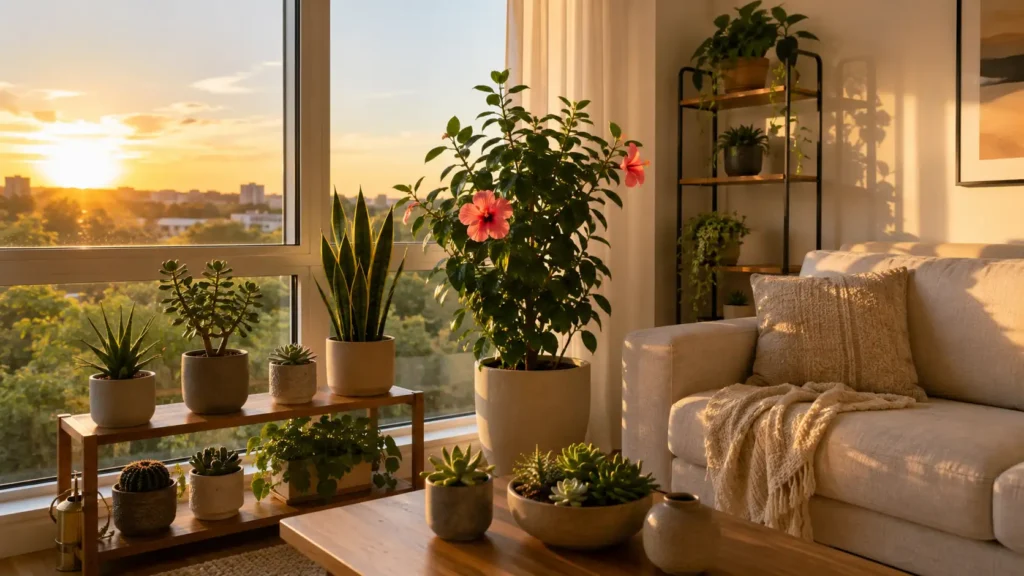
Plants for west facing window thrive in bright, intense afternoon sunlight that can be both beneficial and challenging. A west-facing window receives direct sun for several hours in the late afternoon, when light is strongest and temperatures are higher. This makes it ideal for sun-loving and heat-tolerant houseplants.
This article explains how to choose the right plants for west facing window conditions and how to care for them properly. It focuses on informational guidance rather than shopping advice, helping you understand which plant types naturally adapt to strong light exposure, heat buildup, and seasonal changes near west-facing glass.
Quick Summary
- West-facing windows receive intense afternoon sun, making them ideal for sun-loving and heat-tolerant houseplants.
- Best options include succulents, cacti, snake plants, and flowering plants like hibiscus and geranium.
- Some low-light plants can survive if placed slightly away from direct sunlight.
- Proper watering and placement adjustments are essential to prevent leaf scorch and stress.
Is a West-Facing Window Good for Plants?
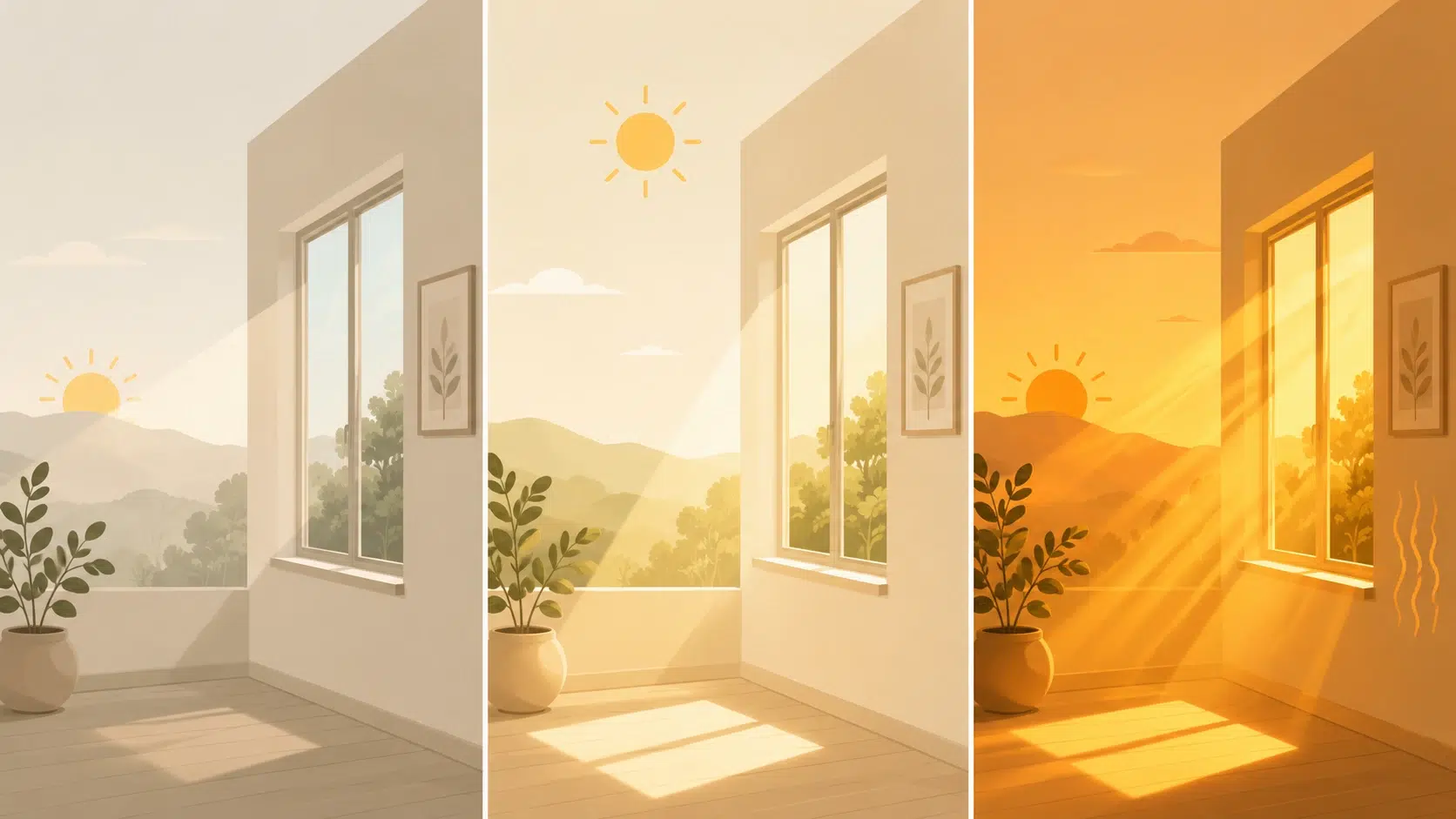
A west-facing window is good for plants that can tolerate strong, direct afternoon sunlight and higher heat levels. It provides some of the most intense indoor light conditions, especially in summer, which benefits sun-loving species but can stress shade-preferring plants.
West-facing exposure typically includes 3–5 hours of direct sun in the late afternoon. This period is warmer and more intense than morning light, increasing evaporation and leaf temperature. Plants placed here must be able to handle both bright light and heat fluctuations.
How West Light Differs From East, South, and North Light
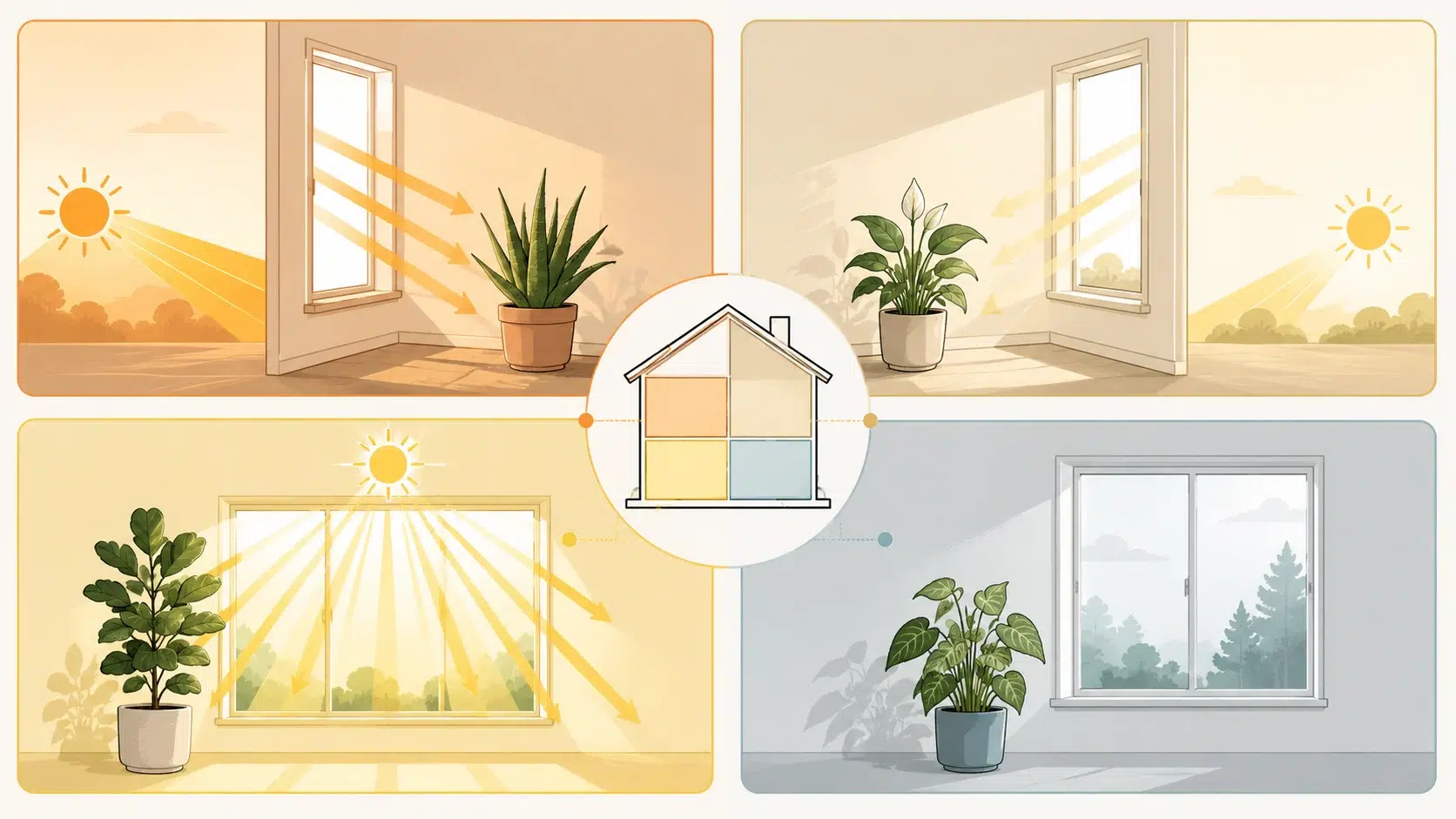
West light is stronger and hotter than east or north exposure but slightly less consistent than south-facing windows.
- East-facing windows: Soft morning sun, gentle intensity, ideal for low-to-medium light plants
- South-facing windows: Strong, consistent light all day, best for high-light plants
- North-facing windows: Low indirect light, suitable for shade-tolerant plants
- West-facing windows: Intense afternoon sun with heat buildup, ideal for sun-tolerant plants
📊 Table: Light Exposure by Window Direction
| Direction | Light Type | Intensity | Best For | Common Plants |
| West | Direct afternoon sun | High | Heat-tolerant plants | Succulents, cactus, croton |
| East | Gentle morning light | Medium | Low–medium light plants | Ferns, pothos |
| South | Strong all-day sun | Very high | Sun-loving plants | Ficus, cactus |
| North | Indirect low light | Low | Shade plants | Snake plant, ZZ plant |
Best Plants for West-Facing Windows
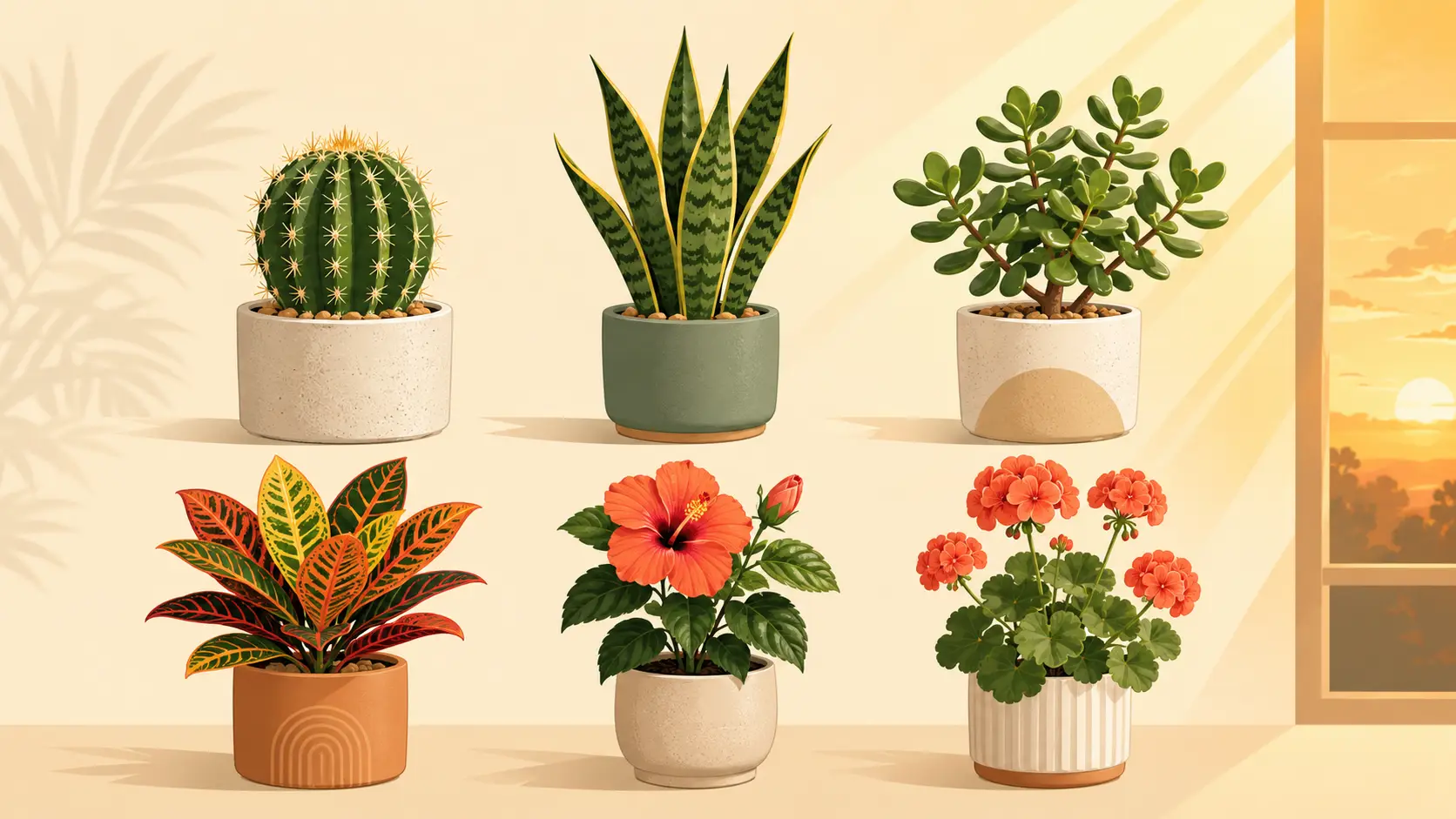
The best plants for west facing window conditions are those that tolerate heat, bright light, and occasional dryness. These plants naturally thrive under strong sunlight and are less prone to leaf burn when properly placed.
- Succulents – Store water in leaves, making them highly drought and heat tolerant
- Cacti – Naturally adapted to intense sunlight and dry conditions
- Snake plant (Sansevieria) – Survives both bright light and neglect
- Croton – Needs strong light for vibrant leaf colors
- Hibiscus – Produces flowers under high light conditions
- Geranium – Thrives in bright windows and blooms continuously
- Jade plant – Prefers strong sunlight and minimal watering
Best Flowering Plants for West-Facing Windows
Flowering plants for west-facing windows require strong light to produce blooms effectively.
- Hibiscus – Requires direct sun for continuous flowering
- Geranium – Produces long-lasting blooms in bright light
- African violet (with protection) – Needs filtered west light to avoid scorch
Small, Tall, and Hanging Plant Options
Different plant sizes respond differently to west-facing light conditions.
- Small plants: Aloe vera, echeveria, mini succulents
- Tall plants: Rubber plant, dracaena, yucca
- Hanging plants: String of pearls, trailing jade, pothos (slightly back from direct sun)
How to Care for Plants in a West-Facing Window
Plants in west-facing windows require adjusted care due to heat intensity and strong afternoon light exposure. Understanding how light intensity affects plant health is essential, especially when comparing direct and indirect sunlight conditions and selecting suitable indoor species.
Watering Needs
West-facing plants lose moisture quickly due to heat and sunlight. Watering should be based on soil dryness rather than a fixed schedule. Overwatering is less common than underwatering in these conditions.
- Check soil 2–3 cm deep before watering
- Increase watering frequency in summer
- Reduce watering in winter when growth slows
Light Requirements & Placement
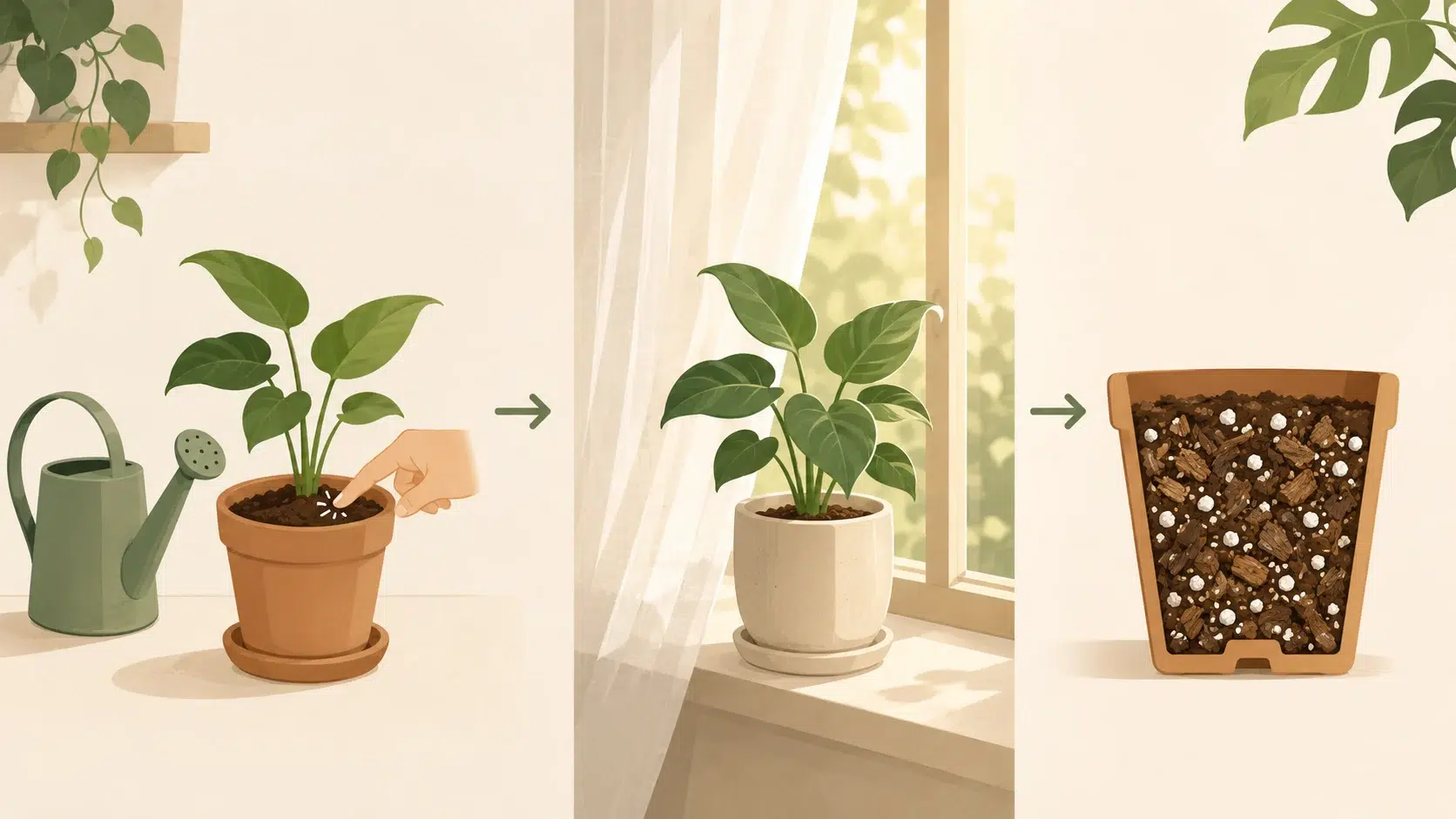
Placement is critical to prevent leaf damage.
- Heat-tolerant plants can stay near the glass
- Sensitive plants should be placed 1–2 feet away
- Use sheer curtains to diffuse harsh afternoon sun
Soil, Fertilization, and Climate Tolerance
- Use well-draining soil for succulents and sun-loving plants
- Fertilize during active growth (spring and summer)
- Avoid over-fertilizing, which can stress heat-exposed plants
- Choose plants that tolerate warm indoor climates
Plant Size and Growth Rate in West-Facing Light
Light intensity directly affects plant size and growth behavior in west-facing environments.
Typical Mature Size Indoors
Indoor plants near west-facing windows often grow slightly faster and fuller due to strong light availability.
- Succulents remain compact
- Crotons and hibiscus can grow larger with proper care
- Snake plants grow upright and tall over time
Growth Rate Under Strong Afternoon Sun
Growth rate depends on species and seasonal variation.
- Fast growers: Croton, pothos, hibiscus
- Moderate growers: Snake plant, jade plant
- Slow growers: Cacti and many succulents
Growth is typically strongest in summer and slows significantly in winter.
Common Problems With West-Facing Window Plants
Leaf Scorch and Sunburn
Leaf scorch occurs when plants receive excessive direct afternoon heat.
- Why: Overexposure to strong sunlight
- Fix: Move plants slightly away from glass
- Prevention: Use sheer curtains or choose sun-tolerant species
Yellowing Leaves From Overwatering
Excess moisture combined with heat can damage roots.
- Why: Poor drainage or frequent watering
- Fix: Allow soil to dry and remove damaged roots
- Prevention: Use well-draining soil mix
Slow Growth or Leggy Plants
Even west-facing windows can produce poor growth if light is blocked.
- Why: Obstructions or distance from light source
- Fix: Reposition closer to light
- Prevention: Rotate plants regularly
Beginner Mistakes to Avoid With West-Facing Windows
Common mistakes include assuming all plants can handle direct afternoon sun. Beginners often place shade-loving plants too close to glass, causing burn. Another mistake is ignoring seasonal light variation, especially winter reduction in intensity. Overwatering during hot months is also common due to misunderstanding evaporation effects.
Seasonal and Environmental Considerations
West-facing light changes throughout the year. In summer, sunlight becomes extremely intense, increasing heat stress on plants. In winter, light intensity drops, reducing growth rates.
Indoor climate conditions also matter. Dry air from heaters or hot outdoor conditions can increase water loss. Adjusting placement and watering schedules seasonally ensures plant health. West-facing windows are beneficial but require monitoring to avoid overheating issues.
Conclusion
Plants for west facing window perform best when matched with species that tolerate strong afternoon sunlight and heat. Succulents, cacti, snake plants, and flowering plants like hibiscus and geranium are ideal choices. Proper care, including controlled watering and smart placement, ensures healthy growth and prevents sun-related damage. Understanding light intensity is key to maintaining thriving indoor plants in west-facing environments.
FAQs
1. What plants are best for west-facing windows?
Succulents, cacti, snake plants, jade plants, hibiscus, and geraniums are best suited for west-facing windows due to their heat and light tolerance.
2. Is a west-facing window considered direct sunlight?
Yes, west-facing windows receive several hours of direct afternoon sunlight, which is stronger and hotter than morning light.
3. Can I put my monstera in a west-facing window?
Monstera can survive near a west-facing window but should be placed slightly away from direct sun to prevent leaf burn.
4. What's the hardest houseplant to keep alive in strong sun?
Shade-loving plants like ferns and calatheas are hardest to maintain in strong west-facing sunlight due to leaf scorch risk.
5. What flowering plants grow well in a west-facing window?
Hibiscus and geranium thrive in west-facing windows because they require strong sunlight to produce flowers.
6. Are west-facing windows better than east-facing windows for plants?
Neither is better overall; west-facing windows suit sun-loving plants, while east-facing windows are better for gentle, low-light plants.



One Response