
Introduction
Lulo fruit benefits come from the nutrient-rich tropical fruit known scientifically as Solanum quitoense. Commonly called naranjilla, this fruit is widely grown in parts of South America, especially Colombia. Its bright citrus-like flavor and high levels of vitamins, antioxidants, and minerals make it valued for both nutrition and traditional uses. Understanding what lulo fruit is, what it tastes like, and what it is good for helps explain why it is often used in juices, smoothies, and health-focused diets.
What Is Lulo Fruit? Botanical Identity and Common Names
Scientific Classification and Plant Background
Solanum quitoense is a tropical fruiting plant belonging to the Solanaceae family, the same botanical family that includes tomatoes, eggplants, and potatoes. The fruit produced by this plant is widely known as lulo or naranjilla, both referring to the same species.
The terms naranjilla lulo, lulo naranjilla, and naranjilla fruit are often used interchangeably in culinary and botanical discussions. The plant originates from the Andean regions of South America, particularly Colombia, Ecuador, and Peru, where it thrives in humid, high-altitude environments.
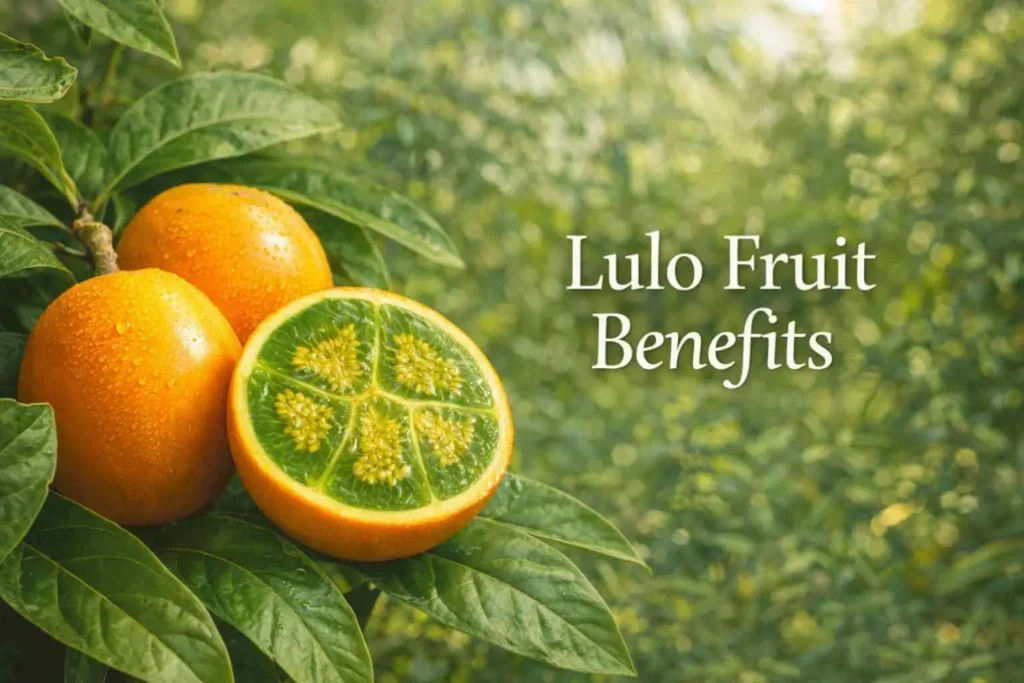
Lulo is considered one of the distinctive Colombian fruits and plays an important role in traditional beverages and regional diets. The plant itself produces round orange fruits with green pulp that contains small edible seeds.
Lulo Fruit in Different Languages and Regions
In English, lulo fruit is most commonly referred to as naranjilla, which literally means “little orange” in Spanish. When people ask what is lulo fruit in English, the answer is typically naranjilla, though the original Spanish name “lulo” is also widely used internationally.
Language variations include:
- Lulo in English: commonly called naranjilla
- Lulo Spanish: the standard name used in many South American countries
- Lulo fruit in Chinese: often translated as 南美橙果 or 南美小橙
- Lulo fruit in Arabic: sometimes referred to as فاكهة لولو
In Colombia, the fruit is commonly called lulo colombiano and is widely used in juices, desserts, and refreshing beverages.
Nutritional Profile Behind Lulo Fruit Health Benefits

Key Vitamins, Minerals, and Antioxidants
Many lulo fruit health benefits come from its nutrient-rich composition. The fruit contains several important vitamins and minerals that contribute to overall wellness.
Key nutrients include:
- Vitamin C, which supports immune function and antioxidant protection
- Vitamin A, important for vision and skin health
- Potassium, which supports heart and muscle function
- Dietary fiber, aiding digestion
- Natural antioxidants, helping protect cells from oxidative stress
These nutrients contribute to the overall lulo fruit benefits often associated with regular consumption of fresh tropical fruits.
Unique Compounds Found in Solanum quitoense
In addition to common vitamins and minerals, Solanum quitoense contains plant compounds known as phytonutrients. These natural compounds contribute to the fruit’s antioxidant properties.
Antioxidants help neutralize free radicals, which are unstable molecules linked to cellular damage. Some plant-based antioxidants also demonstrate anti-inflammatory properties, which may support long-term health when included as part of a balanced diet.
Major Lulo Fruit Benefits for Health and Wellness

Immune System and Antioxidant Support
Lulo fruit provides vitamin C and antioxidants, which help support the body’s immune defenses. Vitamin C plays a key role in maintaining immune cell function and protecting tissues from oxidative stress.
These properties contribute to many commonly cited lulo fruit health benefits, particularly in maintaining general wellness and immune resilience.
Digestive Health and Fiber Benefits
One of the practical answers to what is lulo fruit good for is digestive support. Lulo contains dietary fiber, which helps regulate digestion and maintain healthy bowel movements.
Fiber also supports beneficial gut bacteria and may improve overall digestive balance when included regularly in a varied diet.
Cardiovascular and Metabolic Health
Potassium present in lulo fruit contributes to cardiovascular health by helping regulate blood pressure and supporting proper muscle and nerve function.
The fruit also contains natural acids and water content that contribute to hydration, making it a refreshing addition to beverages and smoothies.
Lulo Fruit Benefits for Skin Health
Antioxidants and Skin Protection
Lulo fruit benefits for skin are often linked to its vitamin C and antioxidant content. Vitamin C plays a role in collagen production, which helps maintain skin elasticity and structure.
Antioxidants also support protection against oxidative stress caused by environmental factors such as pollution and sunlight.
Hydration and Nutrient Support for Skin Appearance
The fruit’s natural water content and nutrient composition may support hydrated and healthy-looking skin. Diets rich in fruits and vegetables are commonly associated with improved skin appearance due to their vitamin and antioxidant content.
Lulo Fruit Benefits for Diabetes and Blood Sugar Balance
Fiber and Glycemic Considerations
Some lulo fruit benefits for diabetes may come from its fiber content and relatively moderate carbohydrate profile. Dietary fiber helps slow sugar absorption, which may reduce rapid spikes in blood glucose levels.
Fruits with fiber are often considered more balanced dietary choices when consumed in moderate portions.
Important Dietary Considerations
Although lulo contains beneficial nutrients, it also contains natural fruit sugars. For individuals monitoring blood sugar levels, moderation and portion control remain important.
Including lulo as part of a balanced diet with whole foods helps maintain nutritional balance.
Flavor, Texture, and Culinary Uses of Lulo Fruit

What Does Lulo Fruit Taste Like?
Lulo fruit has a tangy, citrus-like tropical flavor. Many people describe the lulo flavor as a combination of pineapple, lime, and rhubarb.
The pulp is juicy and slightly acidic, which makes it especially suitable for refreshing drinks.
Common Food and Drink Uses
Lulo is widely used in beverages and desserts across South America. Popular preparations include:
- Lulo fruit juice
- Lulo juice
- Lulo fruit drink
- Lulo smoothie
- Naranjilla juice
One of the most popular beverages is lulo juice Colombia, a refreshing drink commonly served chilled.
What Is Lulo Juice?
Lulo juice is a tropical beverage prepared by blending lulo pulp with water or milk, often sweetened with sugar or honey. The drink has a bright citrus flavor and is commonly consumed throughout Colombia and neighboring regions.
How to Eat Lulo Fruit and Use It in Recipes

Fresh Fruit Preparation
To understand how to eat lulo fruit, the fruit is usually cut in half and the pulp is scooped out. The pulp contains small edible seeds that are typically consumed along with the juice.
Many people blend the pulp directly into drinks or strain it for a smoother texture.
Popular Culinary Preparations
Lulo can be used in various culinary applications, including:
- Lulo syrup
- Tropical juices
- Smoothies
- Desserts
- Refreshing fruit drinks
Its bright flavor makes it popular in both sweet and beverage recipes.
Common Confusions and Similar Tropical Fruits
Is Lulo Passion Fruit?
No, lulo is not passion fruit. Although both fruits are tropical and used in juices, they belong to different botanical families.
Passion fruit belongs to the Passifloraceae family, while lulo belongs to the Solanaceae family. Their flavors and plant structures also differ significantly.
Other Similar Tropical Fruits
Lulo is sometimes compared with other tropical fruits because of its citrus-like acidity. However, its botanical classification and green pulp distinguish it from many other fruits used in tropical beverages.
Beginner Questions and Practical Considerations
Availability and Growing Regions
Lulo fruit is widely cultivated in Colombia, Ecuador, and Peru, where it grows best in humid mountain climates.
In Colombia, the fruit is commonly included in daily beverages and traditional recipes, contributing to the lulo fruit Colombia benefits observed in local diets.
Storage and Handling Tips
Fresh lulo fruit should be stored in a cool environment and consumed within a few days of ripening.
If the pulp is extracted, it can be refrigerated or frozen to preserve flavor and nutritional value for later use in drinks or recipes.
Conclusion
Lulo fruit benefits come from the nutrient-dense tropical fruit Solanum quitoense, known as naranjilla. Rich in antioxidants, vitamin C, and dietary fiber, lulo supports digestion, skin health, and overall nutrition. Understanding what lulo fruit is, what it tastes like, and how it is used in juices and dishes helps explain its growing popularity as a unique tropical fruit with multiple health advantages.
Learn more: Canistel Fruit Benefits: Nutrition, Skin, and Health Guide
Frequently Asked Questions
What is lulo fruit in English?
Lulo fruit is commonly called naranjilla in English, referring to the tropical fruit produced by the plant Solanum quitoense.
What does lulo fruit taste like?
Lulo has a tangy citrus flavor often described as a combination of pineapple, lime, and rhubarb.
What is lulo fruit good for?
Lulo fruit is valued for vitamin C, antioxidants, dietary fiber, and hydration, supporting digestion and general nutrition.
Is lulo the same as passion fruit?
No. Lulo and passion fruit are different species, although both are tropical fruits commonly used in juices and desserts.
What is lulo juice?
Lulo juice is a traditional tropical beverage made by blending lulo pulp with water or milk and sweetener, creating a refreshing citrus-like drink popular in Colombia.



2 Responses