Introduction
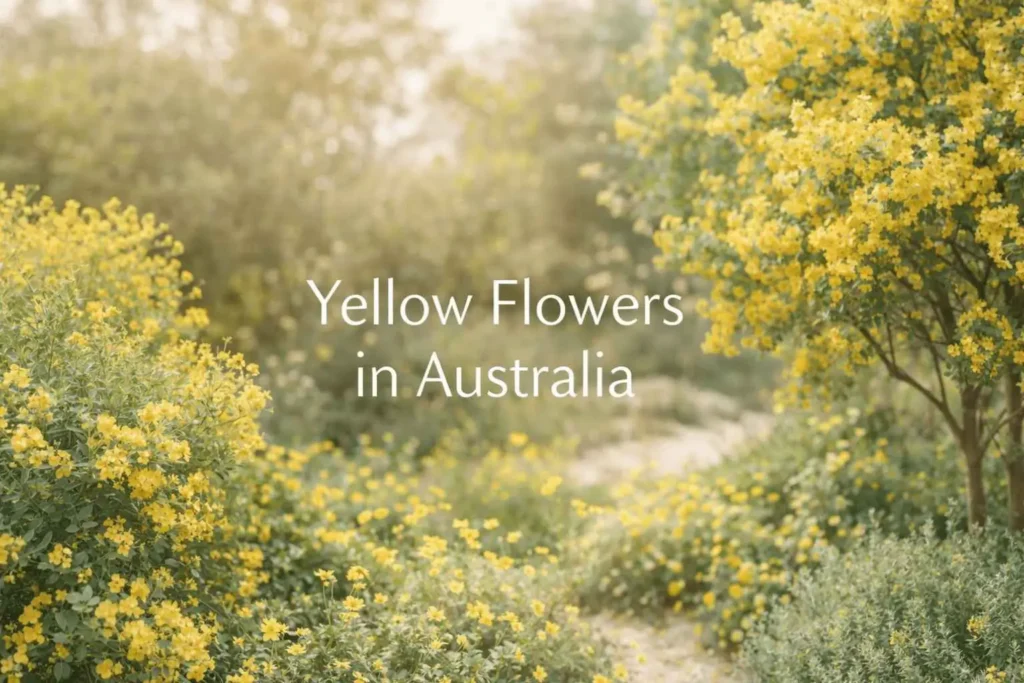
Yellow flowers in Australia include a wide variety of native and ornamental plants that grow across coastal, temperate, and arid regions. These plants range from small ground covers to large canopy trees, each contributing to garden design, biodiversity, and ecological balance. Their bright coloration not only enhances visual appeal but also plays a role in attracting pollinators such as bees and birds. Many Australian yellow flowers are adapted to harsh climates, making them suitable for low-maintenance landscaping. Understanding their types, growth habits, and environmental needs helps in selecting the right plants for gardens, driveways, or natural spaces.
Quick Summary
- Yellow flowers in Australia include trees, shrubs, perennials, and native wildflowers.
- Native species are typically drought-tolerant and adapted to local soils.
- These plants serve ornamental, ecological, and structural landscaping purposes.
- Selection depends on climate, garden size, and intended use.
What Are Yellow Flowers in Australia? (Definition & Scope)
Yellow flowers in Australia refer to a broad classification of plants identified by their yellow blooms rather than a single species group. This includes native plants, ornamental varieties, and naturally occurring wildflowers found across different ecosystems.
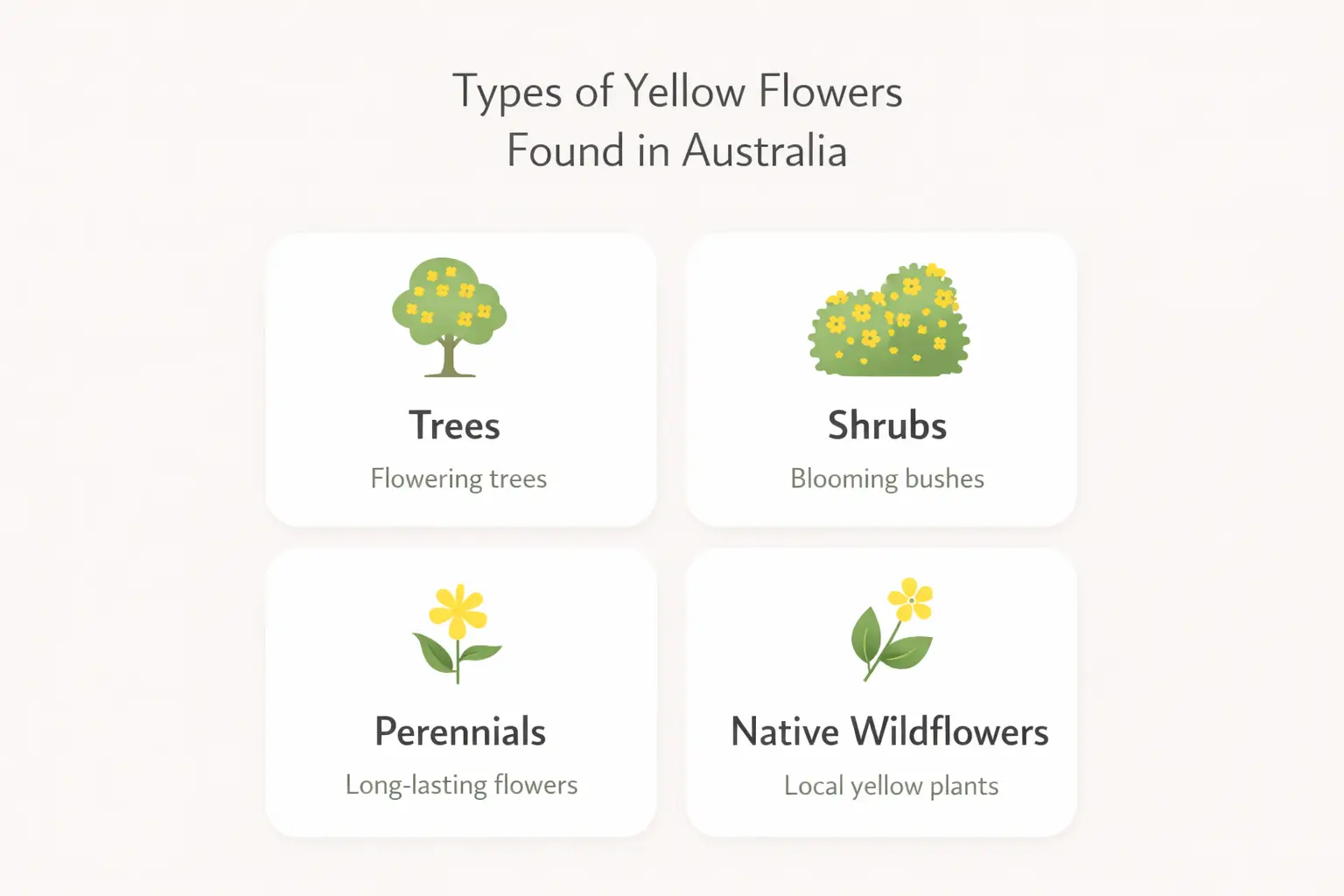
These plants fall into several categories:
- Trees with seasonal flowering canopies
- Shrubs used for structure and hedging
- Perennials that return annually
- Wildflowers adapted to natural landscapes
The term yellow flowers Australia covers both cultivated and naturally occurring species, making it a flexible classification used in gardening, landscaping, and ecological discussions.
Types of Yellow Flowers Found in Australia
Native Yellow Flowers Australia
Native yellow flowers in Australia are species that evolved within local environments and are adapted to the country’s climate conditions. These plants are commonly drought-resistant and thrive in poor soils.
Key characteristics:
- Support local pollinators and biodiversity
- Require minimal watering once established
- Naturally resistant to local pests and conditions
They are widely used in native gardens due to their sustainability and ecological benefits. One of the most recognizable Australian native yellow flowers comes from Acacia species, commonly known as wattles, which are widely distributed across the country.
Yellow Flowering Trees Australia
Yellow flowering trees in Australia include both native and ornamental species that produce large seasonal blooms. These trees are commonly used in streetscapes and large gardens.
Main uses:
- Provide shade and vertical structure
- Create strong seasonal visual impact
- Suitable for large landscapes and driveways
Their flowering period often defines the visual identity of a garden during peak seasons. For larger landscapes, yellow flowering trees can be combined with species featured in Fast Growing Australian Native Trees to create layered shade and seasonal visual impact.
Shrubs with Yellow Flowers Australia
Shrubs with yellow flowers are medium-sized plants used to create layers and structure within a garden. They are often chosen for their manageable size and dense growth.
Common uses:
- Border planting
- Privacy hedging
- Garden layering between trees and ground covers
These shrubs help create visual continuity and fill space efficiently. Many yellow flowering shrubs are used for hedging and structure, similar to evergreen hedge plants like Types of Lilly Pilly, which are commonly chosen for dense garden borders in Australia.
Yellow Perennial Flowers
Yellow perennial flowers are plants that regrow every year, making them a long-term addition to gardens. They are valued for consistency and ease of care.
Benefits include:
- Seasonal reappearance without replanting
- Low maintenance requirements
- Suitable for decorative beds and borders
They provide reliable color across multiple growing seasons.
Small vs Large Yellow Flowers (Size Variations)
Yellow flowers in Australia vary significantly in size, from small ground-level blooms to large flowering structures on trees.
Comparison:
- Small yellow flowers are ideal for dense planting and ground cover
- Large yellow flowers create focal points and visual dominance
Plant size directly influences garden design, spacing, and overall visual balance.
How to Identify Yellow Flowers in Australia
Tree and Plant Identification by Features
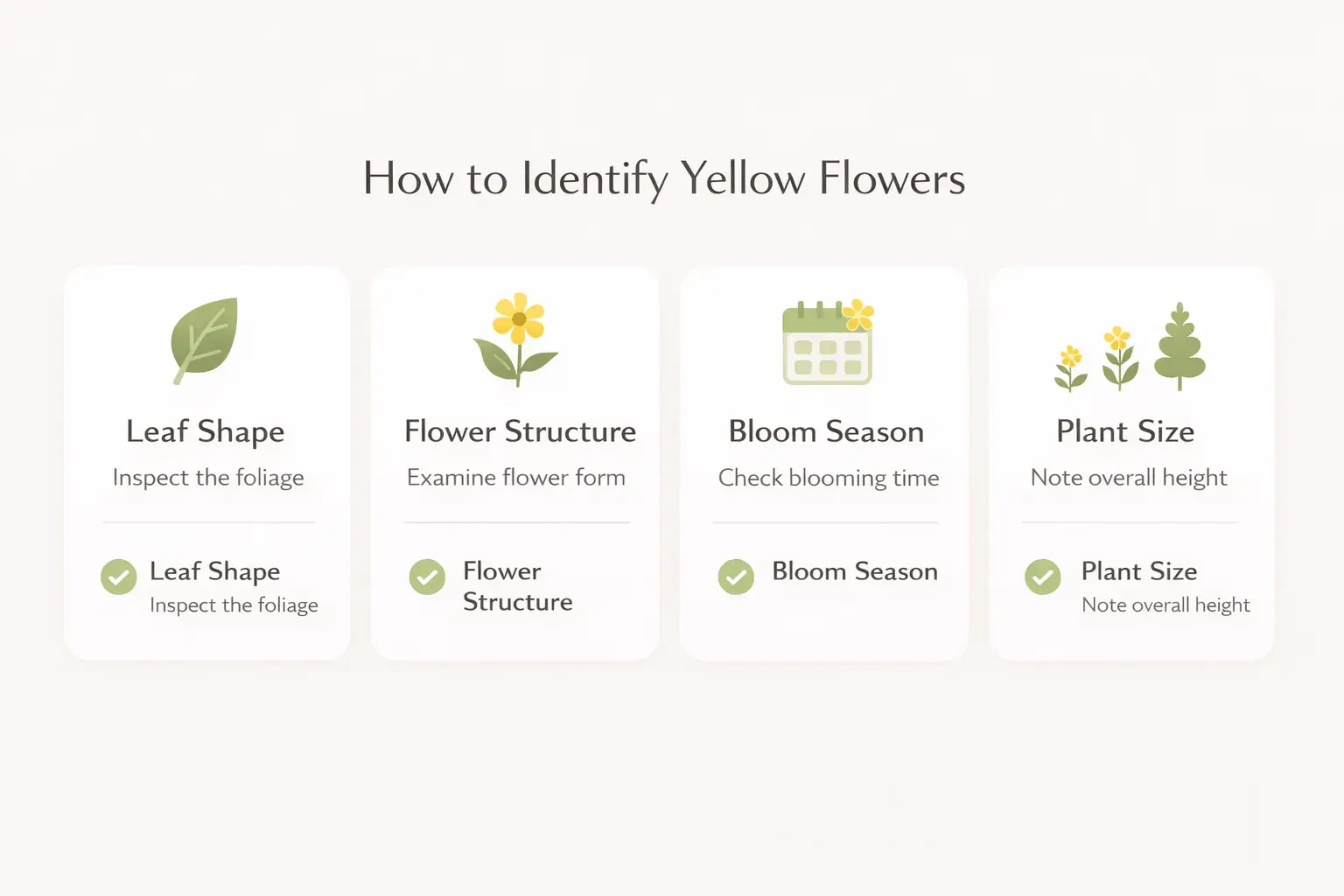
Yellow flowering plants can be identified by observing specific physical characteristics such as leaf shape, flower structure, and growth pattern.
Key identification factors:
- Leaf arrangement and texture
- Flower size and clustering pattern
- Blooming season
- Overall plant height and spread
Accurate identification often requires combining multiple features rather than relying on flower color alone.
Common Naming Patterns and Categories
Yellow flowers in Australia are classified using both common and botanical naming systems. Common names are easier to remember, while botanical names provide scientific accuracy.
Grouping methods include:
- Plant type (tree, shrub, perennial)
- Growth habit
- Flowering behavior
Understanding naming patterns helps in distinguishing similar-looking plants.
Yellow Flowering Trees vs Shrubs vs Perennials (Comparison)
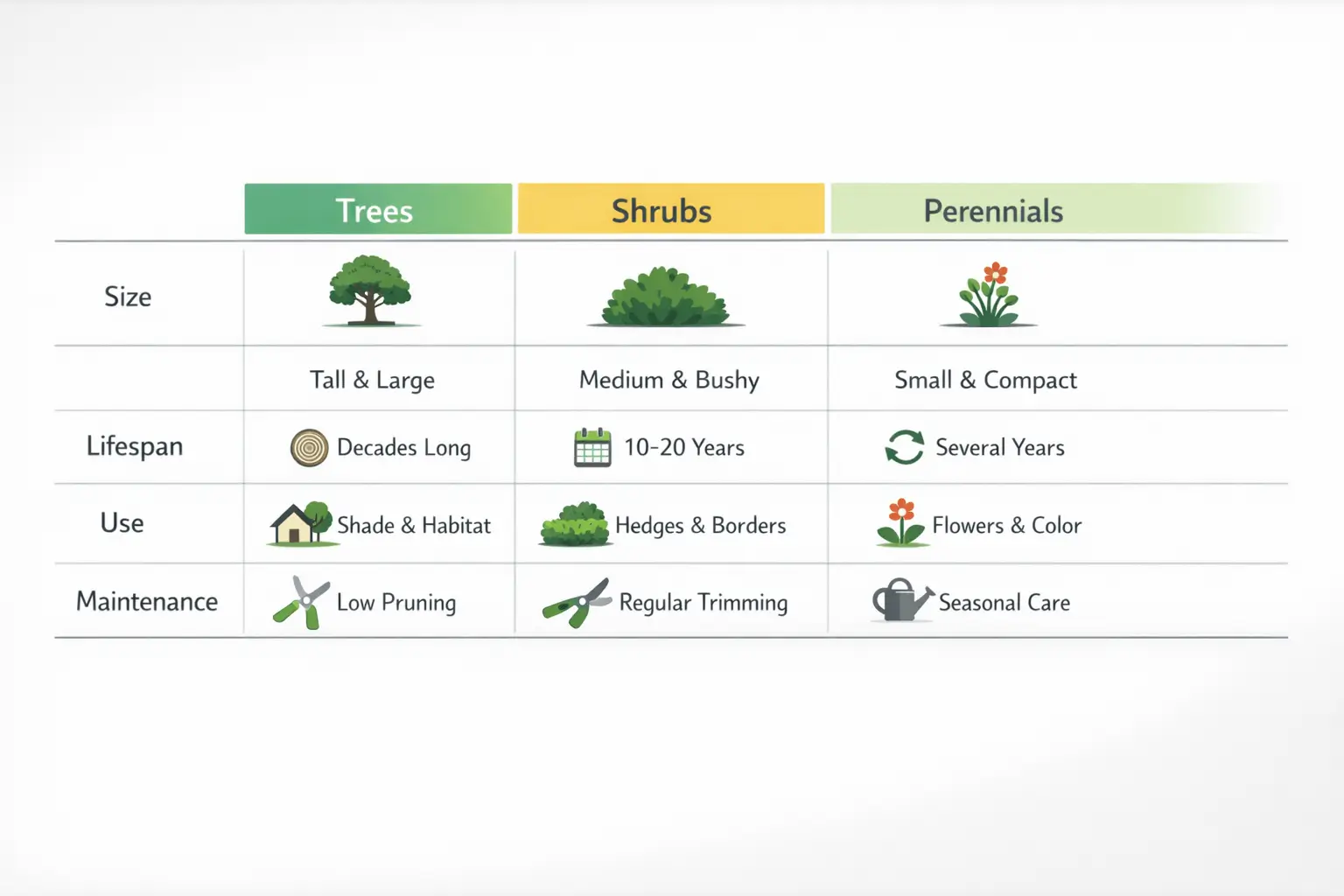
| Feature | Trees | Shrubs | Perennials |
| Size | Large canopy | Medium | Small |
| Lifespan | Long-term | Medium-term | Seasonal return |
| Use | Shade, structure | Borders, hedges | Ground cover |
| Maintenance | Low–moderate | Moderate | Low |
This comparison helps determine the most suitable plant type based on available space and intended garden use.
Seasonal Blooming Patterns of Yellow Flowers in Australia
Spring and Summer Yellow Flowers
Most yellow flowers in Australia bloom during spring and summer due to increased sunlight and warmer temperatures. These seasons provide optimal conditions for flowering. Seasonal flowering patterns can vary by region, so following a local guide like Brisbane Planting Guide helps ensure proper planting timing and consistent blooms.
Winter and Year-Round Bloomers
Some yellow flowering plants bloom during cooler months or continuously throughout the year. These plants are often selected to maintain year-round garden color.
Seasonal planning ensures continuous visual appeal and balanced plant cycles.
Native vs Non-Native Yellow Flowering Plants (Comparison)
Native plants:
- Adapted to Australian climate
- Require less water
- Support local ecosystems
Non-native plants:
- Offer a wider range of flower styles
- May require more maintenance
- Can need specific soil and watering conditions
Choosing between them depends on sustainability goals and design preferences.
Common Uses of Yellow Flowering Plants in Landscaping
Yellow flowering plants are widely used in landscaping due to their visual impact and ecological benefits.
Common applications:
- Creating contrast in garden design
- Attracting bees, birds, and pollinators
- Planting along driveways and pathways
- Serving as feature trees or focal points
Proper placement enhances both aesthetics and functionality.
Common Problems with Yellow Flowering Plants (and Solutions)
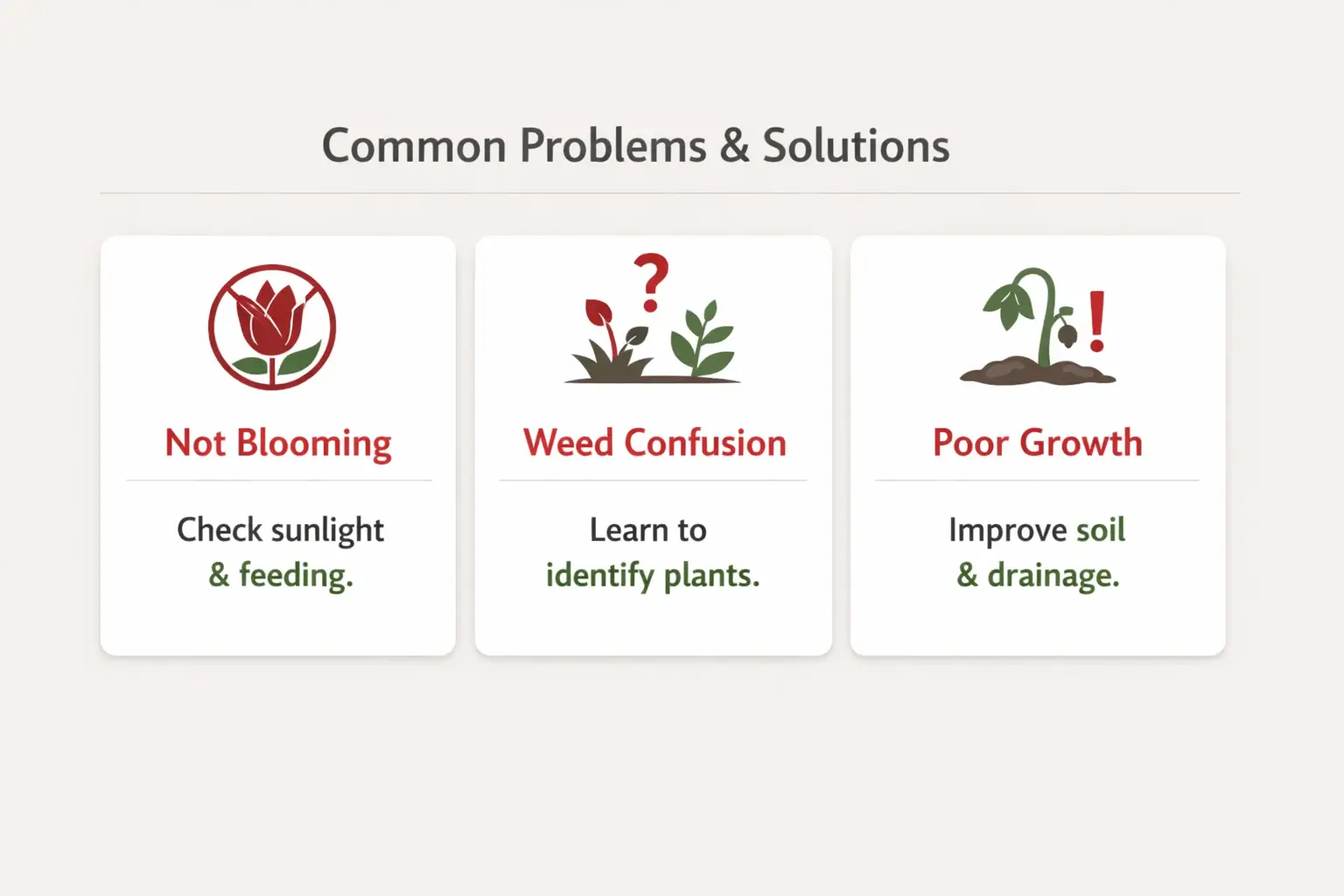
Yellow Flowers Not Blooming
Causes:
- Insufficient sunlight
- Poor soil conditions
Solutions:
- Increase light exposure
- Improve soil drainage and quality
Weed Confusion with Yellow Flowers
Causes:
- Wild plants resembling ornamental species
Solutions:
- Examine leaf and root structure
- Remove invasive weeds early
Poor Growth or Small Flowers
Causes:
- Nutrient deficiencies
- Unsuitable climate conditions
Solutions:
- Apply appropriate fertilizers
- Select plants suited to local environments
Beginner Mistakes When Choosing Yellow Flowers
Common mistakes include:
- Selecting plants unsuitable for the local climate
- Ignoring mature plant size
- Confusing weeds with ornamental plants
- Overwatering native species
Avoiding these errors improves plant survival and long-term garden success.
Environmental Factors Affecting Yellow Flower Growth
Several environmental factors influence how yellow flowers grow in Australia:
- Climate zones determine plant suitability
- Soil type affects root development and nutrient uptake
- Water availability impacts flowering and growth
Understanding these conditions helps ensure healthy plant development.
Unique Characteristics of Australian Yellow Flowers (Differentiation)
Australian yellow flowers are known for specific traits that distinguish them from global varieties:
- High drought tolerance
- Bright pigmentation for attracting pollinators
- Adaptability to diverse climates
These characteristics make them suitable for both natural and designed landscapes.
How to Choose the Right Yellow Flowering Plant
Choosing the right plant depends on several factors:
- Space: small gardens vs large landscapes
- Purpose: decorative, shade, or hedging
- Maintenance level: low vs moderate care
A structured selection approach ensures better compatibility with garden conditions.
Conclusion
Yellow flowers in Australia provide a diverse selection of plants, including native species, shrubs, trees, and perennials suited to different climates and landscaping needs. Their adaptability, ecological value, and visual appeal make them an essential component of Australian gardens. By understanding plant types, seasonal patterns, and environmental requirements, it becomes easier to select suitable yellow flowering plants that offer long-term growth, sustainability, and aesthetic impact.
FAQs
What are common yellow native flowers in Australia?
Many native species, especially wattles, are known for their bright yellow blooms and adaptability to Australian conditions.
How can I identify a tree with yellow flowers in Australia?
Identification involves observing leaf shape, flowering season, and overall tree size rather than relying only on flower color.
Are yellow flowering plants easy to grow in Australia?
Many native varieties are low-maintenance and drought-tolerant, making them suitable for beginners.
What is the difference between yellow flowering shrubs and trees?
Shrubs are smaller and used for borders or hedges, while trees provide height, shade, and structural elements.
Do yellow flowers attract pollinators?
Yes, yellow flowers commonly attract bees, birds, and insects due to their bright color and nectar availability.


2 Responses