
Introduction
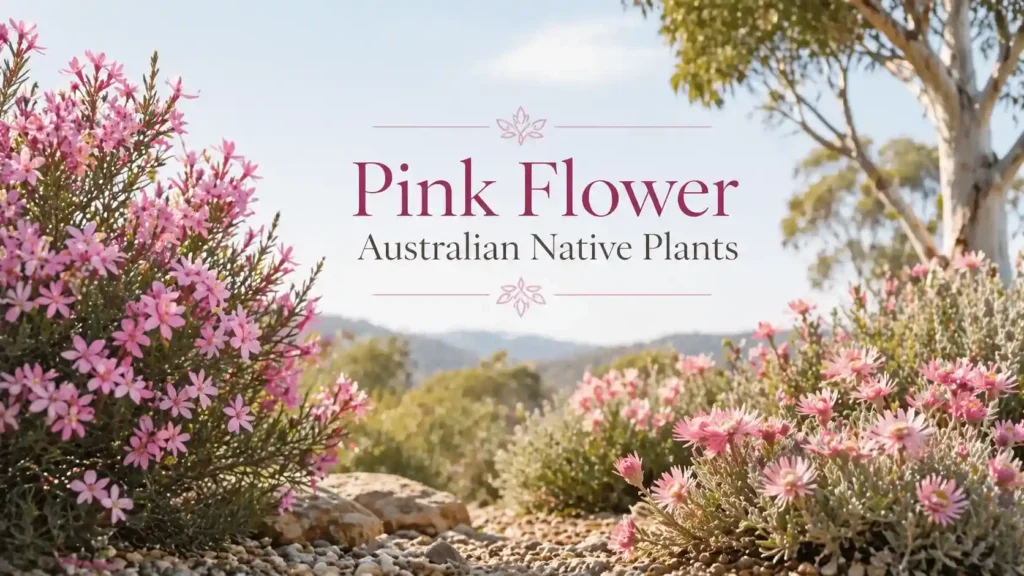
Pink flower Australian native plants are a diverse group of species valued for their vibrant color, adaptability, and ecological importance. These plants include shrubs, trees, and groundcovers that thrive in Australia’s varied climates. Popular examples such as crowea and everlasting pink sunray highlight the range of forms and uses available. Many pink native flowers Australia offers are drought-tolerant, low-maintenance, and beneficial to pollinators. Understanding their classifications, identification methods, and care requirements helps gardeners select the most suitable pink native Australian flowers for landscaping, conservation, or ornamental purposes.
Quick Summary
- Pink flower Australian native plants include shrubs, trees, and groundcovers suited to diverse climates.
- Common species include crowea plant and everlasting pink sunray.
- Most varieties are drought-tolerant and require low maintenance.
- Identification depends on flower shape, plant size, and growth habit.
- These plants provide ecological benefits such as supporting pollinators.
What Are Pink Flower Australian Native Plants?
Understanding Native Pink Flowers in Australia
Pink flower Australian native plants are species that naturally occur in Australia and produce pink blooms as a defining feature. These native pink flowers have evolved to suit local soil, climate, and ecological conditions, making them more resilient than non-native species. Pink flower Australian native plants are species that naturally occur in Australia and are classified as native plants adapted to local ecosystems.
“Native” refers to plants that originated in Australia without human introduction, while non-native or ornamental imports are introduced from other regions. Native pink flowers Australia includes a wide variety of plant types:
- Shrubs (e.g., crowea)
- Trees with pink flowers Australia landscapes use as focal points
- Groundcovers and perennials
These plants range from evergreen pink flower Australian native species to seasonal bloomers, offering both aesthetic and ecological value.
Types of Pink Native Australian Flowers
Classification by Plant Form (Shrubs, Trees, Groundcovers)
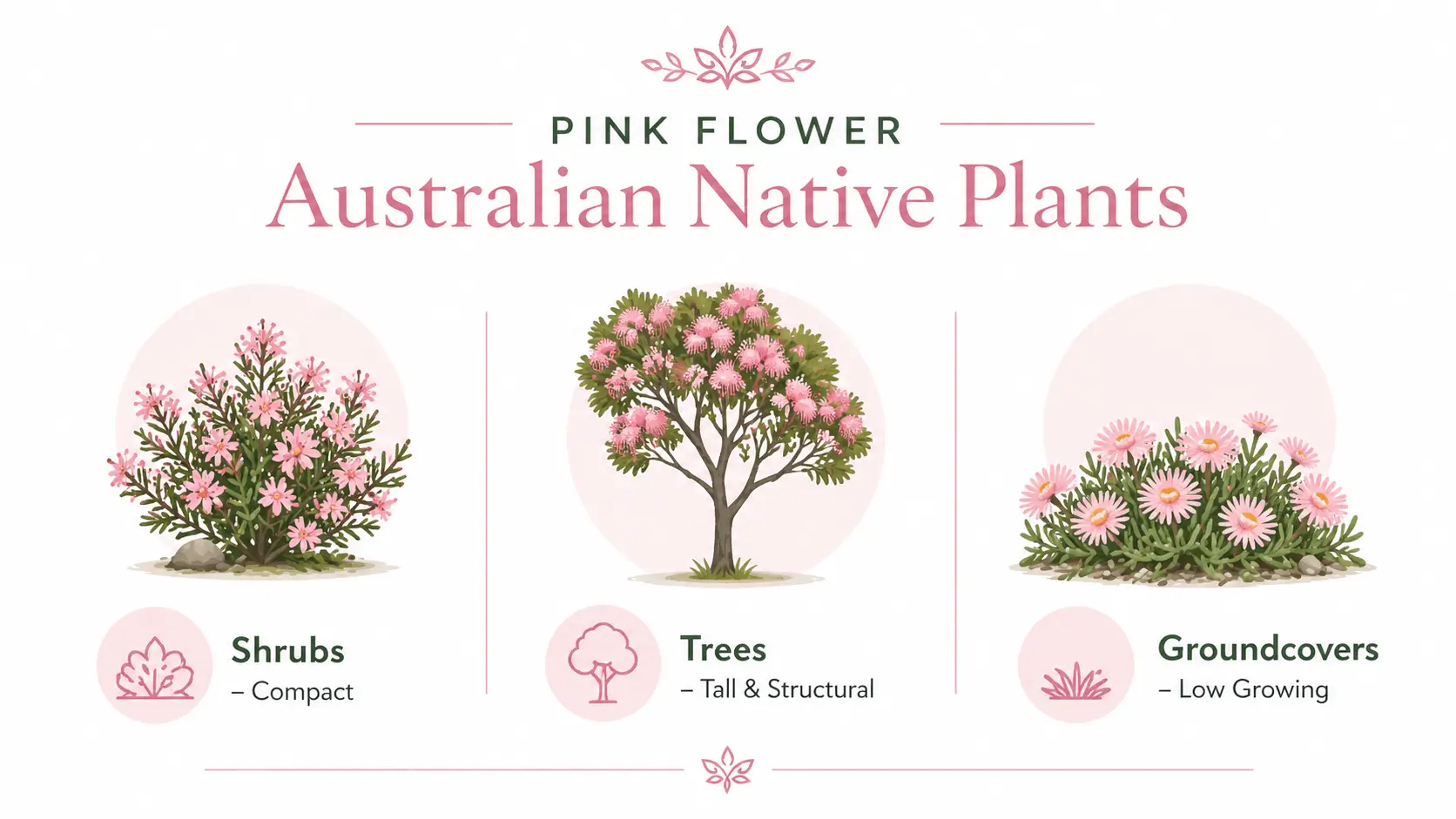
Pink native flowers Australia can be grouped based on plant structure:
- Pink Flowering Shrubs
- Examples: crowea flower, bush with pink flowers
- Typically compact and suitable for hedges or borders
- Pink Flowering Trees Australia
- Medium to large plants used for shade or landscape features
- Often produce seasonal blossoms
- Small Pink Flowering Plants Australia
- Groundcovers or dwarf varieties
- Ideal for small gardens or container planting
Additional variations include:
- Dwarf pink flower Australian native for compact spaces
- Large pink flower Australian native for visual impact
- Evergreen pink flower Australian native for year-round foliage
For a deeper breakdown of smaller varieties, see this guide on small pink flowers Australia and how they fit into compact garden spaces.
Popular Pink Flower Australian Native Names and Examples
Notable Species and Varieties
Several well-known pink flower Australian native names include:
- Croweas (Crowea plant / Australian crowea)
- Everlasting pink sunray (Rhodanthe manglesii)
Key characteristics:
- Flower structure: star-shaped or daisy-like blooms
- Bloom seasons: often spring to early summer
- Plant size: ranges from small shrubs to medium-sized plants
These pink flowers names are commonly used in gardens due to their ornamental appeal and adaptability.
Spotlight: Crowea Plant (Australian Native Pink Flower)
Characteristics of Crowea Flower
Crowea is a small evergreen shrub native to Australia, known for its soft pink, star-shaped flowers. It typically grows to about 1–1.5 meters in height and produces blooms over extended periods.
Key features:
- Compact shrub growth habit
- Soft pink, waxy flowers
- Suitable for gardens and containers
Why Croweas Are Popular in Australian Gardens
Croweas are widely used because they combine aesthetic appeal with practicality:
- Compact size makes them ideal as a small shrub with pink flowers
- Evergreen foliage provides year-round greenery
- Fits well as a pink flowering shrub Australia gardens prefer
They are commonly used as ornamental pink flowering bushes in residential landscapes.
How to Identify Pink Flowering Shrubs in Australia
Pink Flowering Shrub Identification Australia
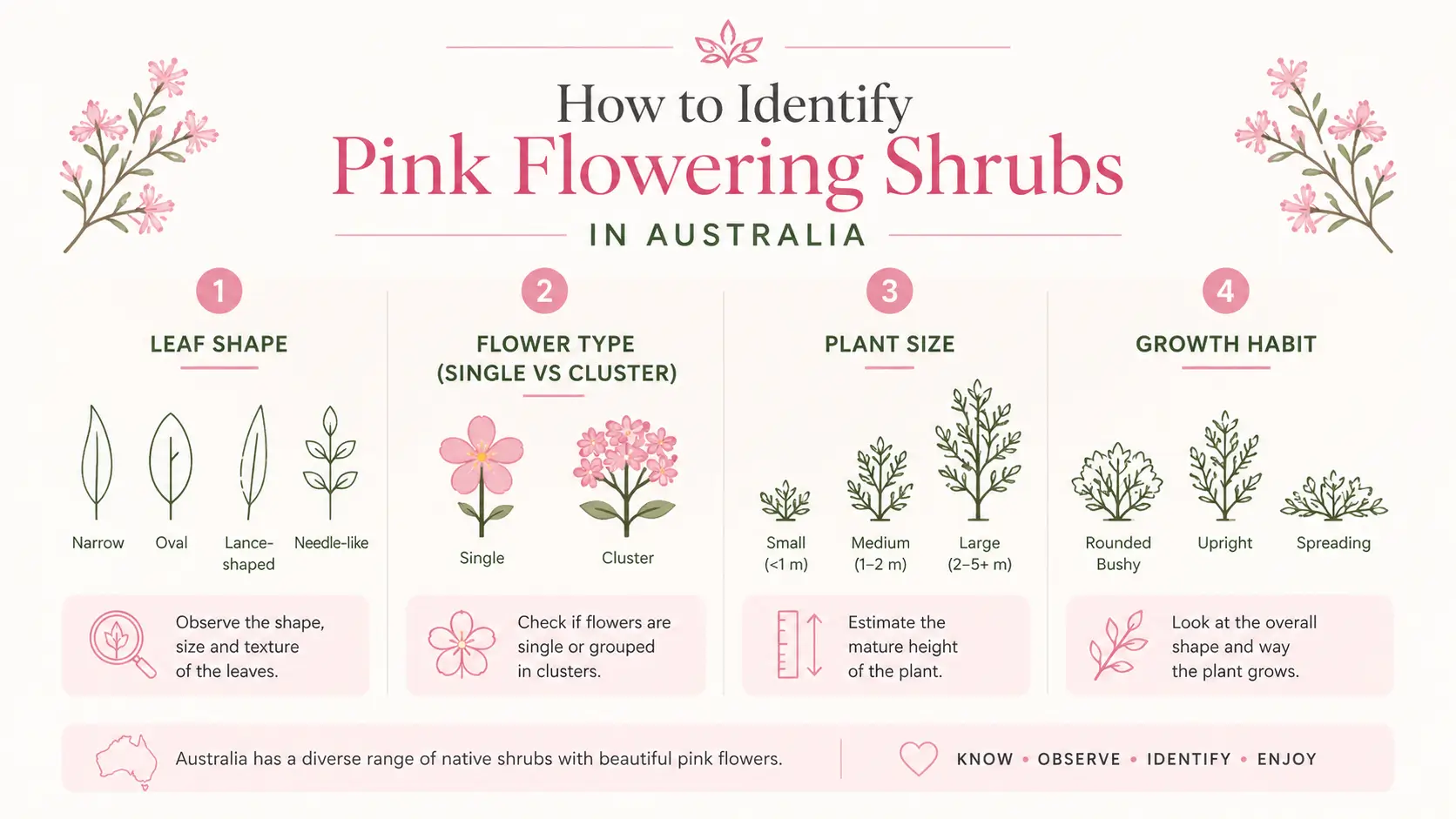
Pink flowering shrubs can be identified by observing:
- Leaf shape (narrow, glossy, or textured)
- Flower arrangement (clusters vs single blooms)
- Plant size and structure
These factors help in pink flowering shrub identification and distinguishing small pink flower plant identification cases.
Common Identification Mistakes
Frequent errors include:
- Confusing native plants with ornamental imports
- Misidentifying a bush with small pink flowers
- Seasonal confusion when plants are not in bloom
Correct identification requires observing both foliage and flowering patterns.
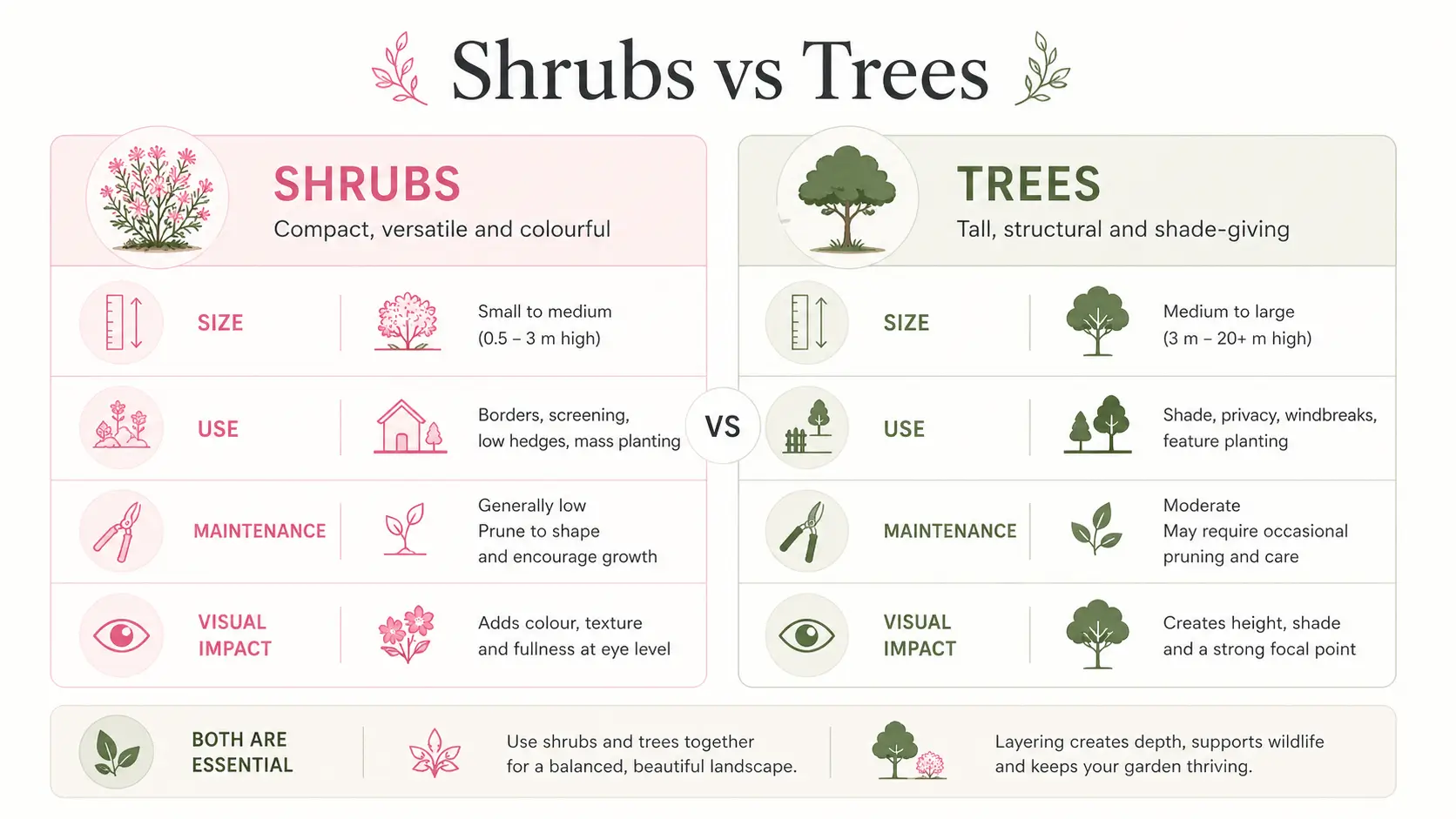
Comparison: Shrubs vs Trees with Pink Flowers in Australia
Structural and Functional Differences
| Feature | Pink Flowering Shrubs | Pink Flowering Trees |
| Size | Small to medium | Medium to large |
| Use | Borders, hedges | Shade, focal point |
| Maintenance | Low to moderate | Moderate |
| Examples | Crowea | Flowering trees in Australia |
Shrubs are generally easier to maintain, while trees provide structural and visual impact.
Growth Habits and Lifespan of Australian Native Pink Flowers
How Long Do Australian Native Flowers Last
Most pink native Australian flowers bloom seasonally, typically during spring. Some perennial pink flower Australian native species can flower repeatedly or for extended periods.
- Seasonal bloomers: short flowering cycles
- Evergreen varieties: maintain foliage year-round
Growth Rate and Environmental Factors
Growth rates vary from slow to moderate depending on:
- Soil quality
- Sunlight exposure
- Rainfall availability
Well-drained soils and adequate sunlight significantly improve plant development.
Care Guide for Pink Flowering Plants Australia
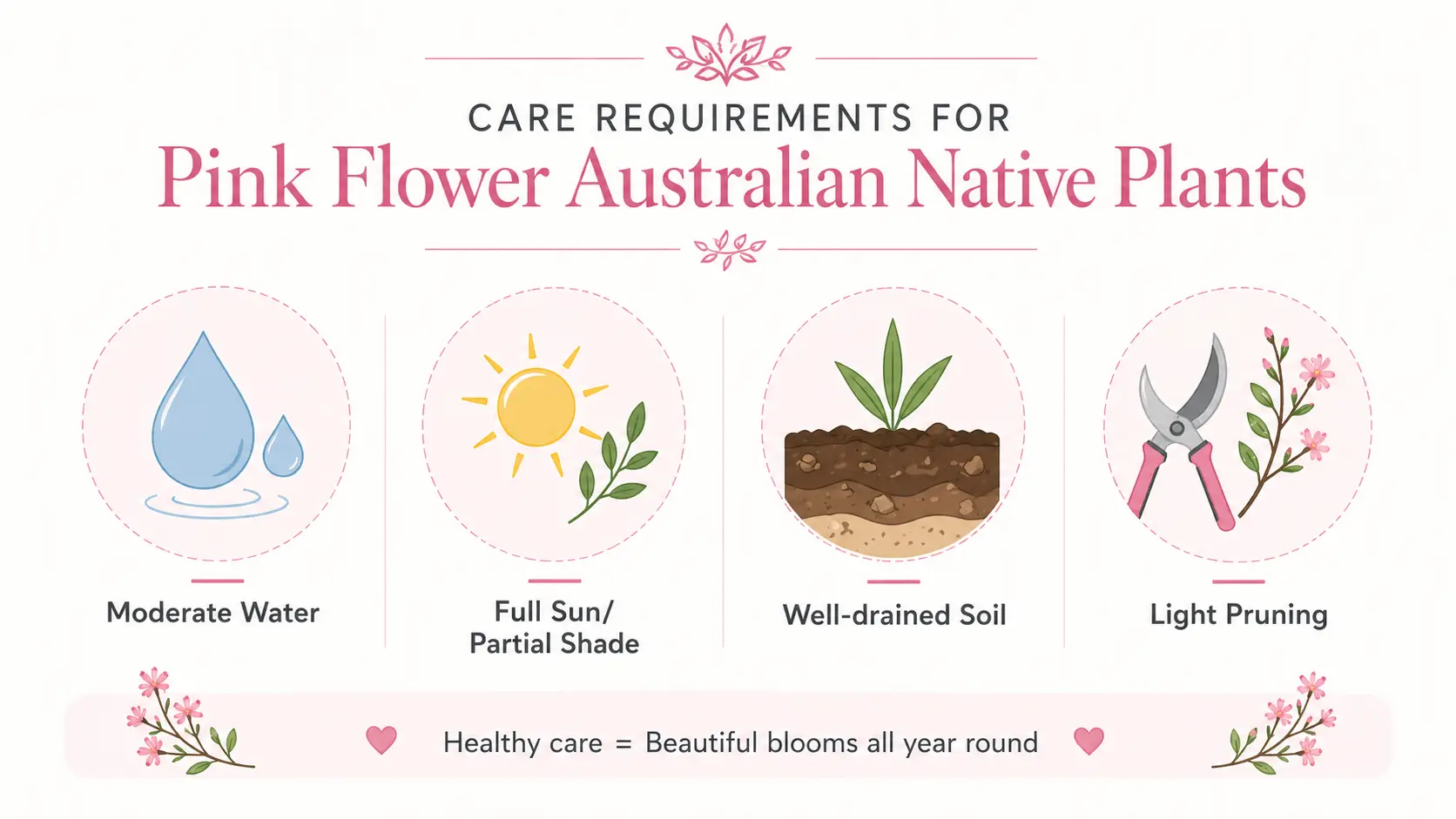
Basic Care Requirements
To maintain healthy pink flowering plants:
- Watering: Moderate; avoid overwatering
- Sunlight: Full sun to partial shade
- Soil: Well-drained, sandy or loamy soils
- Fertilization: Use low-phosphorus fertilizers suitable for natives
Pruning and Maintenance Tips
Regular care includes:
- Light pruning after flowering
- Removing dead or damaged growth
- Maintaining airflow around the pink flower bush
Proper pruning encourages better blooming in pink flowering shrubs Australia.
For a complete approach to designing low-maintenance landscapes, refer to this Australian native garden guide covering soil, layout, and plant selection.
Common Problems with Pink Native Flowers and How to Fix Them
Yellowing Leaves, Poor Blooming, and Pests
Common issues include:
- Overwatering leading to root rot
- Nutrient deficiencies causing yellow leaves
- Pest infestations affecting growth
Solutions:
- Improve soil drainage
- Use appropriate fertilizers
- Apply organic pest control methods
Prevention Tips
- Ensure proper plant spacing
- Choose climate-suitable species
- Adjust care based on seasonal conditions
Best Pink Flower Australian Native Plants for Different Uses
Landscaping and Garden Design Uses
Pink native plants can be used for:
- Hedges: pink flowering bush varieties
- Feature plants: pink flower tree Australia landscapes
- Small gardens: dwarf pink varieties
Choosing the Best Variety for Your Space
Selection should consider:
- Plant size
- Local climate
- Maintenance requirements
Matching these factors ensures long-term success.
Gardeners often combine pink native flowers with purple native flowers Australia to create contrasting color palettes in landscape design.
Seasonal and Environmental Considerations
Climate Suitability Across Australia
Pink flower Australian native plants adapt differently across regions:
- Coastal areas: tolerate salt and humidity
- Inland regions: require drought tolerance
Seasonal Bloom Patterns
Most species bloom in spring, though timing varies by region. Some offer extended flowering depending on climate and care.
Beginner Mistakes When Growing Pink Native Flowers (Differentiation Section)
Common Errors to Avoid
- Overwatering native plants
- Incorrect placement (too much shade or sun)
- Choosing non-native species unsuitable for local conditions
Practical Tips for Success
- Start with hardy plants like crowea
- Use native-specific soil mixes
- Monitor sunlight exposure regularly
Conclusion
Pink flower Australian native plants provide a versatile range of options, from compact shrubs like crowea to larger flowering trees. Their resilience, low maintenance needs, and environmental benefits make them ideal for Australian gardens. By understanding plant types, identification techniques, and proper care practices, gardeners can successfully cultivate pink native flowers Australia is known for and create sustainable, visually appealing landscapes. For broader insights into plant care, benefits, and growing techniques, explore our complete plants benefits and guides resource.
FAQs
What are some common pink native flowers in Australia?
Common examples include crowea, everlasting pink sunray, and various pink flowering shrubs and trees.
How do I identify a pink flowering shrub in Australia?
Identification involves examining leaf shape, flower structure, plant size, and confirming whether the species is native.
Are pink native Australian flowers easy to grow?
Yes, most are low-maintenance and well-adapted to local climates, especially drought-tolerant varieties.
Do pink flowering trees grow well in all parts of Australia?
Not all species suit every region; some thrive in coastal climates, while others prefer inland or temperate conditions.
How long do Australian native pink flowers bloom?
Bloom duration varies by species, with many flowering seasonally and some offering extended blooming periods.


