
Introduction
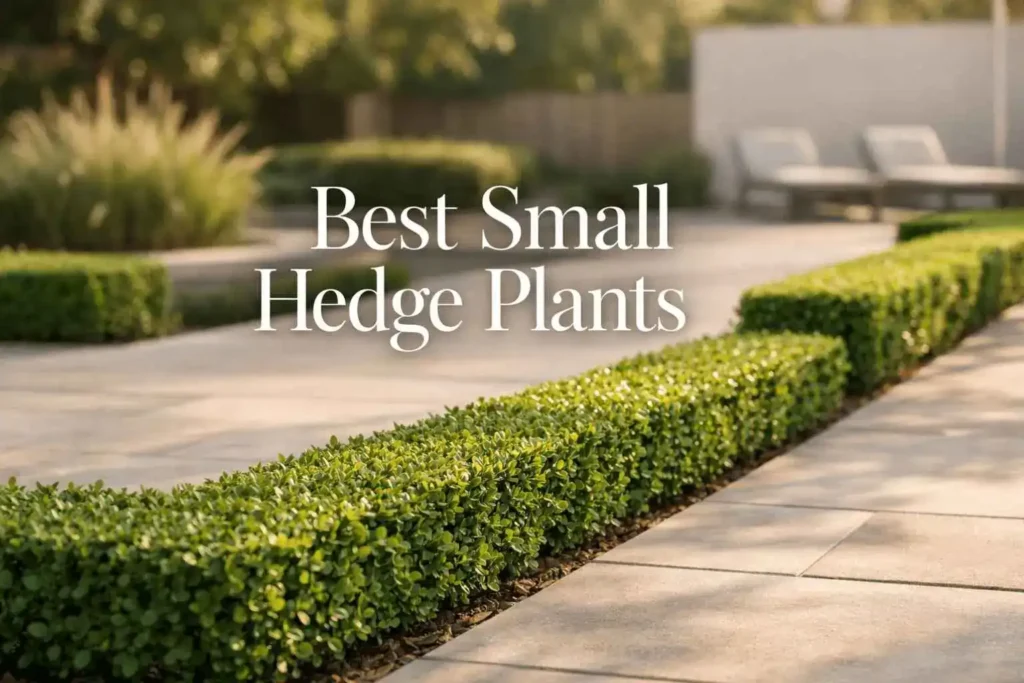
The best small hedge plants are compact, easy-to-maintain shrubs used to create neat borders, privacy screens, and structured garden edges. These plants are ideal for front yards, pathways, and landscaping where space is limited. Choosing the right small hedge depends on climate, maintenance needs, growth rate, and whether you prefer evergreen or flowering varieties. A well-selected small hedge plant enhances visual structure while remaining manageable in size, making it a practical solution for modern gardens and tight outdoor spaces. For more layout ideas and plant combinations, explore Front Yard Small Hedges: Best Types and Design Ideas to see how small hedge plants can enhance outdoor spaces.
Quick Summary
- The best small hedge plants provide structure, privacy, and low-maintenance greenery for compact spaces.
- Evergreen and low hedge plants are ideal for year-round coverage and clean borders.
- Climate-specific choices (like small hedge plants Australia) improve growth success and longevity.
- Proper spacing, pruning, and plant selection determine hedge density and appearance.
What Are Small Hedge Plants and Why Are They Used?
What defines small hedge plants
Small hedge plants are compact shrubs typically growing under 1 to 1.5 meters in height. These include low hedge plants and low hedging plants that are specifically chosen for controlled growth and easy shaping. Their size makes them ideal for maintaining tidy, structured landscapes without frequent heavy pruning. In landscaping, a Hedge (gardening) refers to closely planted shrubs or trees shaped to form a boundary or decorative feature.
Common uses in landscaping
Small hedge plants are widely used in:
- Front yard boundaries to create visual separation
- Garden bed edging for a clean, defined look
- Privacy screening in small spaces where tall hedges are impractical
They provide both functional and aesthetic value in residential and urban landscaping.
How to Choose the Best Small Hedge Plants for Your Garden
Key factors to consider
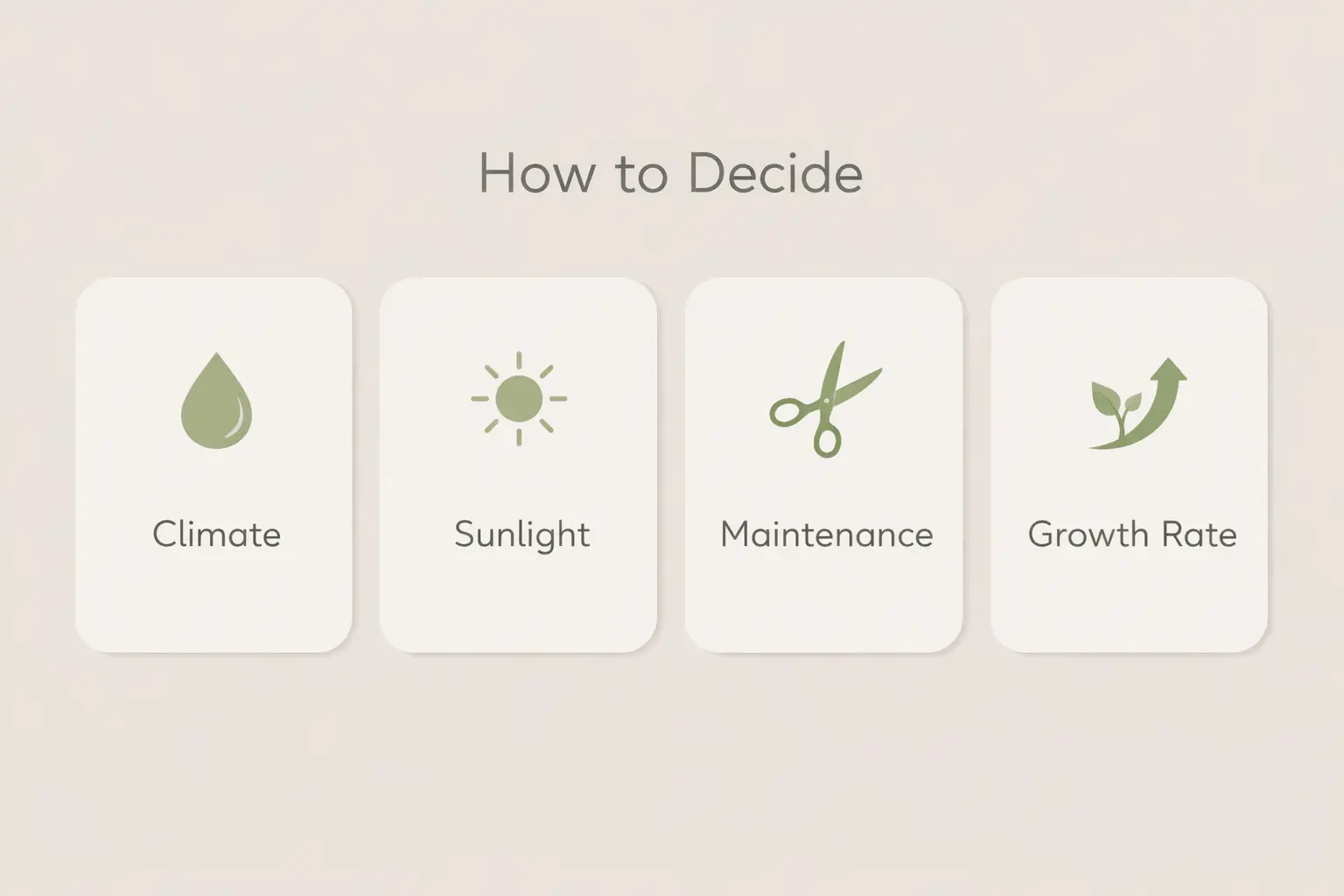
Choosing the best plants to make a small hedge depends on several factors:
- Climate suitability: Select varieties adapted to your region, such as small hedge plants Australia for hot or dry conditions
- Sunlight exposure: Some hedge plants thrive in full sun, while others perform better as shade hedge plants
- Maintenance level: Small low maintenance hedge plants reduce pruning and care needs
- Growth rate: Fast-growing hedges provide quick coverage, while slow-growing types require less upkeep
Evergreen vs flowering hedge plants
- Evergreen hedge plants: Provide year-round structure, privacy, and consistent greenery
- Flowering hedge plants: Add seasonal color and visual interest but may require more care
The choice depends on whether structure or aesthetics is your priority.
Best Small Hedge Plants for Different Garden Needs
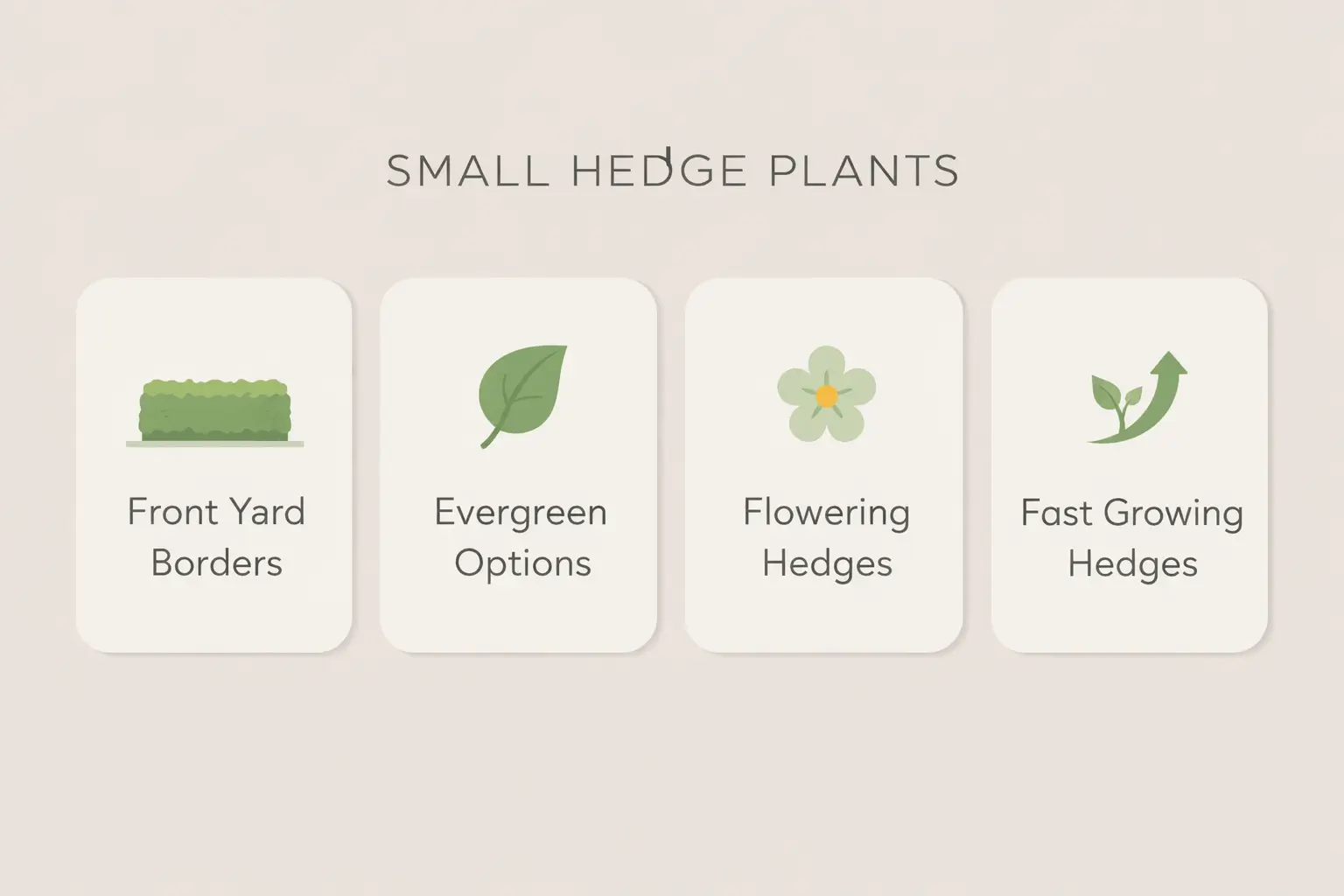
Best small hedge plants for front yard borders
For front yards, compact and tidy-growing varieties are ideal. Low hedging plants create clean edges along pathways and driveways while maintaining a polished appearance.
Best small hedge plants evergreen options
Evergreen options are among the best small hedge plants for privacy and structure. They offer dense foliage and maintain shape throughout the year, making them reliable for consistent coverage. If your garden has limited sunlight, consider shade-adapted varieties from the 7+ Best Shade Tolerant Hedging Plants Australia Guide for reliable growth in low-light conditions.
Small hedge plants with flowers
Flowering small hedge plants introduce seasonal color and enhance decorative appeal. These are suitable for ornamental hedges where visual impact is important.
Fast growing small hedge plants
Fast growing small hedge plants are ideal for quick results. However, they require more frequent pruning to maintain their shape and prevent overgrowth.
Best Small Hedge Plants in Australia (Climate-Specific Guide)
Suitable plants for Australian conditions
Small hedge plants Australia should be drought-tolerant and adaptable to varying soil types. Hardy species perform well in dry climates and require less water once established. Popular native choices like Lilly Pilly are widely used for hedging—see Types of Lilly Pilly: Varieties, Heights & Best Uses to compare the best varieties for your garden.
Regional considerations (Perth, Queensland, etc.)
- Perth: Choose hedging plants Perth that tolerate heat and dry winds
- Queensland: Select varieties suited for humidity and higher rainfall
Understanding regional differences improves plant survival and performance.
Full sun vs shade hedge plants
- Full sun plants: Thrive in open areas with direct sunlight
- Shade hedge plants Australia: Suitable for gardens with limited sunlight exposure
Matching plants to light conditions ensures healthy growth.
Low Maintenance Small Hedge Plants (Easy Care Options)
Characteristics of low maintenance hedging plants
Low maintenance hedge plants typically have:
- Slow to moderate growth rates
- Minimal pruning requirements
- Strong resistance to pests and diseases
These traits make them ideal for busy homeowners or beginners.
Best low hedge plants for beginners
Small low maintenance hedge plants are perfect for small gardens. They provide structure without demanding frequent care, making them a practical and efficient landscaping choice.
Comparison: Small Hedge Plants vs Tall Hedge Plants
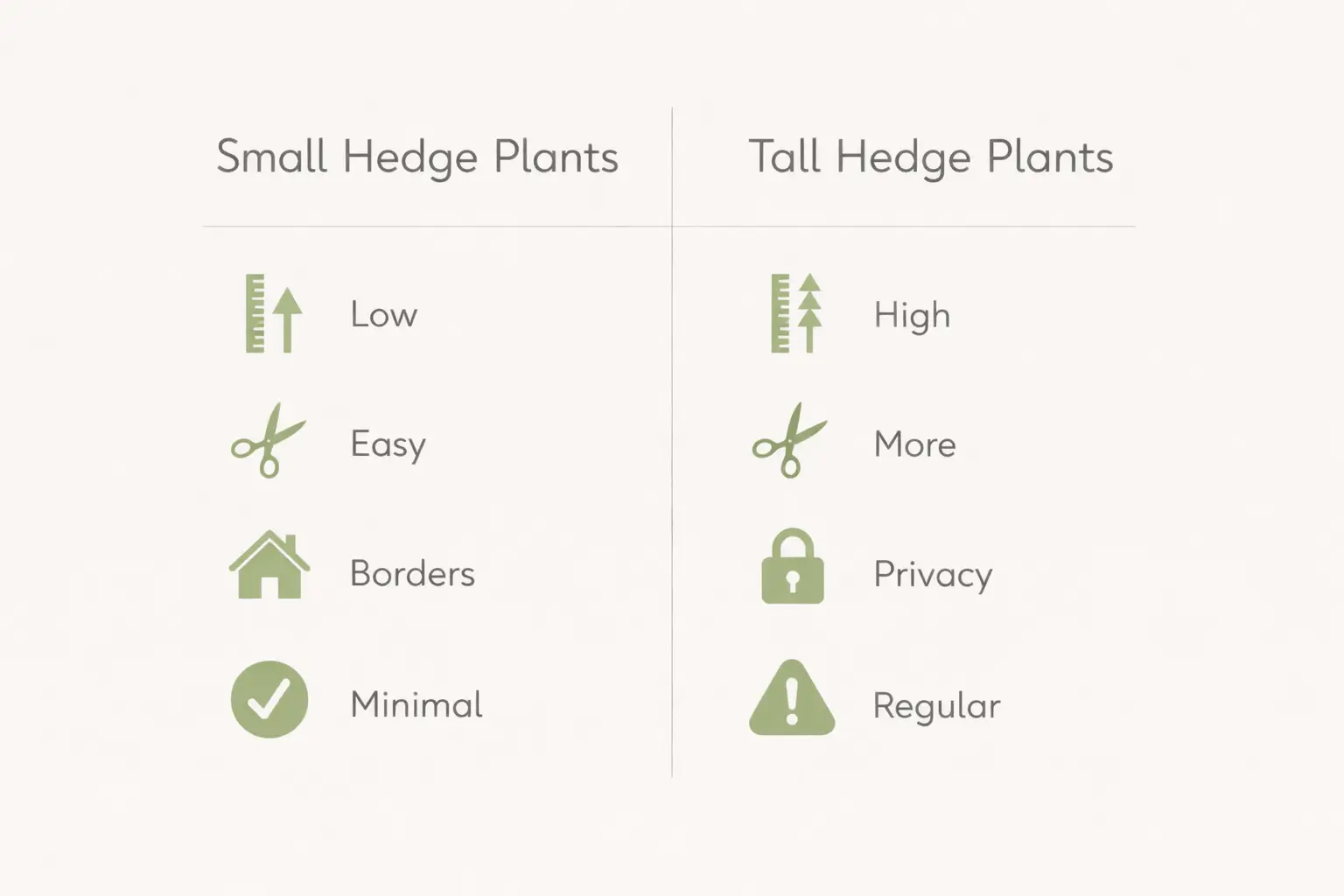
| Feature | Small Hedge Plants | Tall Hedge Plants |
| Height | Under 1–1.5m | 2m+ |
| Maintenance | Lower | Higher |
| Use | Borders, edging | Privacy screens |
| Growth control | Easier | Requires pruning |
Small hedging plants are easier to manage and better suited for compact spaces, while tall hedges are more suitable for large privacy barriers.
Growth Rate and Spacing Requirements for Small Hedges
How fast small hedge plants grow
Small hedge plants vary from slow-growing to fast-growing varieties. Growth rate depends on species, climate, and care conditions. Fast growing small hedge plants Australia are useful for quick coverage but require consistent trimming.
Proper spacing for dense hedges
Proper spacing is essential for achieving a dense hedge:
- Too close: Leads to overcrowding and poor airflow
- Too far: Creates gaps and uneven growth
Correct spacing allows plants to fill out evenly and form a uniform hedge.
Care Guide for Small Hedge Plants
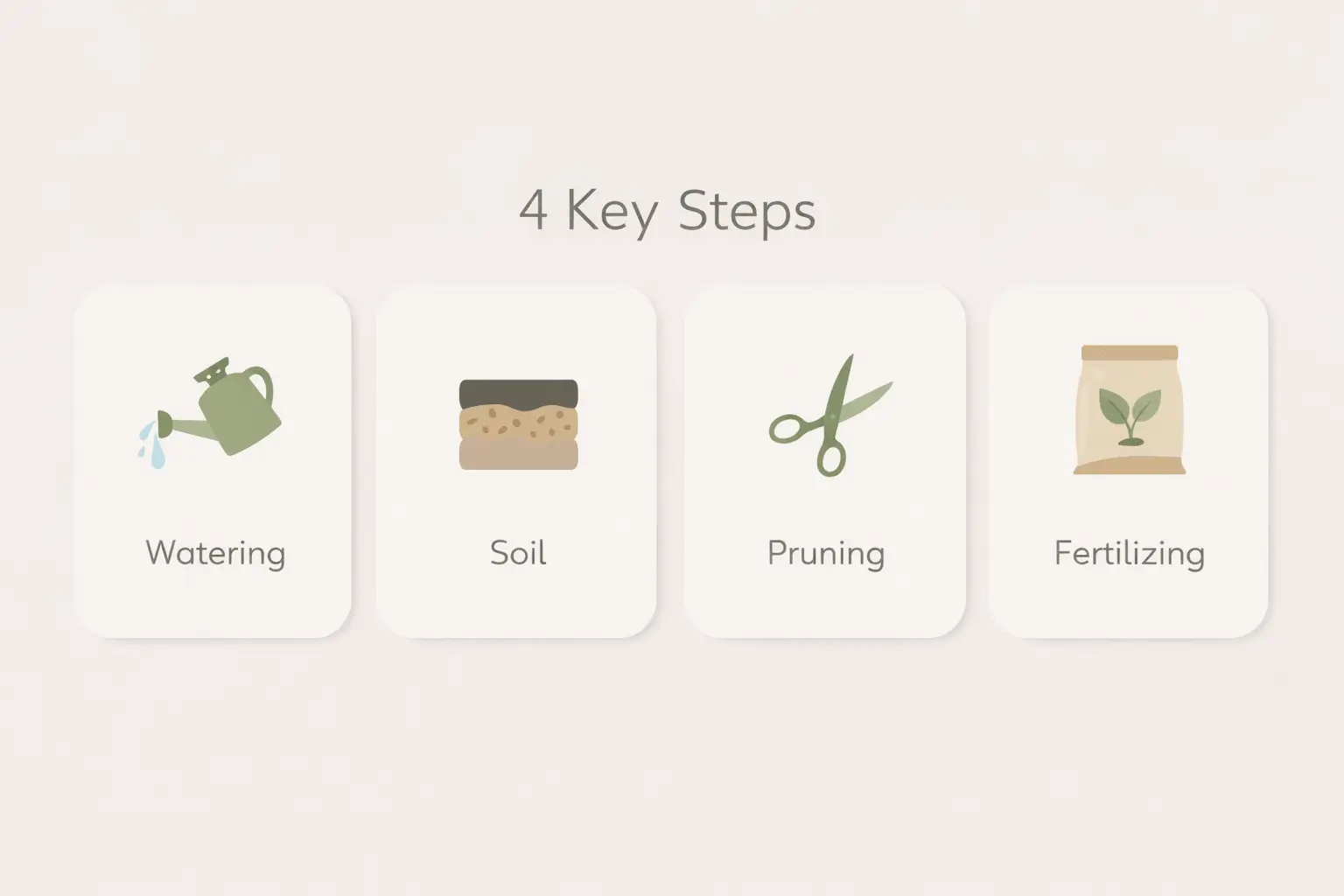
Watering and soil requirements
Small hedge plants require well-draining soil to prevent root rot. Watering frequency depends on climate, but most hedges benefit from consistent moisture during establishment.
Pruning and shaping techniques
Regular pruning helps maintain shape and encourages dense growth. Trim hedges evenly and avoid cutting too aggressively, especially during early growth stages.
Fertilization and seasonal care
- Apply balanced fertilizer during the growing season
- Adjust care routines based on seasonal changes
- Reduce watering during cooler months
These practices support healthy, long-term hedge growth.
Common Problems with Small Hedge Plants (And Solutions)
Yellowing leaves or poor growth
Cause: Overwatering or poor soil drainage
Solution: Improve soil conditions and adjust watering frequency
Sparse or uneven hedge growth
Cause: Incorrect spacing or lack of pruning
Solution: Maintain proper spacing and trim regularly to encourage density
Pest and disease issues
Common pests can damage hedge plants if not managed early. Prevent issues through proper care, regular inspection, and timely treatment.
Beginner Mistakes to Avoid When Planting Small Hedges
- Planting too close or too far apart
- Choosing the wrong plant for your climate
- Ignoring pruning requirements
- Overwatering or using poor-quality soil
Avoiding these mistakes ensures a healthier and more attractive hedge.
Landscaping Ideas Using Small Hedge Plants
Small hedge plants for borders and edging
Small hedges are ideal for defining pathways and garden beds. They create a clean, structured appearance in outdoor spaces.
Decorative small hedges with flowers
Flowering hedges add visual interest and seasonal variation, enhancing the overall aesthetic of the garden.
Combining hedges with other plants
Layering small hedges with taller plants or ground covers adds depth and dimension to landscaping designs.
Conclusion
The best small hedge plants combine compact growth, low maintenance, and adaptability to your climate. Whether you prefer evergreen structure or flowering variety, choosing the right small hedge plants ensures a neat, long-lasting, and visually appealing garden. With proper care, spacing, and plant selection, small hedges can transform any outdoor space into a structured and elegant landscape.
FAQs
What are the best small hedge plants for beginners?
Low maintenance, slow-growing plants that require minimal pruning are ideal for beginners.
What plants make a good small hedge?
Dense, compact shrubs with consistent growth and easy shaping make the best small hedges.
Are small hedge plants suitable for front yards?
Yes, they are perfect for borders, pathways, and decorative landscaping in front yards.
Which small hedge plants grow fastest?
Fast-growing varieties provide quick coverage but require regular trimming.
Do small hedge plants need a lot of maintenance?
Not necessarily—many low hedge plants are designed to be low maintenance with minimal care.



3 Responses