
Introduction
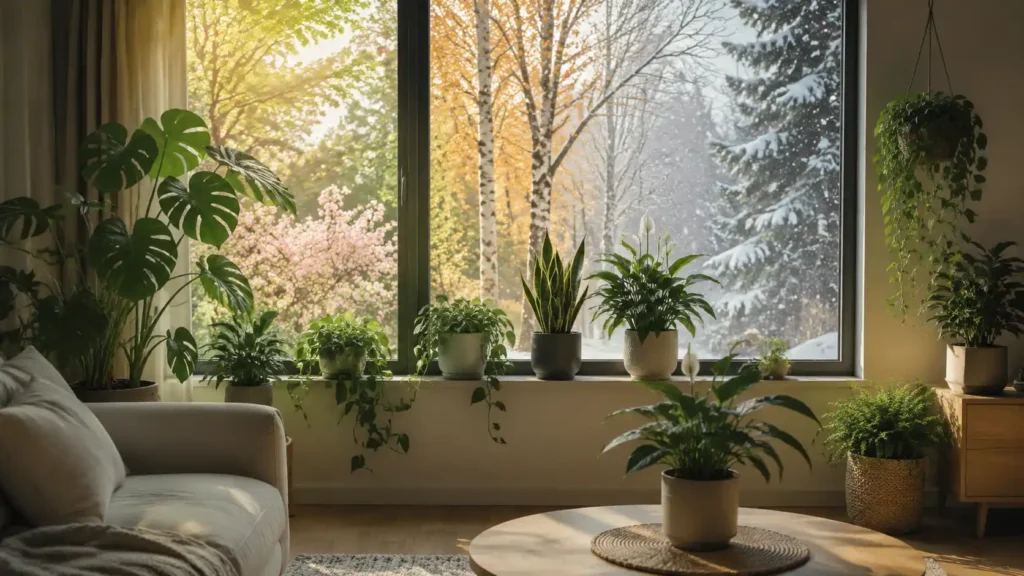
The question how does season affect indoor plant growth is closely linked to changes in light duration, temperature, and humidity that occur throughout the year. Even indoors, these environmental shifts influence how fast plants grow, rest, or adapt. Seasonal change alters the conditions inside homes through daylight variation, heating, and cooling systems, which directly affects plant metabolism and growth cycles.
Quick Summary
- Indoor plants respond strongly to seasonal changes in light, temperature, and humidity
- Growth is fastest in spring and summer and slows significantly in fall and winter
- Five key factors—light, temperature, water, humidity, nutrients—shift with seasons
- Adjusting care routines by season prevents most common houseplant issues
Does Season Matter for Indoor Plants?
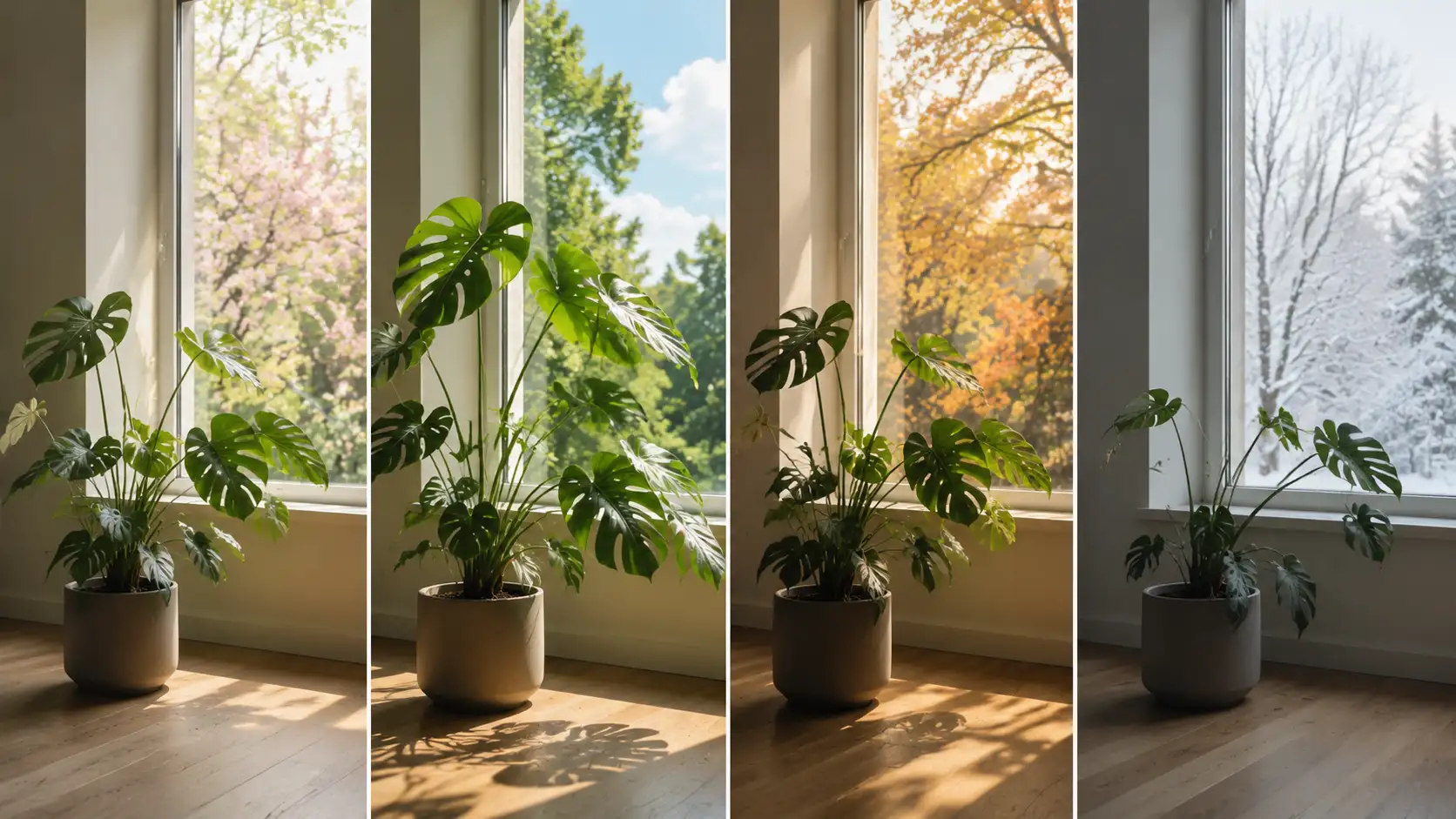
Season matters for indoor plants because they are still exposed to natural environmental rhythms even when kept inside. Changes in daylight hours, sun angle, and indoor heating or cooling systems influence plant behavior through environmental signals such as light intensity and temperature variation.
Indoor plants are not fully isolated from outdoor conditions. Windows transmit seasonal light changes, while indoor systems modify humidity and temperature. These factors directly affect plant processes like photosynthesis and growth rate. Even common indoor species like rubber plants respond strongly to seasonal shifts in indoor environments, especially changes in light and humidity.
Do Indoor Plants Recognize Seasons?
Indoor plants recognize seasons through photoperiodism, not awareness of time. They detect changes in day length and light quality using specialized light receptors such as phytochrome.
Plants interpret shorter or longer daylight hours as signals for growth or dormancy. Temperature fluctuations reinforce these signals, helping regulate seasonal growth cycles naturally.
How Do Seasons Influence Plant Growth? (Core Mechanisms)
Seasonal changes directly affect plant growth by altering environmental conditions that control photosynthesis, metabolism, and water usage.
Light Levels and Growth Rate
Longer daylight hours in spring and summer increase photosynthesis, resulting in faster and more vigorous plant growth. In contrast, shorter winter days reduce energy production, slowing growth and often triggering dormancy-like behavior in houseplants.
Temperature’s Role in Growth Speed
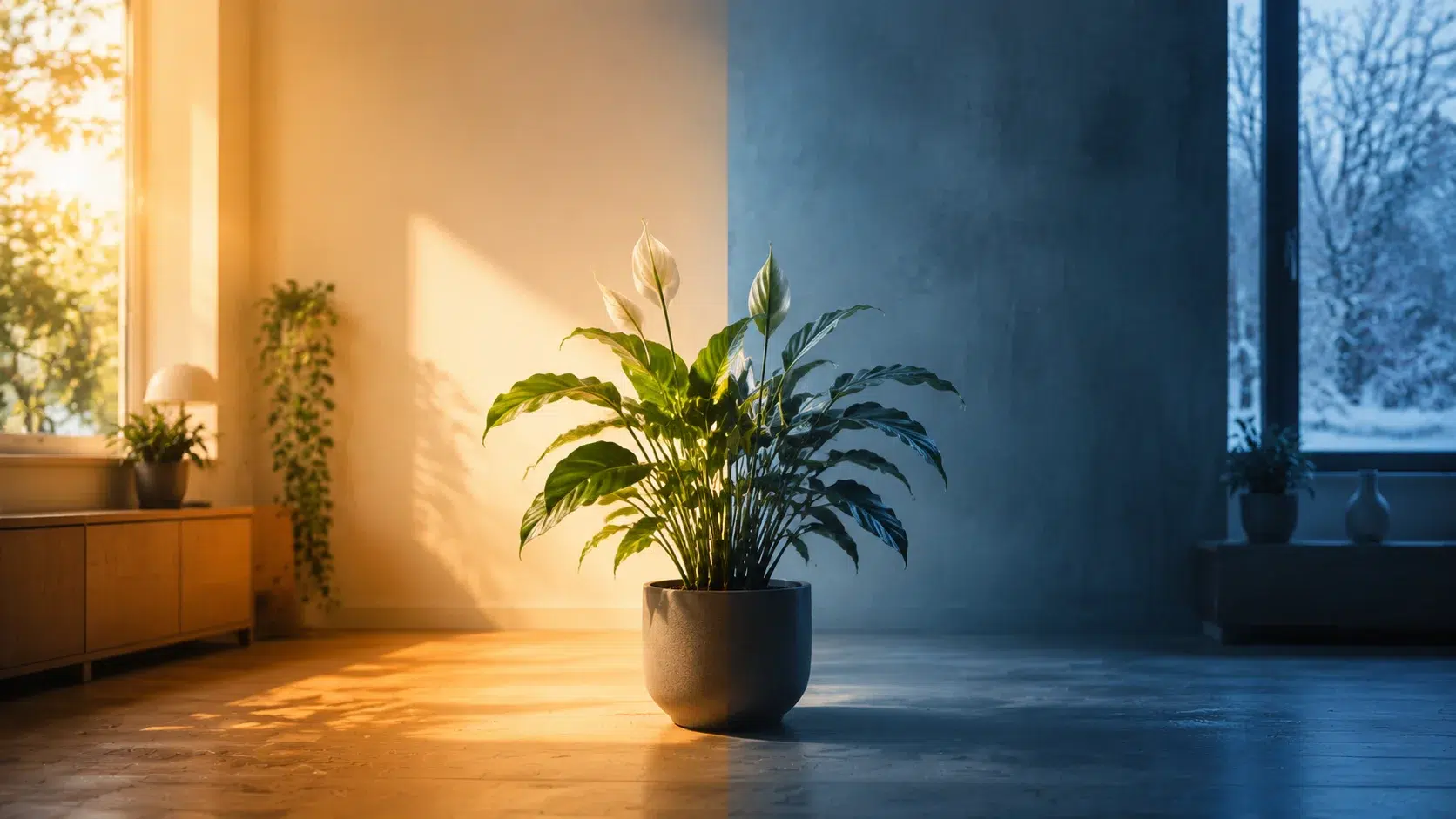
Most houseplants grow best between 65–75°F (18–24°C). Warmer temperatures during spring and summer accelerate metabolic activity, while cooler winter temperatures slow nutrient uptake and overall growth processes. Temperature-sensitive plants like peace lilies demonstrate visible slowdown when indoor temperatures drop below their optimal range.
Humidity and Seasonal Stress
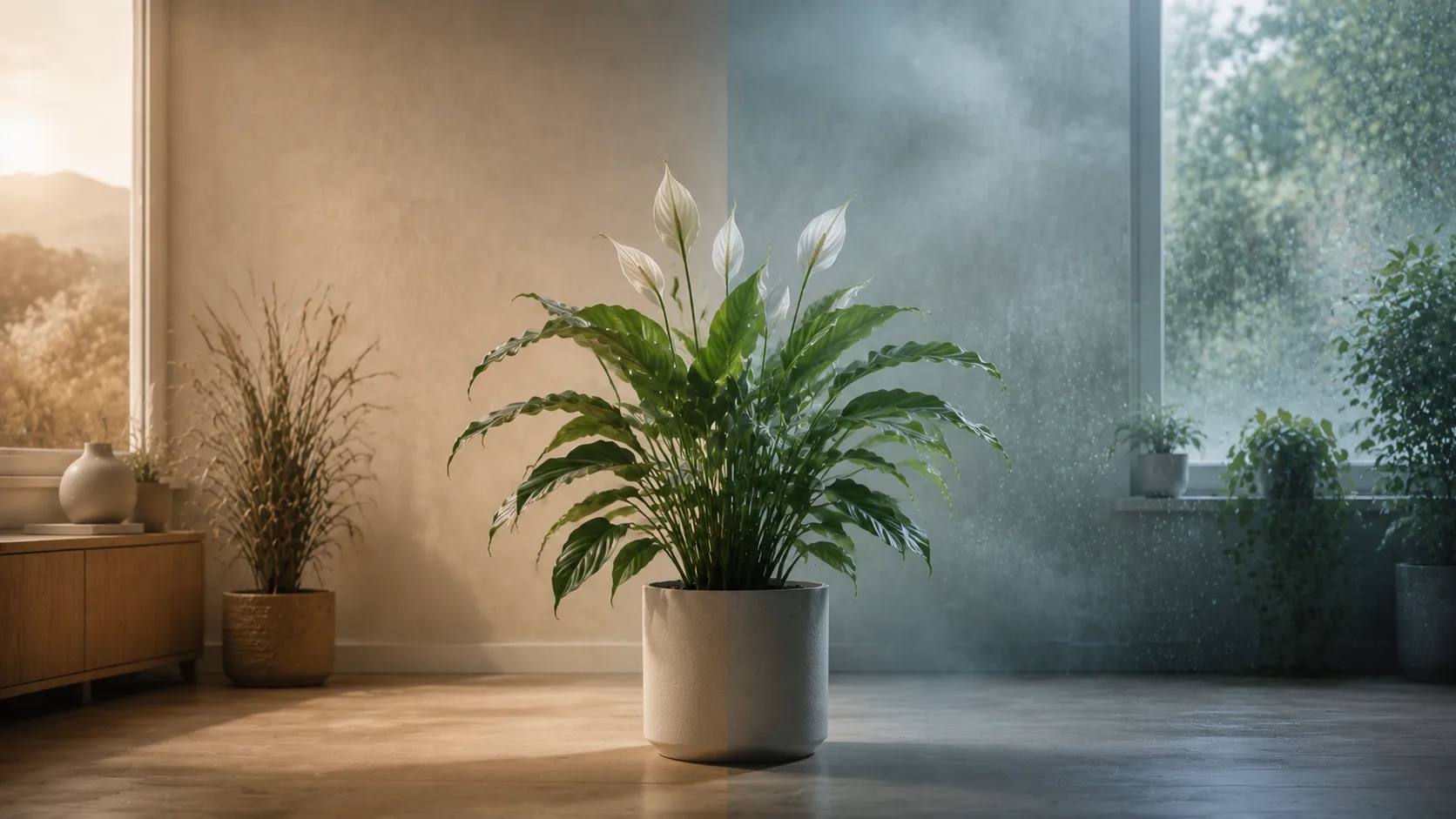
Humidity changes significantly across seasons due to heating in winter and cooling in summer. Dry indoor air reduces transpiration efficiency and can stress plants, leading to slower growth or leaf damage.
Seasonal Growth Comparison Table
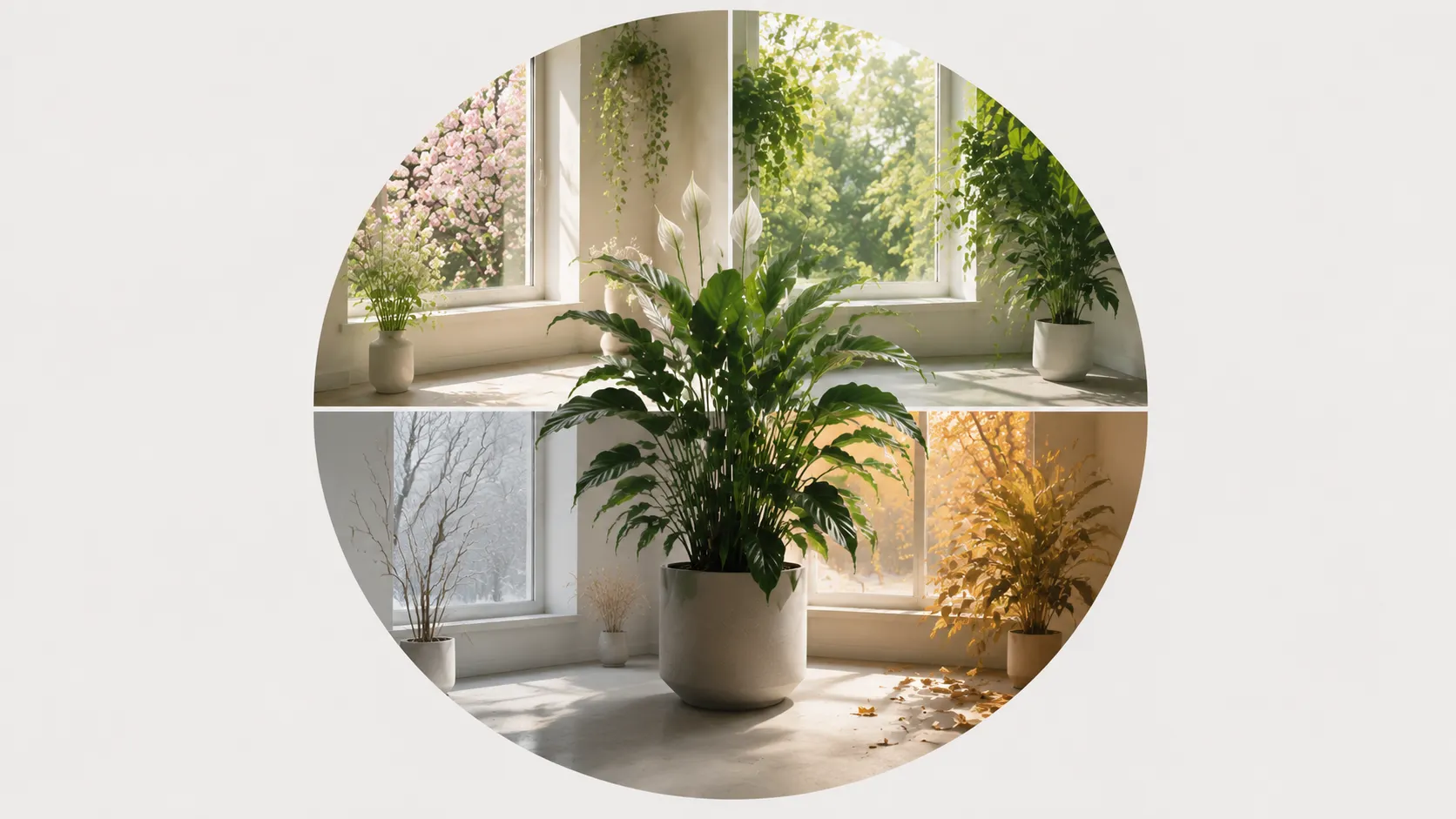
| Season | Light | Temperature | Humidity | Growth Rate |
| Spring | Increasing | Mild, rising | Variable | Fast (resuming) |
| Summer | Peak | Warm/hot | Often low (AC) | Fastest |
| Fall | Decreasing | Cooling | Dropping | Slowing |
| Winter | Lowest | Cool | Lowest (heating) | Slow/dormant |
What Are the 5 Factors That Affect Plant Growth?
Plant growth is controlled by five primary environmental factors, all of which are influenced by seasonal change.
- Light: Drives photosynthesis and energy production
- Temperature: Controls metabolic speed and dormancy cycles
- Water: Demand increases or decreases depending on growth rate
- Humidity: Affects transpiration and leaf health
- Nutrients: Fertilizer uptake depends on active growth phases
Each of these factors shifts with seasonal transitions, making seasonally adjusted care essential for healthy plants.
When Is the Growing Season for Indoor Plants?
The growing season for most indoor plants typically occurs from spring through summer, roughly March to August in the Northern Hemisphere. During this period, longer daylight hours and warmer temperatures support active growth and development. For a more precise understanding of how seasonal changes influence plant performance, you can use a dedicated tool like the Plant Growth Calculator. It helps estimate growth behavior based on environmental conditions such as light, temperature, and watering patterns. This is especially useful when comparing how fast plants respond during different seasons.
You can try it here: plant growth calculator.
Indoor growing seasons are flexible and depend on lighting conditions, room temperature, and plant species rather than strict calendar dates.
What Season Do Plants Grow the Most?
Plants grow most actively in summer because of peak light intensity and warm temperatures. Spring follows closely as plants transition from dormancy into active growth.
Do Indoor Plants Grow Slower in Winter?
Yes, indoor plants grow significantly slower in winter due to reduced light levels and cooler indoor conditions. This slowdown is a natural dormancy response, not a sign of plant health decline.
How to Get Plants to Flower (Seasonal Flowering Triggers)
Many houseplants require seasonal signals to initiate flowering, such as changes in light duration or temperature shifts. This process is known as photoperiodic flowering.
Short-day plants bloom when daylight decreases, while long-day plants flower when daylight increases.
Common flowering triggers include:
- Changes in light duration
- Cooler temperatures during rest periods
- Reduced watering in dormancy phases
- Increased light exposure during bud formation
Adjusting Fertilizer for Bloom Production
During flowering, plants benefit from bloom-boosting fertilizers that contain higher phosphorus levels. Fertilization should be reduced or stopped during dormancy to avoid stressing inactive plants.
What Makes House Plants Grow Faster?
House plants grow faster when environmental conditions support active metabolism and photosynthesis.
Key growth accelerators include:
- Bright indirect light
- Stable warm temperatures
- Balanced fertilization during active growth
- Adequate humidity levels
- Proper pot size and root space
However, faster growth should only be encouraged during spring and summer, as forcing growth during dormancy can stress the plant.
Common Seasonal Mistakes and Problems
Overwatering in Winter
Overwatering occurs in winter when watering habits remain unchanged despite slower plant growth.
- Fix: Water only when soil is dry several inches deep
- Prevention: Reduce watering frequency in fall and winter
Yellowing Leaves During Season Changes
Leaf yellowing often results from light shifts, temperature changes, or watering stress.
- Fix: Adjust watering and improve light exposure
- Prevention: Transition plants gradually between seasons
Fertilizing Dormant Plants
Fertilizing inactive plants leads to nutrient buildup and root stress.
- Fix: Stop fertilizing in winter
- Prevention: Align feeding schedules with active growth periods
Pest Outbreaks Tied to Season
Dry winter air and warm humid summers encourage different pests like spider mites or aphids.
- Fix: Isolate and treat affected plants
- Prevention: Regular inspection and humidity control
Choosing and Planting by Season
Seasonal timing influences which plants adapt best to indoor environments.
October and fall are ideal for bringing plants indoors and introducing low-light-tolerant species. Spring is the best time for propagation and introducing new plants due to strong growth conditions.
Comparison — Low-Light Winter Plants vs. High-Light Summer Plants
Low-light / Winter-tolerant plants:
- Snake plant
- ZZ plant
- Pothos
These plants require minimal watering and tolerate low light conditions.
High-light / Summer-loving plants:
- Succulents
- Cacti
- Spider plant
These require brighter light and more frequent watering during active growth.
Conclusion
Season plays a critical role in indoor plant growth through its influence on light, temperature, and humidity levels. The question how does season affect indoor plant growth is best answered by understanding that plants naturally slow down in winter and thrive in spring and summer. Adjusting watering, fertilizing, and lighting according to seasonal changes is the most effective way to maintain healthy, balanced growth year-round. Understanding seasonal plant behavior is a core part of broader plant care knowledge covered in Plants Benefits and Guides, which explores plant health, growth, and maintenance in detail.
FAQs
Does season really matter for indoor plants if they're not outside?
Yes, indoor plants still respond to seasonal changes in daylight and indoor climate conditions caused by heating and cooling systems.
What season do plants grow the most?
Most indoor plants grow fastest in summer when light and temperature conditions are optimal for photosynthesis.
Do indoor plants grow slower in winter?
Yes, winter causes reduced growth due to lower light levels and cooler temperatures, leading to dormancy.
What are the 5 factors that affect plant growth?
The five key factors are light, temperature, water, humidity, and nutrients, all of which change seasonally.
How can I get my houseplant to flower?
Many houseplants need seasonal triggers like shorter days or cooler rest periods before flowering begins.
What makes house plants grow faster?
Bright light, warm temperatures, proper humidity, and seasonal fertilizing during active growth support faster growth.
When is the active growing season for indoor plants?
Most indoor plants grow actively from spring through summer, typically March to August in the Northern Hemisphere.



One Response