
Introduction
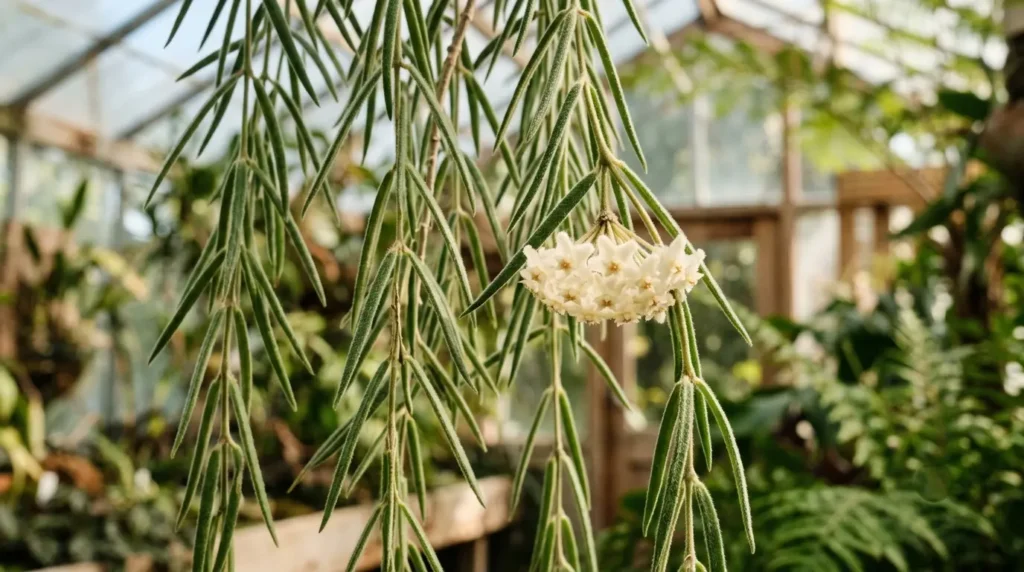
The Hoya linearis flower is one of the defining features of this popular hanging hoya species, prized for its delicate, fuzzy white blooms and soft fragrance. Native to the cool, humid forests of the Himalayan region, Hoya linearis is grown primarily for its long, trailing stems covered in slender, fuzzy foliage. While many growers cultivate it for its cascading form alone, its flowers are a major draw for collectors seeking both visual appeal and scent. This article explains what triggers blooming, what the flowers look and smell like, and how to care for this species successfully. For a broader look at houseplant care and benefits, see our complete Plants: Benefits and Guides hub.
Quick Summary
- Hoya linearis does bloom, typically once the plant reaches maturity and receives adequate bright indirect light.
- Flowers form in small umbel clusters with fuzzy, white to cream petals and a mild, sweet fragrance.
- Bright light, consistent feeding, and mild root-bound conditions are key factors that encourage flowering.
- Its slow growth rate and limited availability make it one of the more sought-after and expensive hoya species.
What Is Hoya Linearis?
Hoya linearis is a trailing epiphytic plant native to the Himalayan region, including parts of northern India, Nepal, and southern China. It belongs to the genus Hoya, commonly referred to as wax plants or porcelain plants due to the waxy texture of many species’ flowers. Hoya linearis is distinguished by its long, thin, fuzzy stems and narrow leaves, giving it a soft, cascading appearance often described as a “hoya string” plant. Unlike climbing hoya varieties, Hoya linearis grows in a trailing habit, making it well-suited for hanging baskets. To explore more species in this category, see our Guide to House Plants with Waxy Leaves.
Common Name and Classification
Hoya linearis does not have one universally standardized common name but is often referred to simply as “linearis hoya” among growers. It belongs to the family Apocynaceae, the same family that includes other wax plants. It belongs to the family Apocynaceae, the same family that includes other wax plants. Within the broader hoya wax plants category, Hoya linearis is classified among the fuzzy-leaved, trailing species, distinguishing it from smooth-leaved or upright-growing hoya types. Growers comparing trailing ‘string’ style plants may also want to check our String of Pearls Care Guide.
Hoya Linearis Flower: Appearance, Scent, and Blooming Habits
Hoya linearis flowers grow in small umbel-shaped clusters, typically containing several individual blooms attached to a central point on the peduncle. Each flower has fuzzy, white to cream-colored petals with a soft, waxy texture characteristic of the hoya genus. The blooms are smaller and more delicate compared to some larger-flowered hoya species, but they are notable for their fine texture and understated color.
What Do Hoya Linearis Flowers Smell Like?
Hoya linearis flowers typically produce a mild, sweet fragrance that many growers describe as similar to coconut or vanilla. Scent intensity can vary depending on the individual plant, growing conditions, and time of day, with fragrance often being strongest in the evening or under warm conditions.
Hoya Linearis Peduncle and Bloom Stages
The peduncle is the stalk that supports the flower cluster, and in Hoya linearis, it is a semi-permanent structure that can produce multiple blooming cycles over time. Once a peduncle forms, it should not be removed after flowering, as it will typically rebloom in subsequent seasons. Bloom stages begin with a small, rounded bud cluster that gradually swells before opening into the fuzzy umbel of flowers.
🔹 Comparison Block: Hoya Linearis Flower Scent vs Other Hoyas
| Species | Scent Profile | Bloom Color |
| Hoya linearis | Mild, coconut or vanilla-like | White to cream |
| Hoya carnosa | Strong, sweet, honey-like | Pink to white |
| Hoya polyneura | Light, subtly sweet | Yellow to red-spotted |
| Hoya retusa | Mild, slightly musky | White with purple center |
| Hoya rotundiflora | Sweet, fruity | White to pale yellow |
| Hoya crassipetiolata | Strong, musky-sweet | Orange to yellow |
| Hoya endauensis | Mild, faintly sweet | Cream to pale pink |
How to Get Hoya Linearis to Flower

Getting Hoya linearis to flower depends primarily on providing bright indirect light, allowing the plant to reach maturity, and maintaining consistent feeding during the growing season. Most hoya species, including Hoya linearis, require several years of vegetative growth before they are capable of producing blooms.
Light Requirements for Blooming
Hoya linearis needs bright, indirect light to flower reliably. Insufficient light often results in a healthy-looking plant that produces long stems and foliage but fails to bloom. Signs of inadequate light include sparse, elongated growth and an absence of peduncle formation over multiple growing seasons.
Fertilizer and Feeding for Blooms
A fertilizer with a higher phosphorus ratio tends to support blooming in hoya species, including Hoya linearis. Feeding during the active growing season, typically spring through summer, at a diluted strength every two to four weeks can help support flower production without stressing the plant.
Root-Bound Conditions and Flowering
Hoya linearis, like many hoya species, tends to flower more readily when mildly root-bound. Being slightly restricted in its pot can trigger the plant to allocate more energy toward blooming rather than continued root expansion, though excessive root-boundedness can lead to stress and should be avoided.
Time to Maturity
Hoya linearis generally takes two to four years to reach flowering maturity under good growing conditions, though this can vary depending on light exposure, feeding, and overall plant health. This timeline is comparable to many other hoya species, though some varieties may bloom sooner or later depending on growth habit.
Hoya Linearis Care Guide
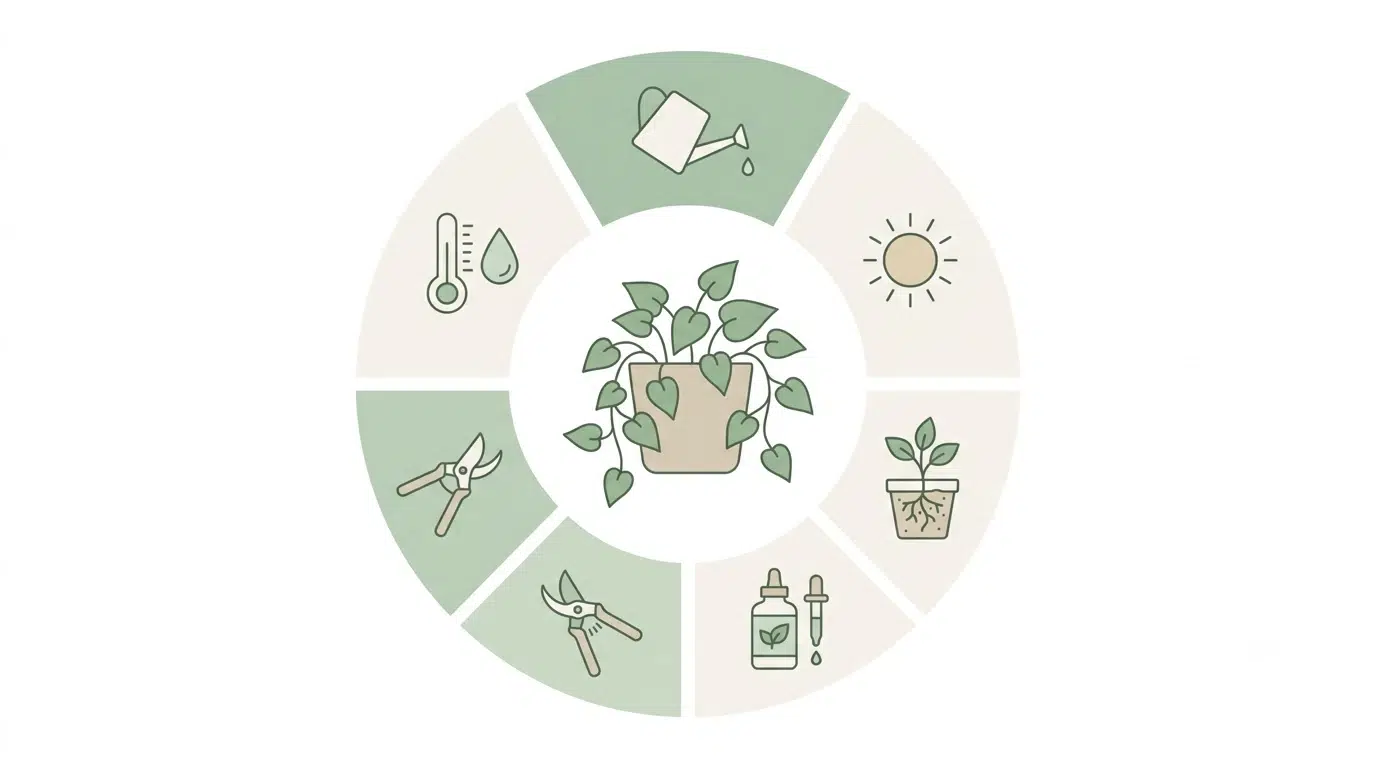
Hoya linearis care involves several key factors that support both healthy growth and flowering.
- Watering: Moderate watering is best, allowing the soil to dry slightly between waterings. Overwatering is a common issue, as the trailing stems are sensitive to root rot.
- Light: Bright, indirect light supports both foliage health and blooming.
- Soil: A well-draining, chunky soil mix mimics the plant’s natural epiphytic growing conditions.
- Fertilization: Balanced feeding during the growing season, shifting to a phosphorus-rich formula to support blooming.
- Pruning: Light pruning can encourage bushier growth along the trailing stems.
- Climate: Hoya linearis prefers cooler, humid conditions consistent with its Himalayan origin.
Do Hoyas Prefer to Hang or Climb?
Hoya linearis naturally grows in a trailing, hanging habit rather than climbing. This distinguishes it from other hoya species that use aerial roots to climb structures or trees in their native habitat. For another popular trailing hanging plant with similar care needs, see our Ceropegia woodii Care Guide.
Do Hoyas Like Bathrooms?
Bathrooms can be beneficial for Hoya linearis due to the higher humidity levels typically found in these spaces. Since this species originates from humid mountain forests, consistent moisture in the air can support healthier foliage and stem growth. If a bathroom isn’t an option, see our guide on How to Increase Humidity for Indoor Plants Without a Humidifier.
Hoya Linearis Propagation
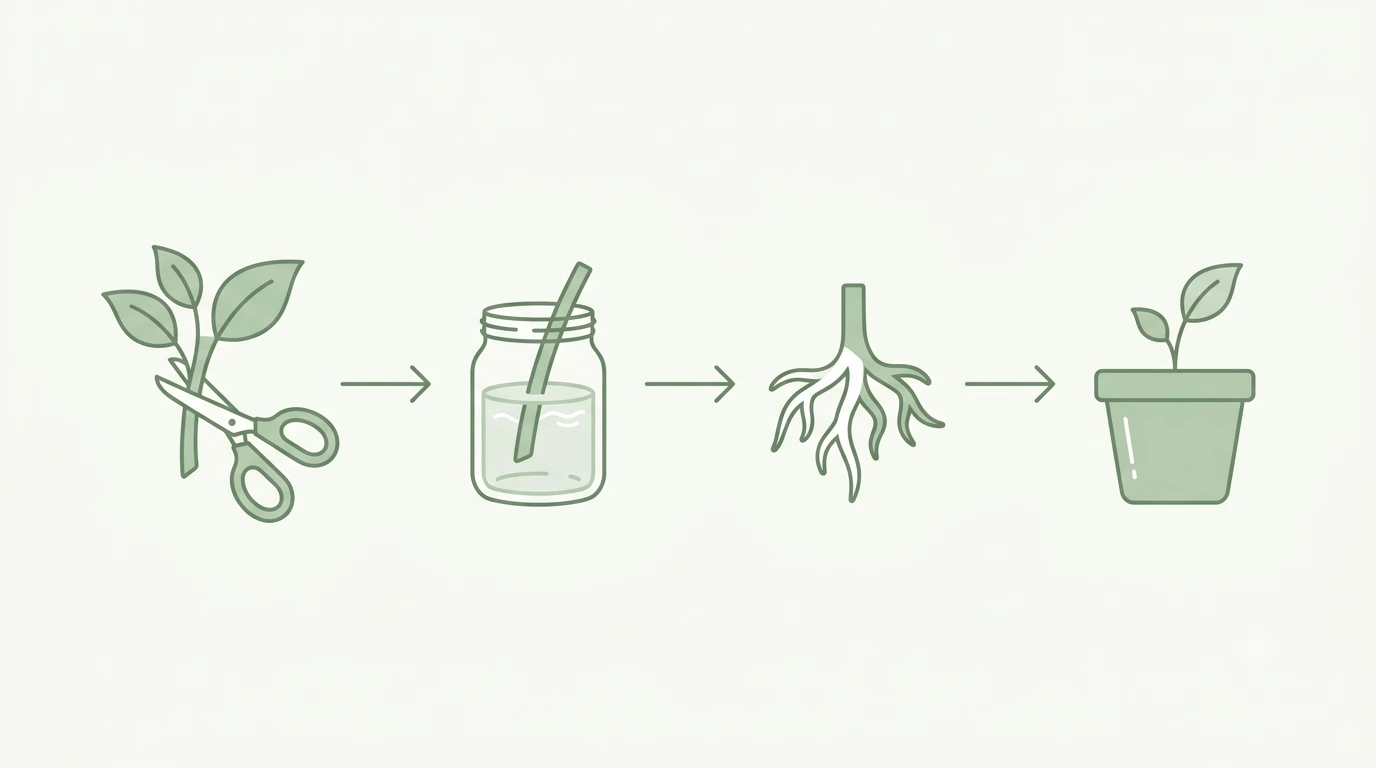
Hoya linearis propagation is commonly done through stem cuttings, and the process is straightforward for growers with some houseplant experience.
- Take a cutting: Select a healthy stem section with at least two to three nodes.
- Choose a rooting medium: Perlite or water are both effective methods for rooting hoya linearis cuttings.
- Propagating in perlite: Place the cutting in moistened perlite, keeping it consistently damp but not saturated.
- Water propagation: Submerge the node section in water, changing it regularly to prevent bacterial growth.
- Monitor for new growth: New growth typically appears within several weeks, signaling successful root development and readiness for transplanting into soil.
Hoya Linearis in the Wild
In its native range, Hoya linearis grows as an epiphyte in the cool, humid forests of the Himalayan foothills, often at higher elevations where temperatures remain moderate year-round. It typically grows attached to trees or other structures, drawing moisture from the humid air rather than relying solely on soil-based roots. Replicating these conditions at home, through humidity, filtered light, and well-draining substrate, helps support healthier growth and blooming.
Why Is Hoya Linearis So Expensive?

Hoya linearis is considered one of the more expensive hoya species due to its slow propagation rate, limited availability, and high collector demand. Import restrictions on plants from its native region further limit supply in many markets, contributing to higher prices compared to more commonly available hoya varieties.
📌 Factor | Impact on Price
| Factor | Impact on Price |
| Growth Rate | Slow growth limits how quickly new plants can be propagated for sale |
| Availability | Limited stock due to specialized growing conditions |
| Import Status | Restrictions on importing plants from native regions reduce supply |
| Collector Demand | High demand among hoya collectors increases competitive pricing |
Common Problems With Hoya Linearis
- Yellowing leaves: Often caused by overwatering or poor drainage. Correcting watering frequency and ensuring well-draining soil typically resolves this issue.
- Overwatering issues: Excess moisture increases the risk of root rot. Allowing soil to dry between waterings helps prevent this.
- Slow growth: Often linked to insufficient light or inadequate fertilization. Increasing light exposure and feeding during the growing season can help.
- Pest infestations: Mealybugs and aphids are common pests. Regular inspection and treatment with insecticidal soap can prevent infestations from spreading.
- Failure to bloom: The most common beginner mistake is insufficient light, though maturity and feeding also play a role, as covered in the blooming section above.
Buying Hoya Linearis
When looking for Hoya linearis for sale, availability and pricing can vary significantly by region due to import restrictions and limited propagation supply. Healthy specimens should have firm, evenly colored leaves without signs of pest damage or root rot. Checking root health and overall stem condition before purchasing helps ensure a strong start for long-term care.
Hoya Linearis vs Similar Trailing Hoyas
Compared to other trailing, fuzzy-leaf hoya species, Hoya linearis is generally considered more sensitive to overwatering and slower to reach flowering maturity. Its scent profile is milder than species like Hoya carnosa, and its growth habit is more strictly trailing rather than semi-climbing, which is seen in some related varieties. These differences make Hoya linearis a distinct choice among collectors seeking a specific combination of texture, scent, and growth form. For a closer look at another compact trailing hoya, see our Hoya Curtisii Variegated Care Guide.
Conclusion
The Hoya linearis flower stands out for its fuzzy white blooms, mild coconut-like fragrance, and delicate umbel clusters. Successful flowering depends on bright indirect light, plant maturity, consistent feeding, and mild root-bound conditions. Paired with proper watering, well-draining soil, and humid conditions, Hoya linearis can reward patient growers with fragrant, cascading blooms. Understanding these care requirements is essential for anyone looking to grow this increasingly popular hoya species successfully.
FAQs
1. Does Hoya linearis bloom?
Yes, Hoya linearis blooms once it reaches maturity, typically producing small, fuzzy white to cream flower clusters under bright indirect light conditions.
2. How long does it take for Hoya linearis to flower?
Hoya linearis generally takes two to four years to reach flowering maturity, depending on light exposure, feeding, and overall growing conditions.
3. What do Hoya linearis flowers smell like?
Hoya linearis flowers typically produce a mild, sweet fragrance often compared to coconut or vanilla, though intensity can vary by plant and conditions.
4. Why is Hoya linearis so expensive?
Hoya linearis is expensive due to its slow propagation rate, limited availability, import restrictions from its native region, and high demand among collectors.
5. Can you propagate Hoya linearis, and how?
Yes, Hoya linearis can be propagated through stem cuttings using either perlite or water as a rooting medium, with new growth typically appearing within several weeks.
6. Do Hoya linearis like to be root bound?
Yes, Hoya linearis tends to flower more readily when mildly root-bound, as limited root space can encourage the plant to focus energy on blooming.
7. What is the common name for Hoya linearis?