
Introduction
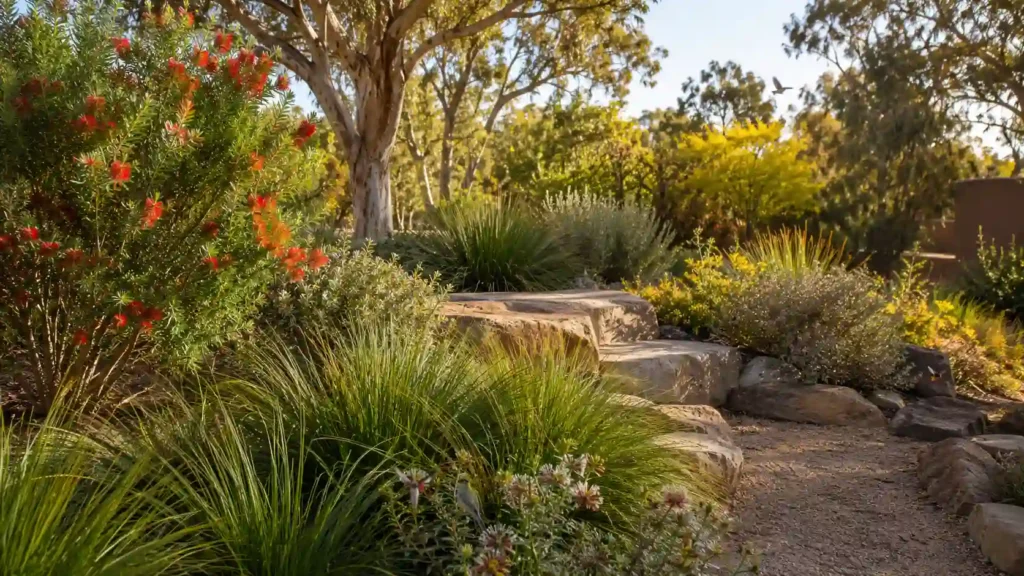
Low maintenance Australian native plants are species naturally adapted to Australia’s diverse climate, making them ideal for gardeners who want resilience with minimal effort. These plants typically require less watering, fertiliser, and pruning compared to exotic ornamentals, while still offering strong visual appeal. Their deep adaptation to local soils and weather conditions allows them to thrive in both urban and rural landscapes. For more insights into plant-based nutrition and wellness, see our guide on Fruit Juice Benefits Chart: Best Juices for Health.
This guide explains what makes these plants low maintenance and highlights the best Australian native choices for gardens, pots, and pool areas. It also covers care requirements, design ideas, and common beginner mistakes to help you build a sustainable, easy-care native garden. For a deeper understanding of landscape design and plant selection, explore our detailed guide on Australian Native Garden Plants, which covers structured native garden planning and species grouping strategies.
Quick Summary
- Low maintenance natives are drought-tolerant, pest-resistant, and require minimal pruning
- Popular types include shrubs, ground covers, and flowering native species
- Ideal for gardens, pots, poolside landscaping, and small spaces
- Require well-drained soil, low fertiliser, and occasional seasonal care
What Makes a Plant “Low Maintenance”?
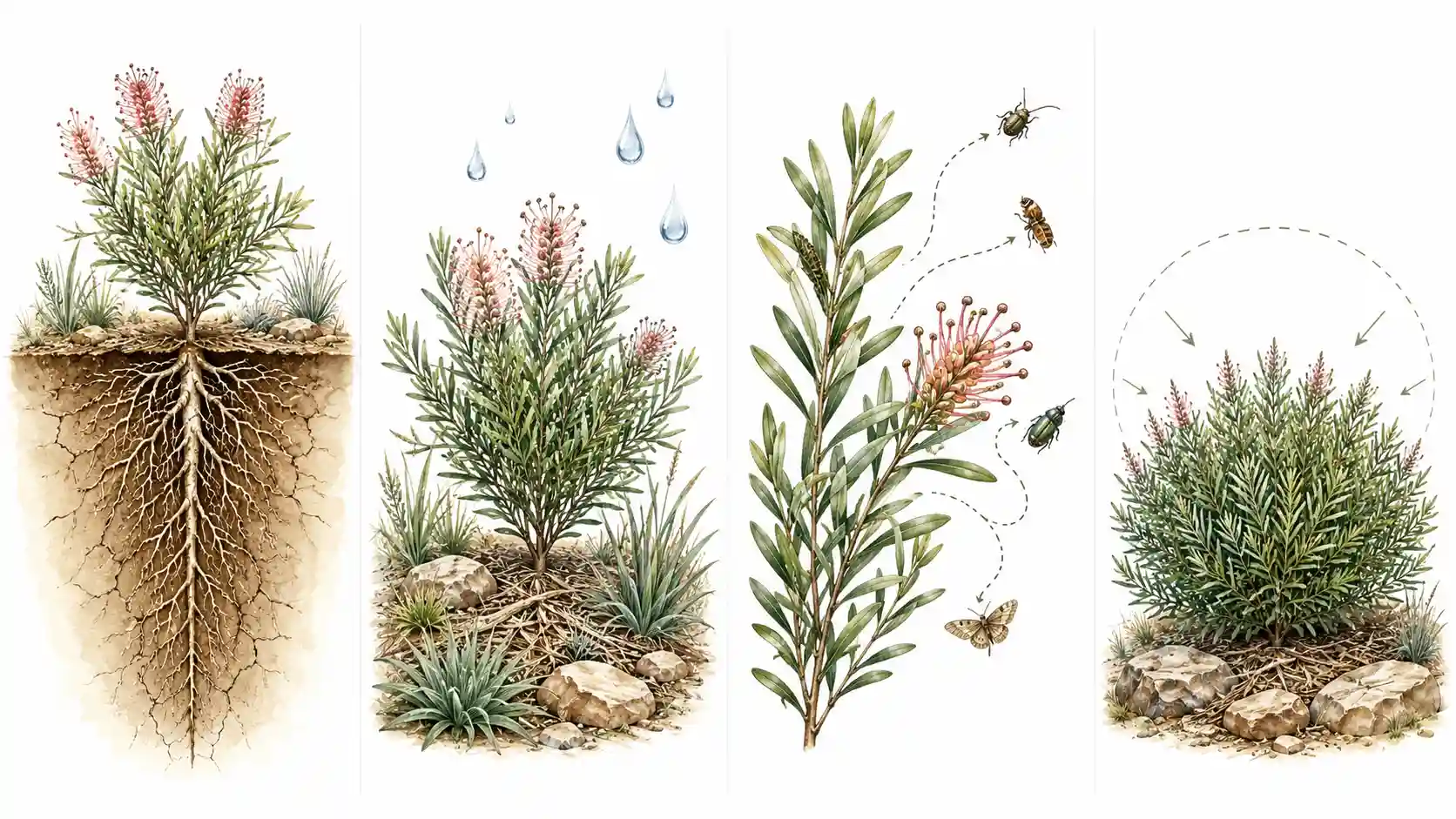
Low maintenance Australian native plants are defined by their ability to thrive with minimal human intervention, particularly in watering, pruning, and fertilising.
Key traits include:
- Drought tolerance due to deep root systems
- Slow to moderate growth, reducing pruning needs
- Resistance to common pests and diseases
- Adaptation to poor or sandy soils
- Low nutrient requirements, especially low phosphorus tolerance
These characteristics make them highly suitable for sustainable landscaping in both residential and commercial settings.
Why Australian Natives Suit Low Maintenance Gardens
Australian native plants naturally perform well in low maintenance landscapes because they are adapted to local environmental conditions.
- Adapted to climate and soil: They survive extreme heat, dry periods, and nutrient-poor soils
- Lower water needs: Once established, many natives require minimal irrigation
- Support biodiversity: They attract birds, bees, and pollinators, improving ecosystem health
Australian native plants are species that evolved naturally in Australia’s ecosystems and are widely documented in botanical references such as Australian native flora classifications on Wikipedia for ecological adaptation and biodiversity importance.
Best Low Maintenance Australian Native Plants (Top Picks)
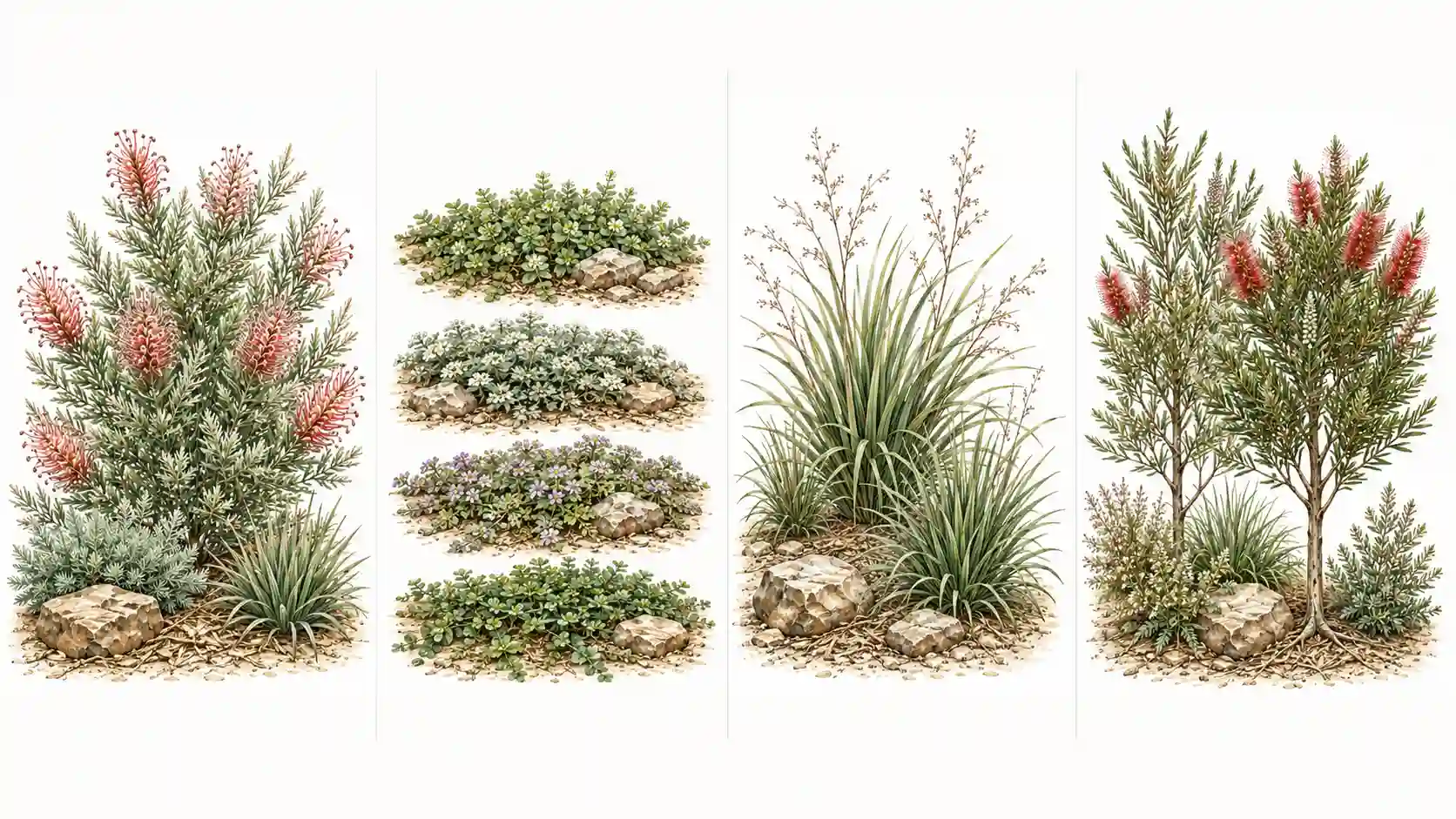
The best low maintenance Australian native plants are selected for durability, visual appeal, and ease of care across different garden environments.
Top 10 Native Australian Plants for Landscaping
- Lomandra longifolia: Hardy grass-like plant, drought-tolerant, great for borders
- Grevillea varieties: Vibrant flowers, attract birds, sun-loving shrubs
- Callistemon (Bottlebrush): Red flowering shrub/tree, low water needs
- Westringia fruticosa: Coastal rosemary, compact hedge plant
- Correa reflexa: Shade-tolerant flowering shrub
- Banksia integrifolia: Large native tree with unique flowers
- Dianella revoluta: Blue flax lily, great for ground cover
- Myoporum parvifolium: Fast-spreading ground cover
- Hakea laurina: Ornamental pincushion flower shrub
- Acacia cognata: Soft foliage, ideal for modern landscapes
If you’re planning privacy-focused landscaping, you may also explore Tropical Screening Plants: Best Choices for Garden Privacy for faster-growing alternatives.
Australian Native Plants List With Pictures (Visual Reference Note)
| Species Name | Type | Mature Size | Flower Colour | Sun Requirement |
| Lomandra longifolia | Grass | 1m x 1m | Yellow | Full sun/part shade |
| Grevillea | Shrub | 1–3m | Red/Pink | Full sun |
| Callistemon | Tree/Shrub | 2–5m | Red | Full sun |
| Westringia | Shrub | 1–2m | White | Full sun |
| Dianella | Ground cover | 0.5–1m | Blue | Part shade |
Low Maintenance Australian Native Shrubs and Garden Shrubs
Native shrubs are the backbone of low maintenance gardens due to their structure, resilience, and flowering ability.
Low Growing Native Plants and Ground Covers
- Myoporum parvifolium
- Grevillea ‘Ground Cover’ varieties
- Dichondra repens
- Carpobrotus glaucescens
- Scaevola aemula
These plants are ideal for borders, slopes, and weed suppression.
Flowering Native Shrubs for Colour
- Grevillea species (year-round blooms)
- Callistemon varieties (spring–summer flowering)
- Correa reflexa (winter flowers)
- Boronia heterophylla (fragrant pink blooms)
These shrubs create seasonal colour without heavy maintenance. A popular aromatic option for hedging and fragrance gardens is discussed in Lemon Myrtle Hedge Backhousia Citriodora Guide.
Low Maintenance Australian Native Plants for Pots
Native plants perform well in containers when selected correctly.
Key container tips:
- Use pots with excellent drainage holes
- Choose sandy, free-draining potting mix
- Select compact varieties like dwarf grevilleas or dianella
- Avoid overwatering, especially in cooler months
Suitable species include:
- Dwarf Banksia varieties
- Small Grevillea cultivars
- Westringia ‘Nana’
- Kangaroo paw (Anigozanthos)
If you are combining natives with edible container plants, see Dwarf Fruit Trees Guide: 10+ Easy Growing Tips.
Low Maintenance Australian Native Plants for Pool Areas
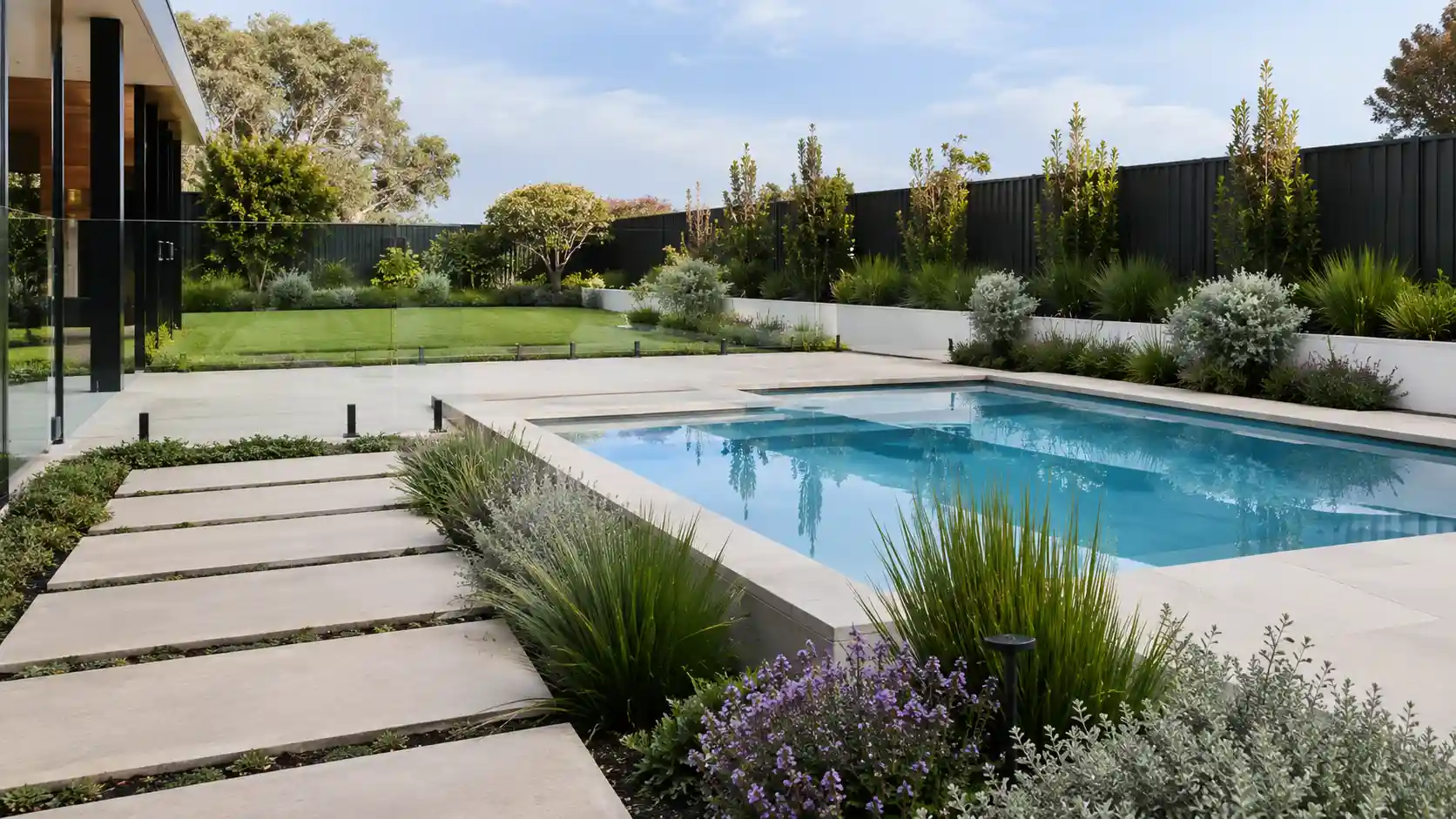
Poolside planting requires non-messy, durable, and heat-tolerant species.
Choosing Pool-Safe Native Plants
- Non-invasive root systems to protect pool structures
- Minimal leaf and flower drop for cleanliness
- Heat and chlorine tolerance
- No sharp or hazardous foliage
Comparison — Native vs Non-Native Pool Plants
| Feature | Australian Natives | Non-Native Plants |
| Water usage | Low | Medium to high |
| Maintenance | Minimal | Moderate to high |
| Climate adaptability | High | Variable |
| Leaf drop | Low (selected species) | Often higher |
Low Maintenance Australian Native Plants for Full Sun and Shade
Full Sun Tolerant Natives
- Grevillea varieties
- Callistemon
- Banksia species
- Acacia species
These plants thrive in hot, direct sunlight with minimal irrigation once established.
Shade-Tolerant Compact Natives
- Correa reflexa
- Dianella species
- Lomandra varieties
- Native violets (Viola hederacea)
These are suitable for understory planting and shaded gardens. Some native flowering species also produce edible or ornamental fruit, such as explained in Native Gardenia Fruit: Taste, Edibility & Growing Guide.
Evergreen and Cascading Low Maintenance Natives
Evergreen natives maintain foliage year-round, while cascading varieties add soft landscaping effects.
- Evergreen: Westringia, Lomandra, Banksia integrifolia
- Cascading: Myoporum parvifolium, Scaevola aemula
These plants are ideal for retaining structure in all seasons.
Designing a Small Native Garden
Small native gardens focus on layering, texture, and space efficiency.
Layout Tips for Small Spaces
- Use taller shrubs as focal points
- Layer mid-height and ground cover plants
- Avoid overcrowding to reduce competition
Australian Native Border Plants
- Lomandra edging lines
- Dianella borders
- Low grevillea hedges
These create clean, structured pathways and garden edges. For mixed-style landscaping inspiration, see Australian Cottage Garden: 10+ Smart Design Ideas.
Plant Size — What to Expect From Native Shrubs and Ground Covers
Native plant size varies depending on species and environment.
- Shrubs: 1–3 metres typically
- Ground covers: 10–50 cm height
- Trees: 5–15 metres depending on species
Growth is influenced by:
- Soil quality
- Sun exposure
- Water availability
- Climate zone
Indoor growth is generally smaller and slower due to limited light and space.
Growth Rate of Low Maintenance Australian Natives
Growth rates vary widely among native plants.
- Fast-growing: Myoporum, Acacia
- Moderate growth: Grevillea, Callistemon
- Slow growth: Banksia, some Hakea species
Seasonal growth peaks occur in spring and early summer, while winter growth slows significantly in most regions. For faster landscaping results, check Fast Growing Australian Native Trees: 8+ Smart Picks for high-performance screening options.
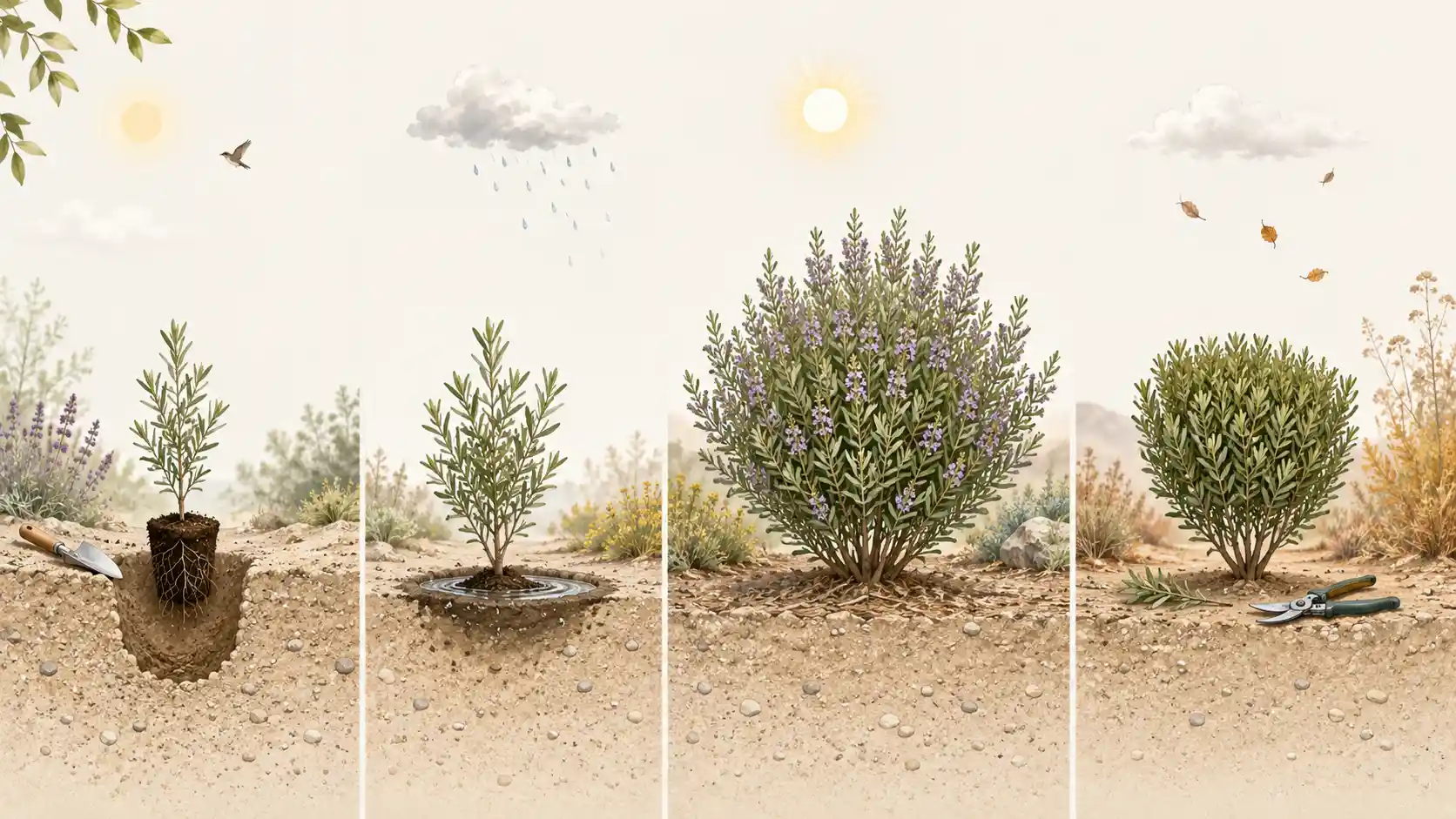
Care Guide for Low Maintenance Australian Native Plants
Watering and Soil Requirements
- Water deeply during establishment phase
- Reduce watering once roots are developed
- Ensure well-drained soil to prevent root rot
- Avoid waterlogging at all times
Fertilising and Pruning Basics
- Use low-phosphorus native plant fertilisers
- Fertilise lightly in spring
- Prune after flowering to maintain shape
- Avoid heavy pruning unless necessary
Common Problems With Australian Native Plants (And How to Fix Them)
Yellowing Leaves
Caused by overwatering or nutrient imbalance. Improve drainage and adjust watering frequency.
Overwatering and Root Rot
Occurs in poorly drained soils. Fix by improving soil structure and reducing irrigation.
Pest Infestations in Native Gardens
Common pests include scale insects and aphids. Treat with natural oils or biological controls.
Slow or Stunted Growth
Often caused by poor soil nutrition or low sunlight. Relocate or amend soil conditions.
For identifying pest issues in detail, refer to Common Garden Bugs Guide: 12+ Essential ID Tips.
Beginner Mistakes When Growing Australian Natives
Common mistakes include:
- Overwatering plants assuming they need constant moisture
- Using high-phosphorus fertilisers, which can damage roots
- Planting in poorly drained soil
- Ignoring mature plant size and spacing requirements
Correcting these early improves long-term plant health significantly.
Where to Buy Low Maintenance Australian Native Plants
Native plants are widely available in specialist nurseries and garden retailers.
Native Plant Nurseries vs Hardware Store Options
- Nurseries: Wider variety, expert advice, healthier stock
- Hardware stores: Affordable, convenient, limited selection
Both can be suitable depending on project scale and plant availability.
Conclusion
Low maintenance Australian native plants provide an efficient, sustainable solution for gardens that require minimal upkeep while maintaining year-round beauty. Their natural adaptation to Australian climates makes them drought-tolerant, resilient, and highly versatile across gardens, pots, and poolside landscapes. By selecting the right species and following simple care practices, gardeners can create long-lasting, eco-friendly outdoor spaces with ease. To explore broader plant health insights and benefits, you can also read Plants Benefits and Guides.
FAQs
What are the easiest Australian native plants to look after?
The easiest species include Lomandra, Grevillea, Callistemon, and Dianella due to their drought tolerance and low maintenance requirements.
Do Australian native plants need fertiliser?
Yes, but only light feeding with low-phosphorus native fertilisers, typically once or twice a year.
Which native plants are safe to plant near a pool?
Grevillea, Lomandra, Westringia, and Dianella are ideal due to low leaf drop and non-invasive roots.
How fast do Australian native shrubs grow?
Growth rates vary from slow to fast depending on species, with most shrubs reaching maturity in 2–5 years.
Can Australian native plants grow well in pots?
Yes, compact varieties thrive in pots when provided with good drainage and appropriate soil mix.
Why are my native plant's leaves turning yellow?
Yellowing is usually caused by overwatering, poor drainage, or nutrient imbalance.


