
Introduction
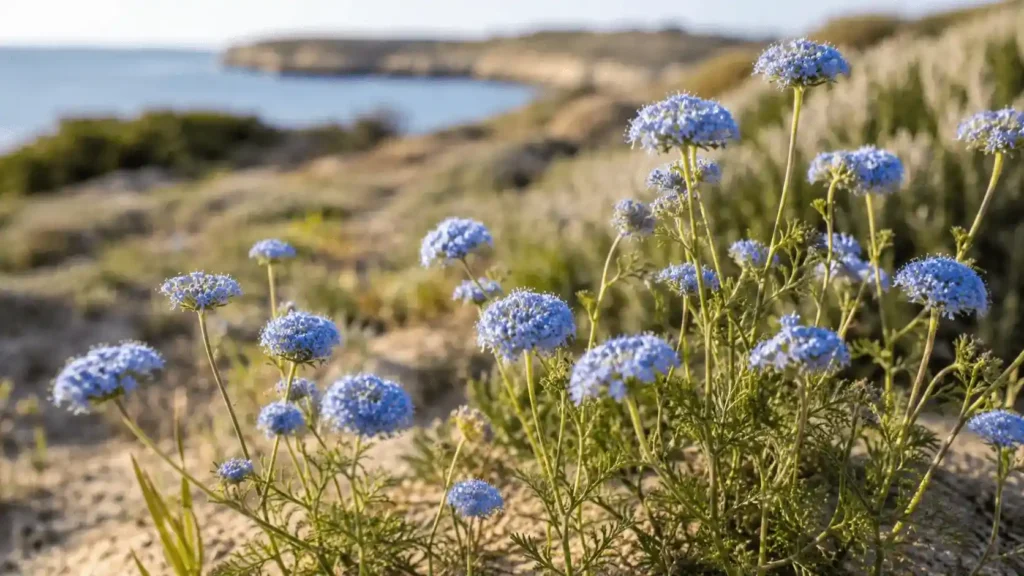
The blue rottnest island daisy is a soft, lace-flowering Australian native wildflower admired for its delicate sky-blue blooms and airy growth habit. Commonly linked with the rottnest island daisy flower and botanically associated with Trachymene coerulea, it is widely grown in ornamental and native landscapes across Australia. Known for its light structure and pollinator-friendly nature, it fits beautifully into cottage gardens, coastal plantings, and wildflower displays. In blue rottnest island daisy Australia gardening, it is valued for drought tolerance, low maintenance needs, and seasonal flowering performance. Its resemblance to blue lace flower forms makes it especially popular among gardeners seeking soft-textured native planting styles.
Quick Summary
- The blue rottnest island daisy is an Australian native wildflower valued for its delicate blue blooms and easy-care nature.
- It grows best in sunny, well-drained conditions and is commonly used in cottage gardens and native landscapes.
- The plant is often connected with Trachymene coerulea, also called the blue lace flower.
- Proper watering, spacing, and seasonal care help prevent weak growth and poor flowering.
What Is the Blue Rottnest Island Daisy?
Botanical Identity and Common Names
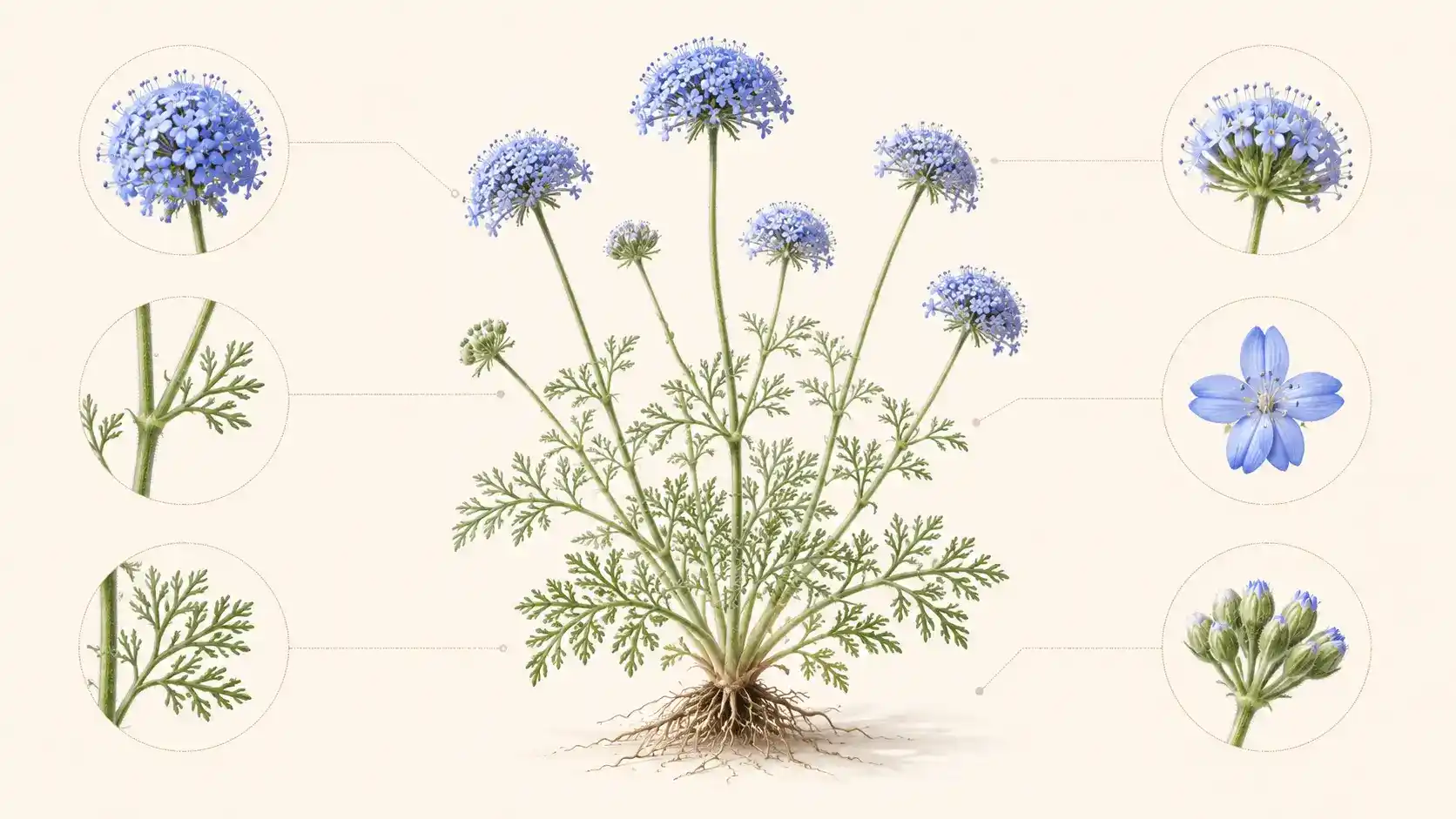
The blue rottnest island daisy is widely identified with Trachymene coerulea, a native Australian flowering plant known for its finely divided, lace-like blue flower clusters. It is commonly referred to as the blue lace flower, rottnest island daisy, or didiscus lacy blue flower in horticultural contexts. The variation in naming often arises because Australian wildflowers are marketed under regional or descriptive trade names rather than strict botanical labeling.
The plant is botanically associated with Trachymene coerulea, commonly known as the blue lace flower, which is documented in botanical references such as Wikipedia.
Although it shares visual appeal with everlasting daisies, the blue rottnest island daisy belongs to a different botanical group and is often categorized as a native ornamental wildflower rather than a true everlasting species.
Origins and Connection to Rottnest Island Plants
This species is closely associated with Western Australia’s coastal flora and forms part of the broader ecosystem of rottnest island plants adapted to sandy soils and dry, windy conditions. These environments shape its drought tolerance and resilience.
Like many coastal natives, it thrives in low-nutrient soils and open sunlight, making it well suited for naturalistic planting schemes and water-efficient gardens.
Plant Characteristics and Appearance
Flower Color, Shape, and Bloom Structure
The blue rottnest island daisy produces soft blue to violet flower clusters arranged in delicate, lace-like umbels. This structure gives it the appearance of a finely woven bloom, often compared to blue lace flower forms. The airy floral heads are a defining trait of everlasting daisies australia-style wildflower gardens.
Foliage, Growth Habit, and Plant Texture
The plant has finely divided green foliage and an open, branching structure that creates a light, airy visual effect. This makes it highly ornamental in cottage gardens and native pollinator gardens, where visual softness and movement are desired.
Typical Height and Mature Size
The blue rottnest island daisy height typically ranges from 30 cm to 80 cm depending on soil, climate, and care conditions. In optimal environments, it can develop a wider spread and fuller flowering habit.
| Growth Condition | Height Range | Spread |
| Container growth | 20–40 cm | Limited (compact) |
| Garden bed growth | 40–80 cm | Moderate spread |
| Coastal climate growth | 30–70 cm | Natural, airy spread |
Growing Conditions for Blue Rottnest Island Daisy
Light Requirements and Ideal Climate
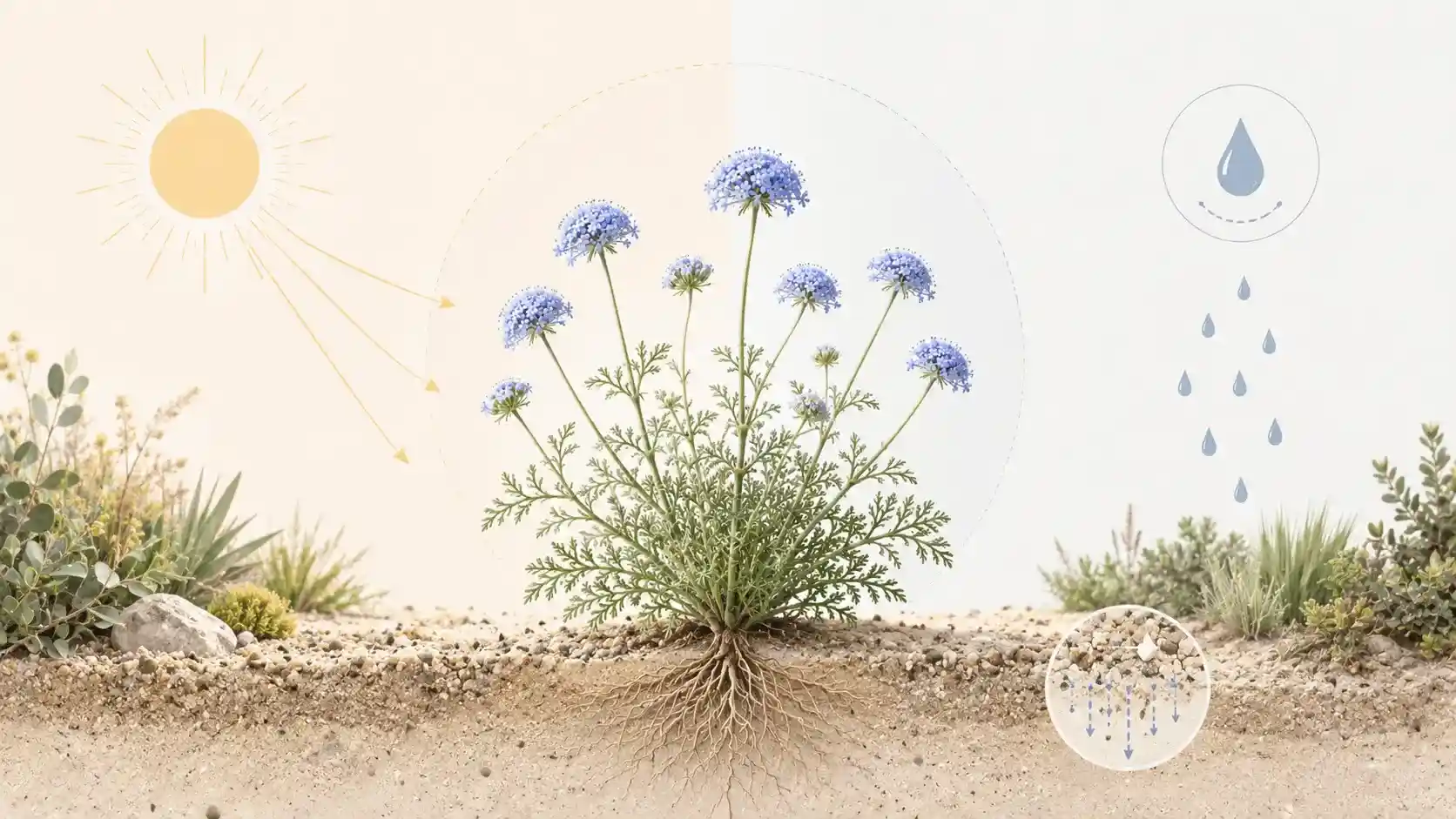
The blue rottnest island daisy prefers full sun and warm temperate climates. It performs best in bright conditions and shows improved flowering when exposed to at least 6 hours of sunlight daily. It is moderately drought tolerant once established, making it suitable for Australian native landscapes.
Soil Preferences and Drainage Needs
Well-draining soil is essential for healthy growth. Sandy soil is ideal, while heavy clay soil can restrict root development and lead to poor performance.
| Soil Type | Suitability | Notes |
| Sandy soil | Excellent | Best drainage and growth |
| Loamy soil | Good | Requires moderate drainage |
| Clay soil | Poor | High risk of root stress |
Watering and Moisture Balance
Seedlings require consistent moisture but not waterlogging. Mature plants prefer deep but infrequent watering. During dry seasons, occasional deep watering supports flowering without stressing roots.
Overwatering can cause root rot and weak growth, especially in poorly drained soils.
Blue Rottnest Island Daisy Care Guide
Fertilization and Nutrient Needs
The plant has low nutrient requirements. Light feeding during early growth can improve flowering, but excessive fertilizer may encourage foliage growth over blooms. Like many species covered in Plants Benefits and Guides, the blue rottnest island daisy requires minimal feeding and responds best to light, balanced nutrition rather than heavy fertilization.
Pruning and Deadheading Tips
Regular deadheading encourages extended flowering periods. Seasonal trimming helps maintain shape and supports new bloom production.
Seasonal Care and Temperature Considerations
It flowers best in spring and early summer. The plant is frost-sensitive and may decline in cold conditions. In cooler climates, it may behave as a seasonal annual.
Growing Blue Rottnest Island Daisy From Seeds
Seed Germination Process
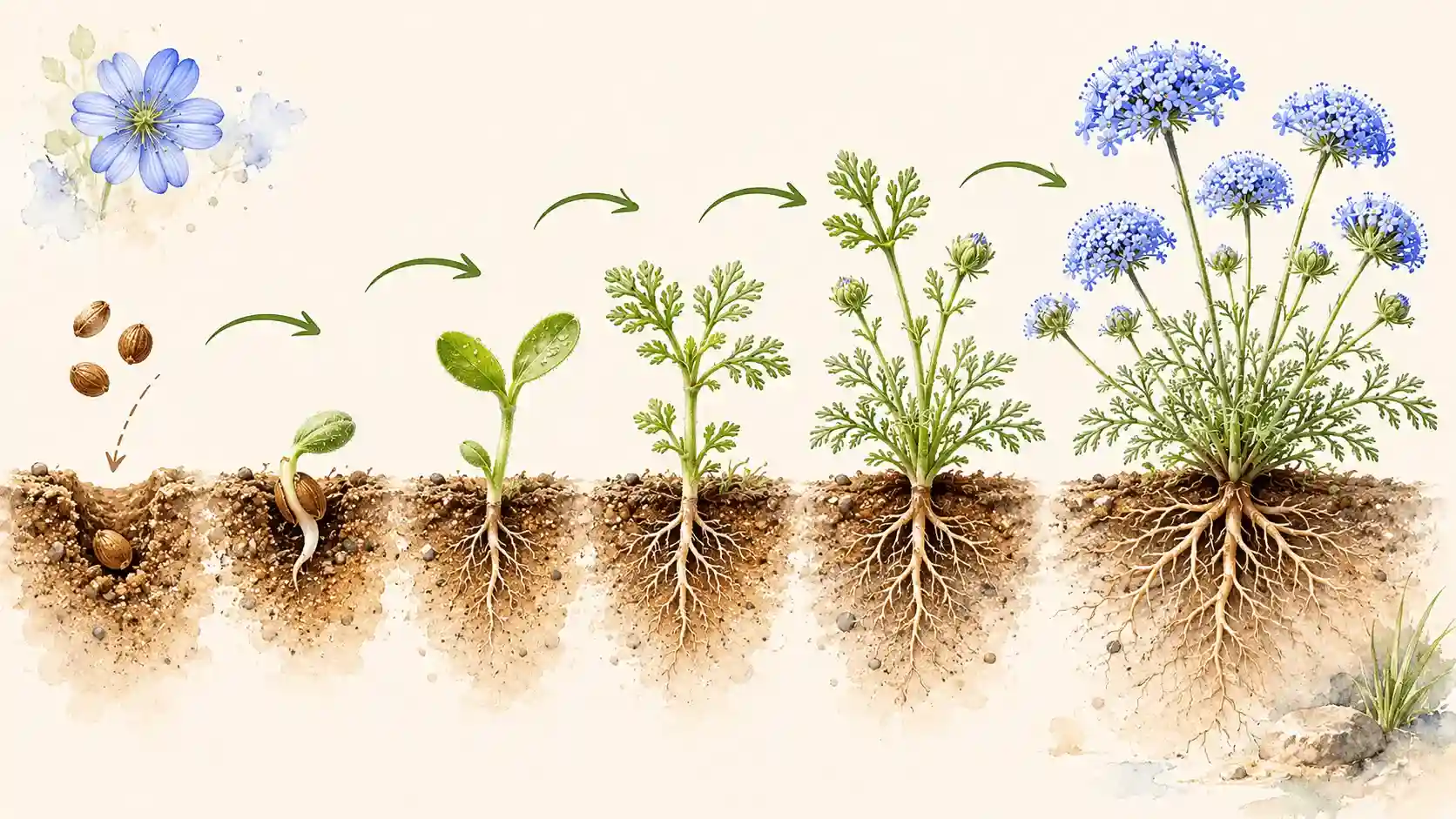
Blue rottnest island daisy seeds, including everlasting daisy seeds and paper daisy seeds, germinate best in warm conditions around 18–22°C. Sow seeds shallowly and keep the soil lightly moist until germination occurs.
Seedling Care and Early Growth Stages
Blue rottnest island daisy seedlings require bright light, good airflow, and careful spacing to prevent overcrowding. Transplant once seedlings develop strong root systems.
Common Germination Mistakes
- Overwatering causing rot
- Poor drainage reducing germination success
- Insufficient sunlight leading to weak seedlings
- Crowded planting reducing airflow
Is the Blue Rottnest Island Daisy Invasive?
Understanding Natural Spreading Behavior
The blue rottnest island daisy is not considered highly invasive. It may self-seed under suitable conditions but does not aggressively spread like invasive weeds. It behaves more like a natural reseeding wildflower.
Environmental Limitations and Control Methods
Its spread is limited by climate, soil, and moisture conditions. Container growing and deadheading help control unwanted reseeding.
Comparison Between Blue Rottnest Island Daisy and Similar Australian Flowers
Blue Rottnest Island Daisy vs Everlasting Daisy
| Feature | Blue Rottnest Island Daisy | Everlasting Daisy |
| Bloom type | Lace-like clusters | Papery daisy heads |
| Lifespan | Annual | Annual/perennial types |
| Climate tolerance | Warm, coastal | Broader range |
Blue Lace Flower vs Paper Daisy
| Feature | Blue Lace Flower | Paper Daisy |
| Appearance | Soft blue lace blooms | Papery colored petals |
| Seeds | Fine, light seeds | Paper daisy seeds Australia types |
| Growth habit | Airy wildflower | Compact flowering stems |
Related Native Plants and Coastal Species
Plants such as moonah trees, Melaleuca lanceolata (rottnest tea tree), and other lanceolata coastal species share similar environmental adaptations. These rottnest island plants contribute to coastal stability and biodiversity in native landscapes.
It shares similarities with other native species such as the Paper Daisy Plant, especially in its ornamental bloom structure and role in Australian wildflower gardens.
Landscaping Uses and Garden Design Ideas
Cottage Gardens and Native Wildflower Beds
The plant is widely used in informal garden designs where soft color transitions and pollinator support are desired. It pairs well with other native everlasting daisy species. It is also commonly featured in Australian Cottage Garden designs where informal planting and seasonal wildflower displays are preferred.
Container Gardening and Small Spaces
It performs well in pots with good drainage and spacing for airflow. Container growth helps control spread and supports compact flowering.
Companion Plants for Australian Native Gardens
Suitable companions include everlasting flowers, native everlasting daisy, rottnest tea tree, and moonah trees, all of which support biodiversity and low-water landscaping.
It pairs well in mixed native beds with species like Scaevola Aemula, which complements its soft texture and pollinator-friendly growth habit.
Common Problems With Blue Rottnest Island Daisy
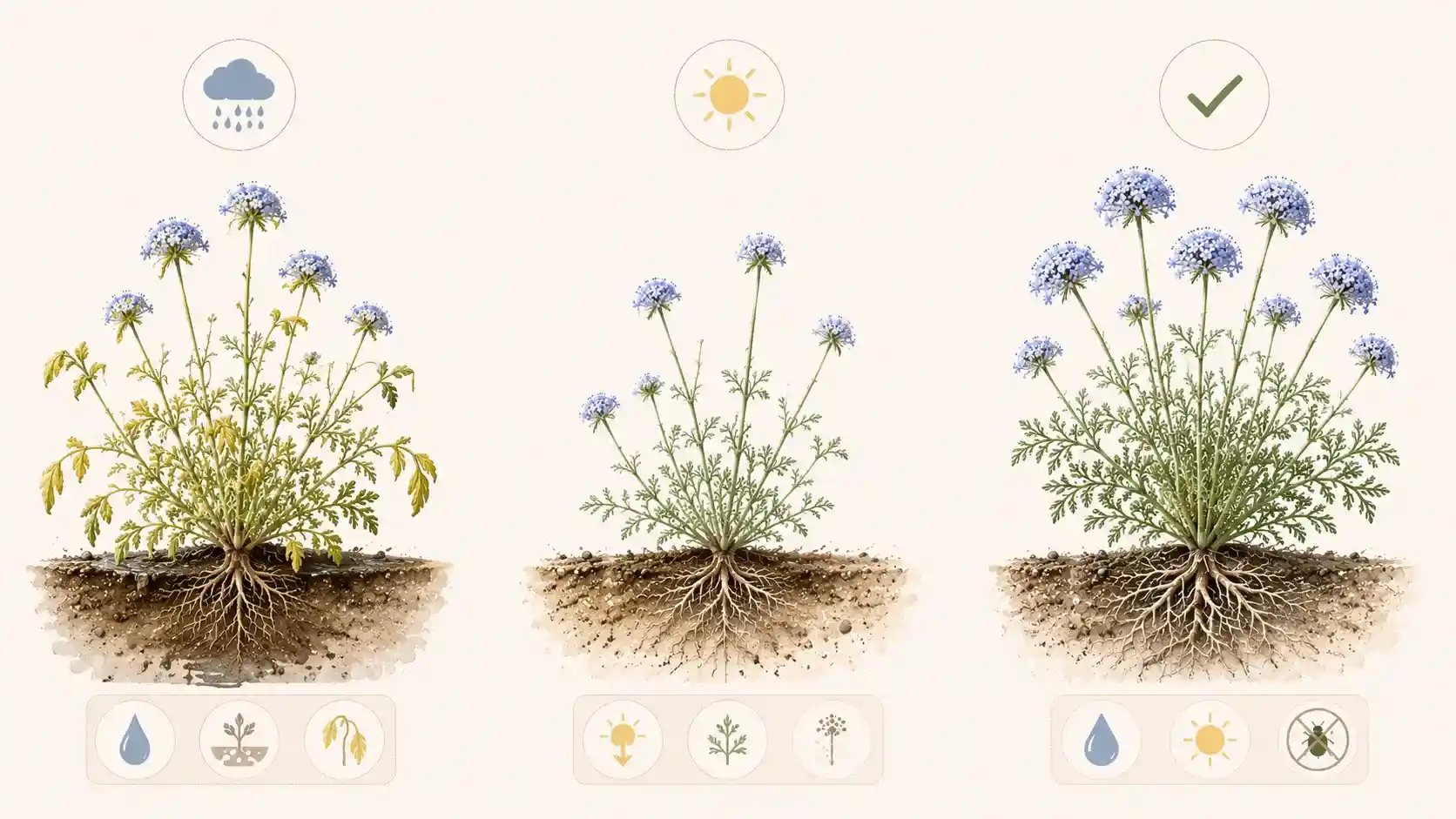
Yellow Leaves and Weak Growth
Caused by overwatering, poor drainage, or nutrient imbalance. Improving soil structure and reducing watering resolves most issues.
Poor Flowering or Sparse Blooms
Often due to low sunlight, overcrowding, or excess fertilizer. Adjusting spacing and light exposure improves bloom production.
Pests, Diseases, and Environmental Stress
Common issues include aphids, fungal infections, and heat stress. Good airflow and proper watering reduce risks significantly.
Beginner Tips for Successfully Growing Blue Rottnest Island Daisy
Best Practices for First-Time Growers
Ensure full sun exposure, sandy soil, and moderate watering. Proper spacing is essential for healthy airflow and flowering performance.
Mistakes to Avoid With Native Wildflowers
Avoid dense soil, overwatering, and poor seasonal timing, which are the most common causes of plant failure.
Blue Rottnest Island Daisy in Australian Gardening Culture
Popularity in Australian Native Gardens
Native wildflowers like the blue rottnest island daisy are increasingly popular due to their biodiversity value and low maintenance requirements. They support pollinators and enhance ecological gardening practices.
The blue rottnest island daisy is commonly featured in broader Australian Native Garden Plants designs due to its drought tolerance, pollinator support, and compatibility with coastal landscapes.
Role in Coastal and Drought-Tolerant Landscaping
The plant is widely used in water-efficient gardens and coastal landscapes due to its drought tolerance and adaptability to sandy soils.
Conclusion
The blue rottnest island daisy is a visually delicate yet resilient Australian native wildflower known for its blue lace-like blooms, low maintenance needs, and adaptability to coastal and garden environments. With proper sunlight, well-drained soil, and balanced watering, it thrives in both native landscapes and ornamental gardens, making it a valuable addition to sustainable planting designs.
FAQ
What is the blue Rottnest Island daisy?
It is a native Australian wildflower commonly linked to Trachymene coerulea, known for its blue lace-like blooms.
Is blue Rottnest Island daisy the same as blue lace flower?
Yes, both names often refer to the same plant species used in ornamental gardening.
How tall does blue Rottnest Island daisy grow?
It typically grows between 30 cm and 80 cm depending on conditions.
Can blue Rottnest Island daisy grow in pots?
Yes, it grows well in containers with good drainage and sunlight.
Is blue Rottnest Island daisy invasive?
No, it is not considered invasive but may self-seed naturally.
How do you grow blue Rottnest Island daisy from seeds?
Sow seeds in warm, well-drained soil with light moisture and good sunlight exposure.