
Introduction
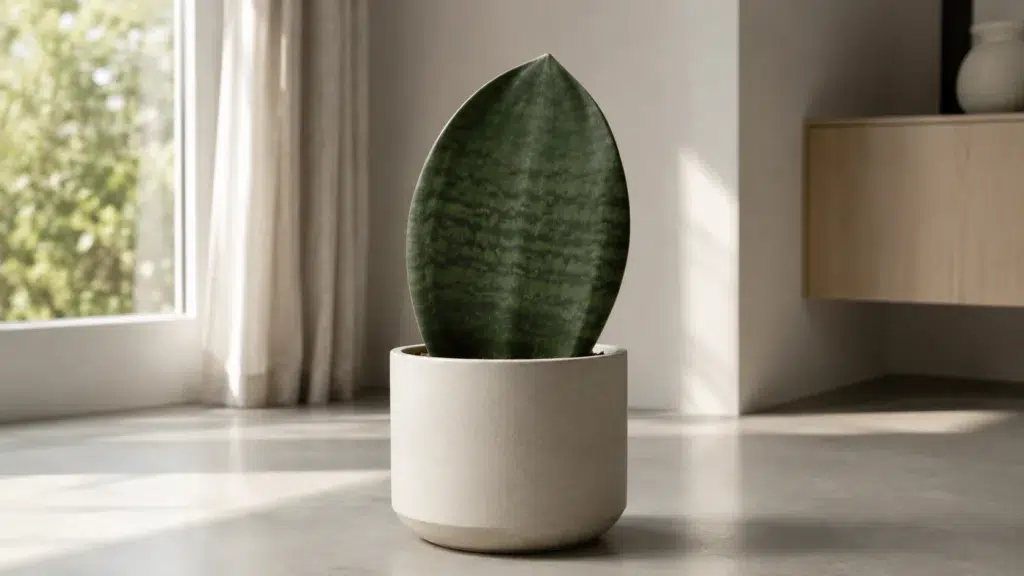
The whale fin snake plant, scientifically known as Sansevieria masoniana (now reclassified under Dracaena masoniana), is one of the most visually distinctive indoor plants in the houseplant world. It is instantly recognizable due to its single, broad, paddle-shaped leaf that rises directly from the soil, resembling a whale’s fin emerging from water. Unlike typical snake plants with multiple upright leaves, this species grows in a sculptural, minimal form. This guide explains whale fin snake plant care, propagation, pricing, size potential, symbolism, and why it is considered a rare collector’s plant.
Quick Summary
- Whale fin snake plant is a rare succulent with a single large, fin-shaped leaf.
- It thrives in low to bright indirect light and needs infrequent watering.
- Its high price is due to extremely slow growth and limited propagation.
- Mature plants can reach 2–4 feet tall with leaves up to 12–18 inches wide.
What Is the Whale Fin Snake Plant?
Botanical Definition and Classification
The whale fin snake plant is a tropical succulent belonging to the Asparagaceae family. It was originally classified under the genus Sansevieria but is now placed in the genus Dracaena. It is commonly referred to as whale fin sansevieria or shark fin plant in horticulture. The plant belongs to the Dracaena genus, a group of tropical foliage plants widely documented for their resilience and architectural leaf structures (see Dracaena classification overview).
Origin of the Common Name
The plant gets its name from its single, thick, oval leaf that grows directly from the soil. This leaf resembles a whale’s fin rising above the ocean surface. Its deep green coloration with faint horizontal banding adds to its dramatic appearance.
Like other Dracaena fragrans Care Guide: Complete Indoor Tips species, the whale fin snake plant belongs to a hardy tropical plant group known for indoor adaptability.
Plant Family Context
The whale fin snake plant is part of the broader snake plant group, commonly known as sansevieria plants, which are widely appreciated for their toughness, drought tolerance, and architectural foliage.
Sansevieria Masoniana vs. Victoria
Standard Form Characteristics
The standard whale fin snake plant has:
- Deep green leaf coloration
- Subtle horizontal banding
- Thick, sturdy leaf structure
- Wider availability in the market
Victoria Cultivar Characteristics
The Victoria cultivar of Sansevieria masoniana differs in several ways:
- Slightly lighter green tones
- More visible surface texture
- Less common in cultivation
- Higher price due to rarity
Key Difference Summary
The main difference lies in visual texture and availability, with Victoria being more collectible and less widely produced than the standard form.
Is the Whale Fin Snake Plant Rare?
Why It Is Considered Rare
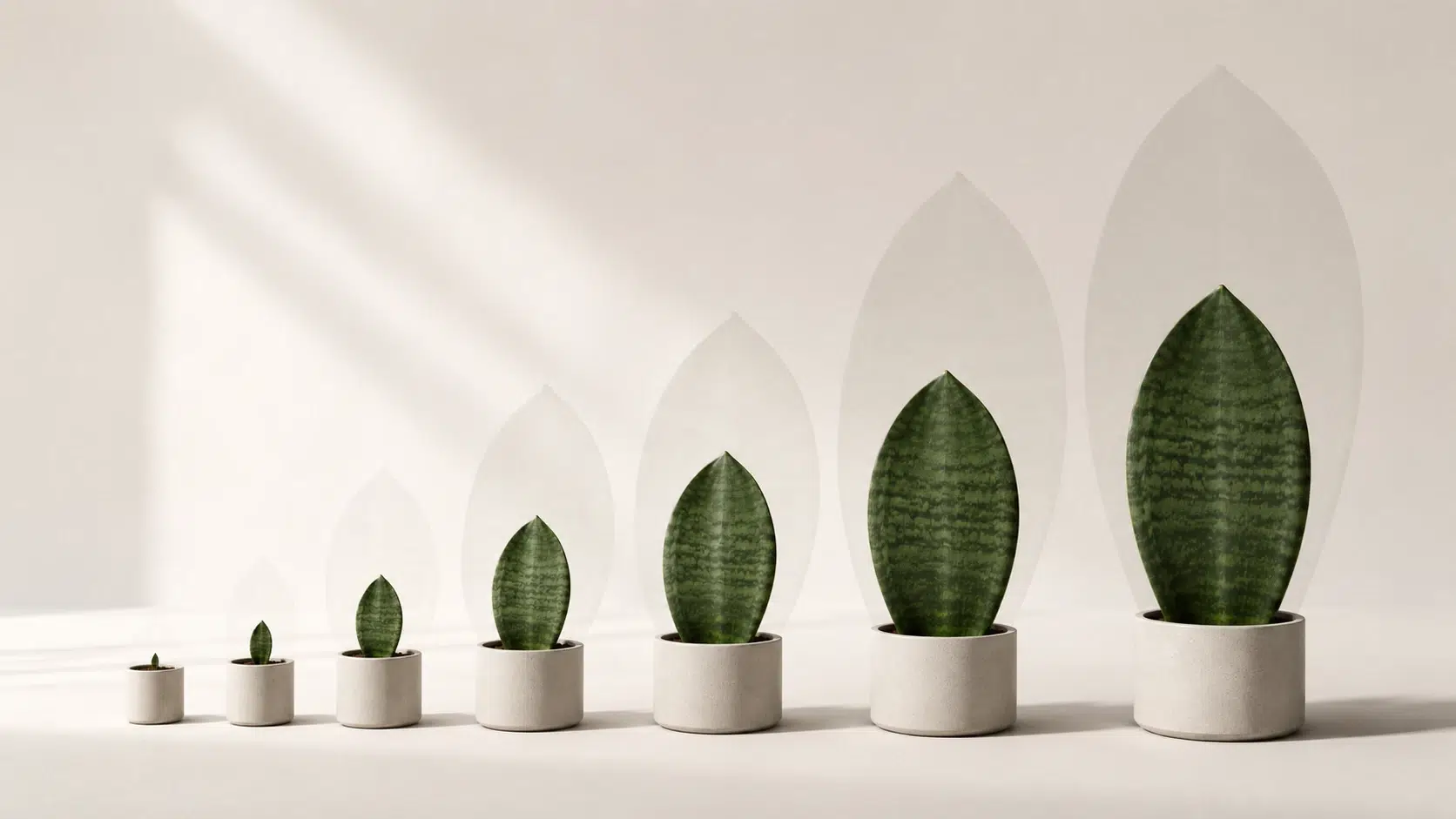
Yes, the whale fin snake plant is rare because it grows extremely slowly and produces very few offsets (pups), limiting large-scale propagation.
Availability in the Market
It is rarely found in general garden centers and is typically available through:
- Specialty plant nurseries
- Online plant marketplaces
- Etsy sellers and collectors
- Plant fairs and botanical exchanges
Collector Demand Factor
High demand from interior designers and plant collectors increases its scarcity in commercial supply chains.
Why Are Whale Fin Plants So Expensive?
Slow Growth Rate
A single leaf of the whale fin snake plant can take several years to mature, making production time-intensive.
Low Propagation Yield
The plant rarely produces pups, and leaf cuttings are slow and unreliable, limiting mass propagation.
High Collector Demand
Its architectural appearance makes it highly desirable for modern interiors, increasing demand beyond supply.
Shipping Challenges
Large, single leaves are fragile and expensive to transport, increasing overall retail cost.
Price Impact Summary
Due to these combined factors, whale fin plants often range from affordable juvenile pups to very expensive mature specimens.
Whale Fin Snake Plant Price: What to Expect
Small Pups
Small pups are the most affordable stage and are usually younger plants that have recently separated from the mother plant.
Juvenile Plants
Mid-sized plants with partially developed leaves are moderately priced due to slow growth investment.
Mature Specimens
Fully grown whale fin plants are the most expensive because they take years to reach full size and stability.
Variegated Forms
Variegated versions command premium pricing due to rarity and slower growth.
How Big Does a Whale Fin Snake Plant Get?
Typical Indoor Size
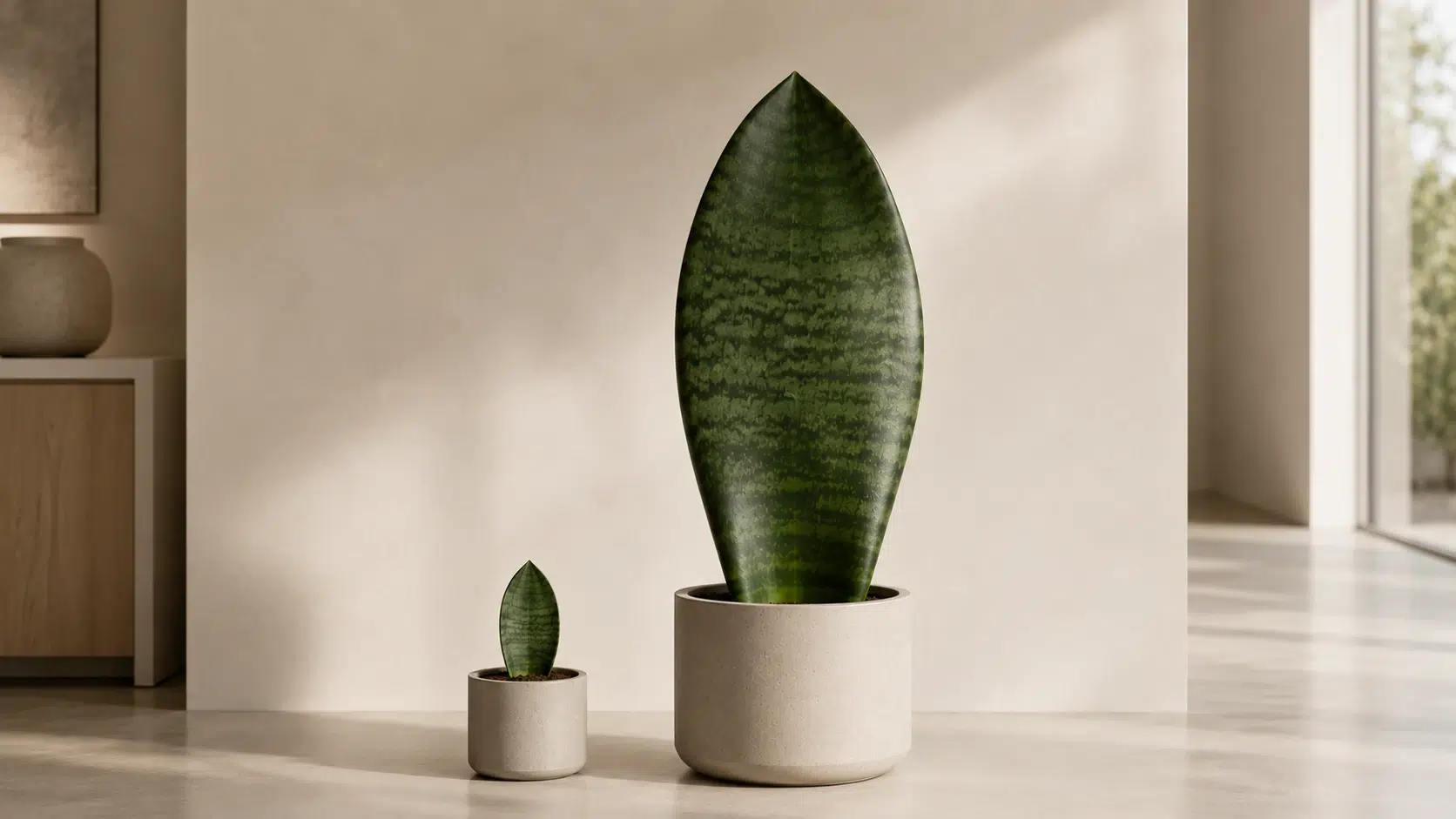
A mature whale fin snake plant typically reaches:
- Height: 2–4 feet
- Leaf width: 10–14 inches
Growth Influencing Factors
Plant size depends on:
- Light intensity
- Pot size
- Soil drainage quality
- General care consistency
Compared to Alocasia Zebrina Care Guide: Complete Indoor Growing Tips, the whale fin snake plant grows much slower but requires significantly less maintenance.
Growth Behavior
Growth is extremely slow, and the plant often takes years to produce a single fully mature leaf.
Whale Fin Snake Plant Care
General Care Overview
Whale fin snake plant care is simple, making it suitable for beginners. It tolerates neglect but performs best with stable light, minimal watering, and well-draining soil. Similar to the ZZ Plant Guide: Dracaena Zamiifolia Care Guide, the whale fin snake plant thrives on neglect and minimal watering.
Light Requirements
Ideal Light Conditions
The plant grows well in low to bright indirect light conditions. Medium indirect light produces the healthiest and fastest growth.
Direct Sun Exposure
Direct sunlight can scorch its broad leaf surface, causing permanent damage.
Low Light Tolerance
It can survive in low light but will grow significantly slower.
Unlike Calathea Roseopicta Medallion Care Guide, which prefers stable humidity, the whale fin snake plant tolerates dry indoor air easily.
Watering Guide
Watering Frequency
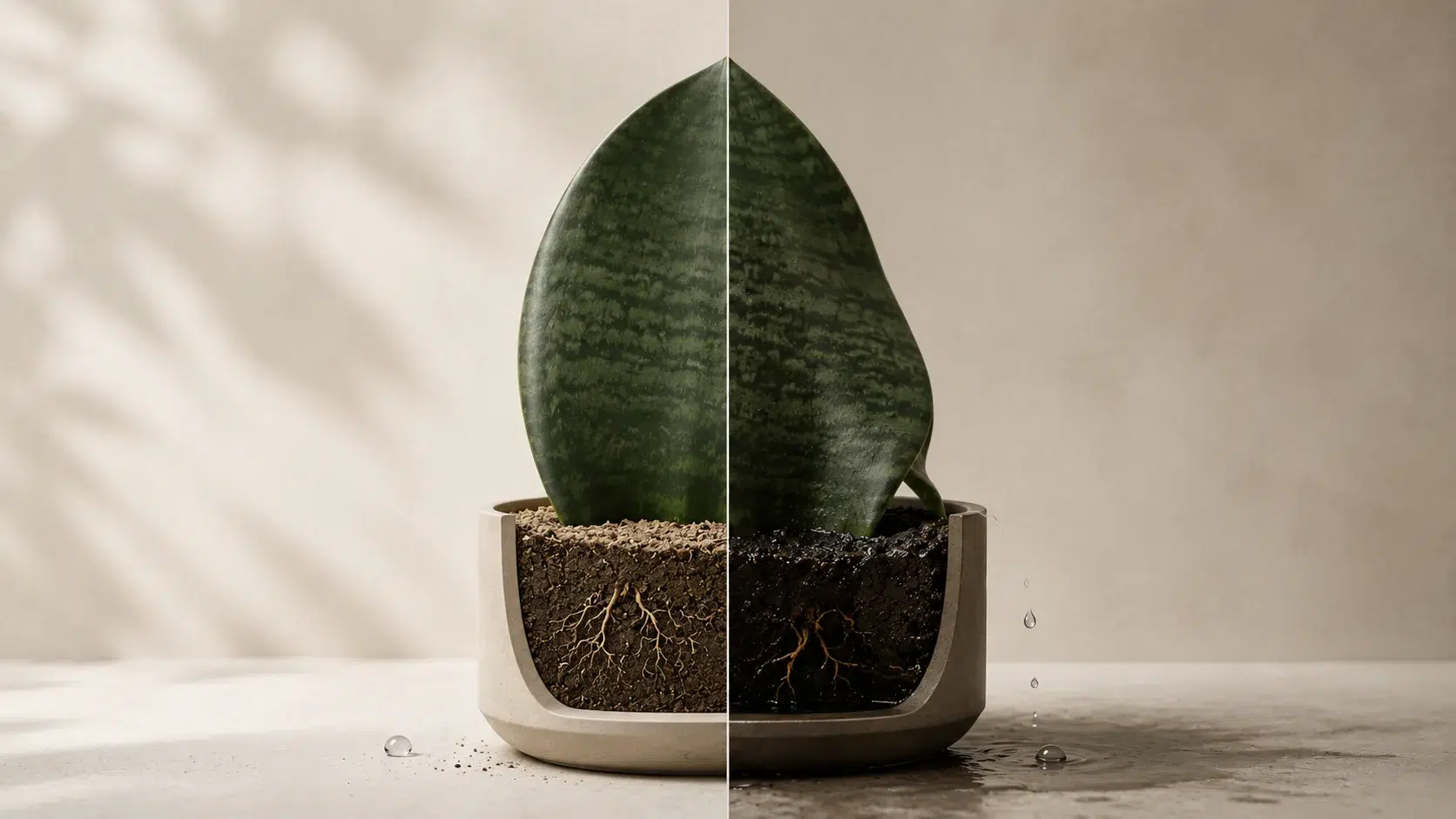
Water deeply but infrequently, allowing soil to dry completely before the next watering.
Seasonal Adjustments
Reduce watering during winter when growth naturally slows.
Common Mistake
Overwatering is the leading cause of yellowing leaves and root rot.
Soil and Potting Requirements
Best Soil Type
A well-draining cactus or succulent mix is essential.
Pot Selection
Terracotta pots are preferred because they help regulate moisture levels.
Drainage Importance
Poor drainage can quickly lead to root rot due to water retention.
Fertilization
Feeding Schedule
Feed once monthly during spring and summer using diluted liquid fertilizer.
Over-Fertilization Risks
Excess fertilizer can cause leaf tip burn and salt buildup in soil.
Temperature and Humidity
Ideal Range
The plant thrives in temperatures between 60–85°F (15–29°C).
Cold Sensitivity
It is sensitive to frost and cold drafts, which can damage the leaf structure.
Humidity Needs
Normal indoor humidity is sufficient for healthy growth.
Repotting
Repotting Frequency
Repot every 2–3 years due to slow growth habits.
Root Preference
The plant prefers being slightly root-bound.
Soil Refresh
Always use fresh, well-draining soil during repotting.
Whale Fin Snake Plant Propagation
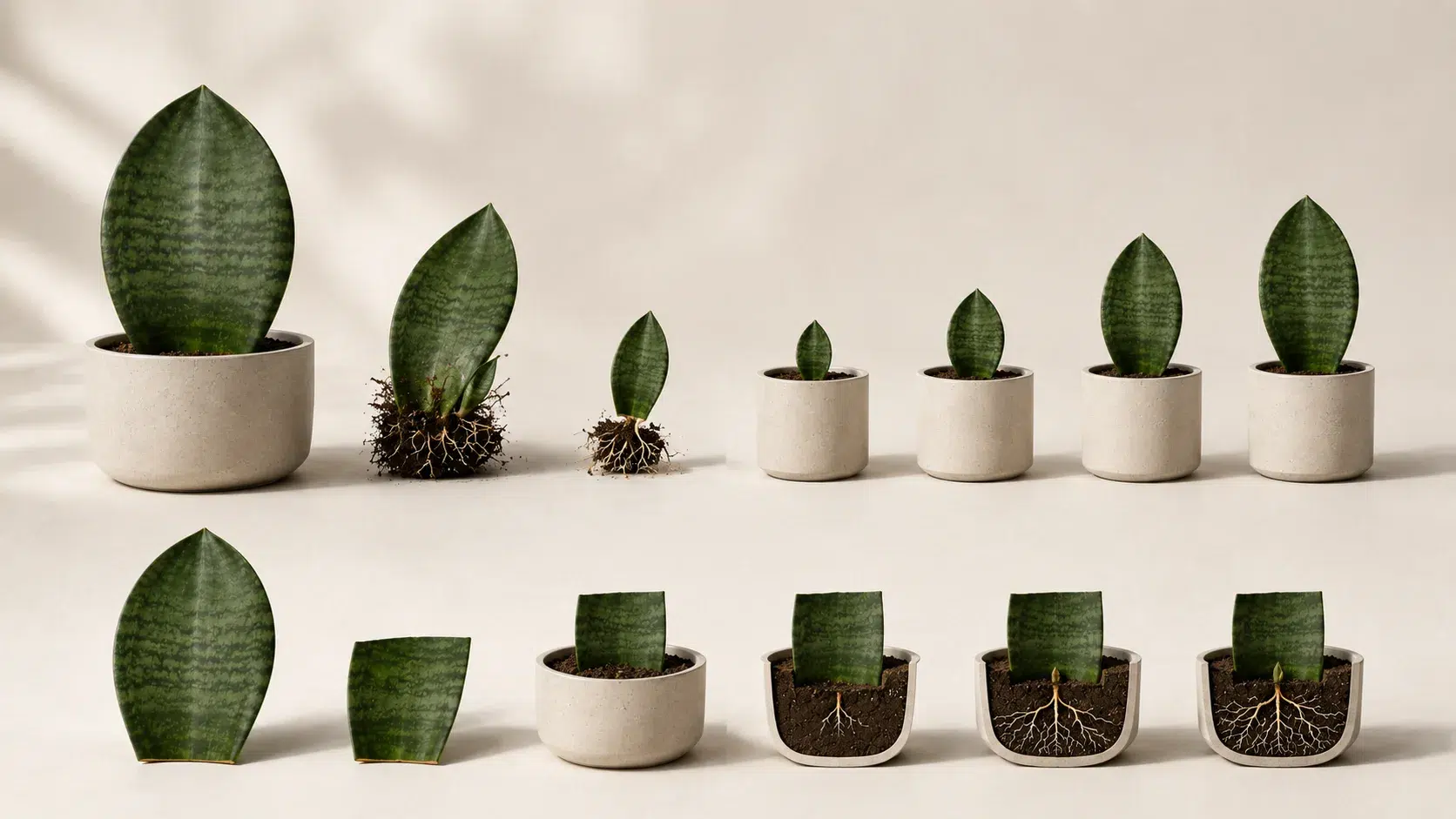
Leaf Cutting Method
Leaf sections can be cut, calloused, and planted in soil, but rooting takes several weeks to months and is slow.
Pup Division Method
The most reliable method is separating pups with established roots and replanting them carefully.
Variegation Note
Leaf cuttings do not preserve variegation in rare forms.
Whale Fin Snake Plant Pups
What Are Pups
Pups are small offsets that grow from the base of the mother plant.
When to Separate
They should only be separated when they reach 3–4 inches and have their own roots.
Value Importance
Pup rarity contributes significantly to the plant’s high market value.
Whale Fin Snake Plant vs Shark Fin Snake Plant
Are They the Same?
In most cases, whale fin and shark fin refer to the same species: Sansevieria masoniana.
Naming Differences
- “Whale fin” refers to larger, mature leaves
- “Shark fin” is often used for smaller or younger plants
Buying Confusion
Many sellers use both names interchangeably, so buyers should check leaf structure rather than name.
Shark Fin vs Whale Fin Snake Plant Comparison
| Feature | Whale Fin Snake Plant | Shark Fin Snake Plant |
| Botanical Name | Sansevieria masoniana | Sansevieria masoniana |
| Leaf Shape | Broad, rounded fin | Narrower, pointed fin |
| Size | Larger mature leaf | Smaller juvenile form |
| Availability | Rare | Common term usage |
| Price | Higher | Lower |
Whale Fin Snake Plant vs Other Snake Plant Varieties
Common Comparisons
The whale fin snake plant differs significantly from:
- Sansevieria trifasciata (standard snake plant)
- Laurentii varieties with yellow edges
- Moonshine varieties with silver foliage
Other popular snake plant varieties such as Sansevieria Laurentii Care Guide: Complete Indoor Tips also share similar drought tolerance and low-maintenance care requirements.
Key Differences
Whale fin plants grow a single leaf, while most other snake plants grow multiple upright leaves.
Popular Sansevieria Varieties Compared
| Variety | Leaf Type | Size | Rarity | Light Needs | Price |
| Whale Fin | Single broad leaf | Large | Rare | Low–Bright | High |
| Trifasciata | Upright leaves | Medium | Common | Low–Bright | Low |
| Laurentii | Yellow-edged leaves | Medium | Common | Medium | Low–Mid |
| Moonshine | Silver-green leaves | Medium | Moderate | Medium | Mid |
Is the Whale Fin Snake Plant Lucky? Feng Shui and Symbolism
Feng Shui Meaning
In feng shui, snake plants are considered protective plants that absorb negative energy and promote positive chi.
Symbolic Value
The whale fin’s single strong leaf symbolizes stability, resilience, and grounded energy.
Plant Benefits
- Air-purifying properties
- Low allergen impact
- Minimal maintenance needs
Toxicity Note
The plant is mildly toxic if ingested by pets or humans.
Common Whale Fin Snake Plant Problems and How to Fix Them
Yellowing Leaves
Caused by overwatering or root rot. Fix by reducing watering and improving drainage.
Brown Leaf Tips
Usually due to underwatering or fertilizer burn. Adjust watering and reduce fertilizer strength.
Slow Growth
Often normal but worsens in low light or cold environments.
Mushy Base
Indicates root rot; remove affected roots and repot in dry soil.
Pest Issues
Spider mites and mealybugs can be treated with insecticidal soap or neem oil.
Common Beginner Mistakes With the Whale Fin Snake Plant
Overwatering
The most common mistake due to misunderstanding its succulent nature.
Overwatering issues similar to those discussed in Peperomia Leaves Falling Off: Causes, Fixes, and Prevention also commonly affect whale fin snake plants.
Wrong Soil Choice
Using moisture-retaining soil increases rot risk.
Low Light Placement
Extremely low light slows growth significantly.
Early Pup Separation
Separating pups too early can kill young offsets.
Fast Growth Expectation
This plant grows extremely slowly and should not be rushed.
Soil-related pest issues can also be managed using strategies from Bugs in Indoor Plant Soil: Identification, Treatment & Prevention.
Seasonal Care Differences for the Whale Fin Snake Plant
Spring and Summer
Active growth period with slightly increased watering and fertilization.
Autumn
Gradually reduce watering as light decreases.
Winter
Minimal watering and no fertilization due to slowed growth.
Where to Buy a Whale Fin Snake Plant
Online Sellers
Specialty plant websites and collectors are the most reliable sources.
Local Availability
Rare in regular nurseries but may appear at plant fairs.
Buying Tips
Check for firm leaves, healthy roots, and no signs of rot or pests.
Whale Fin Snake Plant Benefits
Air Purification
Helps improve indoor air quality by filtering toxins.
Low Maintenance
Ideal for beginners due to drought tolerance.
Decorative Value
Acts as a sculptural statement plant in modern interiors. Like Monstera Adansonii Hanging or Climbing, the whale fin snake plant is widely used as a sculptural indoor statement plant.
Pet Safety Note
Toxic if ingested, so placement matters in homes with pets.
Conclusion
The whale fin snake plant is a rare and architectural indoor plant valued for its single dramatic leaf and extreme resilience. As a member of Sansevieria masoniana, it stands out among snake plants for its slow growth, high collector demand, and unique appearance. With proper care—minimal watering, indirect light, and well-draining soil—it can thrive for decades. Its high price reflects rarity, propagation difficulty, and long maturation cycle, making it a true investment plant for serious collectors. For more in-depth plant care insights and benefits across indoor and outdoor species, explore our complete guide on Plants Benefits and Guides.
Frequently Asked Questions
Is the whale fin snake plant rare?
Yes, it is rare due to slow growth and limited propagation.
Why are whale fin plants so expensive?
Because they grow very slowly, rarely produce pups, and are difficult to propagate.
How big does a whale fin snake plant get?
It can grow 2–4 feet tall indoors with leaves up to 14 inches wide.
How do you propagate it?
Through pup division or slow leaf cuttings.
Why are leaves turning yellow?
Usually due to overwatering or poor drainage.
Is it toxic to pets?
Yes, it is mildly toxic if ingested.
Are whale fin and shark fin the same?
Yes, both names usually refer to the same plant species.


