
Introduction
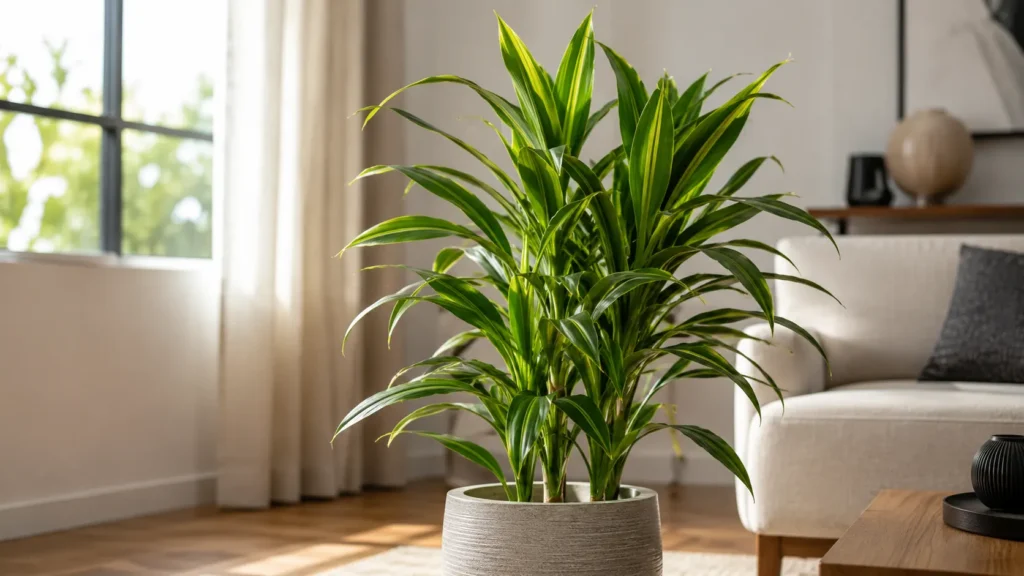
The dracaena deremensis plant is a popular indoor foliage plant known for its lush, striped leaves and low-maintenance nature. It belongs to the broader Dracaena group, which includes closely related species such as Dracaena fragrans, commonly known as the corn plant. In many gardening references, dracaena deremensis and dracaena fragrans are used interchangeably, though they represent closely linked classifications within the same plant group. This plant is widely grown in homes and offices due to its adaptability, air-purifying qualities, and tolerance for low light conditions. It is often searched as “dracena deremensis,” a common spelling variation.
This guide explains its identity, care needs, growth habits, varieties, toxicity concerns, and troubleshooting methods in a clear, structured way.
Quick Summary
- Dracaena deremensis is a popular indoor ornamental plant closely related to Dracaena fragrans (corn plant).
- It thrives in bright indirect light but tolerates low-light indoor environments.
- It is toxic to cats and dogs due to natural saponins.
- It is low-maintenance, slow-growing, and ideal for home and office décor.
What Is Dracaena Deremensis?
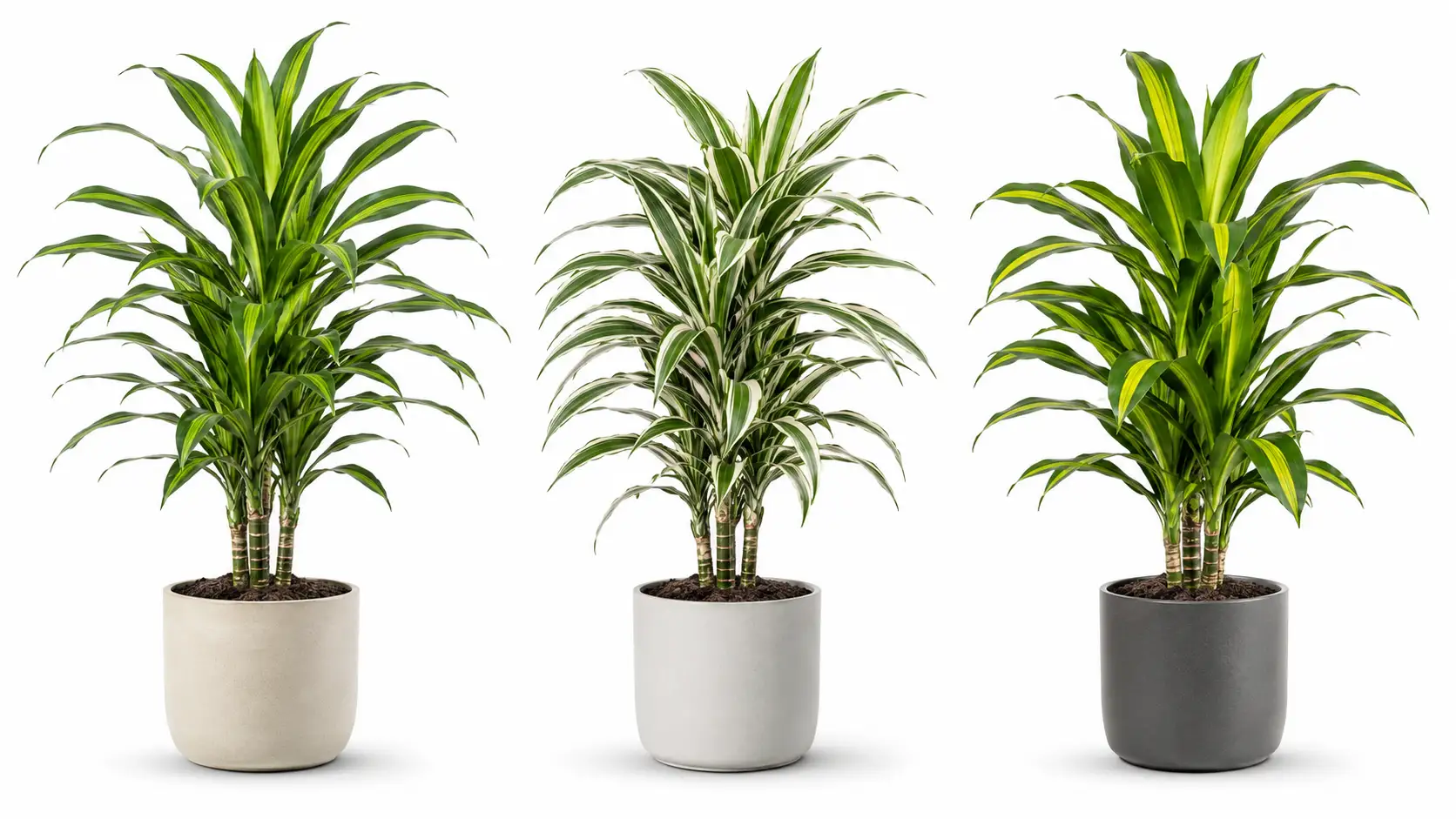
The dracaena deremensis plant is a tropical evergreen foliage plant known for its long, strap-like leaves and striped variegation. Botanically, it is closely associated with Dracaena deremensis, and is often grouped under or compared with Dracaena fragrans, especially in horticultural trade.
Dracaena species belong to the Asparagaceae family, which includes many tropical ornamental plants. More botanical classification details can be found on Wikipedia.
The term “deremensis” is used to describe a group of cultivars within the Dracaena family rather than a single strict species in modern classification. A common cultivated variety is Dracaena deremensis Warneckii, known for its striking green and white striped leaves.
Many users mistakenly search for “dracena deremensis,” but this is simply a spelling variation of the same plant.
Dracaena Deremensis vs Dracaena Fragrans — Are They the Same?
Dracaena deremensis and Dracaena fragrans are closely related and often confused because they share similar growth habits, appearance, and care needs. In many modern classifications, deremensis types are considered part of the broader fragrans complex.
However, they are not identical species. The corn plant (Dracaena fragrans) typically has broader leaves and thicker stems, while deremensis types often have narrower, more rigid foliage. Despite this, both are grouped together in indoor plant markets.
Importantly, the dracaena deremensis plant is not a spider plant, even though beginners sometimes confuse them due to striped leaf patterns. Spider plants belong to a completely different genus. Dracaena deremensis is closely related to other popular indoor plants such as Dracaena fragrans Care Guide: Complete Indoor Growing Tips, which shares similar care requirements and appearance.
Is Dracaena Deremensis an Indoor or Outdoor Plant?
The dracaena deremensis plant is primarily an indoor plant in most climates. It grows best indoors where temperature and humidity are stable. In tropical and subtropical regions, it can be grown outdoors as a landscape plant.
It thrives in USDA zones 10–12, where frost is not a threat. In cooler climates, it must remain indoors or in protected environments.
Its placement depends on light exposure, temperature stability, and protection from harsh environmental changes.
Where Is the Best Place to Put a Dracaena Plant?
The ideal placement for a dracaena deremensis plant indoors is a location with bright, indirect sunlight. Near east-facing or filtered south-facing windows works best.
Key placement tips:
- Avoid direct sunlight to prevent leaf scorch
- Keep away from AC vents and heaters
- Maintain stable indoor temperature
- Suitable for living rooms, offices, and hallways
Proper placement ensures healthier growth and prevents leaf discoloration.
Dracaena Deremensis Plant Size and Growth Rate
Plant Size
The dracaena deremensis plant typically grows between 2 to 6 feet indoors, depending on pot size and care conditions. Outdoors in ideal tropical climates, it can reach up to 10–15 feet.
Size factors include:
- Pot size and root space
- Light intensity
- Pruning frequency
- Soil quality and nutrients
Growth Rate
Dracaena deremensis is considered a slow to moderate grower. Growth is more active in spring and summer, while it slows significantly in winter.
Growth is influenced by:
- Light availability
- Indoor temperature
- Humidity levels
- Fertilization schedule
How to Care for Dracaena Deremensis (Complete Care Guide)
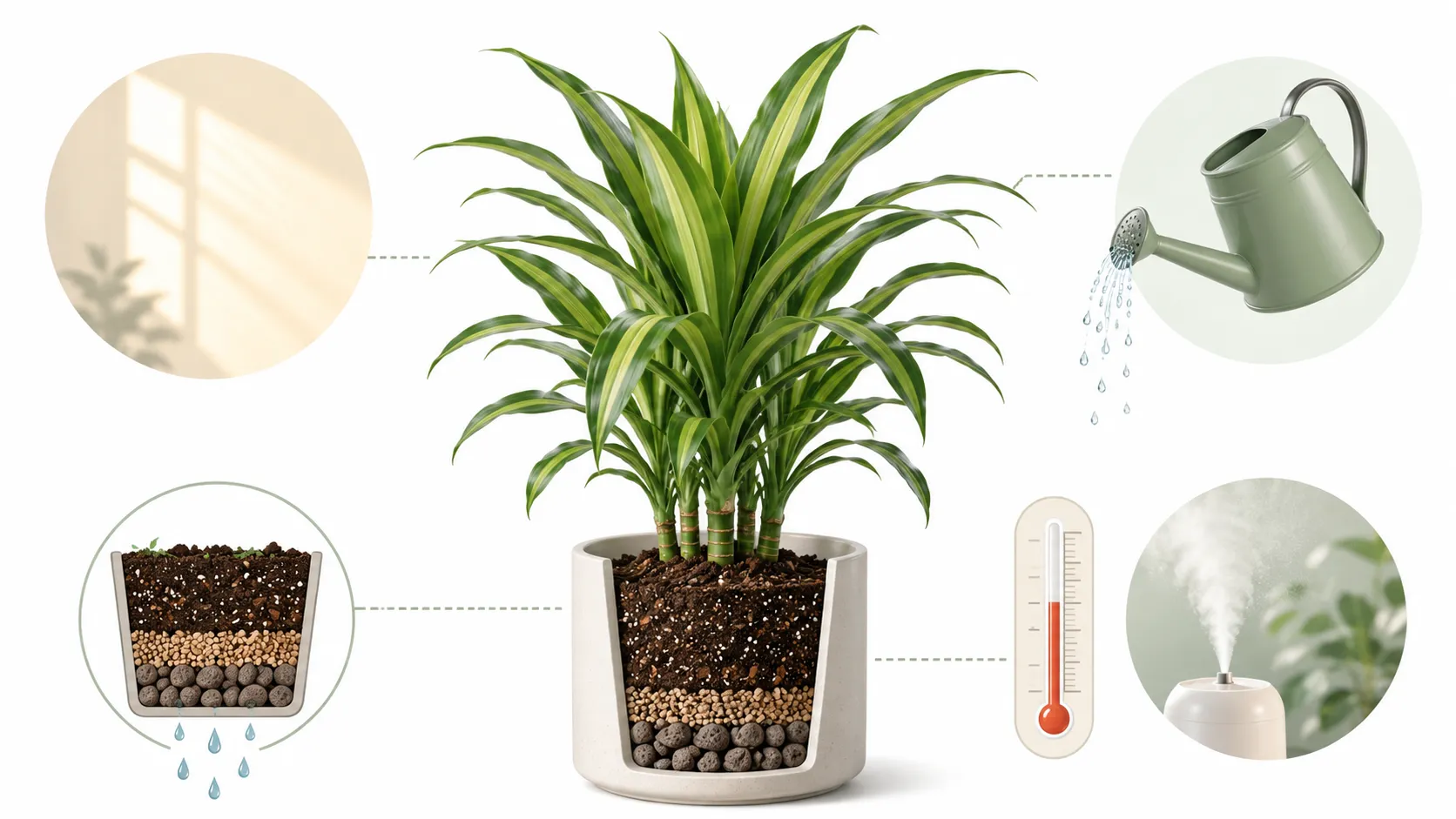
The dracaena deremensis plant is easy to maintain when its basic care requirements are met. It prefers stable environments and does not tolerate overwatering or harsh conditions.
Watering Needs
Watering should be moderate, allowing the topsoil to dry before rewatering.
- Overwatering leads to root rot
- Underwatering causes leaf curling and dryness
- Sensitive to fluoride in tap water (brown tips may appear)
Light Requirements
It prefers bright indirect light but tolerates low light conditions.
- Too much light causes leaf burn
- Too little light slows growth and fades color
Like many low-light indoor plants such as Sansevieria Laurentii Care Guide: Complete Indoor Tips, dracaena deremensis adapts well to indirect light conditions.
Soil and Fertilization
Use well-draining potting soil with organic matter.
- Fertilize once a month during growing season
- Avoid over-fertilization to prevent salt buildup
Pruning and Trimming
Pruning helps control height and encourages bushier growth.
- Cut cane stems above nodes
- Remove yellow or damaged leaves
- Best done in spring
Climate Tolerance
- Ideal temperature: 18°C to 27°C
- Sensitive to cold below 10°C
- Prefers moderate humidity levels
Quick Care Checklist:
- Bright indirect light
- Moderate watering
- Well-draining soil
- Warm temperatures
- Occasional fertilizing
Dracaena Deremensis Plant Propagation
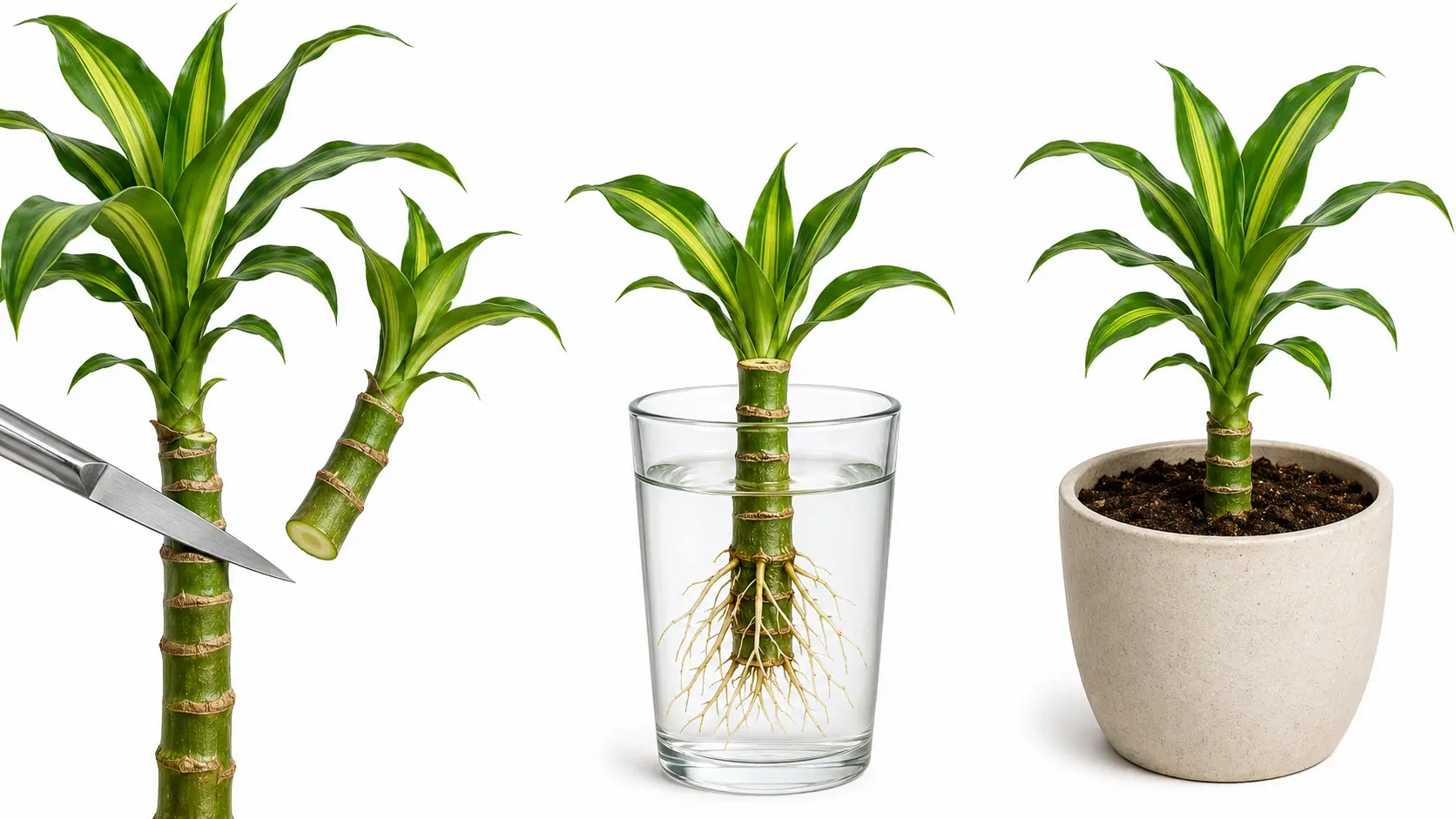
Propagation of dracaena deremensis is commonly done through stem cuttings.
Steps:
- Cut healthy cane stem sections
- Place in water or moist soil
- Keep in warm, indirect light
- Roots develop in 3–6 weeks
Water propagation is often faster, but soil propagation results in stronger long-term root systems. Similar stem-cutting propagation techniques are used in trailing indoor plants such as Monstera Adansonii Hanging or Climbing.
Is Dracaena Deremensis Toxic to Cats and Pets?
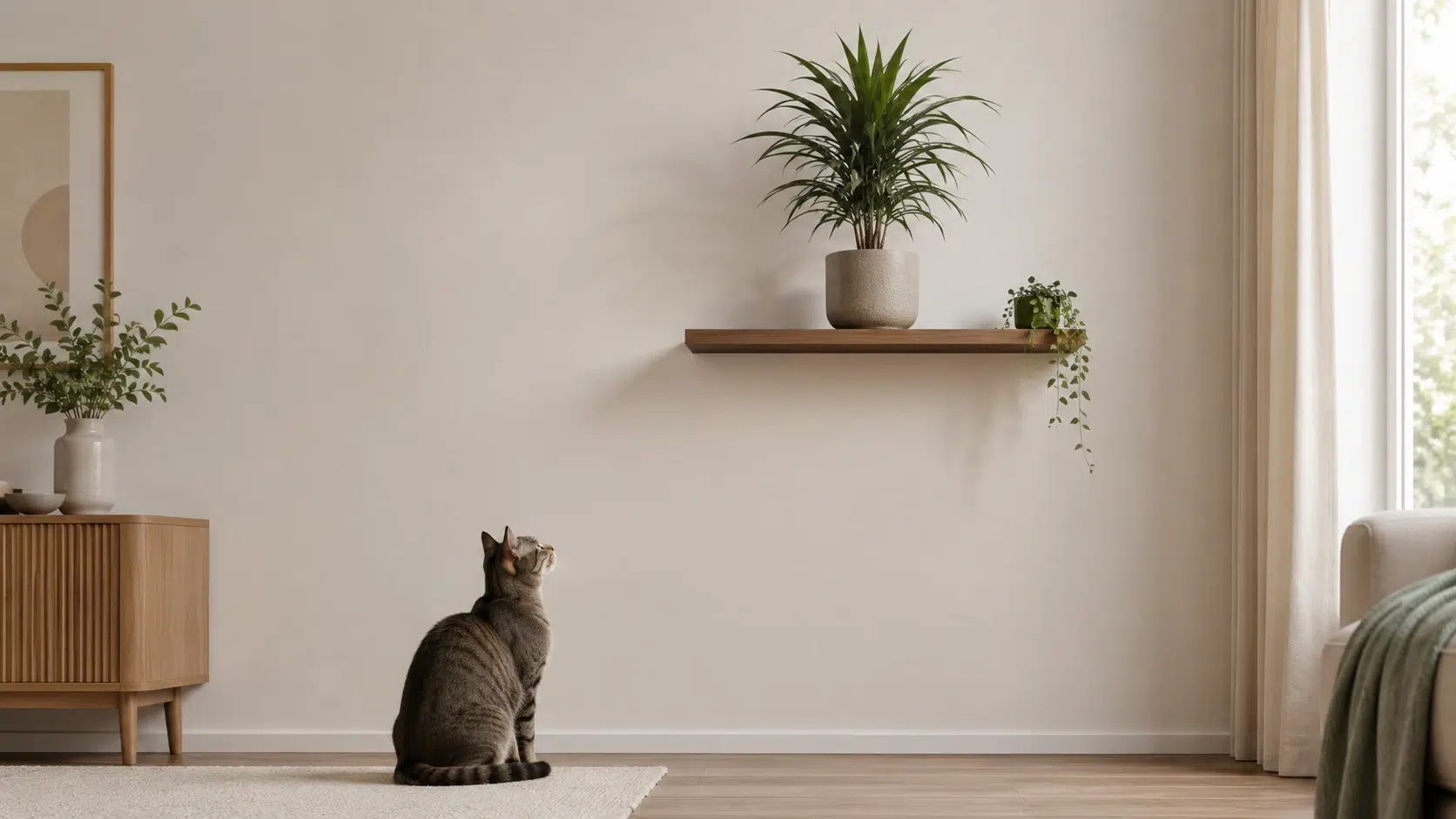
The dracaena deremensis plant is toxic to cats and dogs due to naturally occurring saponins.
If ingested, pets may show:
- Vomiting
- Drooling
- Loss of appetite
- Weakness
It should be kept out of reach of pets or placed in elevated indoor locations.
Benefits of Growing Dracaena Deremensis
The dracaena deremensis plant offers multiple benefits for indoor environments.
- Air-purifying properties that help improve indoor air quality
- Low-maintenance care requirements
- Strong decorative appeal for modern interiors
- Suitable for offices, homes, and commercial spaces
It is especially valued for its ability to survive in low-light conditions.
Common Varieties and Types of Dracaena Deremensis
Dracaena Deremensis Warneckii
Dracaena deremensis Warneckii is known for its bold green leaves with white or gray stripes. It is one of the most popular indoor varieties due to its strong visual contrast and durability.
Dracaena Fragrans Massangeana (Corn Plant)
Dracaena fragrans Massangeana features a distinctive yellow stripe running through the center of its leaves. It is commonly called the corn plant due to its resemblance to corn stalk foliage.
Dracaena Deremensis Varieties Compared
| Variety | Leaf Pattern | Light Needs | Growth Habit | Size |
| Warneckii | White/gray striped leaves | Medium to bright indirect light | Upright, compact | Medium |
| Massangeana | Yellow center stripe | Medium indirect light | Tall cane-like growth | Large |
| Standard Deremensis | Green striped variations | Low to medium light | Slow upright growth | Medium |
Does Dracaena Deremensis Flower?
Flowering in dracaena deremensis is rare indoors. In natural tropical environments, mature plants may produce small clusters of fragrant white or pale flowers.
Indoor flowering is uncommon and usually occurs only in older, well-established plants under ideal conditions. When it does occur, the flowers may produce a sweet fragrance.
Troubleshooting Common Dracaena Deremensis Problems
Leaves Turning Yellow or Brown
This usually happens due to overwatering, fluoride sensitivity, or low humidity.
Fix:
- Use filtered water
- Adjust watering schedule
- Increase humidity
Overwatering and Root Rot
Excess moisture causes root decay.
Fix:
- Remove affected roots
- Repot in dry, well-draining soil
- Reduce watering frequency
Root rot problems are also frequently observed in moisture-sensitive plants like Alocasia Amazonica Care Indoors.
Pests (Spider Mites, Mealybugs)
These pests feed on plant sap and weaken growth.
Fix:
- Wipe leaves with mild soap solution
- Use neem oil treatment
- Isolate infected plants
Common pests such as spider mites also affect plants like Chamaedorea Elegans Dry Leaves Causes & Fix when humidity is not properly maintained.
Slow or Stunted Growth
Often caused by low light or poor nutrition.
Fix:
- Move to brighter indirect light
- Apply balanced fertilizer
- Repot if root-bound
Quick Troubleshooting Checklist:
- Check watering habits
- Inspect light conditions
- Look for pests
- Evaluate soil drainage
Similar issues are also commonly seen in tropical houseplants such as Begonia Maculata Care Guide for Healthy Growth, especially when humidity levels are low.
Beginner Mistakes When Growing Dracaena Deremensis
Common mistakes include overwatering, placing the plant in direct sunlight, ignoring fluoride sensitivity, and frequent repotting.
Avoiding these issues ensures healthier growth:
- Water only when soil is dry
- Use filtered or distilled water
- Keep in indirect light
- Repot only when necessary
Seasonal Care Considerations for Dracaena Deremensis
Seasonal changes affect plant care significantly.
- Summer: Increase watering slightly and provide stable humidity
- Winter: Reduce watering and avoid cold drafts
- Spring/Summer: Active growth and fertilization period
- Autumn: Gradual reduction in feeding and watering
Adjusting care based on seasons improves long-term plant health. Overwatering and poor soil drainage are also common mistakes seen in plants like Peperomia Leaves Falling Off: Causes, Fixes, and Prevention.
Conclusion
The dracaena deremensis plant is a versatile and low-maintenance indoor foliage plant widely appreciated for its decorative appeal and adaptability. Closely related to Dracaena fragrans, it includes popular varieties like Warneckii and Massangeana. While easy to grow, it requires proper attention to watering, light, and pet safety due to its toxic nature. With correct care and environmental balance, it remains a long-lasting and visually striking addition to indoor spaces.
FAQ
How do you care for Dracaena deremensis?
Provide bright indirect light, moderate watering, well-draining soil, and stable indoor temperatures.
Is Dracaena deremensis indoor or outdoor?
It is mainly an indoor plant but can grow outdoors in tropical climates.
Where is the best place to put a Dracaena plant?
In bright indirect light areas such as living rooms or near filtered windows.
How big does a dracaena deremensis get?
Indoors it grows 2–6 feet, while outdoors it can reach up to 15 feet.
Is Dracaena deremensis toxic to cats?
Yes, it is toxic to cats and can cause vomiting and drooling if ingested.
How do you propagate Dracaena deremensis?
By stem cuttings placed in water or moist soil until roots develop.
How do you save a dying corn plant?
Identify the cause (overwatering, low light, pests), fix conditions, and prune damaged parts.



One Response