
Introduction
Sansevieria Fernwood Mikado care is straightforward because this compact snake plant is naturally adapted to dry conditions and indoor environments. Fernwood Mikado is a cultivar within the Sansevieria bacularis group, although many botanical references now classify snake plants under the genus Dracaena. It is prized for its narrow, cylindrical leaves that grow upright in a modern architectural form. Gardeners often confuse Fernwood Mikado with standard Fernwood or Fernwood Punk due to their similar appearance, but each cultivar has distinct growth habits. Understanding these differences and providing the right light, watering, and soil conditions helps this attractive succulent remain healthy and long-lived indoors. Sansevieria Fernwood Mikado care is part of broader indoor plant maintenance practices covered in our complete guide to Plants Benefits and Guides (Complete Care, Types & Growing Tips).
This plant is commonly grouped under Dracaena trifasciata, a species widely known for its resilience and air-purifying qualities.
Quick Summary
- Fernwood Mikado is a low-maintenance succulent that thrives in bright indirect light and requires infrequent watering.
- It belongs to the Sansevieria bacularis group and differs from standard Fernwood and Fernwood Punk in leaf shape and overall growth habit.
- Yellow leaves are commonly caused by overwatering or poorly draining soil.
- Division is the most reliable propagation method, while leaf cuttings may not always preserve the cultivar’s characteristics.
- Well-draining soil, moderate warmth, and occasional feeding encourage steady, healthy growth.
What Is Sansevieria Fernwood Mikado?
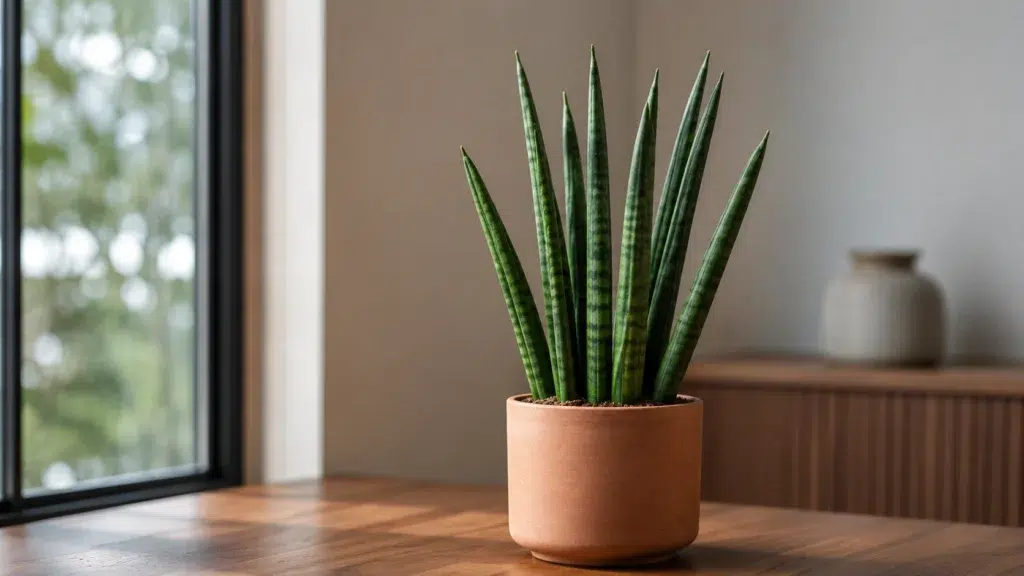
Sansevieria Fernwood Mikado is a compact snake plant cultivar known for its slender, cylindrical leaves that grow upright in dense clumps. It belongs to the Sansevieria bacularis group, a collection of species recognized for their rounded foliage rather than the broad, sword-shaped leaves found on many traditional snake plants.
Like other snake plants in the family Asparagaceae, Fernwood Mikado stores water within its thick leaves, making it highly drought tolerant. Its clean, vertical appearance makes it popular in homes, offices, and modern interior spaces where a compact yet striking houseplant is desired.
Unlike many larger snake plant varieties, Fernwood Mikado develops numerous narrow leaves that emerge from underground rhizomes. Mature foliage typically displays dark green coloring with lighter horizontal banding, adding texture without overwhelming surrounding décor.
Although botanical classification has shifted many Sansevieria species into the genus Dracaena, the traditional Sansevieria name remains widely used among growers, nurseries, and houseplant enthusiasts.
Key characteristics include:
- Cylindrical, upright succulent leaves
- Compact clumping growth habit
- Excellent drought tolerance
- Adaptability to various indoor lighting conditions
- Slow to moderate growth
- Minimal maintenance requirements
Because of its resilience, Fernwood Mikado is frequently recommended for beginners, busy homeowners, and anyone looking for an attractive indoor plant that requires relatively little attention.
Fernwood Mikado vs. Standard Fernwood vs. Fernwood Punk
Fernwood Mikado, standard Fernwood, and Fernwood Punk are closely related cultivars, but they differ in leaf form, size, and overall appearance. Recognizing these differences helps gardeners choose the variety that best fits their available space and aesthetic preferences.
Standard Fernwood produces longer cylindrical leaves that arch slightly as they mature, giving the plant a graceful appearance. Fernwood Mikado remains more compact, with shorter, upright leaves that create a tidy architectural shape. Fernwood Punk stands out because its leaves twist and curl, creating a more unusual ornamental display.
| Feature | Fernwood | Fernwood Mikado | Fernwood Punk |
| Leaf shape | Cylindrical, slightly curved | Shorter, compact cylindrical | Twisted and contorted |
| Mature height | 2–3 ft | 1–2 ft | 1–1.5 ft |
| Growth speed | Moderate | Moderate to slow | Slow |
| Growth habit | Upright with slight arch | Dense and compact | Compact with twisting foliage |
| Best use | Floor plant | Tabletops, desks, shelves | Decorative accent displays |
Although their appearances differ, all three cultivars share similar care requirements:
- Bright indirect light produces the healthiest growth.
- Water only after the soil has dried completely.
- Use a fast-draining succulent potting mix.
- Protect roots from standing water.
- Maintain warm indoor temperatures throughout the year.
Gardeners seeking a smaller, space-saving snake plant often prefer Fernwood Mikado because it combines the durability of traditional snake plants with a more refined, compact growth habit.
Plant Size
Sansevieria Fernwood Mikado remains relatively compact throughout its life, making it an excellent choice for apartments, offices, and smaller indoor spaces. Mature plants typically reach 1 to 2 feet (30–60 cm) in height with a spread of 8 to 12 inches (20–30 cm) indoors. Its upright growth habit allows it to occupy minimal floor or shelf space while still creating a strong visual impact.
When grown outdoors in warm tropical or subtropical climates, plants may become slightly larger if temperatures remain consistently favorable. However, container-grown specimens generally stay within their typical mature size.
Several environmental factors influence the plant’s ultimate dimensions:
- Pot size: Slightly root-bound plants maintain a compact form, while larger containers encourage gradual expansion.
- Light exposure: Bright indirect light supports fuller, stronger growth compared to dim locations.
- Nutrient availability: Moderate fertilization during the growing season promotes healthy foliage without excessive stretching.
- Root health: Healthy rhizomes produce new shoots that gradually increase the plant’s width.
Compared with many traditional snake plants, Fernwood Mikado grows in tighter clusters, making it easier to place on desks, side tables, bookshelves, or windowsills without overwhelming the surrounding space.
One common beginner mistake is choosing an oversized pot. Excess soil retains moisture longer, increasing the risk of root rot. Selecting a container only slightly larger than the existing root system usually provides the best balance between healthy growth and proper moisture control.
Growth Rate
Sansevieria Fernwood Mikado has a slow to moderate growth rate, with most new growth occurring during spring and summer. Under ideal indoor conditions, the plant gradually produces fresh leaves from underground rhizomes rather than growing rapidly in height.
Healthy plants often develop several new shoots each growing season, but visible changes may occur slowly. This gradual growth is normal and reflects the species’ natural adaptation to dry environments where conserving water and energy is essential.
Growth is influenced by several important factors:
- Light: Bright indirect light encourages faster leaf production than deep shade.
- Temperature: Ideal temperatures between 65–85°F (18–29°C) support active growth.
- Watering: Proper soak-and-dry watering keeps roots healthy without causing rot.
- Nutrition: Occasional feeding during spring and summer provides nutrients for steady development.
- Root space: Slightly crowded roots promote balanced growth, while severely restricted roots may slow new shoot production.
Seasonal growth patterns are also important:
| Season | Growth Activity |
| Spring | Active growth begins with new leaf production |
| Summer | Fastest growth period under ideal care |
| Autumn | Growth gradually slows |
| Winter | Semi-dormant period with very little new growth |
During winter dormancy, reduced growth is completely normal and should not be mistaken for a health problem. Many new growers continue watering as frequently as they do in summer, which often leads to root damage rather than encouraging growth.
Patience is essential when growing Fernwood Mikado. Although it is not a fast-growing houseplant, its sturdy leaves remain attractive year-round, and healthy specimens can continue producing new offsets for many years with consistent care.
Sansevieria Fernwood Mikado Care Guide
Sansevieria Fernwood Mikado care involves a simple set of environmental and maintenance practices focused on preventing overwatering and ensuring adequate indirect light. This plant thrives when its natural succulent behavior—water storage and drought tolerance—is respected. The most important principle is minimal interference: stable light, well-draining soil, and infrequent watering.
Key care priorities include:
- Avoiding excess moisture in the soil
- Providing consistent indirect light
- Using a breathable, fast-draining potting mix
- Maintaining warm indoor temperatures
- Allowing natural seasonal dormancy in winter
Below are the core care requirements explained in detail.
Watering Requirements
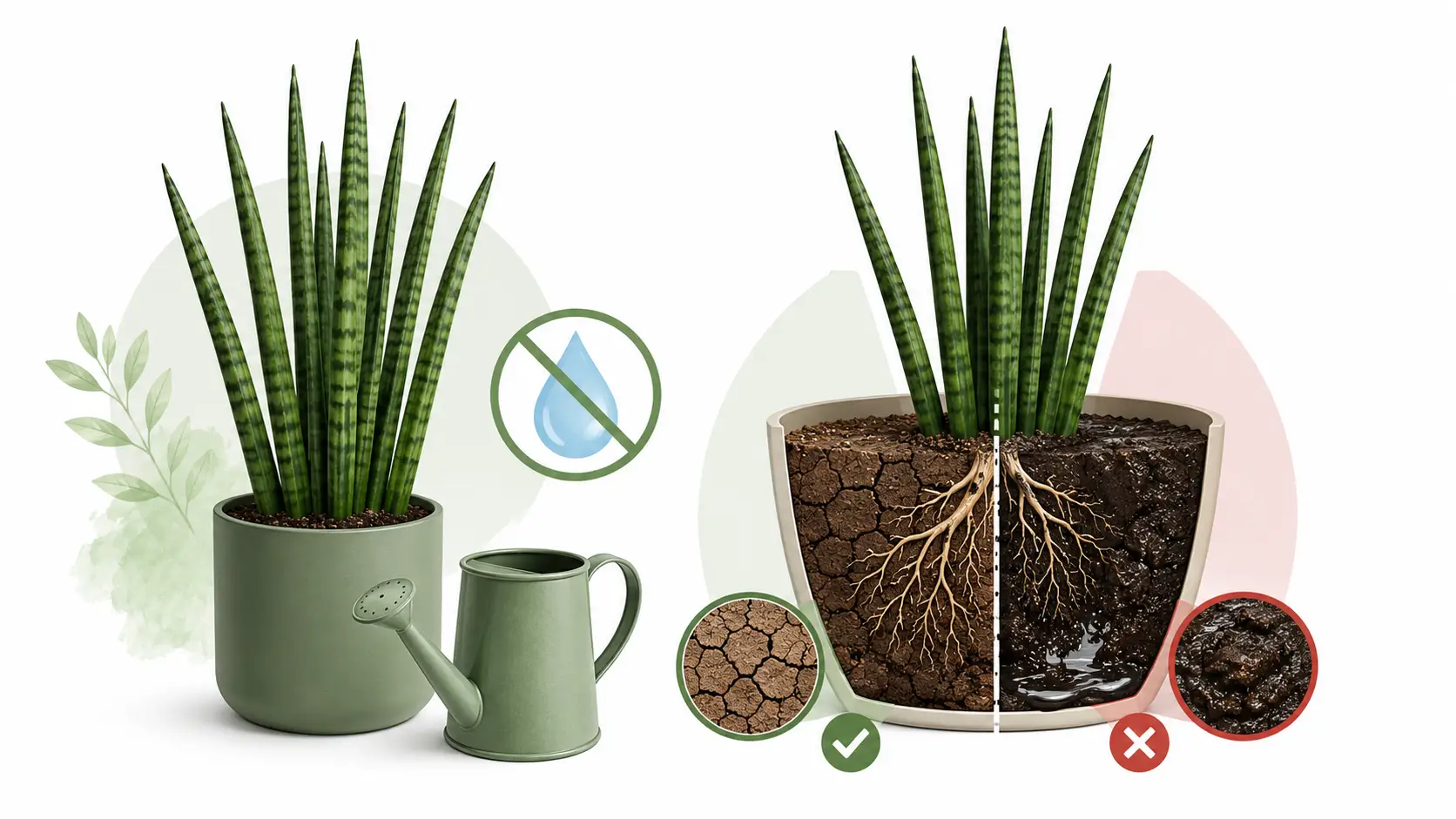
Watering Sansevieria Fernwood Mikado correctly is the most important factor in maintaining plant health, as this succulent is highly sensitive to overwatering. The plant should only be watered when the soil is completely dry from top to bottom.
Like other snake plant varieties such as Sansevieria Laurentii Care Guide: Complete Indoor Tips, Fernwood Mikado follows a strict low-water routine due to its drought-tolerant succulent structure.
Best watering practices:
- Use the soak-and-dry method
- Water deeply until excess drains out
- Allow soil to fully dry before the next watering cycle
Seasonal adjustments:
- Spring/Summer: Water more frequently due to active growth
- Autumn/Winter: Reduce watering significantly due to dormancy
Important precautions:
- Never let water collect in the pot saucer
- Avoid water sitting in leaf clusters or rosettes
- Use room-temperature water to prevent root stress
Overwatering is the leading cause of yellow leaves and root rot in Fernwood Mikado.
Light Requirements
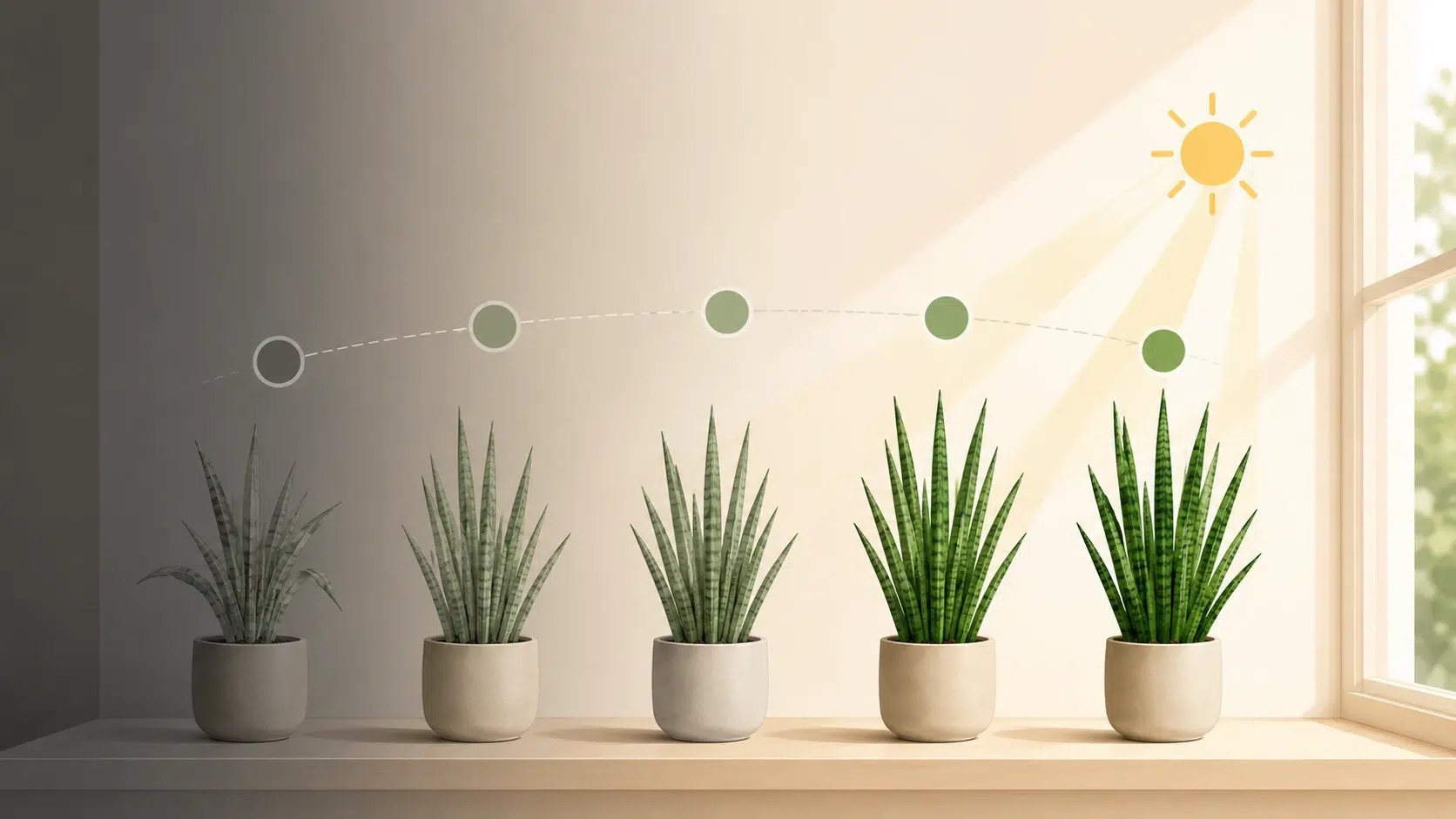
Sansevieria Fernwood Mikado adapts well to a wide range of indoor lighting conditions, but it grows best in bright indirect light. While it can tolerate low light, insufficient light slows growth and weakens leaf structure over time.
Understanding proper lighting is essential, as explained in Bright Indirect Light vs Direct Sunlight for Plants, especially for species like Sansevieria Fernwood Mikado that prefer filtered light exposure.
Ideal lighting conditions:
- Bright, filtered sunlight near windows
- Indirect morning sunlight
- Artificial grow lights (optional for low-light rooms)
Light tolerance:
- Low light: Survives but grows slowly
- Bright indirect light: Optimal growth and coloration
- Direct harsh sun: May cause leaf scorching or fading
Signs of improper light exposure:
- Pale or stretched leaves → too little light
- Brown tips or dry patches → too much direct sunlight
Maintaining balanced lighting ensures compact growth and strong cylindrical leaves.
Soil and Drainage
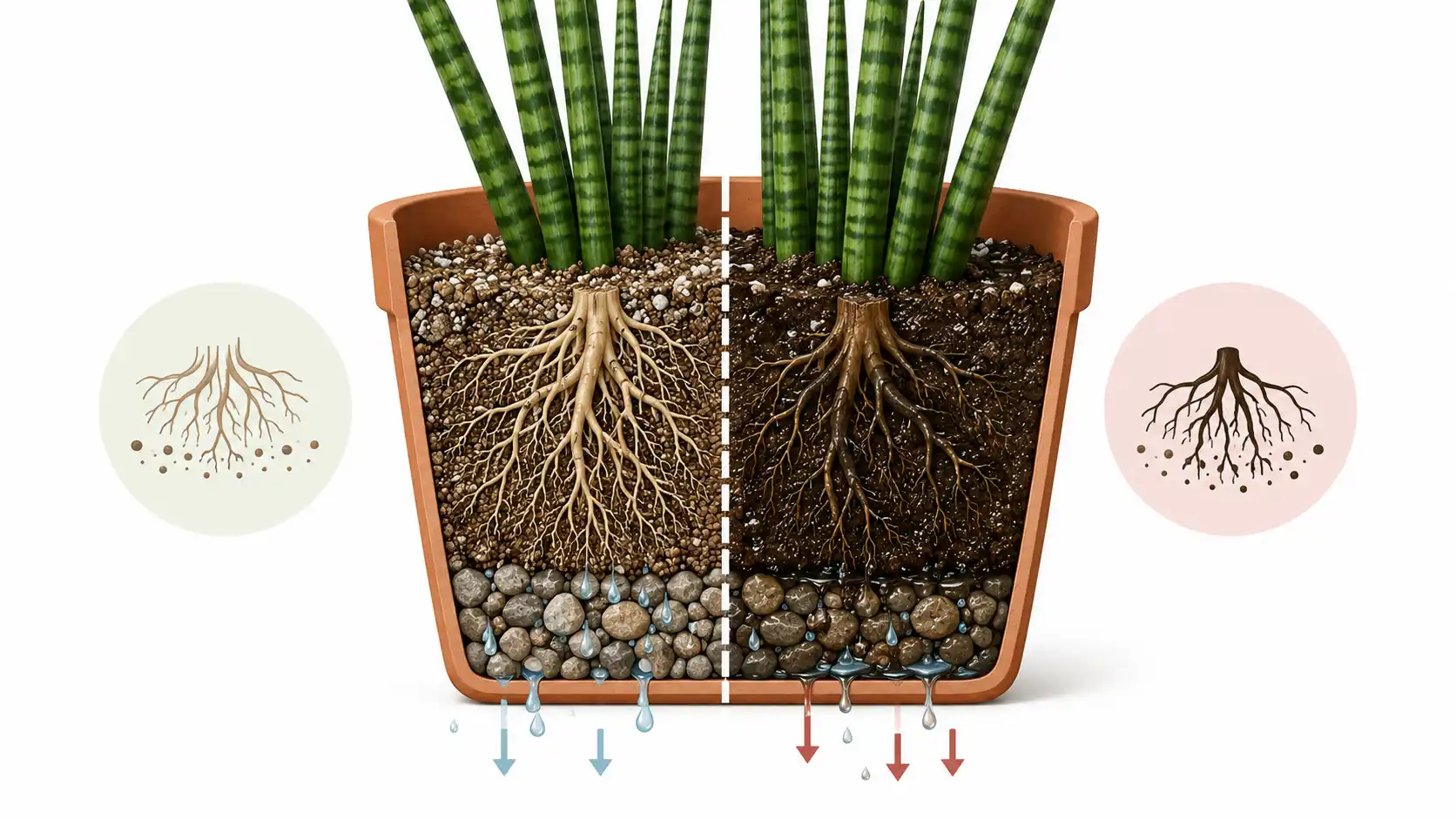
Proper soil composition is essential for preventing root rot, which is one of the most common problems in Sansevieria Fernwood Mikado care. The plant requires a fast-draining medium similar to cactus or succulent soil.
Recommended soil mix:
- 2 parts cactus/succulent mix
- 1 part perlite or pumice
- Optional: coarse sand for extra drainage
Key soil requirements:
- Excellent drainage capacity
- Low moisture retention
- Aerated structure for healthy root oxygen flow
Pot material also plays a role:
- Terracotta pots: Best choice due to breathability
- Plastic pots: Retain more moisture; require careful watering control
- Ceramic pots: Suitable if drainage is sufficient
Good drainage prevents fungal infections and keeps the rhizome system healthy.
Fertilization
Sansevieria Fernwood Mikado has low nutritional requirements and should only be lightly fertilized during its active growing season. Over-fertilization can damage roots and lead to weak, unnatural growth.
Fertilization guidelines:
- Use diluted succulent or cactus fertilizer
- Feed once every 4–6 weeks in spring and summer
- Stop fertilizing in autumn and winter
Best practices:
- Always dilute fertilizer to half strength
- Apply only to moist soil, never dry roots
- Avoid high-nitrogen fertilizers that cause soft growth
Minimal feeding is sufficient because this plant naturally thrives in nutrient-poor conditions.
Pruning
Pruning Sansevieria Fernwood Mikado is mainly done for maintenance and aesthetic purposes rather than growth control. The plant does not require frequent pruning, but occasional removal of damaged or dead leaves helps maintain its appearance and health.
When to prune:
- Yellowing or damaged leaves
- Overcrowded clumps
- Diseased or rotting sections
How to prune:
- Use clean, sterilized scissors or pruning shears
- Cut leaves at the soil line if fully damaged
- Remove only affected sections if partial damage is present
Pruning benefits:
- Encourages healthier new growth
- Improves plant appearance
- Reduces pest attraction in decaying tissue
Avoid excessive pruning, as the plant grows slowly and needs its foliage for energy storage.
Caring for Sansevieria Fernwood Mikado Indoors
Indoors, Sansevieria Fernwood Mikado performs exceptionally well due to its adaptability and low maintenance requirements. It is commonly used in homes and offices for its structural appearance and tolerance of indoor conditions.
Watering discipline for indoor plants varies by species, as also explained in How Often to Water a Cheese Plant: Complete Guide, but snake plants require even less frequent watering.
Indoor care considerations:
- Placement: Near windows with filtered light or well-lit rooms
- Humidity: Tolerates low humidity; no misting required
- Temperature range: Best between 65–85°F (18–29°C)
- Air quality tolerance: Handles dry indoor air effectively
Additional benefits:
- Acts as a natural air-purifying plant (commonly associated with toxin absorption)
- Requires minimal watering schedules for busy environments
- Suitable for bedrooms, living rooms, and office desks
Indoor mistakes to avoid:
- Placing in dark corners for long periods
- Overwatering due to indoor humidity assumptions
- Using non-draining decorative pots without inner liners
When placed correctly, Fernwood Mikado remains stable, upright, and visually striking with minimal care intervention.
Sansevieria Fernwood Mikado Propagation
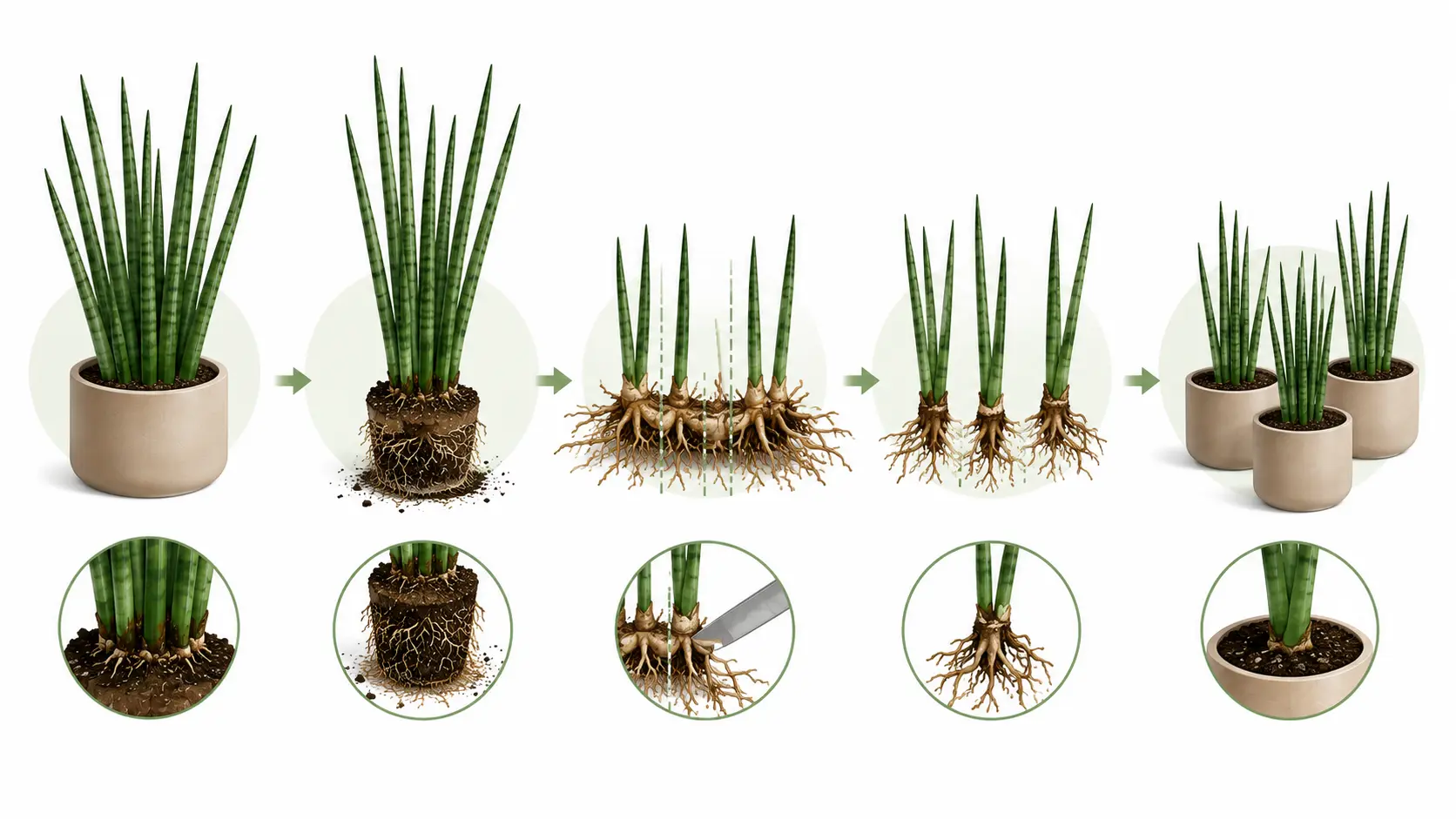
Sansevieria Fernwood Mikado propagation is most successfully done through division, as this method preserves the plant’s natural structure and ensures strong offspring. Unlike some houseplants, leaf cuttings are less reliable for this cultivar because they may not replicate the exact growth characteristics.
Propagation success and growth stability are also influenced by container size, similar to insights discussed in Does Pot Size Affect How Fast a Plant Grows? Complete Guide.
Best propagation method:
- Division of rhizomes and offsets
Step-by-step process:
- Remove the plant gently from its pot
- Identify natural root or rhizome clusters
- Separate sections using a clean, sharp knife
- Ensure each division has roots and at least one growth point
- Allow cut surfaces to dry and callous for 24–48 hours
- Repot into fresh, well-draining soil
Rooting timeline:
- Initial settling: 1–2 weeks
- Active root development: 3–6 weeks
- Visible new growth: 4–8 weeks depending on conditions
Propagation tips:
- Avoid watering immediately after repotting
- Keep newly divided plants in bright indirect light
- Use slightly dry soil initially to prevent rot
Division ensures healthier, faster-establishing plants compared to leaf propagation attempts.
Does Sansevieria Fernwood Mikado Flower?
Sansevieria Fernwood Mikado can flower, but blooming is rare indoors and typically occurs only under specific stress or maturity conditions. When it does flower, it produces small, tubular blooms on a tall stalk.
Flower characteristics:
- Creamy white or pale green color
- Clustered along a vertical flower spike
- Light fragrance in some cases, often stronger at night
Flowering triggers:
- Plant maturity over several years
- Slight root-bound conditions
- Seasonal stress or environmental stability
What flowering indicates:
- Plant is healthy and mature
- Natural reproductive response to environmental conditions
- Not a sign of decline unless accompanied by yellowing or rot
Indoor flowering is uncommon but possible in well-established plants that receive stable care over time.
Common Sansevieria Fernwood Mikado Problems (Problem-Solution Coverage)
Sansevieria Fernwood Mikado problems are usually caused by improper watering, insufficient light, or poor drainage. This plant is naturally hardy, so most issues develop from environmental imbalance rather than disease. Early identification and correction can restore plant health quickly.
Yellow Leaves
Yellow leaves in Sansevieria Fernwood Mikado are most commonly caused by overwatering, root rot, or poorly draining soil conditions. This discoloration signals that the plant’s root system is under stress and unable to regulate moisture properly.
Overwatering issues seen in Fernwood Mikado are similar to root stress problems found in other indoor plants such as Pachira Aquatica Problems Explained: Causes & Fixes.
Main causes:
- Excessive watering frequency
- Waterlogged soil
- Lack of drainage holes in the pot
- Early-stage root rot
How to fix:
- Remove plant from wet soil immediately
- Trim any black or mushy roots
- Repot in fresh, well-draining succulent mix
- Reduce watering frequency significantly
Prevention tips:
- Always let soil dry completely before watering
- Use terracotta pots for better moisture control
- Avoid watering on a fixed schedule
Yellow leaves cannot turn green again, so removal of severely affected leaves is often necessary to redirect energy to healthy growth.
Slow or Stunted Growth
Slow or stunted growth in Fernwood Mikado is typically a natural response to environmental conditions rather than a serious health issue. This plant already grows slowly, but growth may become even more limited under stress.
Main causes:
- Insufficient light exposure
- Low temperatures below optimal range
- Natural winter dormancy
- Nutrient deficiency
How to improve growth:
- Move plant to brighter indirect light
- Maintain temperatures between 65–85°F (18–29°C)
- Feed lightly during active growing season
- Ensure proper root space without extreme crowding
Important note:
Even under ideal conditions, this plant will not grow rapidly. Slow growth is part of its natural biology.
Pests
Pests are uncommon in Sansevieria Fernwood Mikado but may appear in stressed or overwatered plants. The most common pests are mealybugs and spider mites.
Common pests:
- Mealybugs: White, cotton-like clusters on leaves or soil line
- Spider mites: Fine webbing and speckled leaf damage
Treatment methods:
- Wipe leaves with diluted isopropyl alcohol (70%)
- Spray insecticidal soap on affected areas
- Isolate infected plants immediately
- Repeat treatment every 7–10 days until resolved
Prevention:
- Avoid overwatering
- Maintain good air circulation
- Regularly inspect leaf bases and soil surface
Healthy plants grown in proper conditions are highly resistant to pest infestations.
Beginner Mistakes to Avoid
Many problems with Sansevieria Fernwood Mikado arise from beginner mistakes rather than plant weaknesses. Understanding these errors helps maintain long-term plant health.
Common mistakes include:
- Overwatering: The most frequent cause of plant decline and root rot
- Using oversized pots: Excess soil retains moisture and increases rot risk
- Placing in very low light: Leads to weak, thin, and slow growth
- Ignoring winter dormancy: Continued summer watering schedules harm roots
- Poor drainage soil mix: Heavy soils suffocate roots and trap moisture
Best practices to avoid issues:
- Water only when soil is completely dry
- Choose small to medium-sized pots with drainage holes
- Provide consistent indirect light
- Adjust care seasonally rather than using fixed routines
Avoiding these mistakes ensures the plant remains stable, upright, and healthy for years.
Conclusion
Sansevieria Fernwood Mikado care is simple when its natural succulent traits are understood and respected. This plant thrives with bright indirect light, infrequent watering, and well-draining soil. Its compact cylindrical leaves make it an ideal low-maintenance houseplant for both beginners and experienced growers. By avoiding overwatering, supporting seasonal dormancy, and using proper propagation methods like division, long-term health is easily maintained. Overall, Sansevieria Fernwood Mikado is a resilient and visually appealing plant that rewards minimal but consistent care.
FAQs
Is Sansevieria Fernwood Mikado easy to care for?
Yes, it is very easy to care for because it tolerates neglect, requires little watering, and adapts well to indoor environments.
Why are my Fernwood Mikado leaves turning yellow?
Yellow leaves are usually caused by overwatering, poor drainage, or early root rot affecting the plant’s ability to absorb nutrients.
How often should I water a Fernwood Mikado snake plant?
Water only when the soil is completely dry, typically every 2–4 weeks depending on light, temperature, and season.
What's the difference between Fernwood and Fernwood Mikado sansevieria?
Fernwood is taller with slightly curved leaves, while Fernwood Mikado is more compact with shorter upright cylindrical leaves.
Can I propagate Fernwood Mikado from a leaf cutting?
Leaf cuttings are not reliable for this cultivar; division is the preferred method to maintain plant quality and structure.
Does Fernwood Mikado need direct sunlight?
No, it prefers bright indirect light and can suffer leaf damage if exposed to harsh direct sunlight for long periods.