
Introduction
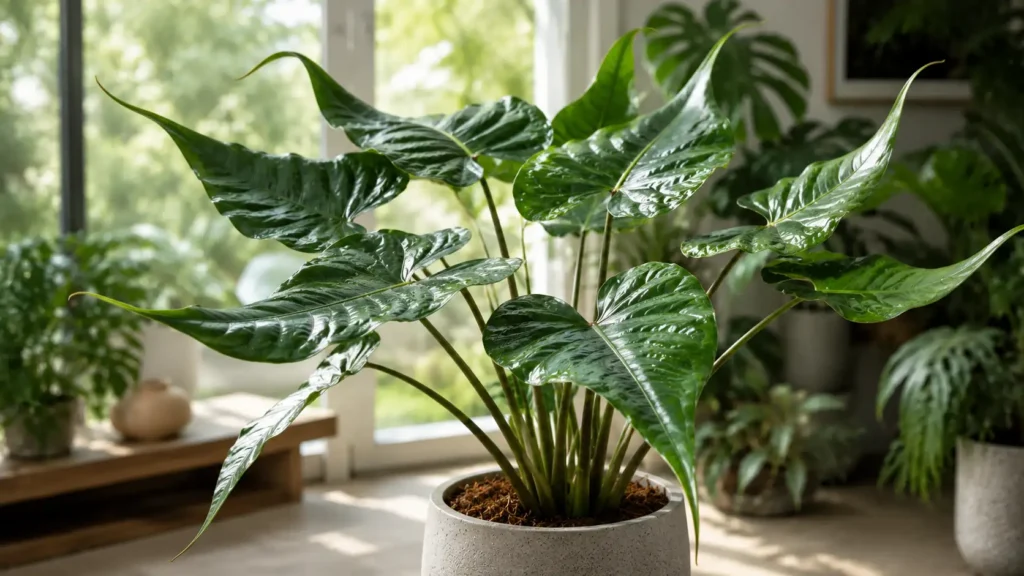
Alocasia stingray care centers around recreating the warm, humid conditions of its native tropical habitat. Known for its unusual foliage that resembles a stingray gliding through water, this distinctive plant has become a favorite among houseplant enthusiasts. The plant originates from the tropical forests of Southeast Asia, where it grows beneath larger vegetation in filtered light and consistently moist conditions. While many growers consider it more demanding than common houseplants, understanding its environmental needs makes successful cultivation much easier.
For readers interested in broader indoor plant care principles, our Plants: Benefits and Guides resource explains the foundations of healthy plant growth and long-term maintenance.
With proper light, watering, humidity, and soil conditions, the alocasia stingray can thrive indoors and become a striking focal point in any plant collection.
Quick Summary
- Alocasia stingray is a tropical houseplant recognized by leaves that resemble a stingray, complete with an upward-curving tail-like tip.
- It grows best in bright indirect light, high humidity, and a well-draining aroid soil mix.
- Overwatering, low humidity, and excessive direct sunlight are the most common causes of plant decline.
- Mature indoor plants typically reach 3 to 5 feet tall, while outdoor specimens in tropical climates can grow larger.
- With consistent care, this perennial tropical plant can live for many years and produce impressive foliage growth.
What Is the Alocasia Stingray? Origins and Unique Characteristics
Alocasia stingray is a cultivated variety of Alocasia macrorrhiza that originated from tropical Southeast Asian plant stock. It is best known for its highly distinctive leaf shape, which resembles a stingray with wings spread and a tail extending upward from the center. This unique appearance makes it one of the most recognizable members of the Alocasia genus. Alocasia stingray belongs to the Alocasia genus, a group of tropical plants widely recognized for their dramatic foliage and ornamental value.
The plant traces its ancestry to humid rainforest environments throughout Southeast Asia, where warm temperatures, filtered sunlight, and abundant moisture support year-round growth. Unlike many decorative houseplants valued for flowers, the alocasia stingray is primarily grown for its dramatic foliage. Plant enthusiasts who enjoy unusual Alocasia varieties may also appreciate Alocasia Zebrina, another striking species known for its distinctive stems and tropical appearance.
What makes the alocasia stingray special is the elongated extension at the leaf tip that creates the characteristic “tail” effect. This botanical feature sets it apart from standard Alocasia macrorrhiza cultivars and has contributed significantly to its popularity among collectors. As a member of the same broader plant group as Chinese Taro, it shares many tropical growing preferences, including warmth, moisture, and rich organic soil.
Leaf Shape and Botanical Identity
The leaves of alocasia stingray are broad, glossy, and arrow-shaped, with an elongated upward-curving point emerging from the center. This extension creates the visual impression of a stingray’s tail.
Key identifying features include:
- Large, wing-like leaf blades
- Glossy medium-to-dark green coloration
- Prominent leaf veins
- Thick upright stems
- Tail-like central extension unique to the cultivar
As leaves mature, they develop greater texture and stronger structural form. Compared to standard Alocasia macrorrhiza, the stingray cultivar displays a more sculptural and unusual appearance, making it highly desirable for ornamental display.
Variegated Alocasia Stingray Differentiator
The variegated alocasia stingray is considered significantly rarer than the standard green form. Its leaves feature irregular white, cream, or pale yellow streaks and patches that create dramatic contrast against the green foliage.
Variegation occurs because certain leaf tissues produce less chlorophyll. As a result, variegated plants often grow more slowly and require brighter indirect light to maintain healthy growth.
Characteristics of variegated alocasia stingray include:
- Cream or white marbling patterns
- Unique foliage on every leaf
- Slower growth rate
- Higher collector demand
- Increased market value
For many collectors, the variegated alocasia stingray represents one of the more sought-after ornamental aroids due to its rarity and striking appearance.
Alocasia Stingray Light Requirements
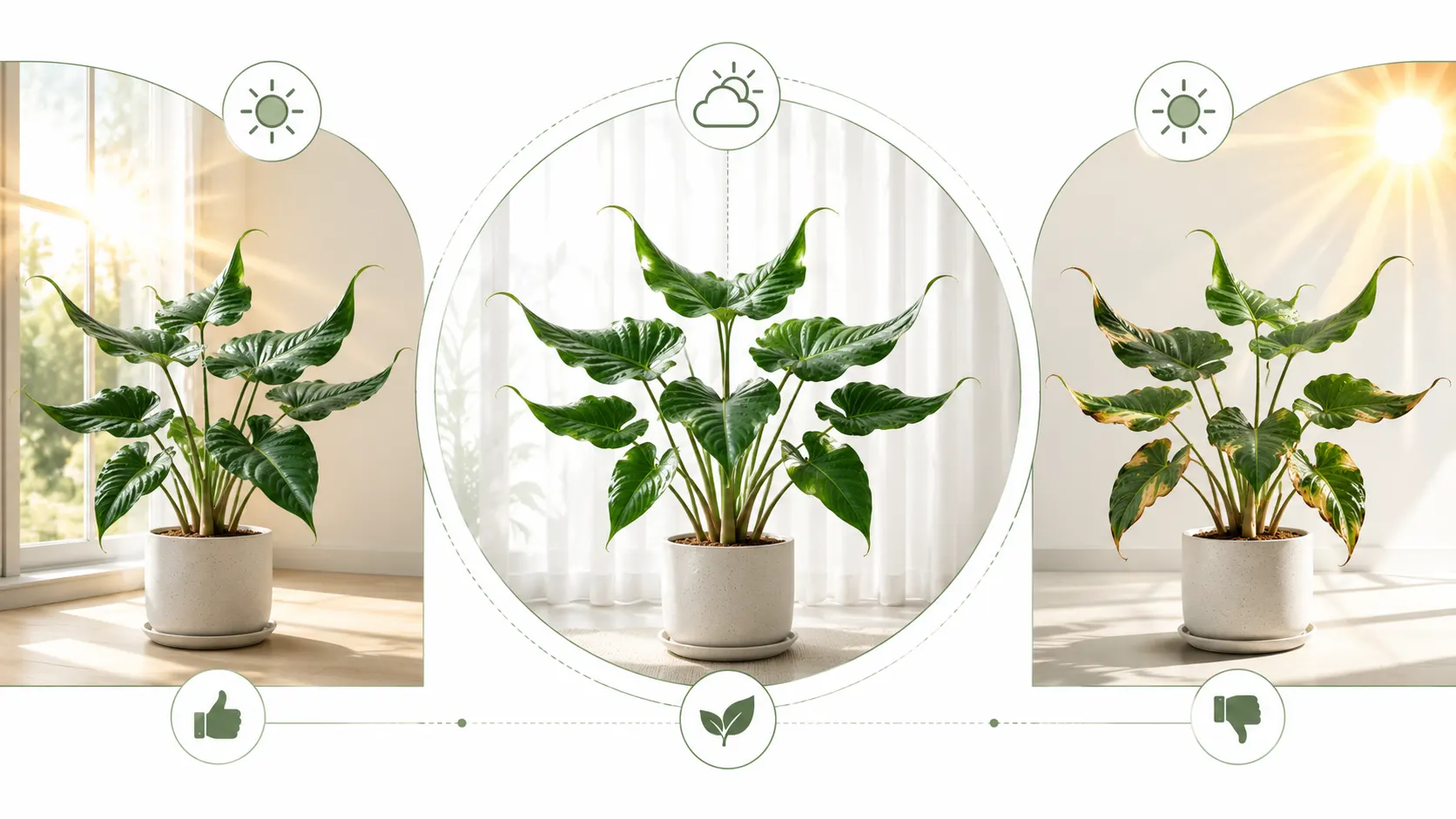
Alocasia stingray grows best in bright indirect light. Consistent filtered light encourages larger leaves, stronger stems, and healthier overall growth while preventing damage caused by direct sunlight.
In low-light conditions, plants often develop smaller leaves, slower growth, and elongated stems as they stretch toward available light. Conversely, prolonged exposure to direct afternoon sun can scorch foliage and cause brown patches.
The ideal environment mimics the filtered canopy conditions found in tropical forests.
Best Indoor Placement for Bright Indirect Light
Proper indoor placement significantly influences plant health.
Recommended locations include:
- Near east-facing windows with gentle morning sunlight
- Near north-facing windows with consistent indirect light
- Several feet away from south-facing windows
- Bright rooms with filtered natural light
- Locations protected by sheer curtains when sunlight is intense
Additional placement tips:
- Rotate the plant regularly for even growth.
- Avoid placing it directly against hot glass surfaces.
- Monitor seasonal light changes throughout the year.
- Supplement with grow lights if natural light is limited.
These conditions help maintain compact growth and healthy leaf development.
Outdoor Light Conditions
Alocasia stingray can be grown outdoors in suitable climates, provided it receives protection from harsh direct sunlight.
Outdoor growing recommendations include:
- Dappled shade beneath trees
- Filtered morning sun
- Protection from intense afternoon sunlight
- Sheltered locations with high humidity
Hardiness considerations:
| Condition | Recommendation |
| USDA Zones | 9–11 |
| Summer Sun | Filtered or partial shade |
| Winter Survival | Frost-free conditions required |
| Humidity | High humidity preferred |
| Wind Exposure | Protected location |
In regions with cold winters, outdoor plants should be moved indoors before temperatures fall below 60°F (15°C).
Watering the Alocasia Stingray: Schedule, Technique, and Common Mistakes
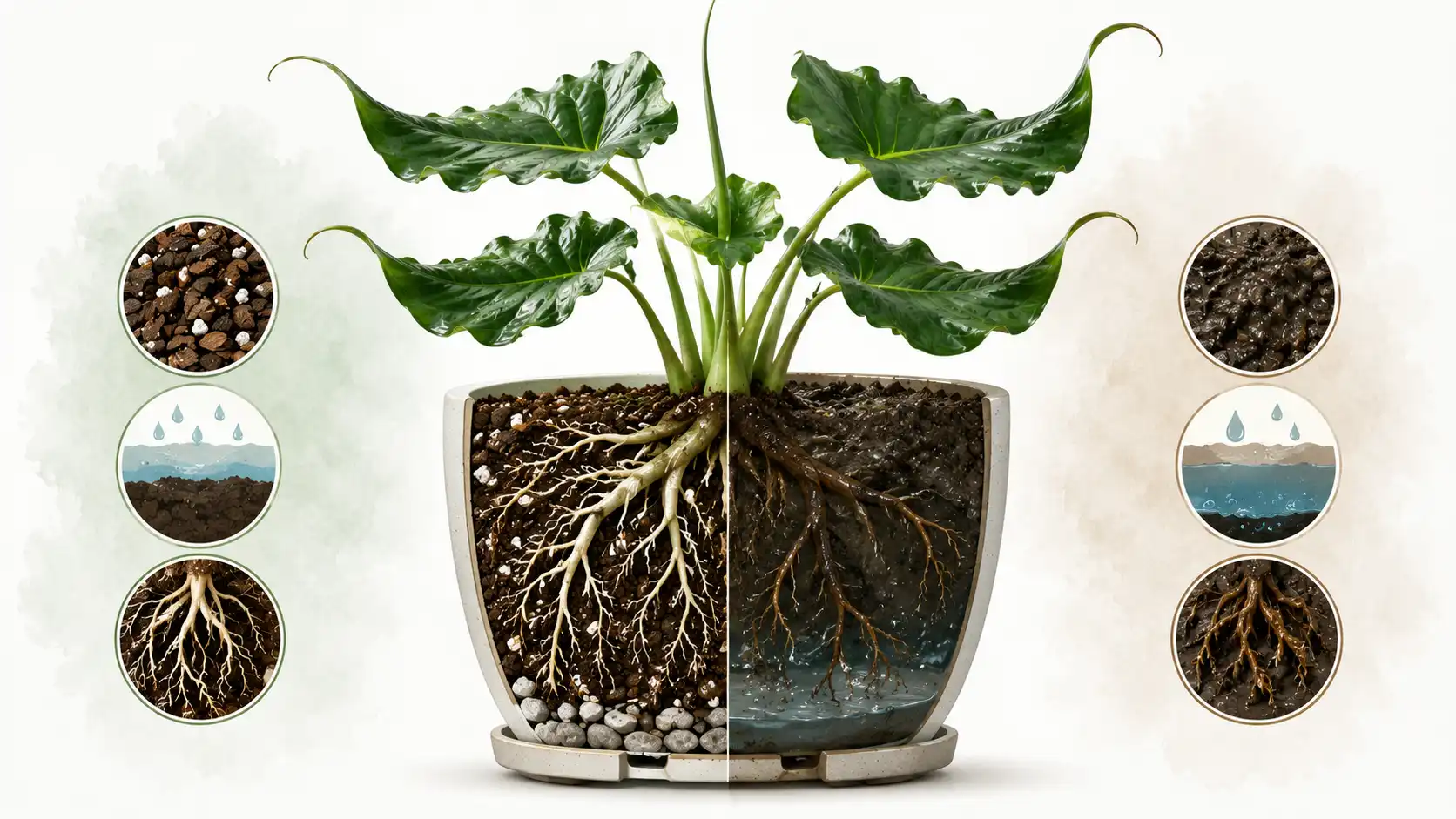
Proper watering is one of the most important aspects of alocasia stingray care. The plant prefers evenly moist soil but is highly susceptible to root rot if excess moisture remains around the roots.
A reliable approach is the “top inch dry” method. Water only when the upper inch of soil feels dry while ensuring deeper layers remain slightly moist.
Seasonal watering typically varies:
- Spring and summer: more frequent watering
- Fall: moderate reduction
- Winter: significantly reduced watering
Many growers struggle with alocasias because they either overwater or allow the soil to become excessively dry.
Common watering signs include:
Signs the plant needs water
- Slightly drooping leaves
- Dry top layer of soil
- Slower growth
- Lightweight pot
Signs of overwatering
- Yellowing leaves
- Mushy stems
- Soil remaining wet for long periods
- Foul odor from the potting mix
- Root rot symptoms
Overwatering remains the leading cause of alocasia decline because the roots require oxygen as well as moisture. Saturated soil eliminates air pockets and encourages fungal growth.
Can Alocasia Stingray Grow in Water?
Yes, alocasia stingray can grow in water under carefully managed conditions. Many growers successfully maintain specimens in hydroponic or semi-hydroponic systems.
Hydroponic growing requires:
- Consistent nutrient supplementation
- Adequate oxygen around roots
- Regular water changes
- Stable temperatures
- Close monitoring of root health
Semi-hydroponic systems often use expanded clay pebbles or similar media to improve aeration.
While water culture can reduce certain soil-related problems, it also demands more attention to nutrient management and water quality. For most indoor growers, a well-draining soil mix remains the simpler and more forgiving option.
Humidity, Temperature, and Ideal Growing Conditions
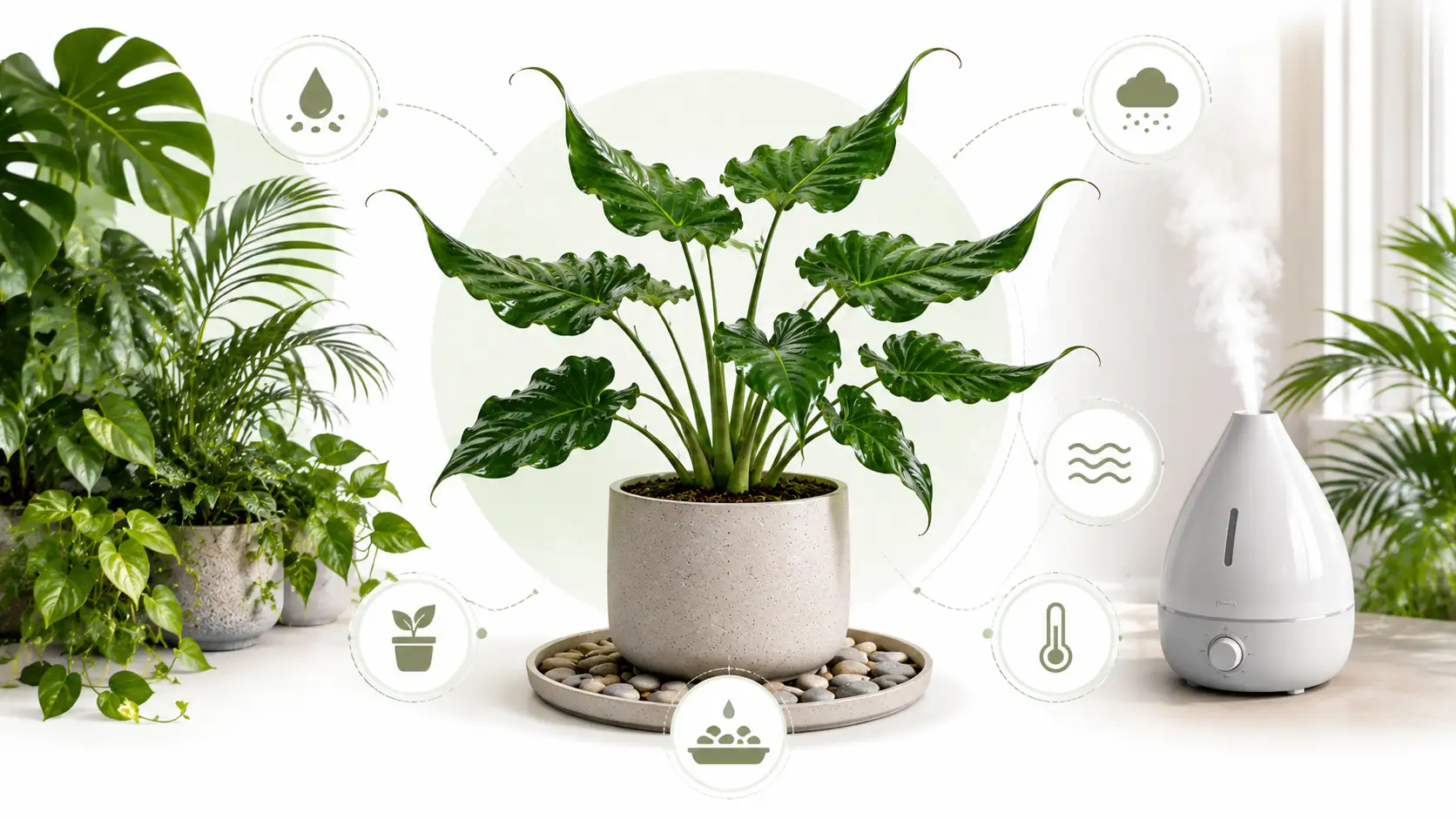
Alocasia stingray thrives in humidity levels between 60% and 80%. These conditions closely resemble the tropical rainforest environment where its ancestors evolved. Similar temperature management principles also apply to many popular tropical houseplants such as peace lilies.
Low humidity often causes:
- Brown leaf edges
- Crispy leaf tips
- Slower growth
- Increased pest susceptibility
Methods to increase humidity include:
- Using a humidifier nearby
- Grouping plants together
- Placing trays filled with pebbles and water beneath pots
- Growing plants in naturally humid rooms
Temperature requirements are equally important.
Ideal temperature range:
| Condition | Temperature |
| Preferred Range | 65–85°F (18–29°C) |
| Minimum Safe Temperature | 60°F (15°C) |
| Growth Slowdown | Below 65°F (18°C) |
| Frost Tolerance | None |
Cold drafts from windows, air conditioners, and heating vents should be avoided.
Many owners notice leaf loss during winter. This often occurs because cooler temperatures, shorter daylight hours, and reduced humidity trigger a semi-dormant phase. During this period, growth naturally slows and watering requirements decrease.
Indoor care is generally most successful when environmental conditions remain stable throughout the year.
Soil, Potting Mix, and Pot Selection
Alocasia stingray performs best in a loose, airy, and well-draining aroid soil mix. The goal is to maintain adequate moisture while preventing waterlogged conditions around the roots. Choosing the correct container size can significantly influence root development, moisture retention, and overall plant growth rates.
An effective potting mix often contains:
- Orchid bark
- Perlite
- Coco coir
- High-quality potting soil
- Horticultural charcoal (optional)
These components improve drainage, increase aeration, and support healthy root development.
The ideal soil pH generally falls between 5.5 and 7.0, allowing efficient nutrient uptake.
Drainage is non-negotiable because stagnant moisture creates conditions that favor root rot and fungal diseases.
Pot material also affects moisture retention.
| Pot Material | Benefits | Drawbacks |
| Terracotta | Excellent airflow and evaporation | Dries faster |
| Plastic | Retains moisture longer | Less aeration |
| Ceramic | Attractive appearance and stability | Variable drainage |
| Fabric Pots | Superior aeration | Frequent watering required |
Deep vs Shallow Pots: Which Works Better?
Shallow pots generally work better for alocasia stingray because they reduce the likelihood of excess moisture accumulating beneath the root zone.
| Feature | Deep Pot | Shallow Pot |
| Drainage Speed | Slower | Faster |
| Risk of Waterlogged Soil | Higher | Lower |
| Root Health | Can suffer in wet conditions | Better aeration |
| Watering Frequency | Less frequent | Slightly more frequent |
| Repotting Frequency | Less frequent | More frequent |
| Root Rot Risk | Higher | Lower |
Although mature plants may eventually require larger containers, excessively deep pots often create unnecessary moisture retention. Selecting a pot only slightly larger than the root ball is typically the safest approach for long-term health.
Plant Size and Growth Rate: How Big Does an Alocasia Stingray Get?
Alocasia stingray typically grows between 3 and 5 feet tall indoors when provided with proper care. In tropical outdoor environments, mature plants can reach heights of 6 to 8 feet or more. The plant’s impressive foliage and upright growth habit make it a dramatic statement plant in both indoor and outdoor settings.
Growth rate is generally moderate to fast during the active growing season. Spring and summer produce the most vigorous growth, while cooler months often bring slower development or partial dormancy.
Want to estimate how quickly your Alocasia Stingray may develop under different growing conditions? Use our plant growth calculator to track growth potential based on light, watering, and seasonal factors.
Factors that influence size and growth include:
- Light intensity
- Humidity levels
- Soil quality
- Watering consistency
- Fertilization schedule
- Root space availability
- Temperature stability
Typical growth characteristics:
- Indoor height: 3–5 feet
- Outdoor height: Up to 8 feet
- Mature leaf length: 12–24 inches
- Growth season: Spring through early fall
- Dormancy period: Late fall and winter in cooler conditions
Indoor vs Outdoor Size Comparison Table
| Feature | Indoor Growth | Outdoor Growth |
| Mature Height | 3–5 feet | 6–8+ feet |
| Leaf Size | Medium to large | Very large |
| Growth Speed | Moderate | Faster |
| Humidity Availability | Often limited | Naturally higher |
| Care Complexity | Higher | Moderate in suitable climates |
| Seasonal Dormancy | More common | Less noticeable in tropical zones |
Fertilizing, Pruning, and Seasonal Care
Alocasia stingray benefits from regular feeding during active growth. A balanced liquid fertilizer applied every two to four weeks throughout spring and summer helps support healthy foliage production. Understanding how often to fertilize indoor plants can help prevent nutrient deficiencies as well as fertilizer burn.
During fall and winter, growth slows considerably. Fertilizer applications should be reduced or stopped entirely until active growth resumes.
Pruning primarily involves removing damaged, yellowing, or dead leaves. This improves appearance and allows the plant to direct energy toward healthy new growth.
Signs that repotting may be necessary include:
- Roots emerging from drainage holes
- Water draining unusually quickly
- Stunted growth despite proper care
- Root-bound root systems
Seasonal care adjustments:
| Season | Care Focus |
| Spring | Resume fertilizing and increase watering |
| Summer | Maintain humidity and active feeding |
| Fall | Gradually reduce fertilizer |
| Winter | Reduce watering and monitor dormancy |
Dormancy is a natural process for many alocasias. Some leaves may yellow or die back during winter, especially if light levels decrease significantly. This does not necessarily indicate poor health.
Alocasia Stingray Brown Leaves: Causes, Fixes, and Prevention
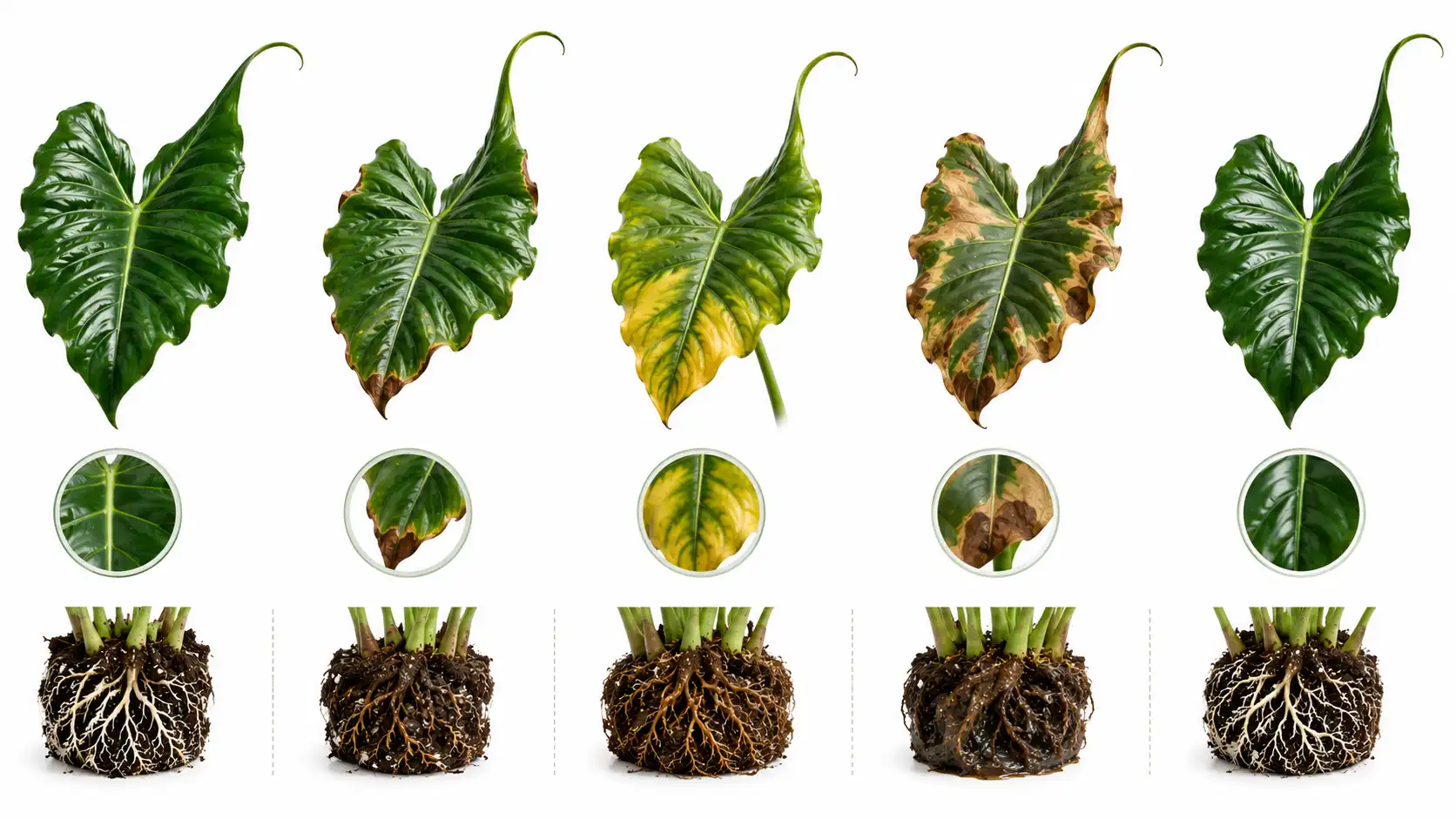
Brown leaves on alocasia stingray usually indicate environmental stress. Identifying the specific cause helps restore healthy growth and prevent recurring damage.
Common causes include:
Low Humidity
Why it happens:
Dry indoor air causes moisture loss from leaf edges.
How to fix it:
Increase humidity using a humidifier or pebble tray.
How to prevent it:
Maintain humidity between 60% and 80%.
Underwatering
Why it happens:
The plant experiences moisture stress when soil becomes excessively dry.
How to fix it:
Establish a consistent watering routine.
How to prevent it:
Monitor soil moisture regularly.
Overwatering and Root Rot
Why it happens:
Saturated soil deprives roots of oxygen.
How to fix it:
Inspect roots, remove damaged tissue, and repot if necessary.
How to prevent it:
Use well-draining soil and proper watering practices.
Mineral Buildup
Why it happens:
Tap water may leave excess salts in the soil.
How to fix it:
Flush soil periodically and consider filtered water.
How to prevent it:
Avoid excessive fertilizer accumulation.
Direct Sunlight
Why it happens:
Intense sun damages delicate foliage.
How to fix it:
Move the plant to filtered light.
How to prevent it:
Provide bright indirect light only.
Yellowing Leaves vs Brown Leaf Tips vs Brown Patches
| Symptom | Most Likely Cause | Recommended Fix |
| Yellow Leaves | Overwatering, dormancy, nutrient imbalance | Adjust watering and evaluate growth conditions |
| Brown Leaf Tips | Low humidity, mineral buildup | Increase humidity and flush soil |
| Brown Patches | Sunburn or root stress | Relocate plant and inspect roots |
| Crispy Edges | Dry air or underwatering | Improve moisture consistency |
| Soft Yellow Leaves | Root rot | Reduce watering and inspect roots |
Common Problems: Pests, Root Rot, and Troubleshooting
Alocasia stingray can experience several common problems, particularly when environmental conditions are suboptimal.
Spider mites are among the most frequent pests. They thrive in dry conditions and often cause speckled leaves, discoloration, and fine webbing.
Mealybugs may appear as cotton-like clusters on stems and leaf joints. These pests feed on plant sap and weaken overall growth.
Root rot remains one of the most serious issues.
Common signs of root rot include:
- Yellowing foliage
- Mushy stems
- Foul-smelling soil
- Slow growth
- Leaf collapse
Treatment involves:
- Removing the plant from its container
- Trimming affected roots
- Replacing the soil
- Improving drainage
- Adjusting watering practices
Sudden leaf drop often results from:
- Temperature fluctuations
- Draft exposure
- Overwatering
- Underwatering
- Environmental stress
Many people ask why alocasias are difficult to keep alive. The answer lies in their sensitivity to moisture, humidity, and environmental changes. They respond quickly to unfavorable conditions, making consistency essential for long-term success.
Alocasia Stingray Flower: Does It Bloom?
Yes, alocasia stingray can produce flowers, although indoor blooming is relatively uncommon.
The flower consists of a spathe and spadix structure similar to other members of the Araceae family. The bloom is typically pale green, cream, or white and is generally less ornamental than the foliage.
Conditions that may encourage flowering include:
- Mature plant age
- Stable warmth
- High humidity
- Consistent watering
- Adequate nutrition
Most growers cultivate alocasia stingray primarily for its foliage rather than its flowers.
Is Alocasia Stingray Toxic to Cats and Pets?
Yes, alocasia stingray is toxic to cats, dogs, and other pets because it contains calcium oxalate crystals.
When chewed or ingested, these microscopic crystals can irritate tissues in the mouth and digestive tract.
Common symptoms include:
- Excessive drooling
- Pawing at the mouth
- Oral irritation
- Swelling
- Difficulty swallowing
- Vomiting
If a pet consumes any part of the plant, contact a veterinarian promptly for guidance.
Safe placement strategies include:
- Keeping plants on elevated shelves
- Using plant stands
- Restricting access to plant rooms
- Monitoring curious pets closely
Alocasia Stingray vs Other Alocasia Varieties Comparison Differentiator
Alocasia stingray is considered moderately challenging compared to some other popular alocasia varieties. While it is not the easiest species for beginners, its distinctive appearance makes it highly desirable.
Many growers consider Alocasia zebrina among the easier varieties, while rare variegated cultivars are often viewed as the most sought-after.
| Variety | Difficulty | Light Needs | Mature Size | Rarity |
| Stingray | Moderate | Bright indirect | Large | Moderate |
| Polly | Moderate | Bright indirect | Compact | Common |
| Dragon Scale | Moderate to high | Bright indirect | Medium | Moderately rare |
| Zebrina | Easier | Bright indirect | Large | Common |
| Amazonica | Moderate | Bright indirect | Medium | Common |
The most sought-after alocasias often include rare variegated forms and collector cultivars due to limited availability and unique appearance.
Lifespan and Long-Term Care: How Long Does Alocasia Stingray Live?
Alocasia stingray is a perennial tropical plant that can live for many years when properly maintained. There is no fixed lifespan because healthy plants continually renew themselves through new growth and seasonal cycles. Seasonal growth cycles play an important role in determining how vigorously tropical houseplants grow throughout the year.
Indoor lifespan depends largely on:
- Consistent care
- Disease prevention
- Proper watering
- Adequate humidity
- Regular repotting
Many mature specimens remain healthy for a decade or longer.
Propagation through division allows growers to preserve the plant’s lineage indefinitely. New offsets can develop into mature plants while the original specimen continues growing.
Signs of aging may include:
- Slower growth
- Reduced leaf size
- Increased sensitivity to stress
However, these changes are often manageable through proper care and rejuvenation practices.
Beginner Mistakes to Avoid with Alocasia Stingray Differentiator SERP Gap
Alocasia stingray is not inherently difficult to care for, but several common mistakes frequently lead to problems.
Avoid these mistakes:
- Overwatering and keeping soil constantly wet
- Using dense, poorly draining potting mixes
- Growing the plant in very low humidity
- Exposing leaves to harsh direct sunlight
- Choosing oversized pots that retain excess moisture
- Ignoring seasonal dormancy behavior
- Allowing cold drafts to reach the plant
- Fertilizing heavily during winter
Most care failures result from environmental mismatches rather than the plant itself being exceptionally demanding.
Conclusion
Alocasia stingray is a striking tropical houseplant valued for its unique stingray-shaped leaves and dramatic presence. Successful growth depends on providing bright indirect light, a well-draining soil mix, consistent moisture, warm temperatures, and elevated humidity. While it may require more attention than beginner-friendly houseplants, understanding its tropical origins makes care much more predictable. With proper watering, suitable environmental conditions, and seasonal adjustments, the plant can thrive for many years. For growers willing to meet its needs, alocasia stingray care is highly rewarding and results in one of the most distinctive foliage plants available for indoor cultivation.
Frequently Asked Questions
Is alocasia stingray hard to care for?
Alocasia stingray is considered moderately difficult rather than extremely challenging. Most problems occur because of overwatering, insufficient humidity, or improper lighting. It is best suited for intermediate growers willing to provide consistent care.
How big does an alocasia stingray get indoors?
Most indoor specimens reach 3 to 5 feet tall with leaves measuring up to 24 inches long. Outdoor plants in tropical climates can grow significantly larger.
Why are my alocasia stingray leaves turning brown?
Brown leaves are commonly caused by low humidity, inconsistent watering, root problems, mineral buildup, or excessive direct sunlight. Identifying the specific cause helps determine the appropriate solution.
Can I grow alocasia stingray outdoors?
Yes, alocasia stingray can grow outdoors in USDA Zones 9 through 11. It performs best in warm, humid environments with dappled shade and protection from intense afternoon sun.
Is the alocasia stingray toxic to cats and dogs?
Yes. The plant contains calcium oxalate crystals that can cause oral irritation, drooling, swelling, and digestive discomfort if ingested by pets.
What is the rarest alocasia variety?
Some of the rarest and most sought-after alocasias include highly variegated cultivars and collector forms such as variegated dragon scale, variegated frydek, and variegated stingray. These plants are valued for their rarity and unique foliage patterns.
How do I increase humidity for my alocasia stingray?
You can increase humidity by using a humidifier, grouping plants together, placing pebble trays beneath containers, or growing the plant in naturally humid areas of the home. Maintaining humidity between 60% and 80% supports optimal growth.



One Response