
Introduction
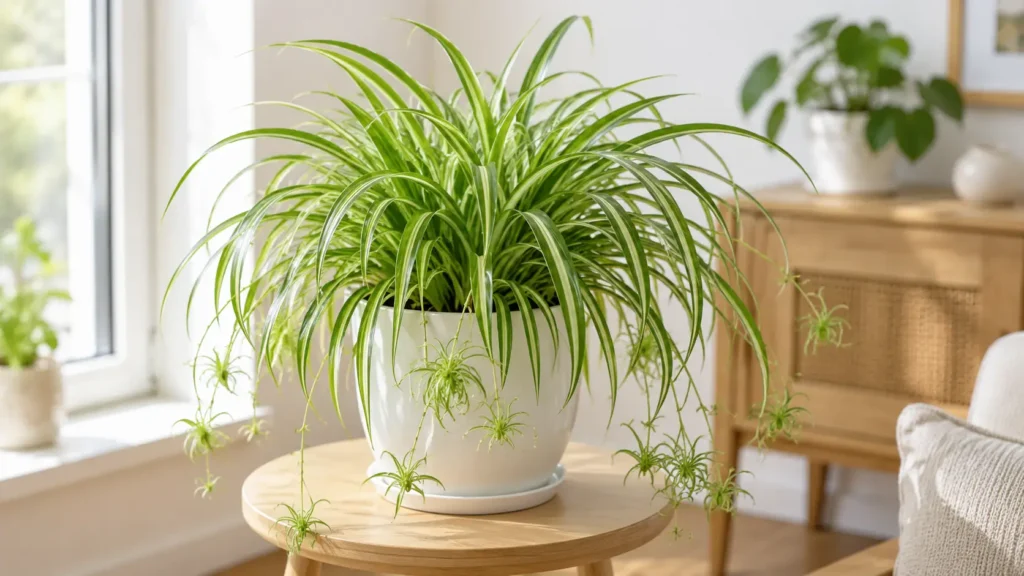
Spider plant humidity requirements are relatively easy to meet, making Chlorophytum comosum one of the most adaptable and beginner-friendly houseplants. While this resilient plant tolerates a wide range of indoor conditions, it performs best in moderate humidity levels that support healthy foliage and steady growth. Humidity requirements refer to the amount of moisture present in the surrounding air, which directly influences leaf health, water loss, and overall plant vigor. Although spider plants survive in average household environments, providing the right balance of humidity, light, watering, and soil conditions helps prevent common issues such as brown leaf tips and slow growth. If you’re building a thriving indoor plant collection, our Plants: Benefits and Guides (Complete Care, Types & Growing Tips) hub provides comprehensive care information for popular houseplants and growing techniques. For additional botanical information and classification, see the Wikipedia article on Chlorophytum comosum.
Quick Summary
- Spider plants grow best in 40–60% relative humidity but adapt well to most indoor environments.
- Brown leaf tips are often the first indication that humidity is too low or minerals have accumulated from tap water.
- Bright, indirect light, moderate watering, and well-draining soil create the ideal growing conditions.
- Spider plants are among the easiest indoor plants to care for, making them an excellent choice for beginners.
What Humidity Level Do Spider Plants Need?
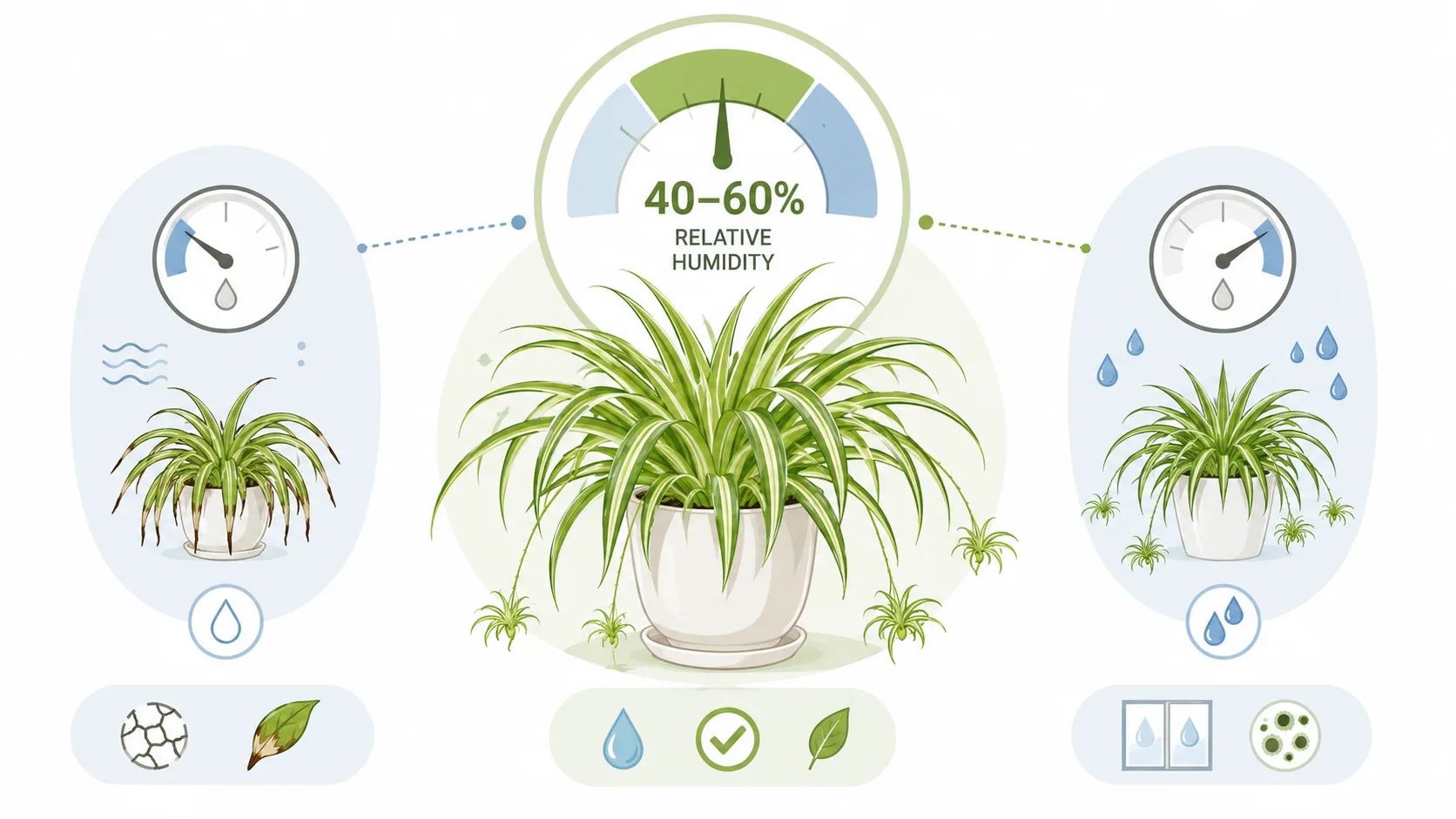
Spider plants grow best in 40–60% relative humidity, although they tolerate humidity levels commonly found in most homes. This moderate humidity range closely resembles the plant’s native environment and supports healthy leaf development, efficient water regulation, and consistent growth.
Unlike many tropical houseplants that require constantly high humidity, spider plants are remarkably flexible. Most homes naturally maintain humidity between 30% and 50%, allowing spider plants to thrive without requiring specialized equipment.
Moderate humidity simply means the air contains enough moisture to reduce excessive water loss from the leaves while remaining dry enough to discourage fungal diseases. During winter, indoor heating often lowers humidity significantly, so occasional adjustments may improve plant health.
How Humidity Affects Spider Plant Health
Humidity directly influences how quickly a spider plant loses moisture through its leaves. When humidity drops too low, water evaporates faster than the roots can replace it, causing several visible symptoms.
Common signs of low humidity include:
- Brown leaf tips
- Crispy leaf edges
- Curling foliage
- Slower overall growth
- Reduced production of plantlets (spiderettes)
Low humidity alone does not always cause damage, but when combined with inconsistent watering or mineral-heavy tap water, leaf-tip browning becomes much more noticeable.
Excessively high humidity can also create problems. Constantly damp air, particularly when paired with overwatered soil and poor ventilation, encourages fungal diseases and increases the risk of root rot. Maintaining moderate humidity with good airflow provides the healthiest growing environment.
Do Spider Plants Like Bathrooms?
Yes, spider plants generally enjoy bathrooms because they benefit from the temporary increase in humidity created by showers and baths. However, humidity alone is not enough to support healthy growth.
A bathroom is an excellent location if it also provides:
- Bright, indirect natural light
- Consistent temperatures
- Good air circulation
- Space away from direct water spray
Bathrooms with frosted windows or east-facing windows often provide suitable conditions. In bathrooms without natural light, a quality LED grow light can successfully supplement lighting needs.
Although spider plants appreciate humidity, they should not remain in constantly damp or poorly ventilated rooms where moisture remains trapped for extended periods.
Humidity Levels by Room Type
| Room | Typical Humidity | Suitable for Spider Plants? |
| Living room | 30–50% | Yes |
| Bedroom | 30–50% | Yes |
| Kitchen | 40–60% | Excellent |
| Bathroom | 50–70% after showers | Excellent with adequate light |
Spider Plant Light Requirements
Spider plants grow best in bright, indirect light, although they tolerate lower-light conditions better than many indoor plants. Their adaptability makes them suitable for homes, apartments, and offices with varying light levels.
Bright indirect light encourages:
- Faster growth
- Stronger leaf color
- Increased production of spiderettes
- Healthier root systems
Direct afternoon sunlight should generally be avoided because prolonged exposure can scorch the leaves, causing faded coloration and dry brown patches. Morning sunlight is usually much gentler and less likely to cause damage.
Although spider plants survive in shaded locations, prolonged low-light conditions may slow growth and reduce the production of new foliage.
How Much Light Does a Spider Plant Need Indoors?
Spider plants need approximately 6–8 hours of bright, indirect light each day for optimal growth. Fortunately, they remain one of the few houseplants capable of adapting to lower-light environments without declining rapidly.
Ideal indoor placements include:
- Near north-facing windows
- Close to east-facing windows
- Several feet from bright south-facing windows
- Well-lit rooms with filtered sunlight
If natural light is limited, full-spectrum LED grow lights provide an effective alternative. Position the light approximately 12–18 inches above the foliage and operate it for 10–12 hours daily to maintain healthy growth.
Spider Plant Light Needs in the UK
Spider plants adapt well to homes throughout the UK, where natural light levels are generally lower than in many other regions. During spring and summer, bright windows usually provide sufficient indirect light for healthy growth.
Winter presents a greater challenge because shorter daylight hours and frequent overcast conditions reduce available light. During this period, growth naturally slows, and watering should also become less frequent.
For successful spider plant care in the UK:
- Place plants near the brightest available window.
- Avoid direct midday summer sun.
- Rotate the plant every few weeks for even growth.
- Consider using a grow light during darker winter months.
- Keep plants away from cold windows and draughts that may damage foliage.
Proper lighting, combined with moderate humidity and careful watering, helps maintain healthy foliage throughout the year.
How Often to Water a Spider Plant
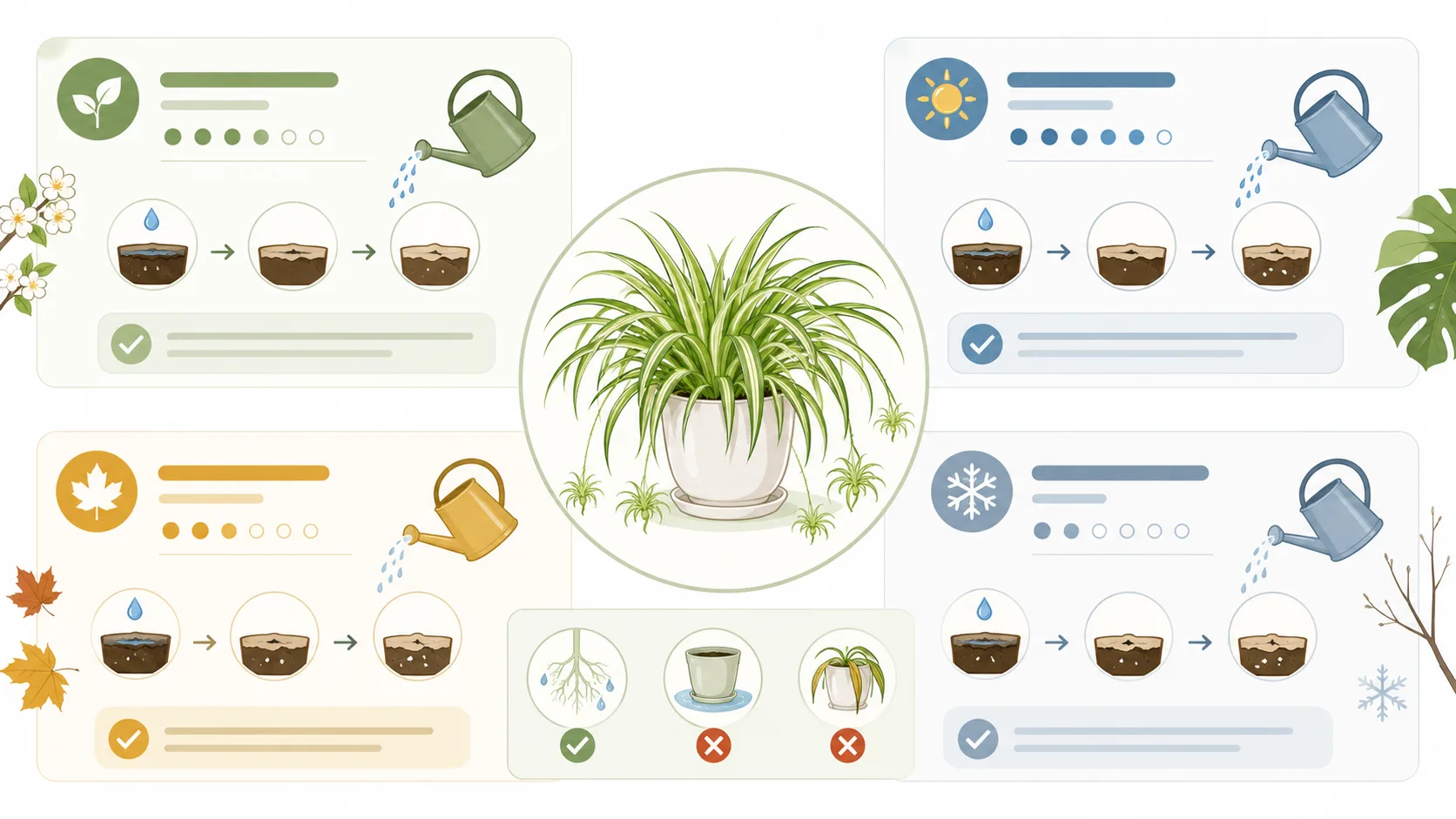
Spider plants generally need watering every 1–2 weeks, but the ideal schedule depends on factors such as the season, indoor humidity, temperature, pot size, soil type, and light exposure. Rather than watering on a fixed timetable, check the soil before adding water. Allow the top 1–2 inches (2.5–5 cm) of soil to dry out before watering again.
Spider plants store moisture in their thick, fleshy roots, allowing them to withstand short periods of dryness better than consistently wet soil. Overwatering is far more harmful than occasional underwatering because saturated soil reduces oxygen around the roots and encourages root rot.
Several environmental factors influence watering frequency:
- Bright light increases water use.
- Warm temperatures dry soil more quickly.
- Higher humidity slows moisture loss.
- Small pots dry faster than larger containers.
- Terracotta pots lose moisture more rapidly than plastic or ceramic pots.
A practical watering routine is to thoroughly water until excess drains from the bottom of the pot, then empty the drainage tray to prevent standing water.
Do Spider Plants Like to Be Dry or Wet?
Spider plants prefer slightly dry soil rather than constantly wet soil. Their fleshy roots are adapted to store water, making them more tolerant of temporary dryness than excessive moisture.
Keeping the soil consistently wet is the most common reason spider plants develop yellow leaves, soft roots, and declining health. Allowing the soil surface to dry slightly between waterings promotes healthy root growth and reduces disease risk.
Signs of underwatering include:
- Dry, lightweight potting mix
- Brown, crispy leaf tips
- Slightly drooping leaves
- Slower growth
Signs of overwatering include:
- Yellowing leaves
- Soft or mushy roots
- Persistent wet soil
- Musty odor from the pot
- Blackened leaf bases
If you’re unsure whether to water, it’s generally safer to wait another day or two and check the soil again.
Watering Frequency by Season
| Season | Typical Watering Frequency | Notes |
| Spring | Every 7–10 days | Active growth increases water use. |
| Summer | Every 7–10 days | Water more often during hot weather if soil dries quickly. |
| Autumn | Every 10–14 days | Growth gradually slows. |
| Winter | Every 2–3 weeks | Reduce watering as growth becomes slower and evaporation decreases. |
Spider Plant Soil, Fertilizer, and Pot Requirements
Spider plants grow best in well-draining, loamy soil that retains enough moisture for healthy roots without remaining soggy. A quality indoor potting mix amended with perlite or coarse sand improves drainage and aeration. If you’re interested in another member of the Chlorophytum genus, explore our Chlorophytum Fire Flash Care Guide to compare its care requirements with the common spider plant.
The container is equally important. Every spider plant should be grown in a pot with drainage holes to prevent water from collecting around the roots. Decorative containers without drainage should only be used as outer cachepots with a separate inner nursery pot.
An ideal growing setup includes:
- Well-draining indoor potting mix
- Perlite or pumice for improved drainage
- Pot with drainage holes
- Slightly root-bound conditions before repotting
Spider plants naturally produce dense root systems and often grow best when slightly root-bound. Repotting is generally needed every one to two years or when roots begin circling the container.
Are Coffee Grounds Good for Spider Plants?
Coffee grounds are not recommended as a regular soil amendment for spider plants. While used coffee grounds contain organic matter and some nutrients, they can create several problems when applied excessively.
Potential drawbacks include:
- Lowering soil pH more than necessary
- Reducing soil aeration
- Holding excessive moisture
- Encouraging mold growth
- Increasing the risk of root damage
If coffee grounds are used, they should be fully composted and mixed into compost rather than applied directly to the potting soil. Fresh or thick layers of coffee grounds should be avoided.
A balanced fertilizer provides nutrients more consistently without altering soil structure.
Spider Plant Fertilizer Requirements
Spider plants are light feeders and require only modest fertilization during their active growing season. If you’re unsure how often to feed indoor plants, our guide Bi-Weekly vs Monthly Fertilizing for Houseplants explains how to choose the right fertilizing schedule.
Feed once each month from spring through early autumn using a balanced, water-soluble houseplant fertilizer diluted to half strength. Suspend fertilization during winter when growth naturally slows.
Suitable fertilizer options include:
- Balanced liquid fertilizer (10-10-10 or 20-20-20)
- Slow-release indoor plant fertilizer
- Organic houseplant fertilizer applied according to label directions
Avoid excessive fertilization because accumulated salts frequently contribute to brown leaf tips. Occasionally flushing the soil with clean water helps remove excess mineral buildup.
This feeding pattern reflects the natural habitat of Chlorophytum comosum, which evolved in relatively low-nutrient forest environments and does not require heavy fertilization.
Spider Plant Temperature and Climate Tolerance
Spider plants thrive at temperatures between 65–85°F (18–30°C). This range supports vigorous growth, healthy foliage, and consistent production of new leaves and plantlets. For another humidity-loving indoor plant, see our Peace Lily Temperature Range: Ideal Growing Conditions Explained to understand how temperature affects tropical houseplants.
Although adaptable, spider plants dislike sudden temperature fluctuations. Cold drafts from windows, air conditioning vents, or exterior doors can stress the foliage even when average room temperatures remain suitable.
Ideal growing conditions include:
- Stable indoor temperatures
- Moderate humidity
- Protection from frost
- Good air circulation without cold drafts
Prolonged exposure to temperatures below their preferred range slows growth and may damage leaves.
What Is the Lowest Temperature Spider Plants Can Tolerate?
Spider plants can briefly tolerate temperatures around 50°F (10°C), but prolonged exposure below this level causes stress. Temperatures approaching freezing are dangerous and frost can permanently damage or kill the plant. To protect all your indoor plants during colder months, read What Temperature Is Too Cold for Indoor Houseplants? for practical seasonal care advice.
Cold stress commonly causes:
- Wilted foliage
- Water-soaked leaves
- Brown or black leaf damage
- Slowed recovery in spring
During winter, avoid placing spider plants directly against cold window glass or near frequently opened exterior doors. Maintaining a stable indoor environment is far more beneficial than exposing the plant to fluctuating temperatures.
Can Spider Plants Grow Outdoors?
Yes, spider plants can grow outdoors in warm climates, but they are not frost-hardy. They perform well outdoors during spring and summer when temperatures remain consistently above 55°F (13°C).
Outdoor care recommendations include:
- Place in bright shade or filtered sunlight.
- Protect from harsh afternoon sun.
- Water when the top layer of soil becomes dry.
- Bring the plant indoors before nighttime temperatures fall below 50°F (10°C).
Spider plants are perennial outdoors in USDA Hardiness Zones 9–11, where freezing temperatures are uncommon. In cooler regions, they are best grown as houseplants or moved indoors before autumn frost.
Temperature Tolerance by Growing Environment
| Environment | Ideal Temperature | Lowest Recommended Temperature |
| Indoor | 65–85°F (18–30°C) | 50°F (10°C) |
| Outdoor (Growing Season) | 65–85°F (18–30°C) | Bring indoors before temperatures fall below 50°F (10°C) |
| Winter Indoors | 60–75°F (16–24°C) | Avoid cold drafts and freezing conditions |
Spider Plant Benefits for Indoor Environments
Spider plants are valued not only for their attractive arching foliage but also for their ability to adapt to indoor living conditions with minimal care. Their resilience, pet-friendly appearance, and tolerance of varying humidity and light levels make them one of the most popular houseplants for homes and offices.
Some of the key benefits of spider plants include:
- Adapt well to average indoor humidity.
- Thrive in a wide range of lighting conditions.
- Produce attractive hanging plantlets (spiderettes).
- Require relatively little maintenance.
- Help create a greener and more relaxing indoor environment.
- Suitable for beginners and experienced plant owners alike.
While spider plants are often promoted as air-purifying plants, it’s important to understand what scientific research actually supports.
Do Spider Plants Remove Mold and Airborne Pollutants?
Spider plants can absorb certain airborne compounds under controlled laboratory conditions, but claims that they remove 78–90% of airborne mold and pollutants in a typical home are exaggerated.
The frequently cited NASA Clean Air Study demonstrated that several houseplants, including spider plants, could remove volatile organic compounds (VOCs) inside sealed test chambers. However, modern researchers agree that normal indoor environments are much larger and better ventilated than laboratory chambers, meaning the air-cleaning effect of a few houseplants is relatively small.
Realistically, spider plants may contribute to a healthier indoor environment by:
- Increasing visual connection with nature.
- Slightly influencing indoor humidity through transpiration.
- Supporting overall indoor well-being.
- Complementing, but not replacing, proper ventilation and air filtration.
For improving indoor air quality, regular ventilation and high-quality HVAC filtration remain far more effective than relying solely on houseplants.
What Is the Lifespan of a Spider Plant?
Spider plants can live 20 years or more when given proper care. Mature specimens often continue producing new leaves and spiderettes for decades.
Factors that contribute to a long lifespan include:
- Consistent watering without overwatering.
- Bright, indirect light.
- Repotting when roots become crowded.
- Moderate fertilization.
- Prompt treatment of pests and diseases.
- Protection from prolonged cold exposure.
Older plants may become root-bound, but this is easily managed through occasional repotting or dividing the root ball.
How to Make a Spider Plant Fuller and Bushier
A fuller spider plant develops through healthy growth, regular maintenance, and adequate light. While mature plants naturally produce long runners with baby plants, sparse or leggy growth often indicates that growing conditions can be improved.
Healthy bushier growth depends on:
- Bright indirect light.
- Balanced watering.
- Periodic pruning.
- Proper fertilization.
- Repotting when necessary.
Encouraging dense foliage helps maintain an attractive, compact appearance.
Why Is My Spider Plant Growing Tall and Leggy?
Spider plants become leggy when energy is directed toward producing long stems instead of dense foliage. This may occur naturally as mature plants develop runners, but excessive legginess usually indicates environmental issues.
Common causes include:
- Insufficient light.
- Overcrowded roots.
- Lack of routine pruning.
- Natural maturity and spiderette production.
If low light is the primary cause, move the plant closer to a bright window with filtered sunlight or supplement with a full-spectrum grow light.
Repotting an extremely root-bound plant and removing excessive runners can also encourage more compact growth.
How to Prune Spider Plants for Fullness
Pruning encourages healthier foliage by redirecting energy into new leaf production instead of damaged or unnecessary growth.
Follow these simple steps:
- Remove brown or damaged leaf tips using clean scissors.
- Cut dead leaves back to their base.
- Trim excessively long runners if a fuller appearance is desired.
- Remove crowded spiderettes if they reduce overall plant vigor.
- Sterilize pruning tools before and after use.
Regular pruning also improves airflow around the foliage and helps reduce pest problems.
Step-by-Step Guide to Make a Spider Plant Bushier
- Place the plant in bright, indirect light.
- Water only when the top inch of soil becomes dry.
- Feed monthly during spring and summer.
- Remove damaged leaves regularly.
- Trim excess runners.
- Repot every 1–2 years if roots become crowded.
- Rotate the pot every few weeks for even growth.
Can you cut a spider plant all the way back?
Yes, but only when necessary. Heavy pruning can help rejuvenate an overgrown plant, although removing too much healthy foliage at once may temporarily slow growth. Gradual pruning is usually the better approach.
Common Spider Plant Problems and How to Fix Them
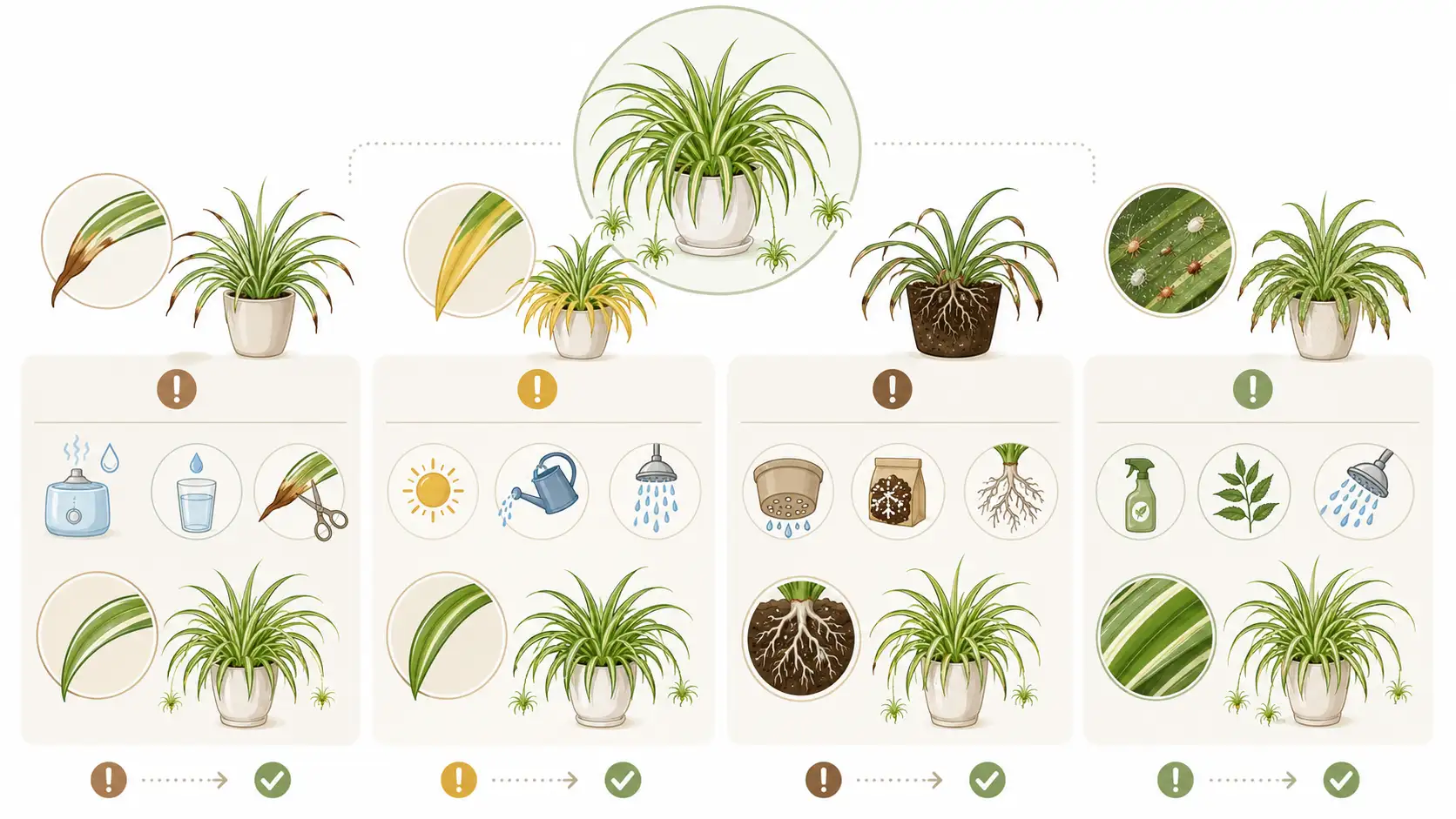
Spider plants are hardy, but improper care can still lead to several common issues. Most problems are easy to diagnose by observing the leaves, roots, and overall growing conditions.
Why Are My Spider Plant Leaves Turning Brown?
Brown leaf tips are one of the most common spider plant problems.
The three primary causes are:
- Low humidity
- Dry indoor air increases moisture loss from leaves.
- Fluoride or chlorine in tap water
- Mineral accumulation may damage leaf tips over time.
- Over-fertilization
- Excess fertilizer salts accumulate in the soil and burn root tissue.
Solutions include:
- Increase humidity if indoor air is very dry.
- Use rainwater, distilled water, or filtered water when possible.
- Flush the soil periodically to remove excess salts.
- Reduce fertilizer applications.
Why Is My Spider Plant Dying?
A declining spider plant is usually suffering from environmental stress rather than disease.
The most common causes include:
- Overwatering leading to root rot.
- Severe underwatering.
- Cold damage.
- Excessive direct sunlight.
- Pest infestations.
- Poor drainage.
Diagnostic Checklist
- Is the soil constantly wet?
- Are roots black or mushy?
- Does the plant receive enough indirect light?
- Are leaves scorched by direct sun?
- Are insects visible on the foliage?
- Is the plant exposed to cold drafts?
Working through these questions usually identifies the underlying issue quickly.
Spider Plant Pests and Diseases
Spider plants occasionally experience pest problems, particularly when grown indoors.
Common pests include:
- Spider mites.
- Mealybugs.
- Aphids.
- Scale insects.
Common diseases include:
- Root rot.
- Fungal leaf spots.
Treatment options include:
- Isolate affected plants.
- Remove heavily damaged foliage.
- Wash leaves with water.
- Apply insecticidal soap or horticultural oil if necessary.
- Improve airflow and avoid overwatering.
Checklist: What’s Wrong With My Spider Plant?
- Brown tips → Low humidity, tap water minerals, or excess fertilizer.
- Yellow leaves → Usually overwatering.
- Wilting → Check both soil moisture and root health.
- Pale leaves → Insufficient light.
- Sticky leaves → Possible insect infestation.
- Mushy roots → Root rot.
Spider Plant vs Snake Plant: Which Is Better for Indoors?
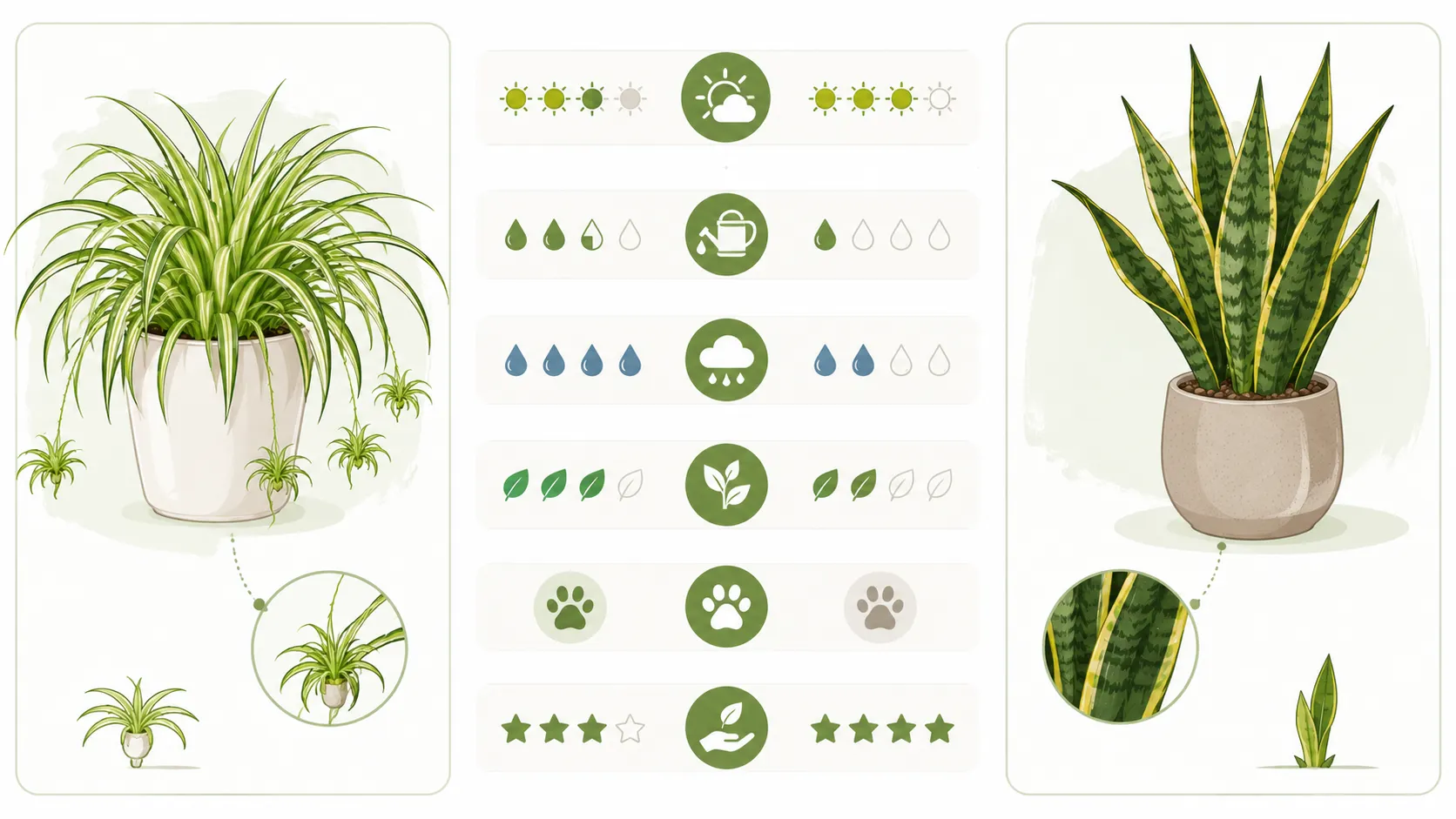
Both spider plants and snake plants are excellent indoor plants, but each has different strengths depending on your home environment and care preferences.
Spider plants grow faster, produce attractive hanging plantlets, and tolerate moderate humidity well. Snake plants are even more drought-tolerant and require less frequent watering.
Spider Plant vs Snake Plant Comparison
| Care Factor | Spider Plant | Snake Plant |
| Light | Bright indirect light | Low to bright indirect light |
| Watering | Every 1–2 weeks | Every 2–4 weeks |
| Humidity | Prefers 40–60% | Tolerates dry air very well |
| Growth Rate | Moderate to fast | Slow to moderate |
| Air Purification | Limited real-world effect | Limited real-world effect |
| Pet Safety | Mildly toxic if ingested | Toxic if ingested |
| Appearance | Arching leaves with runners | Upright, sword-like leaves |
| Maintenance | Low | Very low |
For households seeking a fast-growing decorative plant, spider plants are an excellent choice. For those wanting an extremely drought-tolerant plant, snake plants may be better suited.
Common Beginner Mistakes with Spider Plants
Many spider plant problems result from simple care mistakes rather than difficult growing conditions.
Avoid these common errors:
- Overwatering or using containers without drainage holes.
- Placing the plant in harsh direct afternoon sunlight.
- Ignoring fluoride sensitivity in tap water.
- Applying fertilizer too frequently.
- Waiting too long to repot severely root-bound plants.
- Mistaking naturally developing runners for unhealthy leggy growth.
Correcting these issues early helps prevent long-term damage and keeps spider plants healthy and vigorous.
Spider Plant Size and Growth Rate
Spider plants are moderate-growing houseplants that become larger and fuller when provided with bright indirect light, proper watering, and occasional fertilization. Their mature size depends on the growing environment, container size, and overall care.
How Big Do Spider Plants Get?
Spider plants typically grow 12–24 inches (30–60 cm) tall and 12–36 inches (30–90 cm) wide indoors. Mature plants produce long arching leaves and runners that can extend well beyond the foliage, creating their characteristic cascading appearance.
When grown outdoors in suitable climates, spider plants may spread slightly wider due to faster growth and larger root systems.
Several factors influence mature size:
- Pot size and available root space
- Amount of bright, indirect light
- Watering consistency
- Fertilization during the growing season
- Plant age
Repotting every one to two years provides additional room for root development, allowing the plant to reach its full size.
How Fast Do Spider Plants Grow?
Spider plants have a moderate growth rate, producing the fastest growth during spring and summer when temperatures are warm and daylight hours are longer. Seasonal changes influence watering, growth, and fertilizing schedules. Learn more in How Does Season Affect Indoor Plant Growth.
Growth naturally slows during autumn and becomes minimal in winter as the plant enters a semi-dormant period.
To encourage faster growth:
- Provide 6–8 hours of bright, indirect light daily.
- Water when the top 1–2 inches of soil become dry.
- Fertilize monthly during spring and summer.
- Repot when roots become crowded.
- Maintain temperatures between 65–85°F (18–30°C).
- Keep humidity within the preferred 40–60% range.
Want to estimate how quickly your spider plant may grow based on its growing conditions? Try our Plant Growth Calculator to estimate growth potential using factors such as light, temperature, watering, and care routines.
Patience is important. Healthy spider plants grow steadily rather than rapidly, and consistent care produces the best long-term results.
Where to Place a Spider Plant in Your Home
The best place to put a spider plant is a location with bright, indirect light, stable temperatures, and moderate humidity. Although spider plants tolerate a range of indoor conditions, thoughtful placement encourages healthier foliage and more vigorous growth.
Suitable locations include:
- Living Room: Ideal if placed near a north- or east-facing window or a few feet back from a bright south-facing window.
- Bedroom: Works well because temperatures are generally stable and indirect light is often sufficient.
- Kitchen: Frequently provides moderate humidity that benefits foliage, provided the plant is not exposed to direct afternoon sun.
- Bathroom: An excellent choice if natural light is available. Increased humidity from showers can help reduce leaf-tip browning.
- Home Office: Performs well near bright windows, creating an attractive, low-maintenance workspace.
Avoid placing spider plants:
- In direct afternoon sunlight.
- Beside heating vents or radiators.
- Near air conditioning units.
- Against cold winter windows.
- In dark corners with little natural or artificial light.
Rotating the pot every few weeks promotes even growth by ensuring all sides of the plant receive similar light exposure.
Conclusion
Spider plant humidity requirements are simple to meet, making Chlorophytum comosum one of the easiest and most rewarding houseplants to grow indoors. While the ideal humidity range is 40–60%, spider plants readily adapt to average household conditions when they also receive bright, indirect light, well-draining soil, and consistent—but not excessive—watering.
Most common problems, including brown leaf tips, yellowing leaves, and leggy growth, are usually linked to environmental conditions rather than serious disease. By adjusting humidity, improving light exposure, watering only when the soil begins to dry, and avoiding over-fertilization, most issues can be corrected quickly.
With proper care, spider plants can remain healthy for decades, producing lush foliage and abundant spiderettes that make them one of the most dependable indoor plants for beginners and experienced gardeners alike.
Frequently Asked Questions
What humidity level is best for spider plants indoors?
Spider plants grow best in 40–60% relative humidity, although they tolerate the 30–50% humidity found in many homes. If indoor air becomes very dry, especially during winter, brown leaf tips may appear. Grouping plants together, using a pebble tray, or running a humidifier can help increase humidity.
Why are my spider plant's leaf tips turning brown?
Brown leaf tips are most commonly caused by low humidity, fluoride or chlorine in tap water, or excessive fertilizer salts. Low humidity usually causes dry, crispy tips, while mineral buildup often affects only the very ends of the leaves. Flushing the soil occasionally and using filtered or distilled water can reduce browning.
How often should I water my spider plant?
Spider plants generally require watering every 1–2 weeks, depending on light levels, temperature, humidity, and the season. Always check that the top 1–2 inches of soil are dry before watering. During winter, watering is usually less frequent because growth slows.
Can I put my spider plant in the bathroom?
Yes. Bathrooms often provide higher humidity after showers, which benefits spider plants. However, adequate bright, indirect light is still essential. Bathrooms with frosted or east-facing windows are often excellent locations, while windowless bathrooms may require a grow light.
Are spider plants good for air quality?
Spider plants can remove small amounts of volatile organic compounds under laboratory conditions, but their air-purifying abilities in normal homes are often overstated. They contribute to a pleasant indoor environment, but they should not be considered a replacement for proper ventilation or air filtration systems.
What is the lifespan of a spider plant?
With proper care, spider plants commonly live 20 years or longer. Consistent watering, bright indirect light, occasional repotting, pest management, and moderate fertilization all contribute to a long, healthy lifespan. Mature plants continue producing new foliage and spiderettes for many years.



One Response