Introduction
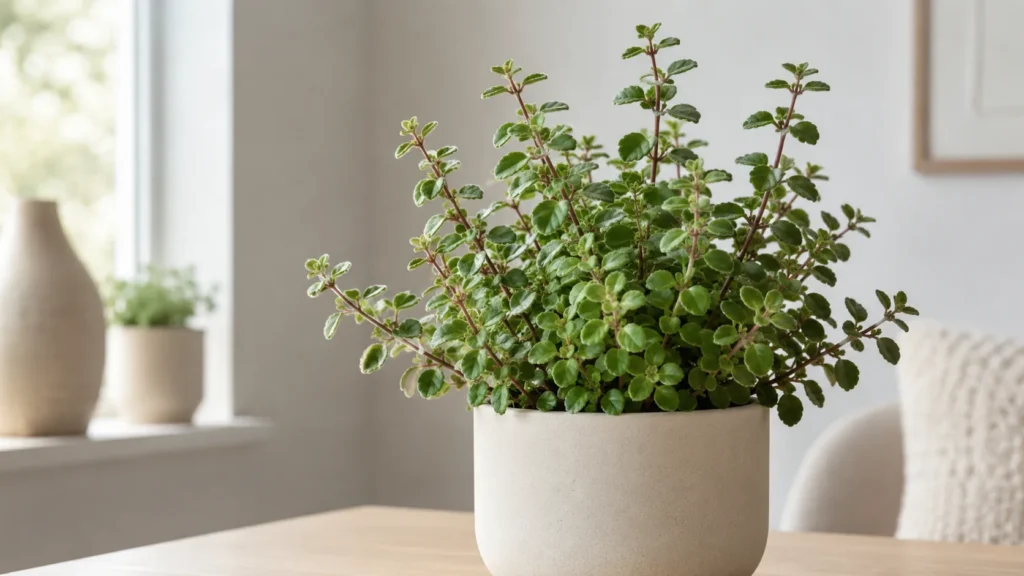
Peperomia verticillata care refers to the cultivation requirements of Peperomia verticillata, a compact, fuzzy-leaved succulent-like houseplant commonly sold as red log peperomia or red log plant. It is valued for its decorative foliage, easy indoor adaptability, and low-maintenance nature, making it a popular choice for beginners and indoor plant collectors alike.
This plant belongs to the genus Peperomia, known for small ornamental species suited to indoor environments. Its thick, textured leaves and reddish stems make it visually distinctive. Most search interest around peperomia verticillata focuses on how to care for it properly, especially watering, light conditions, and preventing root rot.
Quick Summary
- Peperomia verticillata (red log peperomia) needs bright indirect light and infrequent watering
- It is easy to grow indoors and tolerates low humidity
- Overwatering and root rot are the most common issues
- Best grown in well-draining soil and shallow pots
What Is Peperomia Verticillata?
Peperomia verticillata is a tropical perennial plant in the Piperaceae family, native to the Caribbean and parts of South America. It is characterized by fuzzy, slightly succulent leaves arranged in whorls and reddish stems that give it a compact ornamental appearance.
Peperomia belongs to a large tropical plant genus described in botanical classification on Wikipedia (Peperomia).
It is widely known under several common names, including red log peperomia and red log plant. These names refer to its stem color and growth pattern rather than different species. It is primarily grown as an indoor ornamental plant due to its adaptability and small size.
Peperomia Verticillata Common Name Origin
The name “red log” comes from the plant’s reddish stems and upright, slightly woody growth habit. When mature, the stems resemble small clustered logs, especially when viewed from a distance, which led to the popular trade name used in nurseries and houseplant markets.
Peperomia Verticillata vs. Peperomia Rubella
Peperomia verticillata is often confused with Peperomia rubella, another trailing species. However, they differ in structure and growth behavior.
| Feature | Peperomia verticillata | Peperomia rubella |
| Leaf shape | Small, round, fuzzy | Smaller, smoother |
| Stem color | Reddish, upright | Green to reddish trailing |
| Growth habit | Compact, bushy | Trailing/creeping |
| Care needs | Moderate, low water | Similar but slightly more trailing care |
While both belong to the same genus, P. rubella is more trailing, whereas P. verticillata maintains a compact upright form. If you want to explore beyond just these two species, our full Peperomia species and varieties care database covers dozens of cultivars with detailed care notes.
It’s a handy reference when you’re building a mixed Peperomia collection and want consistent care benchmarks.
Is Peperomia Verticillata Easy to Grow Indoors?
Peperomia verticillata is considered easy to grow indoors due to its low maintenance requirements and adaptability to typical household conditions.
It tolerates:
- Medium to bright indirect light
- Inconsistent watering schedules
- Average indoor humidity levels
Its compact size makes it ideal for desks, shelves, and small apartments. Beginners often prefer this plant because it does not require frequent care routines.
Peperomia Verticillata Care Guide
Watering Needs
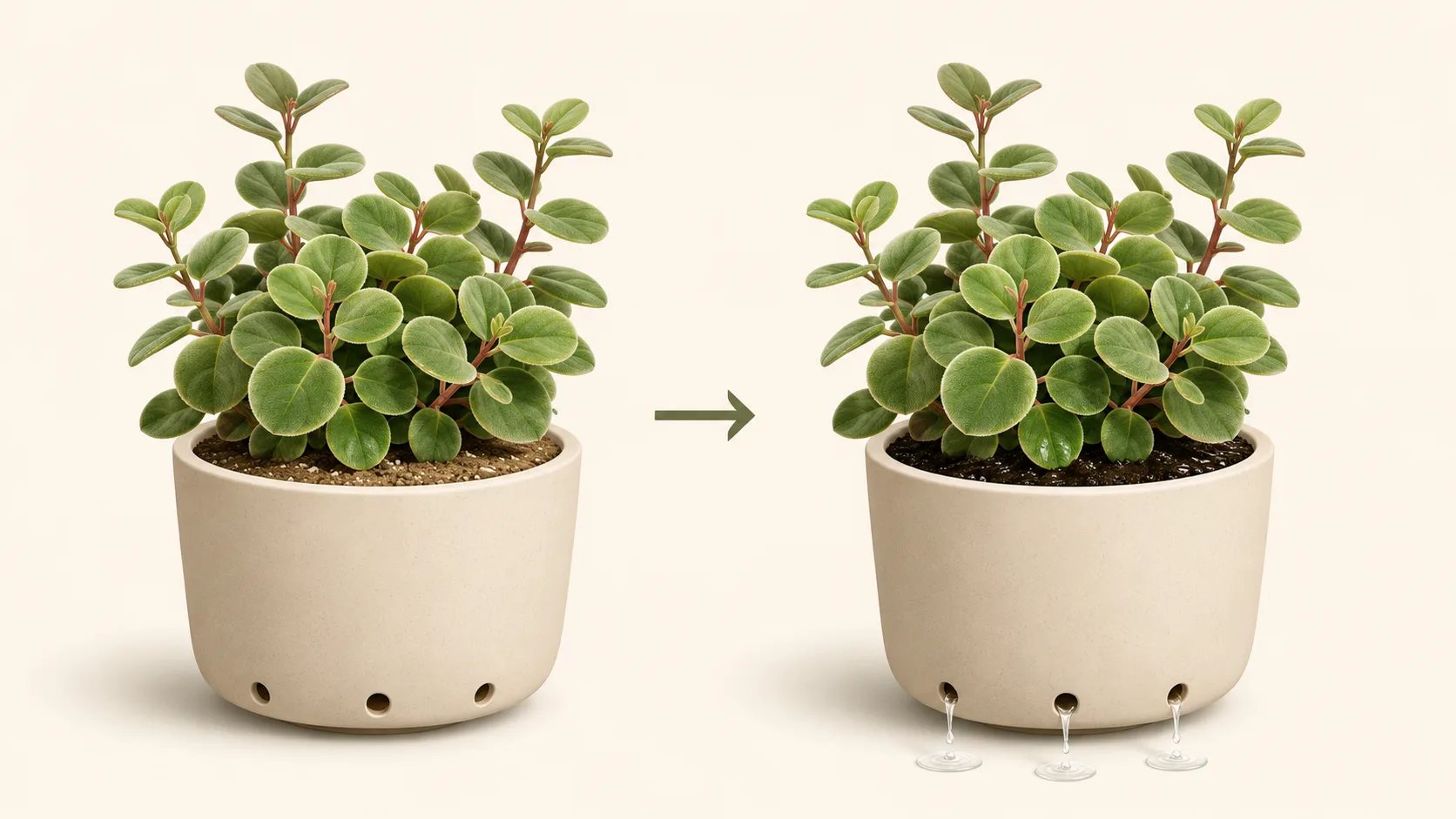
Peperomia verticillata care watering is based on the soak-and-dry method. The soil should be allowed to dry partially before watering again. Similar watering balance is required for larger tropical plants, as explained in How Often to Water a Cheese Plant: Complete Guide.
- Water from the top until excess drains out
- Avoid constantly moist soil
- Bottom watering is acceptable but not necessary
Signs of overwatering include yellow leaves and mushy stems, while underwatering leads to drooping and dry leaf edges. If you want to explore similar low-maintenance foliage plants, see our guide on Maranta Red Plant Care: Complete Indoor Growing Guide.
Light Requirements
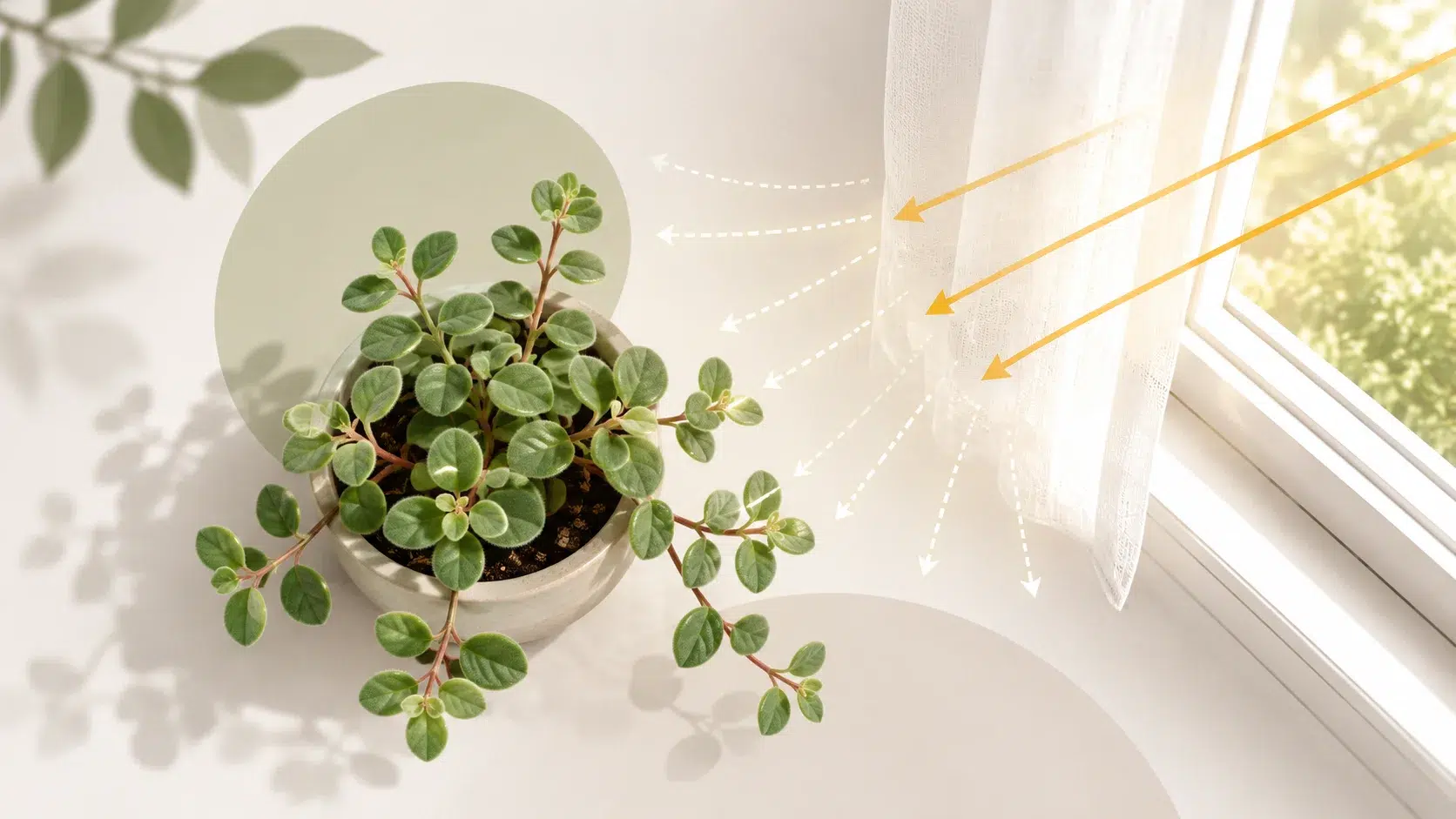
The plant thrives in bright, indirect light but can tolerate medium light conditions.
- Too little light causes legginess
- Direct sunlight can scorch leaves
- Ideal placement is near filtered window light
Plants like Calathea Orbifolia Care Guide: Light, Water & Growth Tips also share similar indirect light requirements for healthy indoor growth.
Soil Preferences
Peperomia verticillata requires well-draining soil similar to succulent mixes.
- Use cactus or succulent soil blend
- Add perlite or bark for aeration
- Avoid heavy, moisture-retaining soil
Other trailing and semi-succulent houseplants like Scindapsus Pictus Care Guide: Light, Soil, Growth Tips also require airy, well-draining soil mixes.
Pot Size and Type
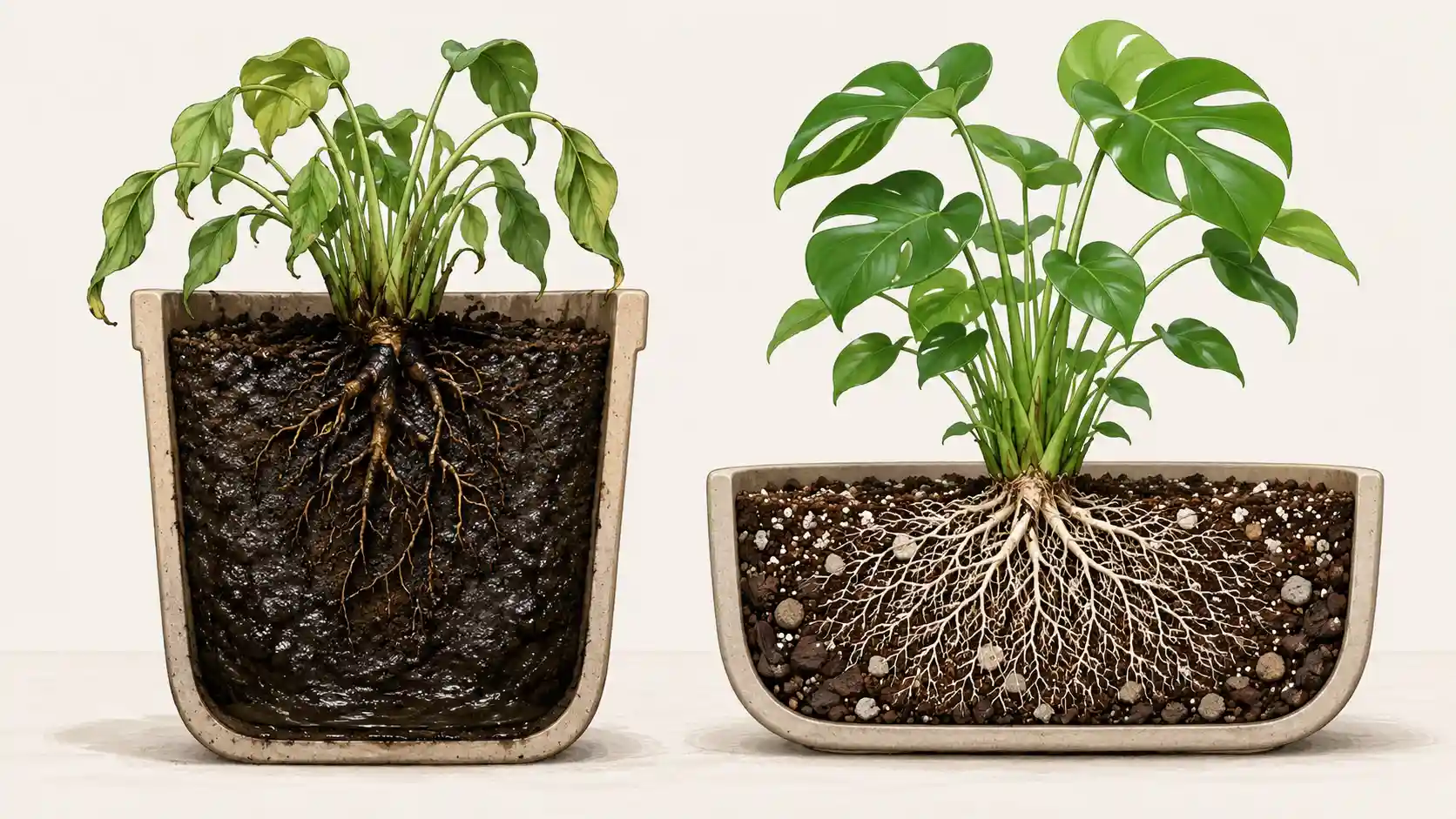
This plant prefers shallow containers due to its small root system.
- Deep pots increase risk of root rot
- Drainage holes are essential
- Terracotta pots help regulate moisture
Fertilization Practices
Feed lightly during the growing season.
- Use diluted balanced fertilizer
- Apply once a month in spring and summer
- Avoid over-fertilization
Climate Tolerance (Indoor vs Outdoor)
Peperomia verticillata prefers warm, stable conditions.
- Ideal temperature: 18–27°C
- Not frost-tolerant
- Can be grown outdoors in shaded tropical/subtropical climates
Best Room Placement
It grows well in most indoor spaces but needs proper airflow.
- Suitable for living rooms and offices
- Bathrooms are acceptable if light is sufficient
- Bedrooms are fine, as it does not affect air quality negatively
Why Is Peperomia Called the Radiator Plant?
The term “radiator plant” is used for many Peperomia species because they naturally thrive in warm environments similar to those near old-style radiators.
These plants prefer:
- Consistent warmth
- Stable indoor temperatures
- Protection from cold drafts
This nickname reflects their tropical origin and warmth-loving nature rather than any direct relationship with heating devices.
Peperomia Verticillata Propagation
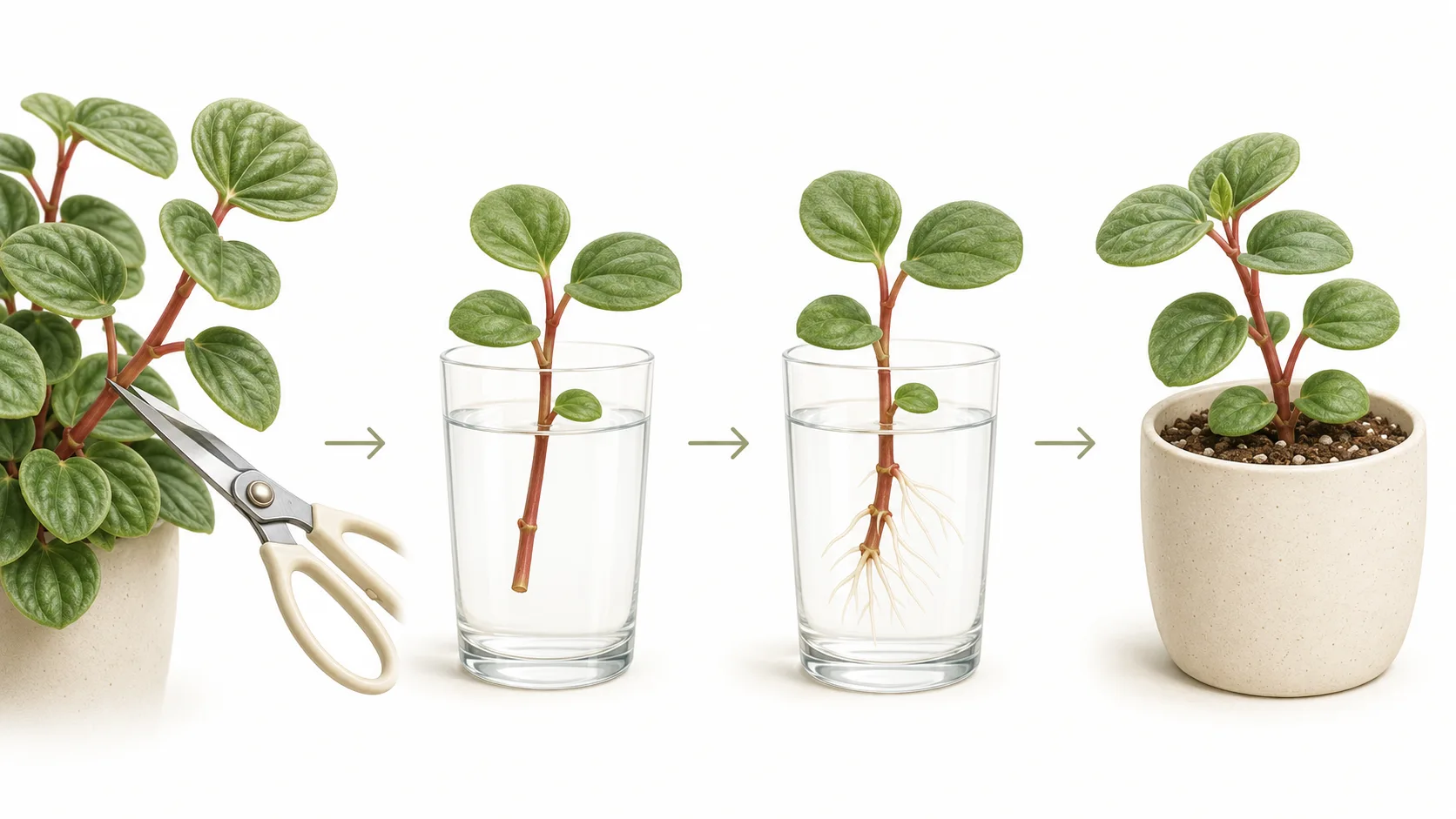
Propagation of peperomia verticillata is simple and effective using stem cuttings.
- Select a healthy stem cutting with a few leaves
- Place in water or moist soil
- Wait for root development (2–4 weeks)
- Transplant once roots are strong
Peperomia verticillata red log propagation works best in warm, bright conditions with indirect light.
How Do I Make My Peperomia Bushy?
To make peperomia verticillata bushy, encourage branching through pruning and proper light exposure.
- Pinch growing tips regularly
- Rotate plant for even growth
- Provide bright indirect light
What to Do With a Leggy Peperomia?
Leggy growth occurs due to insufficient light.
Fixes include:
- Pruning long stems
- Moving plant closer to light
- Propagating cuttings to restart growth
Common Peperomia Verticillata Problems
Peperomia verticillata is generally hardy but can face a few issues. Leaf drop issues are also common in related species, as explained in Peperomia Leaves Falling Off: Causes, Fixes, and Prevention.
| Problem | Cause | Fix |
| Yellowing leaves | Overwatering | Reduce watering, improve drainage |
| Root rot | Poor drainage/deep pots | Repot in fresh soil |
| Slow growth | Low light | Increase indirect light |
| Pest infestation | Mealybugs/gnats | Use insecticidal soap |
Does Hydrogen Peroxide Fix Root Rot?
Hydrogen peroxide may help in mild cases by oxygenating soil and reducing pathogens, but it is not a complete cure. Severe root rot requires trimming affected roots and repotting in fresh, dry soil. To track symptoms and fixes at a glance, we’ve compiled a downloadable Peperomia troubleshooting spreadsheet covering common issues, causes, and treatments.
Bookmark it for quick reference the next time your plant shows signs of stress.
Are Coffee Grounds Good for Peperomia Plants?
Coffee grounds are generally not recommended because they retain moisture and may alter soil pH. Peperomia prefers well-aerated, fast-draining soil conditions.
Is Peperomia Verticillata Toxic to Cats?
Peperomia verticillata is considered non-toxic to cats and dogs according to general Peperomia genus safety data. It is often recommended as a pet-friendly houseplant.
Peperomia Verticillata Lifespan
With proper care, peperomia verticillata can live for 5–10 years or more indoors. Its lifespan depends on watering habits, light exposure, and prevention of root rot.
Peperomia Verticillata Flowering
The plant produces small, rat-tail-like flower spikes that are greenish and non-showy.
- Flowers appear in warm growing seasons
- Mainly ornamental foliage plant
- Blooms are not the main attraction
Peperomia Varieties Compared
| Variety | Leaf Type | Growth Habit | Care Difficulty |
| Peperomia verticillata | Fuzzy, round | Compact upright | Easy |
| Peperomia rubella | Smooth, small | Trailing | Easy |
| Peperomia japonica | Varied green leaves | Low trailing | Moderate |
| Variegated peperomia | Patterned leaves | Upright/trailing | Moderate |
How to Make Peperomia Happy (Summary Best Practices)
Peperomia verticillata thrives when its basic needs are consistently met.
- Provide bright indirect light
- Water only when soil is partially dry
- Use well-draining soil mix
- Avoid deep pots and overwatering
- Maintain warm indoor temperatures
For a deeper side-by-side breakdown beyond this table, our interactive peperomia care comparison matrix lets you filter varieties by light, water, and difficulty level.
It’s especially useful if you’re deciding between verticillata and a trailing species like rubella before you buy.
Conclusion
Peperomia verticillata care focuses on balanced watering, proper light, and well-draining soil to prevent root rot and encourage healthy growth. Known as red log peperomia, it is a beginner-friendly houseplant that thrives in indoor environments with minimal maintenance when its basic needs are respected.
FAQs
What are the common problems with peperomia verticillata?
Common problems include yellow leaves from overwatering, root rot due to poor drainage, slow growth from low light, and occasional pest infestations like mealybugs.
Is peperomia verticillata easy to grow indoors?
Yes, it is easy to grow indoors because it tolerates low humidity, irregular watering, and moderate light conditions.
Do you water Peperomia from top or bottom?
You can water from the top or bottom, but top watering with proper drainage is most commonly used and effective.
Do Peperomia like deep pots?
No, Peperomia prefers shallow pots because deep containers retain excess moisture and increase the risk of root rot.
What is the lifespan of a peperomia plant?
A healthy peperomia plant can live between 5–10 years or more with proper care.
Why is Peperomia called the radiator plant?
It is called a radiator plant because it thrives in warm indoor environments, similar to conditions near heating sources.