
Introduction
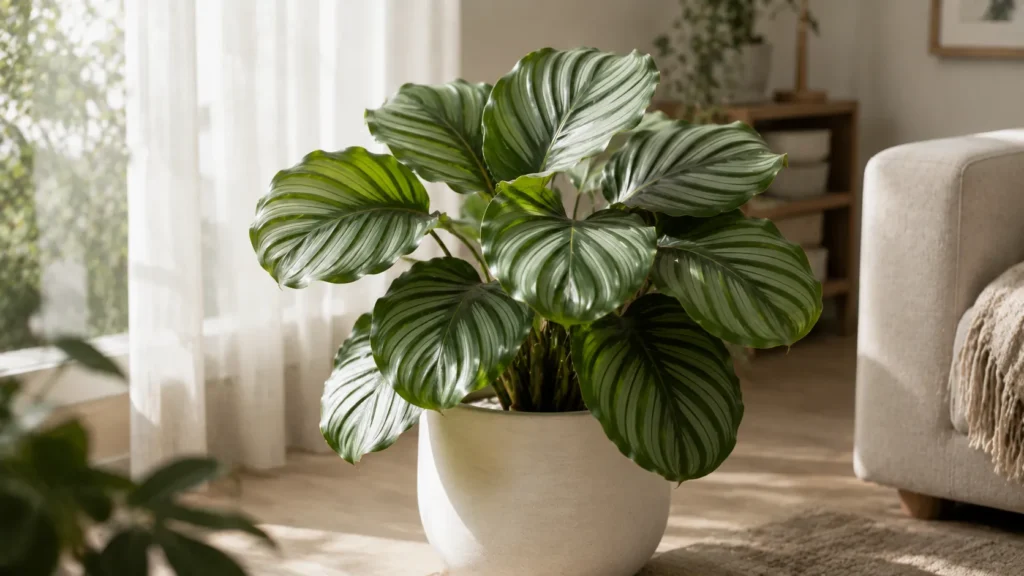
Calathea orbifolia, also known as Goeppertia orbifolia, is one of the most visually striking tropical houseplants, recognized for its large, round leaves decorated with soft silver-green stripes. Native to the humid rainforests of Bolivia, this plant naturally grows under warm, shaded, and highly humid conditions. It has become a favorite among indoor plant lovers due to its bold foliage and elegant appearance. However, its care requirements are more specific than many common houseplants, especially regarding humidity, watering quality, and light conditions. Understanding its natural environment is essential for keeping it healthy and vibrant indoors.
Calathea orbifolia is part of a broader group of tropical indoor plants such as Calathea Roseopicta Medallion Care Guide and Calathea Majestica White Star Care & Guide that share similar humidity and light requirements.
Quick Summary
- Thrives in indirect light, consistently moist soil, and high humidity above 60%.
- Highly sensitive to fluoride, chlorine, and salts in tap water.
- Brown edges and yellow leaves are the most common care issues.
- Only propagation method is root division during repotting.
- Requires stable environmental conditions for long-term health.
What Is Calathea Orbifolia?
Botanical Identity and Classification
Calathea orbifolia belongs to the Marantaceae family and is now botanically classified as Goeppertia orbifolia. Despite this reclassification, the older name “Calathea orbifolia” is still widely used in nurseries and plant care guides.
It belongs to the same indoor foliage plant ecosystem as Alocasia Zebrina Care Guide: Complete Indoor Growing Tips and Alocasia Amazonica Care Indoors, which thrive in similar tropical environments.
Common Names and Origin
It is commonly called orbifolia plant or round-leaf calathea. It originates from Bolivia’s tropical rainforests, where it grows in shaded understories with constant humidity and filtered light.
Prayer Plant Behavior
Calathea orbifolia is part of the prayer plant group. Its leaves naturally move up and down between day and night, a process called nyctinasty, which helps the plant respond to light changes.
Is Calathea Orbifolia Easy to Care For?
Calathea orbifolia is considered an intermediate-level houseplant because it requires consistent humidity, stable watering, and careful light management.
Care Difficulty Overview
| Care Factor | Difficulty Level |
| Watering | Moderate |
| Humidity | High demand |
| Light | Easy to manage |
| Fertilizing | Low need |
| Repotting | Infrequent |
It is more sensitive than beginner plants like pothos or snake plants because it reacts quickly to environmental stress such as dry air or poor water quality.
Calathea Orbifolia Light Requirements
What Bright Indirect Light Means
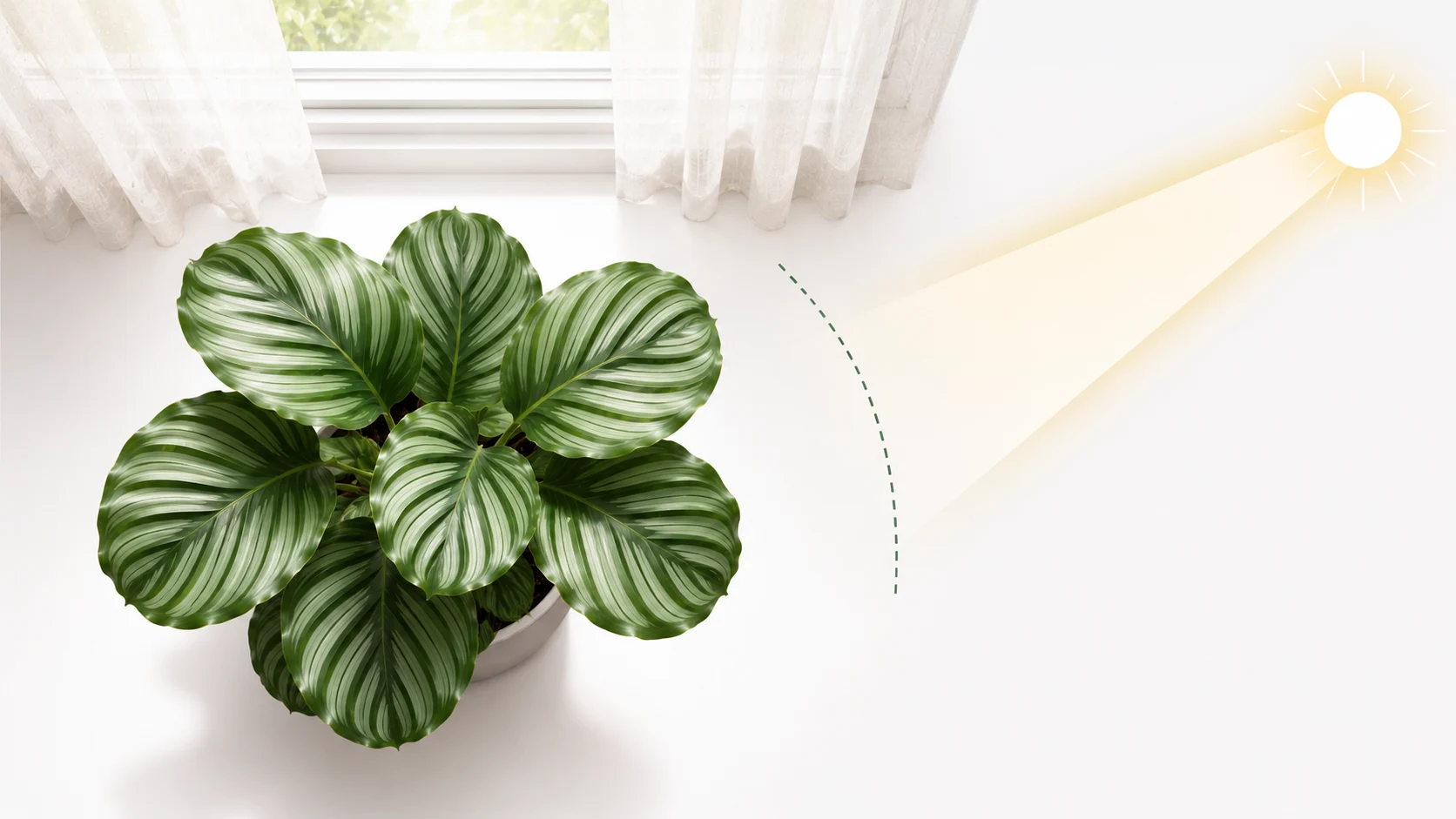
Bright indirect light refers to a well-lit environment where sunlight is filtered before reaching the leaves. The plant receives brightness without direct sun exposure.
Best Indoor Placement
Ideal locations include north-facing or east-facing windows, or any bright room with filtered sunlight.
Effects of Improper Light
Direct sunlight causes leaf burn, fading, and crispy edges, while low light slows growth and reduces leaf vibrancy.
How to Water Calathea Orbifolia Correctly
Watering Frequency
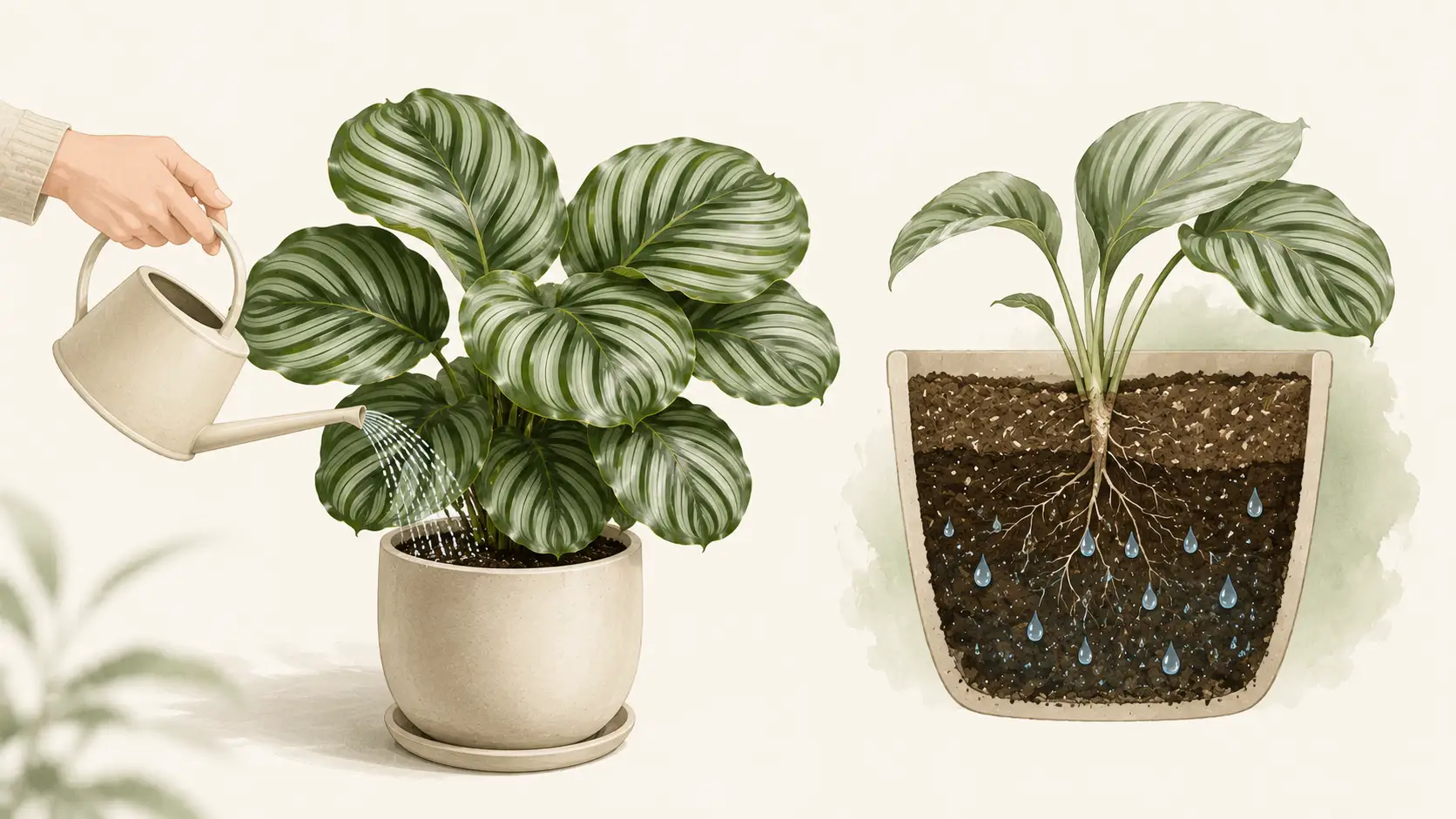
Calathea orbifolia should generally be watered every 7–10 days. The top inch of soil should be slightly dry before watering again.
Water Quality Requirements
This plant is extremely sensitive to chemicals like fluoride and chlorine. Filtered water, rainwater, or distilled water is strongly recommended.
Seasonal Watering Changes
During spring and summer, watering is more frequent due to active growth. In fall and winter, watering should be reduced.
Signs of Watering Issues
Overwatering leads to yellow leaves and root rot, while underwatering causes curling, drooping, and dry edges.
Overwatering issues are also common in plants like Syngonium Leaves Turning Yellow: Causes and Solutions and Peperomia Leaves Falling Off: Causes, Fixes, and Prevention, making consistent moisture control essential.
How to Water Calathea Orbifolia in Water (Semi-Hydro)
Is Semi-Hydro Growth Possible?
Calathea orbifolia can survive in semi-hydroponic setups, but it requires strict monitoring and stable conditions.
Key Requirements
It needs clean water, mild nutrient solutions, oxygenated root zones, and consistent humidity to avoid stress or decline.
Humidity and Temperature Needs
Ideal Humidity Level
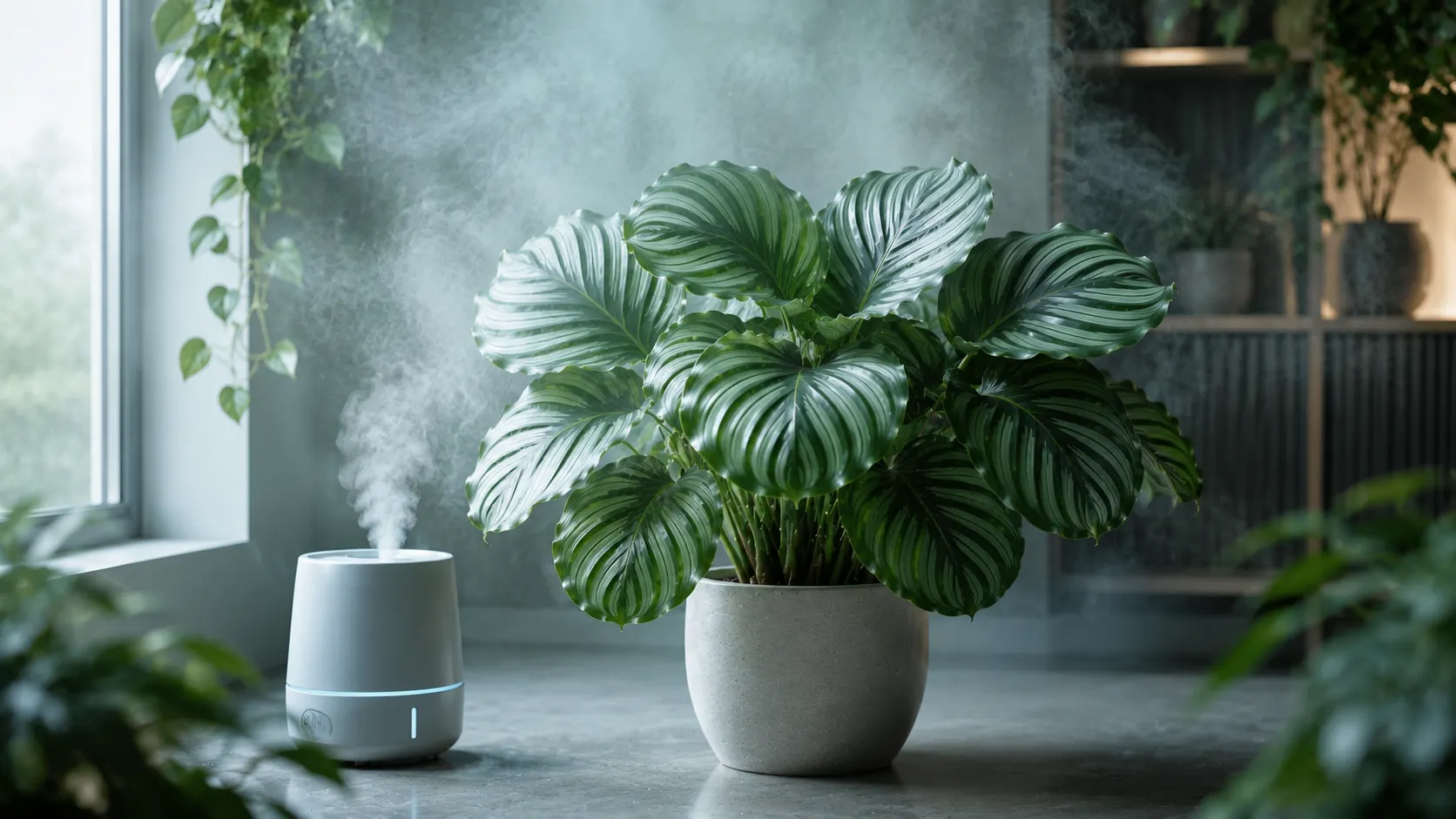
Calathea orbifolia thrives in humidity above 60%, ideally higher in dry climates.
How to Maintain Humidity
Humidifiers, pebble trays, and grouping plants together are effective methods for maintaining moisture in the air.
Temperature Range
The ideal range is 18°C to 27°C. It should be protected from cold drafts and heating vents.
Effects of Low Humidity
Low humidity causes brown edges, curling leaves, and stunted growth.
Similar humidity-sensitive plants include Monstera Adansonii Hanging or Climbing and Dracaena fragrans Care Guide: Complete Indoor Growing Tips, which also struggle in dry indoor air.
Soil and Potting Mix
Ideal Soil Type
The plant prefers a well-draining, moisture-retentive, slightly acidic soil mix.
Recommended DIY Mix
A balanced mix includes potting soil, perlite, and orchid bark for aeration and drainage.
Why Soil Matters
Poor drainage leads to water retention, which increases the risk of root rot.
Calathea Orbifolia Fertilizer Guide
Fertilizer Type and Schedule
A balanced liquid fertilizer diluted to half strength is recommended during the growing season (spring and summer). No fertilizing is needed in winter.
Risks of Over-Fertilizing
Excess fertilizer causes brown leaf tips and salt buildup in soil, which can damage roots over time.
Plant Size and Growth Rate
Plant Size
Calathea orbifolia typically grows 1–2 feet tall indoors with a similar spread. Leaves can reach 8–12 inches in width under optimal conditions.
Growth Rate
It is a moderate grower, producing new leaves regularly during spring and summer. Growth slows significantly in winter.
Calathea Orbifolia Repotting Guide
When to Repot
Repot every 1–2 years or when roots begin to outgrow the pot. Spring is the best time for repotting.
Signs Repotting Is Needed
Roots growing from drainage holes, slowed growth, and water passing quickly through soil are key indicators.
Repotting Steps
- Choose a pot 1–2 inches larger
- Gently loosen roots
- Replace with fresh soil mix
- Water thoroughly after repotting
Do Calatheas Like to Be Root Bound?
Calatheas prefer slightly snug pots but do not tolerate severe root binding.
Snug vs Cramped Roots
A mildly tight root system is acceptable, but excessive crowding leads to stress, yellowing leaves, and reduced growth.
Calathea Orbifolia Propagation Methods
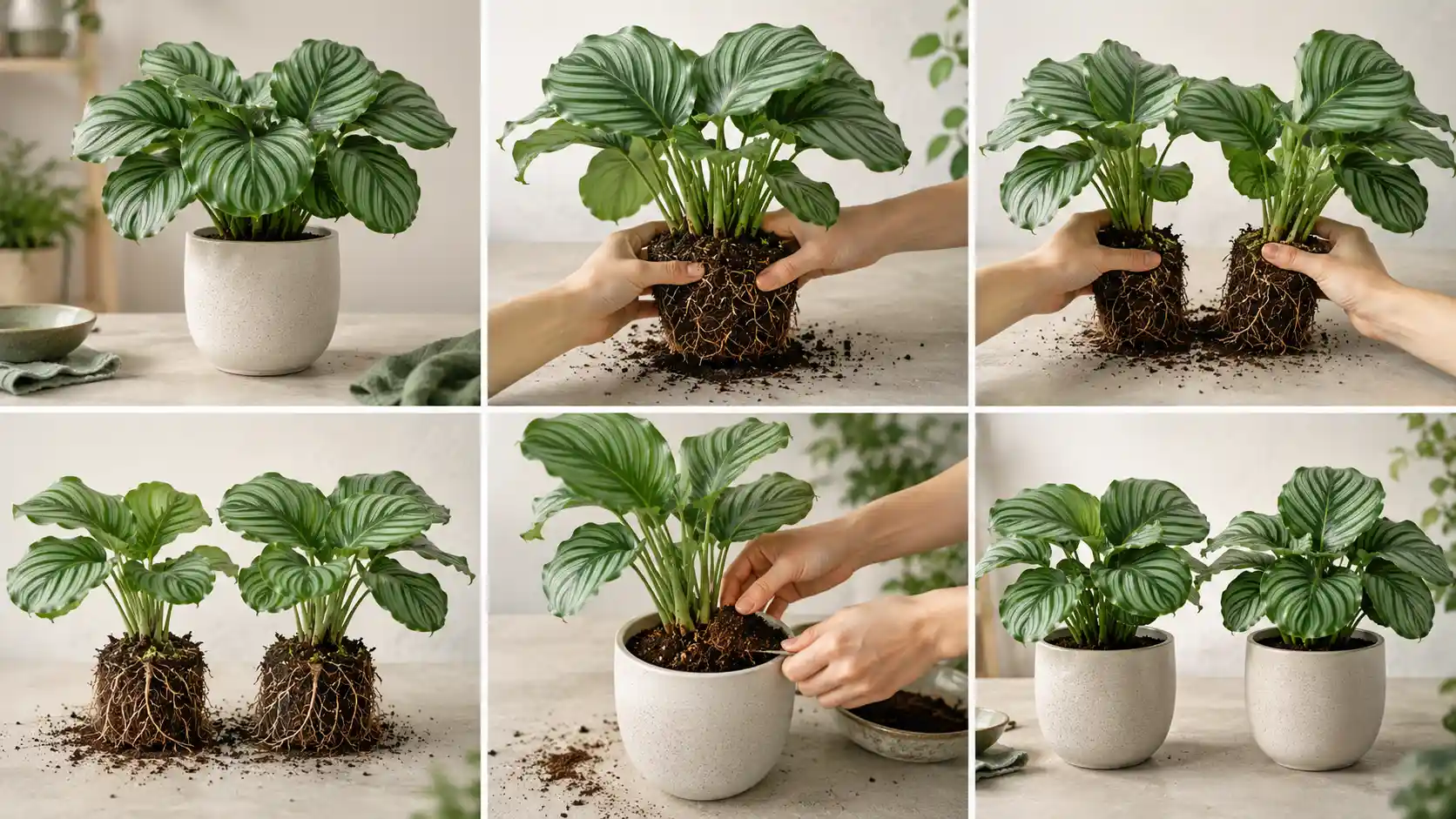
Can It Be Propagated From Cuttings?
Calathea orbifolia cannot be propagated from stem or leaf cuttings.
Root Division Method
The only effective method is root division during repotting.
Division Steps
- Remove plant from pot
- Identify natural root sections
- Separate gently, ensuring each section has roots and leaves
- Plant in fresh soil
- Maintain high humidity until established
Propagation in water is not recommended as a reliable method.
Calathea Orbifolia Benefits
Aesthetic Value
Its large patterned leaves make it a premium decorative indoor plant.
Prayer Plant Movement
The nightly leaf movement adds dynamic visual interest.
Air Quality and Safety
While air purification benefits are limited in practical terms, the plant is considered non-toxic to cats and dogs, making it pet-safe.
Seasonal Care Guide
Spring and Summer
This is the active growth phase. Increase watering frequency and apply light fertilization.
Fall and Winter
Reduce watering and stop fertilizing. Monitor indoor heating effects, which may dry the air.
Common Calathea Orbifolia Problems and Fixes
Brown Edges and Tips
Caused by low humidity, tap water chemicals, or dry air. Fix by increasing humidity and using filtered water.
Yellow Leaves
Often caused by overwatering or poor drainage. Check soil moisture and roots.
Curling and Drooping Leaves
Usually due to underwatering, cold drafts, or low humidity. Adjust watering and environment.
Crispy Brown Leaves
Caused by direct sunlight or salt buildup. Improve light conditions and flush soil if needed.
Saving a Struggling Plant
Identify the issue first, correct watering or humidity, and repot if root rot is present.
Many of these stress symptoms are also seen in indoor plants like Sansevieria Laurentii Care Guide: Complete Indoor Tips when environmental conditions are not stable.
Calathea Orbifolia vs Other Varieties
| Feature | Orbifolia | Ornata | Rufibarba |
| Leaf Pattern | Silver stripes | Pink pinstripes | Velvety green |
| Humidity Need | Very high | High | Moderate–high |
| Care Difficulty | Intermediate | Intermediate | Easier |
| Leaf Size | Very large | Medium | Medium |
Common Beginner Mistakes
- Using untreated tap water
- Placing in direct sunlight
- Overwatering in winter
- Using oversized pots
- Mistaking misting for proper humidity control
- Ignoring early root rot signs
Conclusion
Calathea orbifolia is a stunning tropical houseplant that thrives when its natural rainforest conditions are carefully replicated indoors. It requires indirect light, high humidity, filtered water, and well-draining soil to stay healthy. While it is more demanding than beginner plants, consistent care prevents most common issues such as brown edges, yellow leaves, and drooping. With the right routine, Calathea orbifolia becomes a long-lasting, visually striking addition to any indoor plant collection. For broader botanical classification and plant taxonomy details, see Goeppertia on Wikipedia.
This guide is part of a larger collection of plant care resources under Plants Benefits and Guides, covering indoor, outdoor, and tropical species.
FAQs
Are Calathea orbifolia easy to care for?
It is an intermediate-care plant that requires stable humidity, proper watering, and filtered light.
How often should you water Calathea orbifolia?
Typically every 7–10 days, depending on season and soil moisture levels.
Why does my Calathea orbifolia have brown edges?
Usually due to low humidity, tap water chemicals, or dry indoor air.
Do calatheas like to be root bound?
They tolerate slightly snug roots but suffer when severely root bound.
How do I propagate Calathea orbifolia?
Only through root division during repotting; cuttings do not work.
What are the benefits of Calathea orbifolia?
It offers aesthetic value, pet safety, and decorative prayer plant movement.
How do I save my Calathea orbifolia?
Identify the issue (water, light, humidity), correct conditions, and repot if root rot is present.



4 Responses