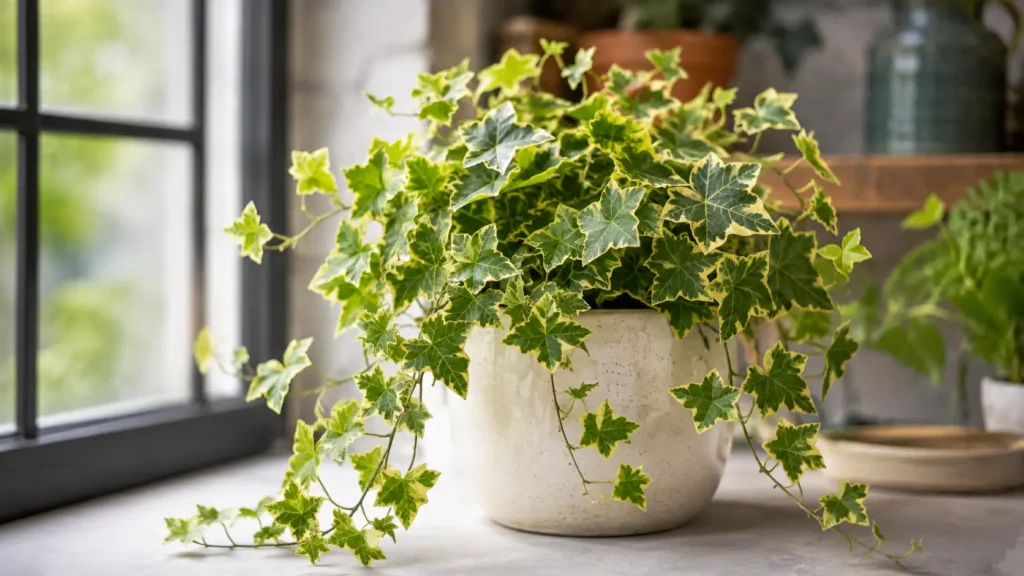
Hedera helix ‘Gold Child’ is a variegated English ivy cultivar featuring small, triangular green leaves edged with creamy-yellow to gold margins. According to Manuela Nogueira, it’s a vigorous, self-clinging climber and trailing groundcover hardy in USDA zones 5-9, thriving in partial shade with well-drained soil, commonly grown in containers, hanging baskets, and as wall cover.
Like most ivies, ‘Gold Child’ stays in its juvenile, non-flowering form for years; only mature, tree-climbing specimens produce greenish flower umbels followed by black berries. All parts contain saponins mildly toxic to pets and skin, and its gold variegation tends to fade toward solid green when grown in deep shade.
Quick Summary
- Hedera Gold Child (Hedera helix ‘Gold Child’) is a variegated English ivy cultivar with gold-green margined leaves and was named Ivy of the Year by the American Ivy Society.
- It grows slowly to moderately, reaching around 3 feet as a ground cover or container plant and up to about 10 feet when trained as a climber.
- Gold Child ivy prefers bright indirect light, evenly moist well-drained soil, and is often best grown in containers because English ivy can become invasive.
- All Hedera helix cultivars are toxic to cats, dogs, and humans if eaten, and English ivy is restricted in some regions because of invasive growth concerns.
- Proper pruning, controlled planting, and suitable indoor conditions help maintain its decorative variegated appearance.
What Is Gold Child Ivy? (Identity & Naming)
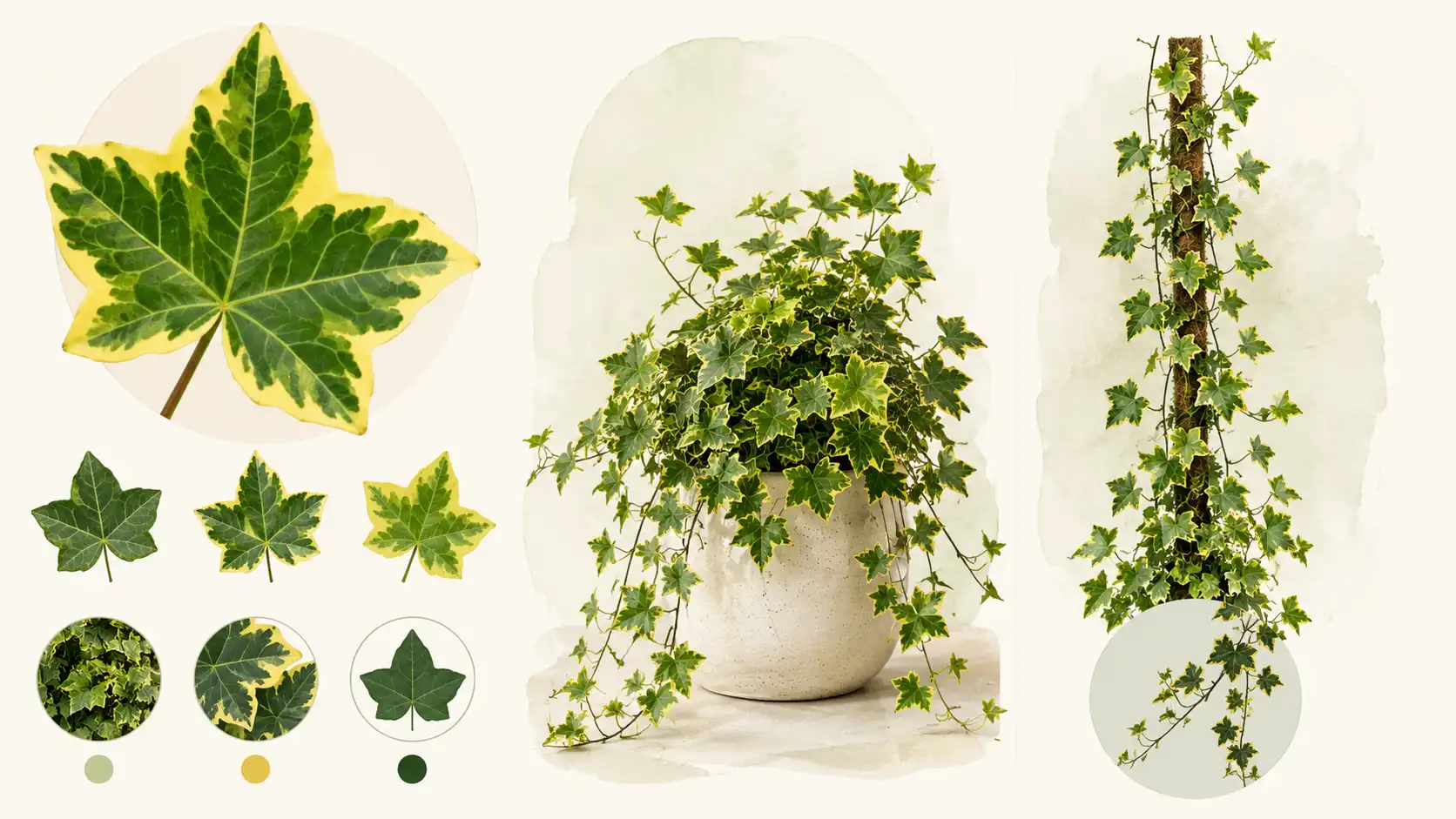
Gold Child Ivy is a variegated cultivar of English ivy scientifically known as Hedera helix ‘Gold Child’. It is recognized for its small, lobed green leaves bordered with golden-yellow or cream-colored margins. The plant is an evergreen vine in the Araliaceae family and is grown mainly as an ornamental foliage plant.
Like other variegated ornamental plants, such as Variegated Monstera Deliciosa, Gold Child Ivy is valued for unique leaf patterns that make foliage plants popular among indoor gardeners.
The names gold child ivy, goldchild ivy, golden child ivy, gold child English ivy, gold baby ivy, ivy gold child, and gold child plant all refer to the same cultivar. These names are commonly used interchangeably by gardeners and plant sellers, although the accepted botanical name remains Hedera helix ‘Gold Child’.
Gold Child ivy is valued because it combines the classic climbing habit of English ivy with a brighter ornamental appearance. It can trail from hanging baskets, spill over containers, climb supports, or spread as a controlled ground cover when managed properly.
Is Hedera the Same as Ivy?
Hedera is the botanical genus name for true ivy plants, while “ivy” is the common name used by gardeners. The genus includes several ivy species, with Hedera helix being the most widely recognized as English ivy.
However, the word “ivy” is also used for unrelated plants that are not members of the Hedera genus.
Examples include:
- Devil’s ivy or pothos (Epipremnum aureum), which is a tropical aroid and not a true ivy.
- Boston ivy (Parthenocissus tricuspidata), a climbing vine from the grape family.
- Poison ivy (Toxicodendron radicans), which is unrelated to true ivy and causes skin irritation.
Therefore, Hedera refers specifically to true ivy species, while the common term “ivy” may describe several unrelated climbing plants.
Is Gold Child Ivy the Same as English Ivy?
Gold Child Ivy is a cultivar of English ivy, not a separate species. It belongs to Hedera helix, the same species as common green English ivy, but it has been selected for its distinctive variegated leaves.
The relationship can be explained as:
| Plant Name | Classification |
| English ivy | Species: Hedera helix |
| Common green ivy | Non-variegated form of Hedera helix |
| Gold Child ivy | Cultivar: Hedera helix ‘Gold Child’ |
| Goldfinch ivy | Another variegated ivy cultivar |
Because Gold Child is still English ivy, it shares many characteristics with the species form, including evergreen growth, climbing ability, similar care requirements, and the same toxicity concerns.
Gold Child Ivy Plant Size
Gold Child ivy size depends strongly on growing conditions, support structures, pruning, and whether it is grown indoors or outdoors. As a controlled ornamental plant, it usually remains compact, but outdoor vines can become much larger when allowed to climb.
Typical size expectations include:
- Outdoor climbing form: Can reach approximately 10 feet in length or height when supported by a trellis, wall, or other structure.
- Ground cover or container growth: Usually remains around 2–3 feet in spread when regularly pruned.
- Indoor growth: Typically stays smaller because containers restrict root growth and indoor conditions provide less intense growing conditions.
Factors affecting Gold Child ivy size include:
- Light availability: Brighter indirect light encourages healthier, fuller growth.
- Container size: Larger pots allow more root development and larger growth.
- Pruning: Regular trimming keeps vines compact and encourages branching.
- Growing environment: Outdoor plants generally grow larger than indoor specimens.
Although Gold Child can climb and spread, its variegated foliage generally grows more slowly than plain green English ivy.
Growth Rate of Gold Child Ivy
Gold Child ivy is generally considered a slow-to-medium growing plant, especially compared with the faster growth rate of standard green English ivy. Variegated cultivars often grow slower because less green leaf tissue means reduced chlorophyll production and slightly lower photosynthetic efficiency.
Growth patterns typically include:
- Spring and summer: Active growth occurs when temperatures, light, and moisture levels are favorable.
- Autumn: Growth may slow as temperatures decrease.
- Winter: Outdoor plants may enter a semi-dormant period, especially in colder climates.
Environmental conditions that influence growth rate include:
- Bright indirect light or filtered sunlight.
- Consistent moisture without waterlogged soil.
- Moderate humidity.
- Temperatures between approximately 50–75°F (10–24°C).
- Regular but balanced feeding during active growth.
A Gold Child ivy grown indoors with low light may grow very slowly and may lose some of its attractive variegation. Outdoor plants with proper support can eventually create longer vines but usually remain less aggressive than plain English ivy.
Is Hedera Ivy Fast Growing?
English ivy species can be fast-growing and aggressive, especially the standard green forms of Hedera helix. However, Gold Child ivy is slower because it is a variegated cultivar.
The difference is mainly related to leaf pigmentation:
- Green ivy contains more chlorophyll and produces energy more efficiently.
- Variegated ivy has lighter leaf areas with less chlorophyll.
- Reduced chlorophyll often results in slower overall growth.
Therefore, while English ivy as a species has a reputation for vigorous spreading, Gold Child ivy is usually more manageable in gardens and containers.
Which Ivy Is the Fastest Growing?
The fastest-growing ivy types are generally plain green forms of Hedera helix, which can quickly cover large areas when conditions are suitable.
A general comparison:
| Ivy Type | Growth Speed | Characteristics |
| Plain green English ivy (Hedera helix) | Fast | Vigorous spreader, strong climbing ability |
| Gold Child ivy (Hedera helix ‘Gold Child’) | Slow to moderate | Variegated leaves, more decorative, less aggressive |
| Other variegated ivy cultivars | Slow to moderate | Attractive foliage, slower expansion |
Variegated cultivars are usually preferred for decorative containers because they provide visual interest while being easier to manage.
Does Gold Child Ivy Climb? (Growth Habit)
Yes, Gold Child ivy can climb. It produces small aerial rootlets along its stems that help it attach to surfaces such as bark, stone, walls, and other structures. This self-clinging habit allows it to grow vertically without traditional twining.
Gold Child ivy can be grown as:
- A climbing vine on trellises or supports.
- A trailing plant in hanging baskets.
- A cascading container plant.
- A controlled ground cover.
When grown indoors, it is commonly allowed to trail from shelves or hanging containers. Outdoors, gardeners often provide a structure to guide its climbing habit.
Although it can attach to surfaces, allowing English ivy to grow uncontrolled on buildings or trees is not recommended because mature vines may contribute to structural or ecological problems.
How to Care for a Gold Child Ivy Plant (Care Guide)
Gold Child ivy care is relatively simple when the plant receives suitable light, balanced moisture, and regular maintenance. It adapts well to indoor containers and protected outdoor areas. Regular leaf maintenance helps Gold Child Ivy maintain its attractive foliage, and cleaning leaves properly can improve appearance while preventing dust buildup on indoor plants.
Light Requirements
Gold Child ivy grows best in bright indirect light or filtered sunlight. Adequate light helps maintain the yellow and cream variegation that makes this cultivar attractive.
Light guidelines:
- Bright indirect light produces stronger growth and clearer leaf patterns.
- Low light can cause leaves to become greener as the plant produces more chlorophyll.
- Strong direct afternoon sun may scorch the lighter variegated areas.
Indoor plants usually perform best near an east-facing or north-facing window with filtered light.
Watering Needs
Gold Child ivy prefers soil that stays slightly moist but never constantly wet. Allowing the top layer of soil to dry slightly between waterings helps prevent root problems.
Watering practices:
- Check the top 1–2 inches of soil before watering.
- Water thoroughly until excess drains from the pot.
- Avoid leaving the container sitting in standing water.
- Reduce watering during winter when growth slows.
Both overwatering and severe drying can cause leaf yellowing and decline.
Soil Preferences
Gold Child ivy grows best in rich, well-draining soil that allows oxygen to reach the roots.
Suitable soil characteristics include:
- Organic matter for moisture retention.
- Good drainage to prevent root rot.
- Slightly acidic to neutral pH conditions.
A standard indoor potting mix amended with perlite or another drainage material works well for container-grown plants.
Fertilization Practices
Gold Child ivy benefits from regular feeding during active growth periods.
Recommended approach:
- Apply a balanced liquid fertilizer or nitrogen-focused fertilizer about once a month during spring and summer.
- Reduce or stop fertilizing during winter dormancy.
- Avoid excessive fertilizer, which can cause weak growth or salt buildup.
Pruning Considerations
Pruning helps maintain Gold Child ivy’s compact shape and encourages fuller growth.
Pruning tips:
- Remove damaged, yellow, or unhealthy leaves.
- Trim long trailing stems to encourage branching.
- Perform major shaping in early spring before strong seasonal growth begins.
- Use clean pruning tools to reduce disease risk.
Climate Tolerance
Gold Child ivy is an evergreen cultivar that tolerates a range of conditions. It is cold-hardy in many temperate regions and can tolerate urban pollution better than many ornamental plants.
Outdoor care considerations:
- Protect plants from extreme winter exposure.
- Apply mulch in colder exposed locations.
- Provide shade protection in very hot climates.
- Avoid planting where uncontrolled spreading could become a problem.
Is Gold Child Ivy Easy to Care For?
Yes, Gold Child ivy is considered relatively easy to care for because it adapts well to containers, tolerates average indoor conditions, and requires only basic maintenance. However, it performs best when its specific needs for light, moisture, and pruning are met.
Gardeners interested in decorative ivy varieties can also explore other indoor ivy options, such as Starling Ivy, which shares similar trailing growth habits and container-growing requirements.
The plant is low-maintenance compared with many ornamental foliage plants, but beginners should pay attention to:
- Light quality: Insufficient light can reduce the attractive gold variegation.
- Water balance: Overwatering is one of the most common causes of yellow leaves and root problems.
- Indoor humidity: Dry air can encourage spider mites, especially during winter.
- Regular trimming: Without pruning, stems may become long and sparse.
For indoor growing, Gold Child ivy care involves providing bright indirect light, allowing slight soil drying between watering, and maintaining good airflow. For outdoor growing, controlled planting is important because English ivy cultivars can spread beyond intended areas.
Overall, Hedera Gold Child care is simple when the plant is grown responsibly in a suitable container or managed landscape location.
Gold Child Ivy Care at a Glance
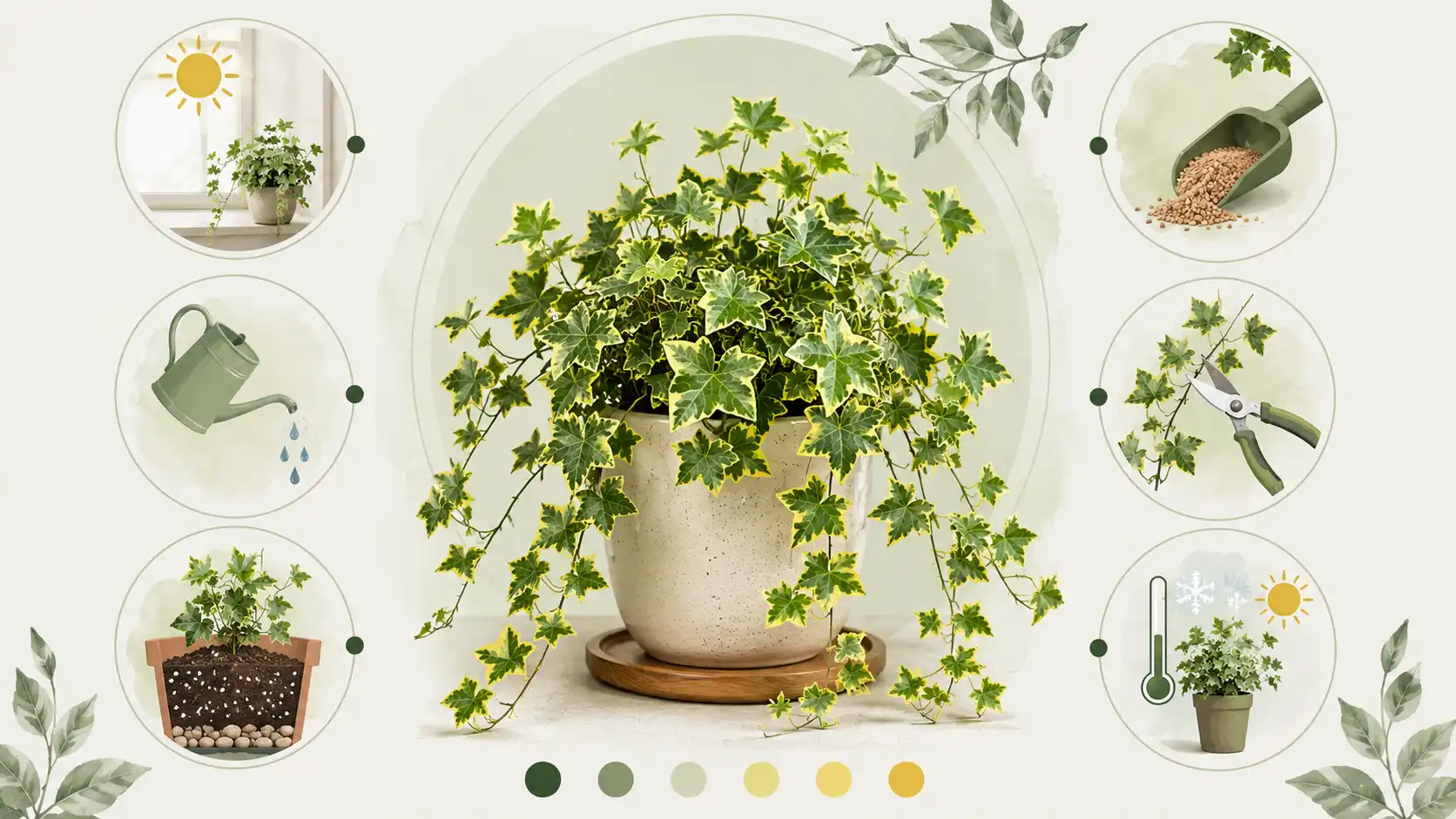
| Care Factor | Requirements |
| Light | Bright indirect light or filtered sunlight; avoid harsh direct sun |
| Water | Keep soil slightly moist; allow the top layer to dry before watering |
| Soil | Rich, well-draining soil with good aeration |
| Fertilizer | Balanced fertilizer monthly during spring and summer |
| Pruning | Trim regularly to maintain shape; major pruning is best in early spring |
| Climate | Evergreen and adaptable; protect from extreme heat or cold |
Comparison — Gold Child Ivy vs. Other Ivy Types
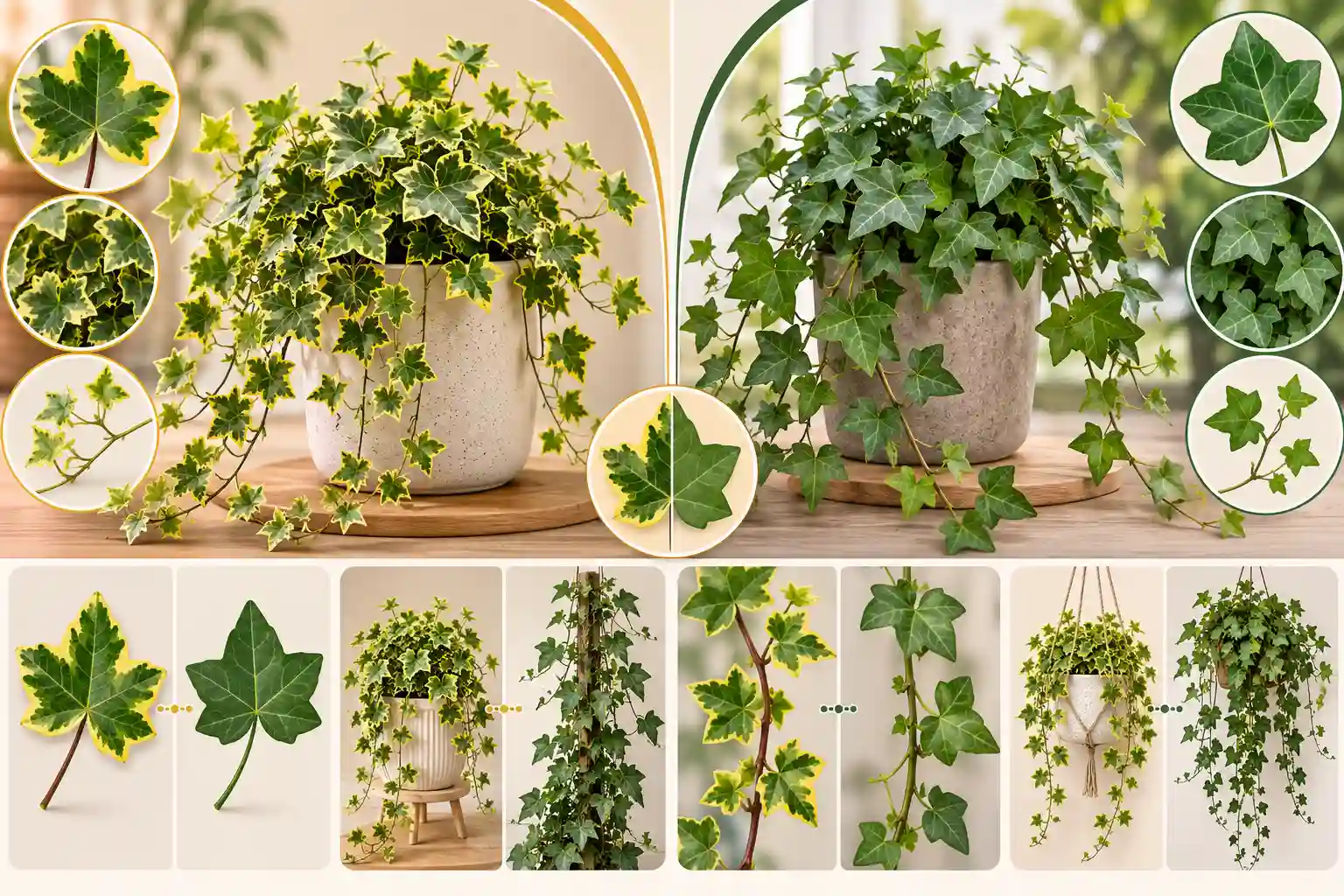
Gold Child ivy is often compared with other ivy varieties because gardeners want to know how it differs from common English ivy and which type provides the most attractive foliage. The main differences involve leaf color, growth speed, and how aggressively the plant spreads.
Gold Child Ivy is one example of a variegated ivy cultivar, and other varieties with contrasting leaf margins can be compared in our guide to Ivy With White Edges, which explains identification features and care differences.
Gold Child Ivy vs. Common Green English Ivy
Gold Child ivy and common green English ivy belong to the same species, Hedera helix, but they differ significantly in appearance and growth behavior.
| Feature | Gold Child Ivy | Common Green English Ivy |
| Botanical name | Hedera helix ‘Gold Child’ | Hedera helix |
| Leaf color | Green leaves with yellow or cream margins | Solid green leaves |
| Growth rate | Slow to moderate | Faster and more vigorous |
| Appearance | Decorative variegated foliage | Classic evergreen vine |
| Invasiveness | Lower spread potential but still requires control | Highly invasive in some regions |
| Best use | Containers, hanging baskets, controlled displays | Ground cover where legally appropriate |
The main advantage of Gold Child ivy is its ornamental foliage. The slower growth rate makes it easier to manage compared with plain green English ivy.
What Is the Prettiest Ivy Plant?
The prettiest ivy plant is subjective because gardeners prefer different leaf shapes, colors, and growth habits. However, Gold Child ivy is frequently considered one of the most attractive ivy cultivars because of its bright variegated leaves and compact growth.
Gold Child ivy has received recognition from plant organizations, including being named Ivy of the Year by the American Ivy Society. It has also received the Royal Horticultural Society Award of Garden Merit, which recognizes plants with strong garden performance.
Common attractive ivy varieties include:
| Ivy Type | Leaf Color | Growth Rate | Best Use |
| Gold Child ivy | Green leaves with golden margins | Slow to moderate | Containers, hanging baskets, decorative displays |
| Plain English ivy | Dark green | Fast | Ground cover and climbing areas where appropriate |
| Golden Heart ivy | Green leaves with golden centers | Moderate | Indoor containers and ornamental planting |
Gold Child is often chosen by gardeners who want the classic ivy appearance with a brighter, more decorative foliage pattern.
Is Gold Child Ivy Invasive?
Gold Child ivy can be invasive because it is a cultivar of Hedera helix, a species that has become invasive in several regions. Although variegated cultivars like Gold Child generally spread more slowly than green English ivy, they can still escape cultivation under favorable conditions.
Gold Child Ivy belongs to the species Hedera helix, commonly known as English ivy, a plant known for both ornamental use and invasive behavior in some regions.
English ivy invasiveness concerns include:
- Covering native vegetation and reducing biodiversity.
- Smothering young trees and competing for sunlight.
- Creating dense ground layers that prevent native plants from growing.
- Increasing moisture retention around structures.
- Potentially providing habitat for pests and plant diseases.
For these reasons, Gold Child ivy is usually recommended for:
- Containers.
- Hanging baskets.
- Indoor displays.
- Controlled garden areas.
Growing it in a pot is often the safest option because root and stem spread can be managed more easily.
Why Is Ivy Illegal in Some Areas? / Why Was English Ivy Banned?
English ivy has been restricted or discouraged in some regions because of its invasive behavior and ecological impact. Regulations vary by location, but several areas classify English ivy as invasive or place it on watch lists.
Reasons for restrictions include:
- Rapid spread into natural habitats.
- Damage to native plant communities.
- Ability to climb and weaken trees.
- Difficulty removing established growth.
Examples of concerns reported in some regions include ivy covering forest floors, replacing native ground vegetation, and climbing mature trees where heavy growth may contribute to structural stress.
Because Gold Child ivy is still Hedera helix, gardeners should check local recommendations before planting it outdoors.
What Is the Most Invasive Ivy?
The most invasive ivy types are generally the standard green forms of Hedera helix and Hedera canariensis (Algerian ivy).
These species are considered more aggressive because they:
- Grow rapidly.
- Produce dense ground coverage.
- Spread through stems that root when they contact soil.
- Adapt to many environmental conditions.
Variegated cultivars like Gold Child usually grow more slowly, but they should still be managed carefully because they retain the same species characteristics.
Is Hedera Ivy a Good Ground Cover?
Hedera ivy can be an effective ground cover because it provides evergreen foliage, erosion control, and coverage in shaded areas. However, its benefits must be balanced against the risk of uncontrolled spreading.
Advantages:
- Evergreen appearance throughout the year.
- Tolerates shade better than many ground covers.
- Covers soil quickly.
- Helps reduce erosion.
Disadvantages:
- May escape garden boundaries.
- Can compete with native plants.
- Requires regular monitoring and pruning.
For most home gardeners, container growing or restricted areas are safer alternatives.
Is Gold Child Ivy Toxic to Cats and Other Pets? (Safety Section)
Yes, Gold Child ivy is toxic to cats, dogs, and humans if ingested. Because it is a cultivar of Hedera helix, it contains naturally occurring compounds that can cause irritation and digestive problems.
English ivy contains compounds such as:
- Triterpenoid saponins
- Polyacetylene compounds
If eaten, symptoms may include:
- Vomiting.
- Diarrhea.
- Drooling.
- Abdominal discomfort.
- Mouth irritation.
The plant’s sap may also irritate sensitive skin in some people.
Pet safety recommendations:
- Keep Gold Child ivy away from cats, dogs, and children.
- Place indoor plants in locations that cannot be easily reached.
- Remove fallen leaves from floors and outdoor areas.
- Contact a veterinarian if a pet consumes a significant amount.
Although Gold Child ivy is attractive as an ornamental plant, it should be treated as a toxic houseplant when pets or small children are present.
Benefits of Growing a Goldchild English Ivy Plant
Gold Child ivy provides several ornamental and practical benefits when grown responsibly. Its main value comes from its attractive foliage, evergreen nature, and flexible growth habit.
Benefits include:
- Decorative foliage: The gold-and-green leaves add contrast to indoor and outdoor plant collections.
- Evergreen interest: The plant maintains foliage throughout the year in suitable climates.
- Container versatility: It works well in hanging baskets, pots, shelves, and decorative planters.
- Climbing ability: It can be trained on supports for vertical displays.
- Low maintenance: It requires basic care compared with many ornamental vines.
Gold Child ivy is also sometimes associated with indoor air purification because ivy plants were included in studies examining plant-based air filtration.
Does Ivy Help with Mold?
Ivy has been studied for its ability to remove certain airborne compounds under controlled laboratory conditions, including research connected with the NASA Clean Air Study. However, claims that keeping ivy indoors will significantly eliminate mold from homes are overstated.
A realistic view:
- Plants may absorb small amounts of certain airborne pollutants.
- Indoor plants do not replace ventilation, moisture control, or proper mold removal.
- Managing humidity is the most effective way to prevent mold growth.
Gold Child ivy can contribute to a greener indoor environment, but it should not be considered a mold treatment solution.
Common Problems With Gold Child Ivy (Problem-Solution Section)
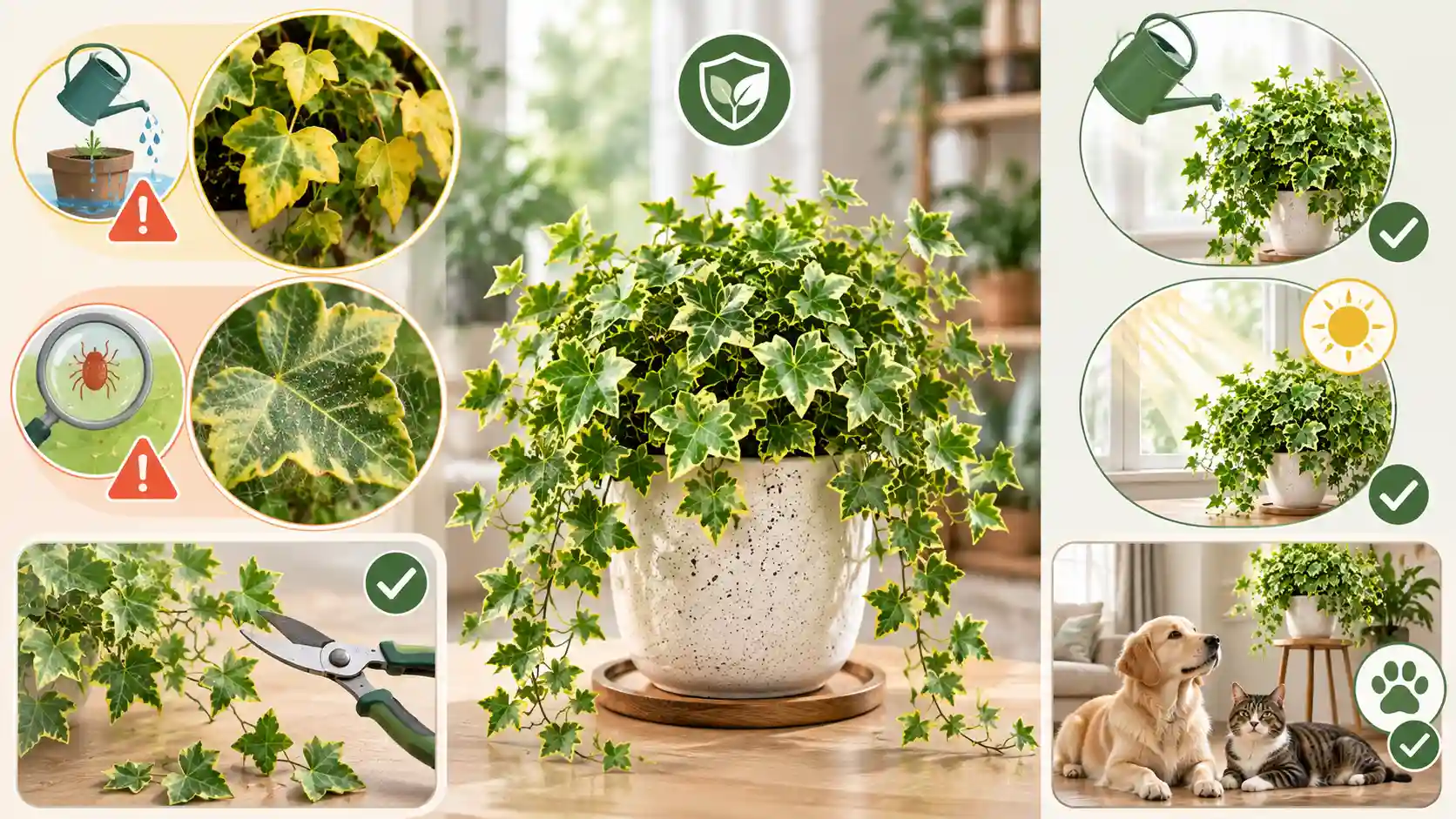
Gold Child ivy is generally resilient, but incorrect watering, poor lighting, and indoor pests can cause problems. Understanding common symptoms helps gardeners correct issues early.
Yellowing Leaves
Yellow leaves are one of the most common Gold Child ivy problems and are often caused by watering issues, poor drainage, or nutrient imbalance.
Common causes:
- Overwatering.
- Compact soil that holds too much moisture.
- Lack of nutrients.
- Sudden environmental changes.
Solutions:
- Check soil moisture before watering.
- Improve drainage if soil stays wet for too long.
- Remove damaged leaves.
- Provide appropriate light.
Prevention:
- Use a well-draining potting mix.
- Avoid watering on a fixed schedule without checking soil conditions.
Overwatering Issues
Overwatering can damage Gold Child ivy roots by reducing oxygen availability in the soil. This often leads to yellowing leaves, soft stems, and slow growth.
Signs of overwatering:
- Constantly wet soil.
- Yellow leaves.
- Root rot symptoms.
- Drooping despite moist soil.
Fixes:
- Allow soil to dry slightly.
- Repot into fresh, well-draining soil if roots are damaged.
- Reduce watering frequency.
Prevention:
- Use pots with drainage holes.
- Avoid leaving water in saucers.
- Match watering frequency to temperature and light conditions.
Pest Infestations
Gold Child ivy may attract pests, especially indoors where dry air and limited airflow create favorable conditions.
Common pests include:
- Spider mites.
- Scale insects.
- Aphids occasionally.
Signs include:
- Small spots on leaves.
- Webbing.
- Sticky residue.
- Weak or distorted growth.
Treatment:
- Isolate affected plants.
- Wash leaves with water.
- Use insecticidal soap or horticultural treatments when necessary.
- Improve airflow and humidity balance.
Prevention:
- Inspect plants regularly.
- Avoid overcrowding.
- Maintain consistent growing conditions.
Dry indoor air can increase the risk of spider mites on ivy plants, so maintaining suitable humidity levels with methods such as those explained in our guide on increasing humidity for indoor plants can help prevent stress.
Slow or Stalled Growth
Slow growth is not always a problem because Gold Child ivy naturally grows slower than plain green English ivy. However, sudden growth reduction may indicate environmental stress.
Possible causes:
- Low light.
- Winter dormancy.
- Root-bound containers.
- Nutrient shortages.
Solutions:
- Move plants to brighter indirect light.
- Repot if roots are tightly crowded.
- Feed during active growing seasons.
- Maintain consistent moisture.
Understanding the plant’s naturally moderate growth rate prevents unnecessary overcorrection. A healthy Gold Child ivy does not need rapid growth to remain attractive.
Beginner Mistakes to Avoid With Gold Child Ivy
Gold Child ivy is considered an adaptable ornamental plant, but common care mistakes can reduce its appearance, weaken growth, or create safety problems. Avoiding these issues helps maintain healthy foliage and preserves the plant’s characteristic gold-and-green variegation.
Common beginner mistakes include:
- Overwatering the plant: Keeping the soil constantly wet can lead to root stress, yellow leaves, and fungal problems. Always check soil moisture before watering.
- Planting directly in open ground without considering spread: Although Gold Child grows slower than plain English ivy, it can still spread because it belongs to the invasive-prone Hedera helix group.
- Growing in insufficient light: Low light can cause the yellow and cream leaf markings to fade as the plant produces greener growth.
- Ignoring pet and child safety: Gold Child ivy contains compounds that can cause irritation or digestive problems if eaten.
- Skipping pruning: Long, untrimmed stems may become thin and leggy, especially indoors.
For beginners, the easiest way to grow Gold Child ivy successfully is to keep it in a container, provide bright indirect light, maintain moderate watering, and prune regularly.
Disadvantages of Growing Ivy
Although Gold Child ivy is attractive and versatile, ivy plants also have potential disadvantages that gardeners should understand before planting. These concerns are mainly related to the characteristics of English ivy rather than the appearance of the Gold Child cultivar itself.
Is Ivy Bad for Your Yard?
Ivy can be problematic in some yards because certain species, especially English ivy (Hedera helix), can spread aggressively and compete with native plants. When allowed to grow without control, ivy may create ecological and maintenance challenges.
Potential disadvantages include:
- Invasiveness: English ivy can escape gardens and spread into natural areas.
- Tree competition: Heavy ivy growth may cover tree trunks and compete for resources.
- Structural concerns: Mature vines growing on buildings may enter cracks, retain moisture, or make maintenance more difficult.
- Disease concerns: Dense ivy coverage can create humid environments where pests and plant pathogens may persist.
- Toxicity: Leaves and stems are harmful if eaten by pets, children, or humans.
For these reasons, Gold Child ivy is best grown in containers, hanging baskets, or areas where growth can be monitored.
Conclusion
Hedera Gold Child is a decorative cultivar of English ivy valued for its distinctive gold-variegated foliage, evergreen growth, and flexible trailing or climbing habit. Compared with plain green English ivy, Gold Child ivy grows more slowly and is easier to manage, making it a popular choice for containers, hanging baskets, and controlled ornamental displays.
Successful Gold Child ivy care depends on providing bright indirect light, moderately moist well-draining soil, seasonal feeding, and occasional pruning. Gardeners should also consider its toxicity and the invasive potential associated with Hedera helix cultivars. When grown responsibly in containers or carefully managed spaces, Gold Child ivy is a low-maintenance ornamental plant that adds year-round foliage interest to indoor and patio environments.
Gold Child Ivy is part of a wider group of ornamental plants that require proper understanding of light, watering, and growing conditions, similar to other plants covered in our Plants: Benefits and Guides (Complete Care, Types & Growing Tips) resource.
FAQs
Does Gold Child Ivy Climb?
Yes, Gold Child ivy climbs by producing aerial rootlets that allow its stems to attach to surfaces such as trellises, walls, and other structures. It can also be grown as a trailing plant in hanging baskets or used as a controlled ground cover.
Is Gold Child Ivy the Same as English Ivy?
Yes, Gold Child ivy is a cultivar of English ivy. Its botanical name is Hedera helix ‘Gold Child’, meaning it belongs to the same species as common English ivy but has selected gold-and-green variegated leaves.
How Big Does Gold Baby Ivy Get?
Gold Baby ivy, another name used for Gold Child ivy, typically reaches about 2–3 feet as a container plant or ground cover. When trained as a climber outdoors, it can grow to around 10 feet with proper support.
Is Gold Child Ivy Toxic to Cats?
Yes, Gold Child ivy is toxic to cats. Like other Hedera helix cultivars, it contains compounds such as saponins that may cause vomiting, drooling, diarrhea, or mouth irritation if ingested.
Why Is My Gold Baby Ivy Dying?
Gold Baby ivy commonly declines because of overwatering, poor drainage, low light, dry air, or pest problems. Check soil moisture, improve drainage, provide brighter indirect light, and inspect for pests to identify the cause.
Is Gold Child Ivy Invasive?
Gold Child ivy has lower spreading vigor than plain green English ivy but can still become invasive because it belongs to Hedera helix. Growing it in containers or controlled areas is recommended where English ivy restrictions apply.
Is Gold Child Ivy Evergreen?
Yes, Gold Child ivy is an evergreen plant. It keeps its foliage throughout the year in suitable climates, providing continuous green and gold leaf color.