
Intoduction
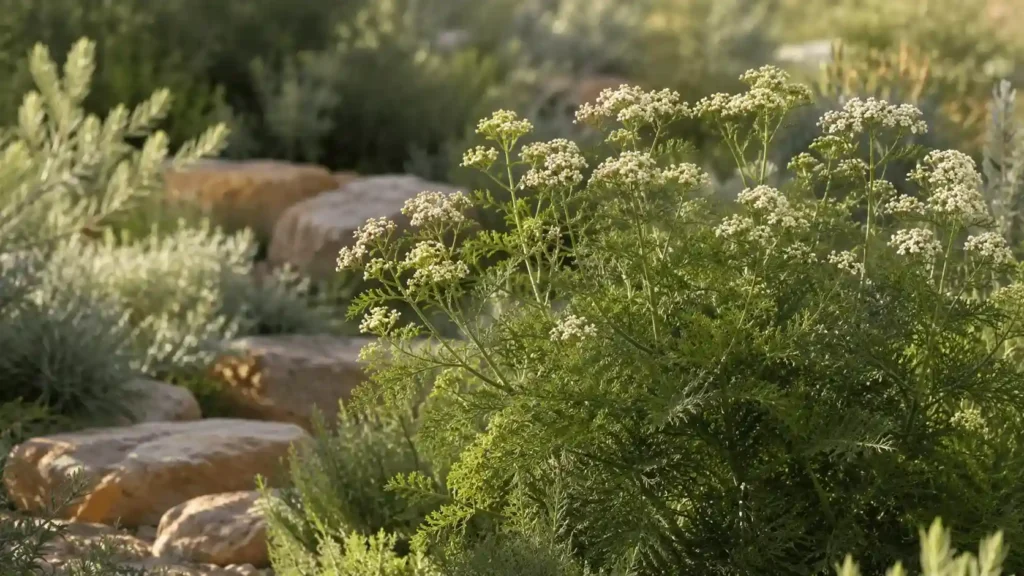
Lomatia silaifolia is an Australian native shrub from the Proteaceae family known for its finely divided foliage and creamy-white flowers. Commonly called Crinkle Bush, Parsley Bush, Ivory Lace, or White Lace, this adaptable native plant naturally grows across parts of New South Wales, Queensland, and Victoria. It is widely valued in native landscaping because of its compact size, drought tolerance, and habitat benefits for pollinators. Lomatia silaifolia performs well in sunny gardens with well-drained soils and is considered a reliable low-maintenance shrub for Australian native plant collections.
Quick Summary
- Lomatia silaifolia, commonly called Crinkle Bush, is a compact Australian native shrub prized for its finely divided foliage and delicate white flower clusters.
- It typically reaches 1–2 metres in height, making it suitable for small native gardens and mixed border plantings.
- The plant is low-maintenance, drought-tolerant once established, and responds well to light pruning.
- It is not considered invasive and is a valuable habitat plant for pollinators and native wildlife.
What Is Lomatia Silaifolia?
Lomatia silaifolia is a flowering Australian native shrub belonging to the Proteaceae family. It naturally occurs in eastern Australia, particularly across New South Wales, Queensland, and parts of Victoria, where it grows in sandstone heathlands and dry sclerophyll woodland environments.
Lomatia silaifolia belongs to the Proteaceae family, a diverse group of plants widely documented in botanical science, including on resources such as Wikipedia’s overview of the Proteaceae family.
The plant is recognised for its soft, deeply divided foliage that resembles parsley leaves and for its clusters of creamy-white flowers that appear during summer. These ornamental qualities make it popular in native gardens and habitat-focused landscapes.
Lomatia silaifolia belongs to the Lomatia genus, a group of Australian native plants known for their distinctive foliage and flower structures. The species is especially valued for its texture, drought tolerance, and compatibility with low-maintenance garden designs.
Lomatia silaifolia is a valuable addition to broader landscaping systems found in Australian native garden plants, especially in low-maintenance and drought-tolerant garden designs.
Lomatia Silaifolia Common Names and Identification
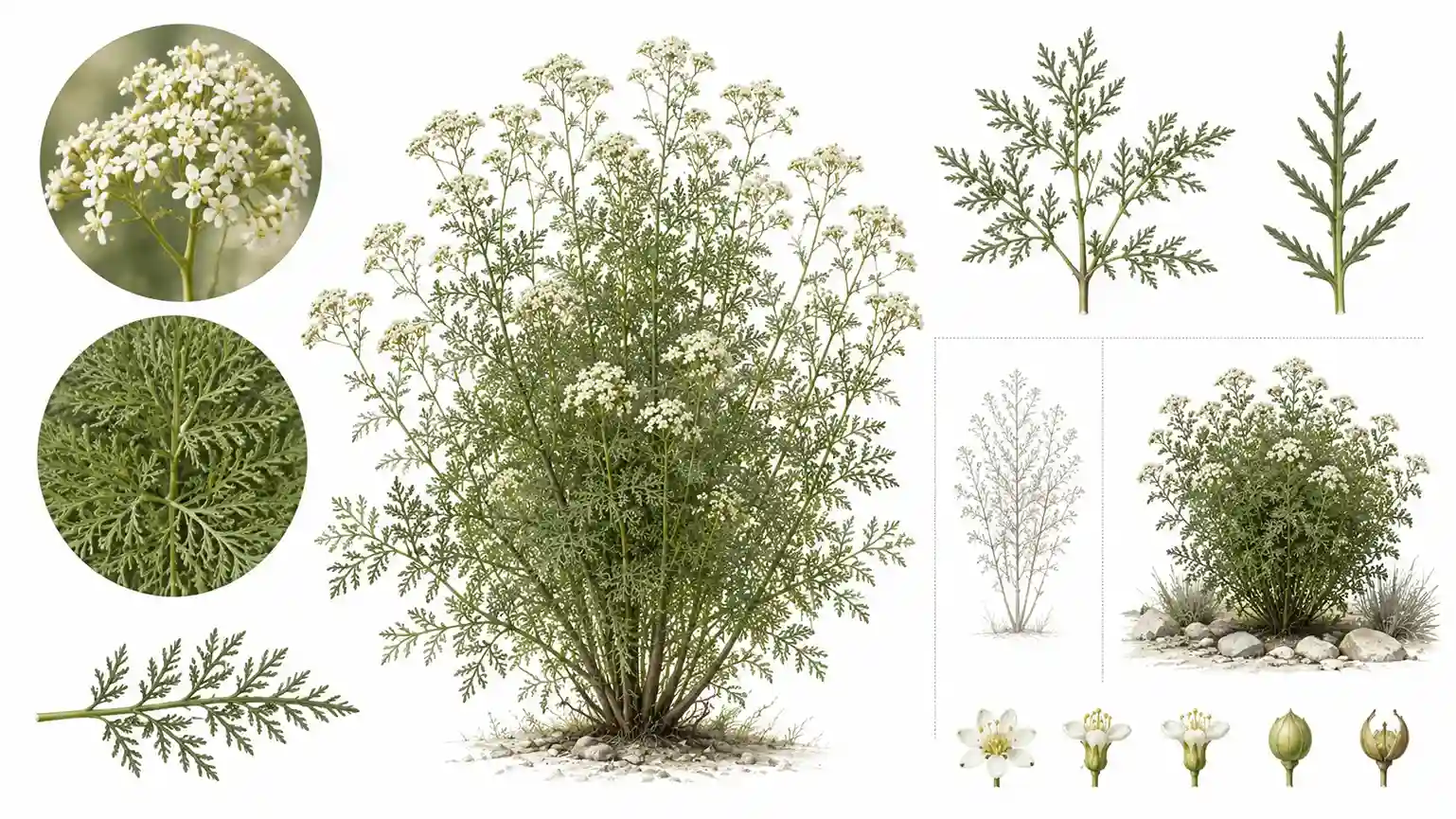
Lomatia silaifolia is known by several common names, including Crinkle Bush, Parsley Bush, Ivory Lace, and White Lace. These names describe different visual characteristics of the plant and help gardeners identify it more easily.
Why Is It Called Crinkle Bush?
The name “Crinkle Bush” comes from the plant’s textured, crinkled foliage. The leaves are deeply divided into narrow segments, giving the shrub a soft and ruffled appearance.
Key identification features include:
- Finely divided parsley-like leaves
- Upright to spreading shrub habit
- Dense green foliage with a textured appearance
- Creamy-white flower spikes during summer
- Woody stems with compact branching
The foliage remains one of the easiest ways to distinguish Lomatia silaifolia from other native shrubs.
Ivory Lace and White Lace: Understanding the Other Common Names
The names “Ivory Lace” and “White Lace” refer to the plant’s airy clusters of creamy-white flowers. These flowering sprays create a delicate lace-like effect during the blooming season.
In most cases, these names are descriptive common names rather than officially registered cultivar names. Usage may vary regionally among Australian native plant growers and nurseries.
The terms lomatia silaifolia ivory lace and lomatia silaifolia white lace are commonly associated with the plant’s ornamental flowering display and refined garden appearance.
Lomatia Silaifolia Size and Height: What to Expect at Maturity
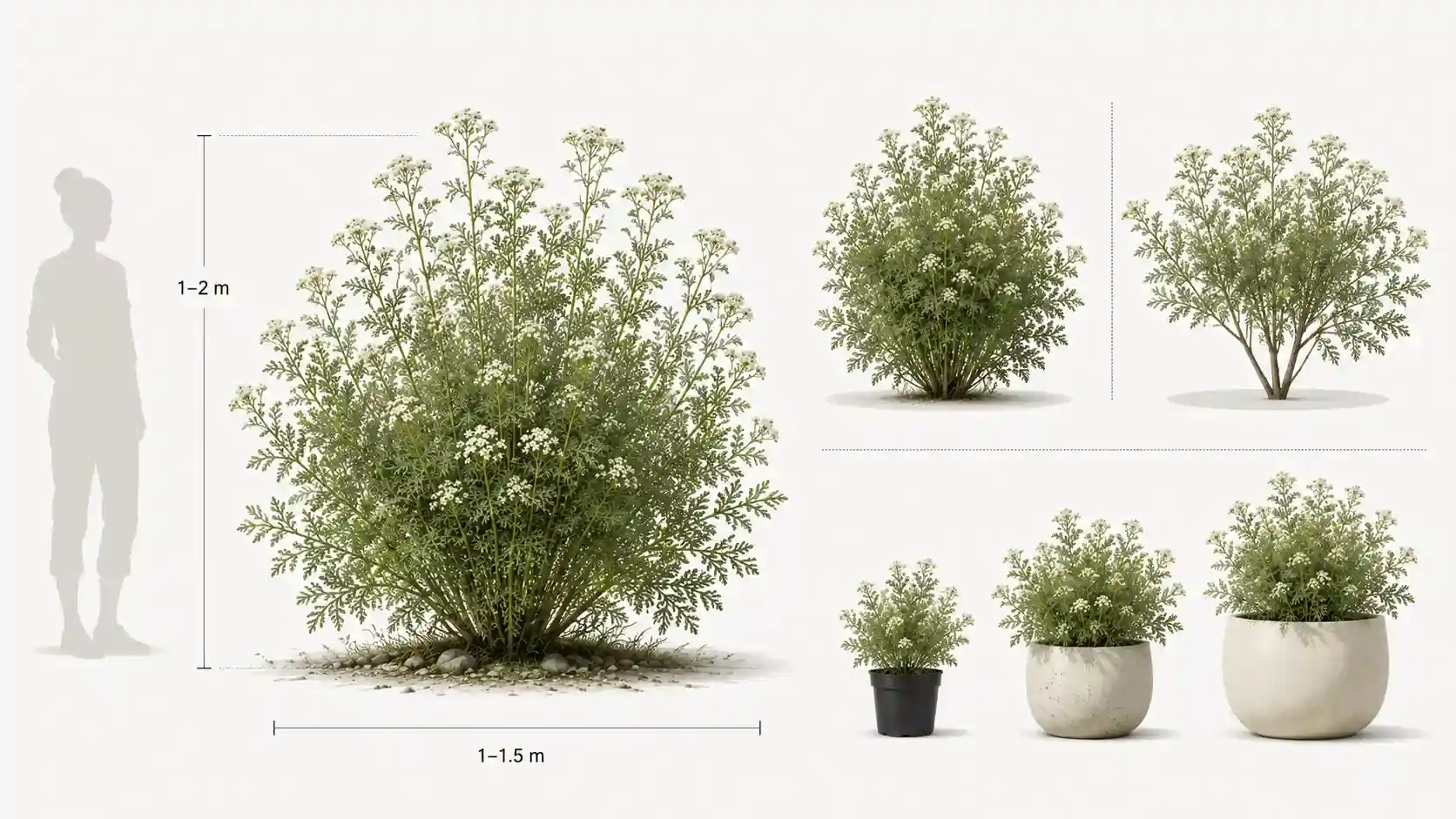
Lomatia silaifolia typically grows into a medium-sized native shrub with a manageable growth habit suitable for residential gardens. Most mature plants reach between 1 and 2 metres in height under suitable growing conditions.
| Attribute | Typical Range |
| Mature Height | 1–2 metres |
| Mature Width | 1–1.5 metres |
| Growth Form | Upright to spreading shrub |
| Container Suitability | Yes (in large pots) |
Factors That Influence Size
Several environmental conditions affect the mature size of Lomatia silaifolia.
Important growth factors include:
- Soil drainage and fertility
- Sun exposure levels
- Rainfall and watering frequency
- Root competition from nearby plants
- Climate conditions and seasonal temperatures
Plants grown in ideal native conditions with full sun and well-drained soil often develop fuller growth and stronger flowering performance. In restricted urban spaces or nutrient-poor dry locations, plants may remain smaller and more compact.
Growth Rate and Seasonal Behaviour
Lomatia silaifolia is generally considered a moderate-growing native shrub. Growth is typically strongest during warmer months, especially through spring and early summer.
Newly planted specimens focus first on root establishment. During the first year, visible top growth may appear slower while the root system develops. Once established, the plant becomes more resilient to dry conditions and seasonal temperature changes.
Flowering usually occurs in summer, producing clusters of creamy-white flowers that attract pollinators. During extended dry periods or colder winter conditions, growth naturally slows.
How Fast Does Lomatia Silaifolia Grow?
Lomatia silaifolia usually develops steadily rather than rapidly. Under favourable conditions, young plants can establish well within 1–2 growing seasons.
Growth speed improves when gardeners:
- Apply organic mulch around the root zone
- Water consistently during establishment
- Improve soil drainage before planting
- Avoid excessive fertiliser use
Plants propagated from lomatia seeds may establish more slowly compared to nursery-grown specimens or propagated cuttings.
Lomatia Silaifolia Care Guide
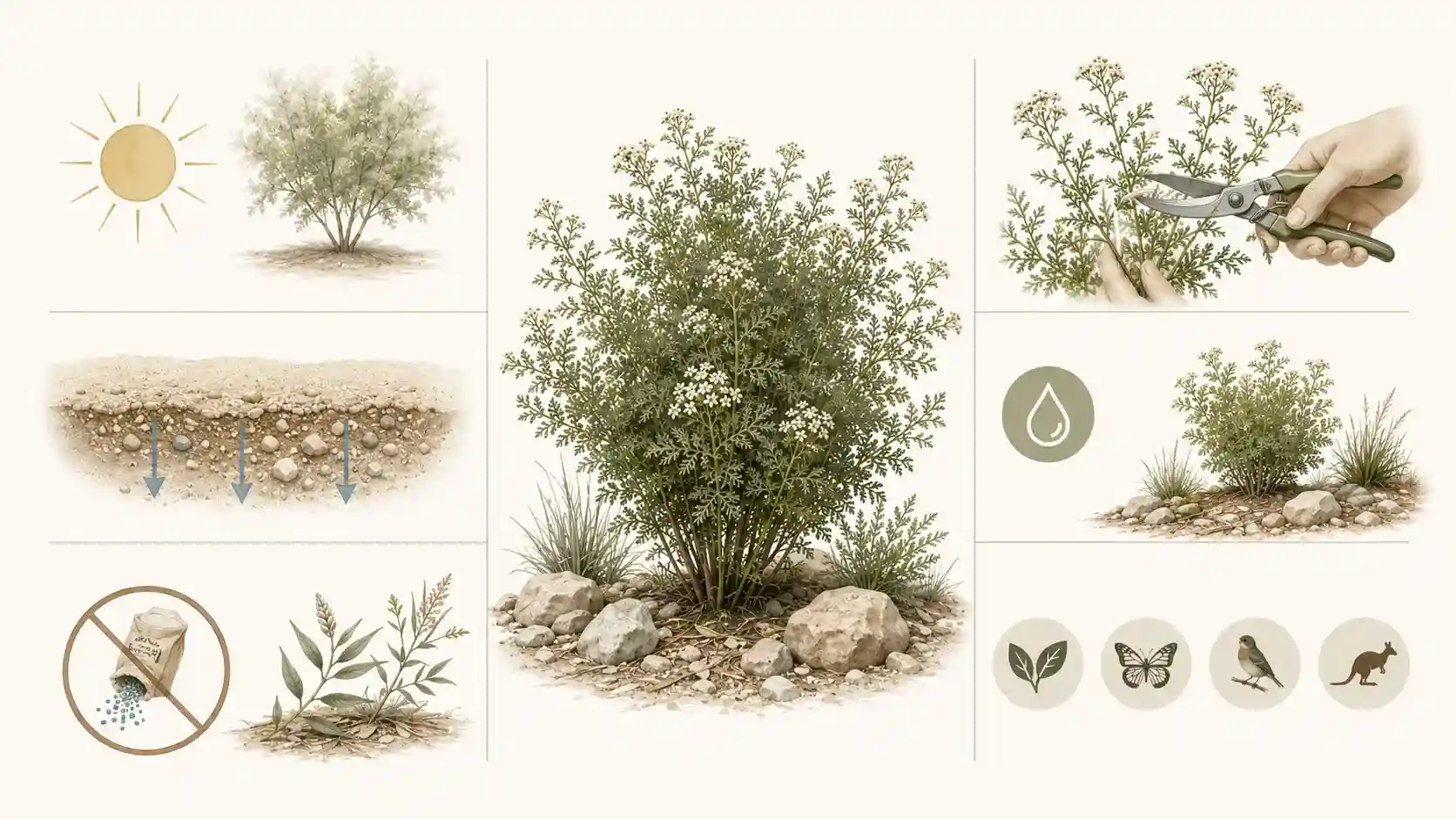
Lomatia silaifolia is considered a relatively low-maintenance Australian native shrub when grown in appropriate conditions. Proper drainage, moderate watering, and careful fertiliser selection are the most important care considerations.
Watering Requirements
Lomatia silaifolia is drought-tolerant once established but benefits from regular watering during its first growing season.
General watering guidelines include:
- Water deeply during establishment
- Reduce watering frequency once roots develop
- Allow soil to dry slightly between watering sessions
- Avoid constantly wet soil conditions
Signs of underwatering include dry foliage and reduced growth, while overwatering often causes yellowing leaves, root decline, and poor vigour.
In hotter inland climates, occasional deep watering during prolonged dry periods may help maintain plant health.
Light and Soil Preferences
Lomatia silaifolia grows best in full sun to part shade. Strong sunlight encourages healthier flowering and denser growth.
Preferred soil conditions include:
- Well-drained sandy or loamy soil
- Slightly acidic soil pH
- Low-nutrient native soil profiles
- Good airflow around the root zone
Like many Proteaceae species, the plant is sensitive to phosphorus-rich soils and fertilisers.
Like other Australian natives such as the Lemon Myrtle Hedge Backhousia Citriodora Guide, Lomatia silaifolia prefers well-drained soil and responds poorly to nutrient-heavy conditions.
Fertilisation Practices
Lomatia silaifolia should not be fertilised with standard high-phosphorus fertilisers because phosphorus toxicity can seriously damage Proteaceae plants.
Recommended practices include:
- Use low-phosphorus native fertilisers only when necessary
- Apply fertiliser sparingly during active growth
- Avoid overfeeding young plants
- In healthy native soils, fertiliser may not be required at all
Minimal fertilisation is often the safest long-term approach.
Pruning Lomatia Silaifolia: How and When
Light pruning after flowering helps maintain the shrub’s shape and encourages denser growth.
Best pruning practices include:
- Tip prune lightly after summer flowering
- Remove dead or damaged stems as needed
- Avoid cutting deeply into old woody growth
- Maintain airflow within the shrub canopy
Heavy pruning into mature wood may result in poor recovery because the plant does not always regenerate strongly from old stems.
Is Lomatia Silaifolia Invasive?
Lomatia silaifolia is not classified as invasive in Australia. It is a native species commonly encouraged in habitat gardens, native landscaping, and bush regeneration projects.
Key facts include:
- Not classified as invasive in any Australian state or territory
- May self-seed in suitable garden conditions
- Actively supports native bee and pollinator populations
- Encouraged in bush regeneration projects
Although occasional self-seeding may occur in favourable conditions, this does not make the plant invasive. Gardeners can easily manage unwanted seedlings through light maintenance and monitoring.
Lomatia Silaifolia vs Lomatia Myricoides: Key Differences
Lomatia silaifolia and Lomatia myricoides belong to the same genus but differ significantly in growth habit, habitat preference, and foliage structure.
| Feature | Lomatia silaifolia | Lomatia myricoides |
| Common Name | Crinkle Bush / Parsley Bush | River Lomatia / Guitar Plant |
| Leaf Shape | Finely divided, crinkled | Long, narrow, toothed |
| Preferred Habitat | Dry sandstone heath | Moist riparian zones |
| Flower Colour | Creamy white | White to pale cream |
| Mature Height | 1–2 m | 2–4 m |
| Water Needs | Low–moderate | Moderate–high |
Gardeners often choose Lomatia silaifolia for drier native gardens and compact landscapes. Lomatia myricoides is usually better suited to wetter conditions near waterways or moisture-retentive soils.
In mixed native garden designs, Lomatia silaifolia is often grouped with species found in the Shrubs With Blue Flowers Australia Guide, where contrast planting enhances seasonal visual impact.
Both species can contribute effectively to Australian native landscaping projects, depending on environmental conditions and desired visual outcomes.
Lomatia Seeds and Propagation
Lomatia silaifolia can be propagated from seed or semi-hardwood cuttings. Seed propagation is common but may require patience due to slow and inconsistent germination.
Important propagation points include:
- Seeds should be collected when capsules are mature but before they split open
- Germination can be slow and erratic — typically 1–6 months
- Semi-hardwood cuttings taken in late summer–autumn can be more reliable
- Avoid high-nutrient propagation mixes — use a low-phosphorus native propagation medium
Fresh seeds generally perform better than older stored seeds. Good drainage and moderate moisture levels are essential during propagation.
Cuttings are often preferred by growers seeking more consistent establishment and faster development.
Common Lomatia Silaifolia Problems and How to Fix Them
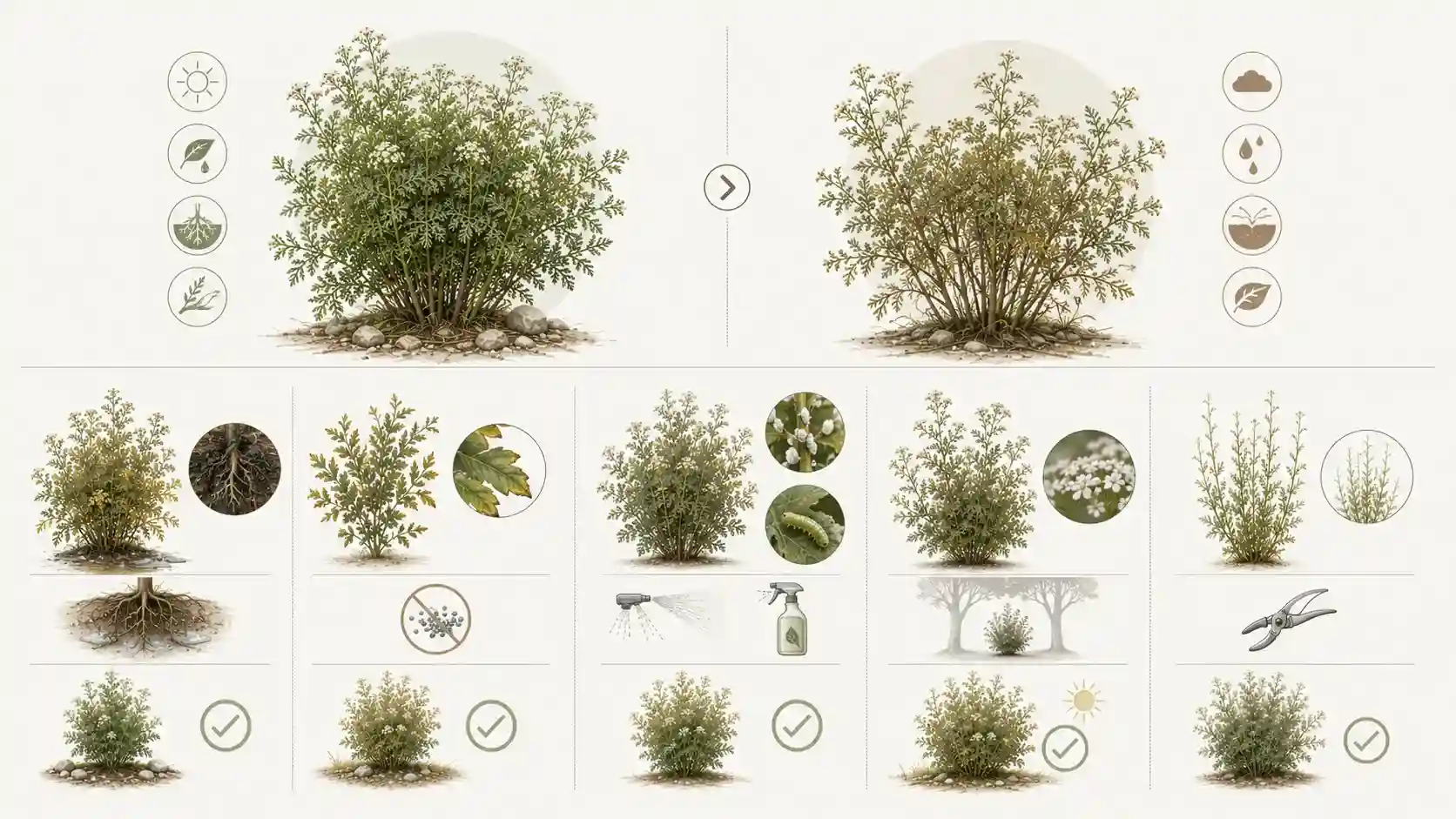
Lomatia silaifolia is generally resilient, but several environmental and care-related issues can affect plant health.
Root Rot and Overwatering
Root rot is one of the most common problems affecting Lomatia silaifolia, especially in poorly drained clay soils.
Common symptoms include:
- Yellowing foliage
- Wilting despite wet soil
- Blackened or decaying roots
- Sudden plant decline
Solutions include improving soil drainage, reducing watering frequency, and avoiding waterlogged planting sites.
Phosphorus Toxicity
Proteaceae plants are highly sensitive to phosphorus.
Symptoms of phosphorus toxicity include:
- Burnt leaf tips
- Yellowing foliage
- Weak growth
- Rapid decline after fertiliser application
To prevent this problem, avoid standard fertilisers and only use native-specific low-phosphorus products.
Pest Issues
Several pests may occasionally affect Lomatia silaifolia.
Common pests include:
- Scale insects
- Caterpillars
- Stem borers
Organic horticultural oils, manual removal, and maintaining plant health are usually effective low-impact management methods.
Poor Flowering or Sparse Growth
Poor flowering is often linked to environmental stress or incorrect care.
Common causes include:
- Insufficient sunlight
- Excessive fertiliser use
- Incorrect pruning timing
- Heavy shade conditions
Moving plants to brighter conditions and pruning lightly after flowering can improve performance.
Common Beginner Mistakes When Growing Lomatia Silaifolia
Gardeners unfamiliar with Australian native plants often make several avoidable mistakes when growing Lomatia silaifolia.
Common beginner mistakes include:
- Using standard fertiliser containing high phosphorus — the most damaging mistake
- Overwatering during the establishment phase in poorly drained soil
- Pruning too hard into old wood, which the plant cannot easily recover from
- Planting in full shade — the plant needs adequate sun for flowering
- Neglecting mulching, which is critical for moisture retention and soil health in native gardens
Understanding the specific care needs of Proteaceae plants significantly improves long-term success.
Conclusion
Lomatia silaifolia is a versatile Australian native shrub valued for its finely textured foliage, creamy-white flowers, and manageable growth habit. Commonly known as Crinkle Bush, Parsley Bush, Ivory Lace, or White Lace, the plant performs well in native gardens with well-drained soils and adequate sunlight.
This species is frequently featured in modern landscaping systems discussed in Australian Native Garden Plants: Types, Care Tips & Design Ideas, especially in low-water and habitat-focused gardens.
Its moderate size, drought tolerance, and low-maintenance nature make it suitable for both beginner and experienced native gardeners. When basic Proteaceae care principles are followed — especially proper drainage and low-phosphorus soil management — Lomatia silaifolia becomes a reliable and rewarding landscape plant.
Frequently Asked Questions About Lomatia Silaifolia
What is the common name for Lomatia silaifolia?
The most widely used common names for Lomatia silaifolia are Crinkle Bush and Parsley Bush. It is also sometimes called Ivory Lace or White Lace because of its delicate creamy-white flower clusters.
How tall does Lomatia silaifolia grow?
Lomatia silaifolia typically grows between 1 and 2 metres tall, with a similar spread. Plant size may vary depending on sunlight, soil quality, rainfall, and overall growing conditions.
Is Lomatia silaifolia suitable for small gardens?
Yes, Lomatia silaifolia is well suited to small native gardens because of its compact growth habit. It works effectively as a border shrub, understorey planting, or informal native screening plant.
When and how should I prune Lomatia silaifolia?
Light tip pruning after flowering in late summer is recommended. Avoid heavy pruning into old woody stems because recovery may be slow. Pruning mainly helps maintain shape and encourages bushier new growth.
Can I grow Lomatia silaifolia from seed?
Yes, Lomatia silaifolia can be grown from seed, although germination is often slow and inconsistent. Semi-hardwood cuttings are commonly used as a more reliable propagation method.