
Introduction
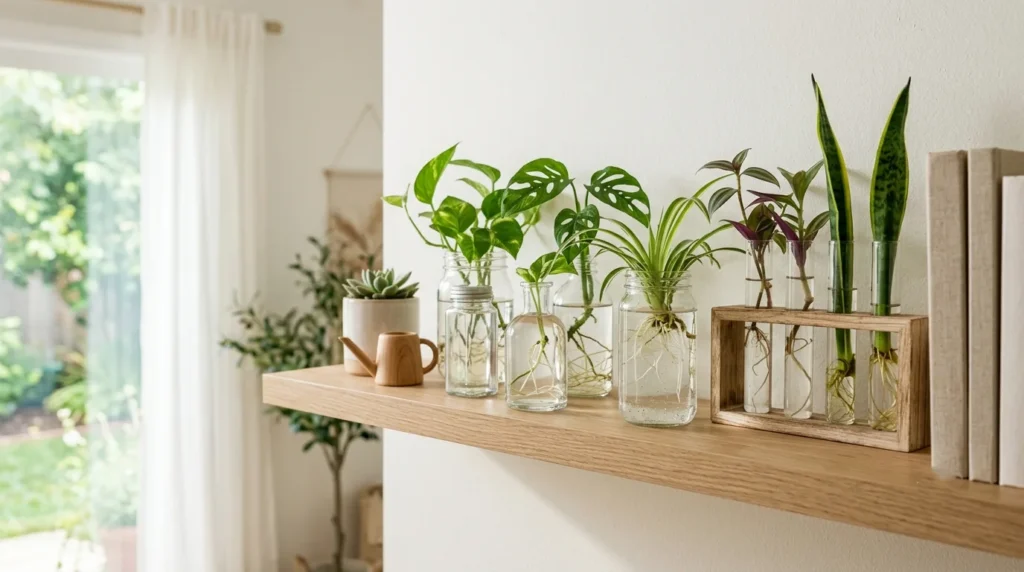
A diy propagation station dollar tree project is an affordable way to create a dedicated space for growing new plants from cuttings. A propagation station is a setup that holds plant cuttings in water, soil, or another growing medium while roots develop. Dollar Tree is popular for DIY plant projects because it offers inexpensive jars, containers, hooks, and decorative supplies that can be transformed into functional propagation displays. This guide explains how to build a low-cost propagation station at home, choose suitable containers, improve rooting success, and avoid common propagation mistakes.
Quick Summary
- A propagation station helps plant cuttings grow roots before they are moved into soil.
- Dollar Tree supplies like jars, bud vases, and containers can create affordable DIY setups.
- Wall-mounted and hanging propagation stations save space while displaying growing plants.
- Successful propagation depends on healthy cuttings, proper light, clean water, and correct timing.
- Different plants require different propagation methods, including water, soil, or enclosed humidity setups.
What Is a Propagation Station and How Does It Work?
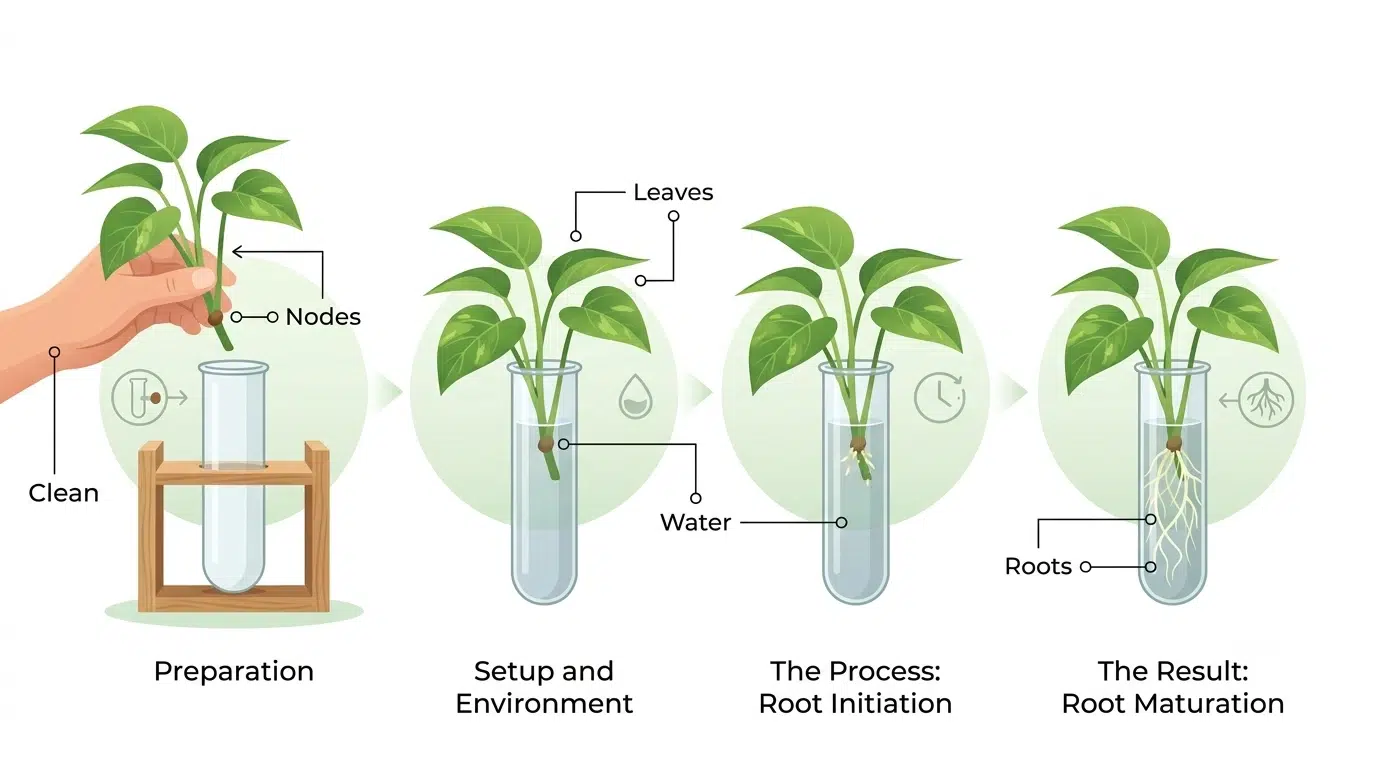
A propagation station is a dedicated container or display system designed to hold plant cuttings while they develop roots. It usually uses water-filled vessels, such as glass jars or propagation tubes, allowing roots to grow before the cutting is planted. Understanding plant nodes is essential because many popular houseplants, such as monstera, require a healthy node for successful propagation.
Plant propagation is a broader horticultural practice that involves creating new plants from seeds, cuttings, or other plant structures.
A propagation vessel or rooting container provides support while the cutting receives moisture and develops new root structures. Popular options include glass propagation tubes, small jars, test tubes, and decorative containers.
The basic process works by placing a healthy cutting with at least one growth node into water or a suitable medium. The node contains plant tissue that can produce new roots under the right conditions.
How to Use a Propagation Station
To use a propagation station effectively:
- Select a healthy plant cutting with a visible node.
- Remove lower leaves that would sit underwater.
- Place the cutting into a clean propagation vessel filled with water.
- Position the station in bright, indirect light.
- Replace water regularly to prevent bacteria and stagnation.
- Move the rooted cutting into soil once roots are strong enough.
The cutting should remain partially submerged, while leaves stay above the water line to reduce decay.
How to Make a Homemade Propagation Station Using Dollar Tree Supplies
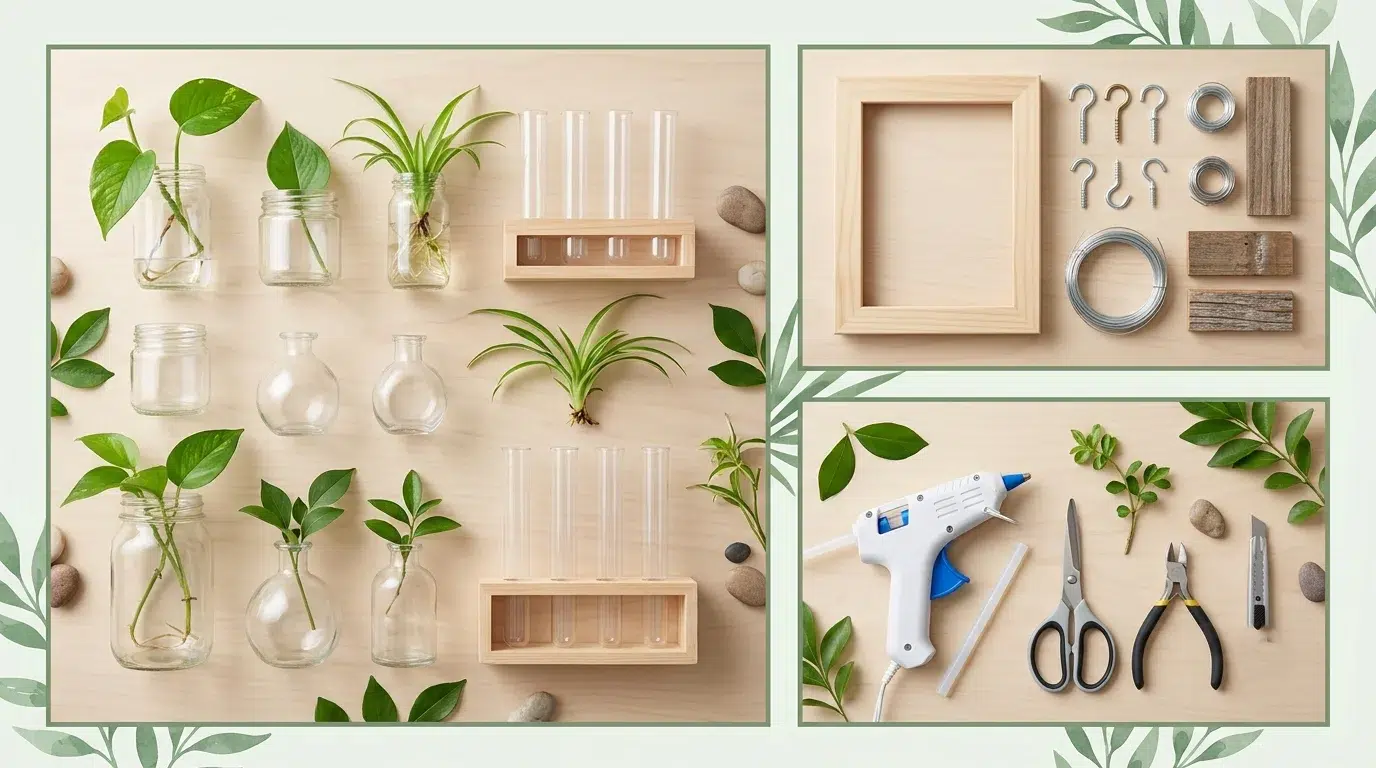
A homemade propagation station can be created using simple Dollar Tree materials. These supplies work well because they are inexpensive, easy to customize, and suitable for many houseplant cuttings.
Common Dollar Tree materials for propagation include:
- Glass jars and small containers
- Bud vases
- Clear storage cups
- Small bottles
- Test tube-style containers
- Picture frames for wall-mounted designs
- Decorative trays or shelves
- Adhesive hooks
Basic tools needed for DIY construction include:
- Hot glue gun
- Drill for mounting holes
- Hooks or brackets
- Wire or string
- Screws and anchors for wall installation
These materials can be combined into simple countertop stations or more decorative wall displays.
DIY Hanging Propagation Station Steps
A DIY hanging propagation station is useful for small spaces because it keeps plants off counters while creating a decorative display.
Basic steps include:
- Choose lightweight glass tubes, jars, or small containers.
- Attach holders using wire, hooks, or wooden supports.
- Space containers evenly so plants receive enough light.
- Secure the hanging structure to a strong support point.
- Fill containers with water and add prepared cuttings.
Spacing is important because overcrowded cuttings can block light and reduce airflow.
DIY Propagation Wall / Wall-Mounted Propagation Station
A wall-mounted propagation station uses a frame, board, or shelf system to hold multiple propagation vessels vertically.
A DIY propagation wall can be created by:
- Attaching test tubes or jars to a wooden board.
- Using a picture frame as a decorative backing.
- Adding hooks or clips to hold containers.
- Anchoring the structure securely to prevent falling.
A wall mounted propagation station works especially well in kitchens, offices, or small apartments where surface space is limited.
What Can Be Used as a DIY Propagation Box or Container?
A DIY propagation box is an enclosed container that creates higher humidity around cuttings, helping moisture-sensitive plants develop roots. A prop box can be made from plastic storage bins, clear containers, or recycled boxes with transparent lids.
Suitable containers include:
- Plastic storage bins with lids
- Clear food containers
- Small greenhouse-style boxes
- Recycled transparent containers
| Container Type | Humidity Level | Best Plant Types | Difficulty |
| Open Jar | Low to medium | Pothos, philodendron, tradescantia | Easy |
| Enclosed Box | High | Tropical plants and delicate cuttings | Medium |
| Wall Tube | Low to medium | Decorative water propagation | Easy |
Enclosed boxes require monitoring because excess moisture can encourage mold growth.
What Is the Most Successful Propagation Method?
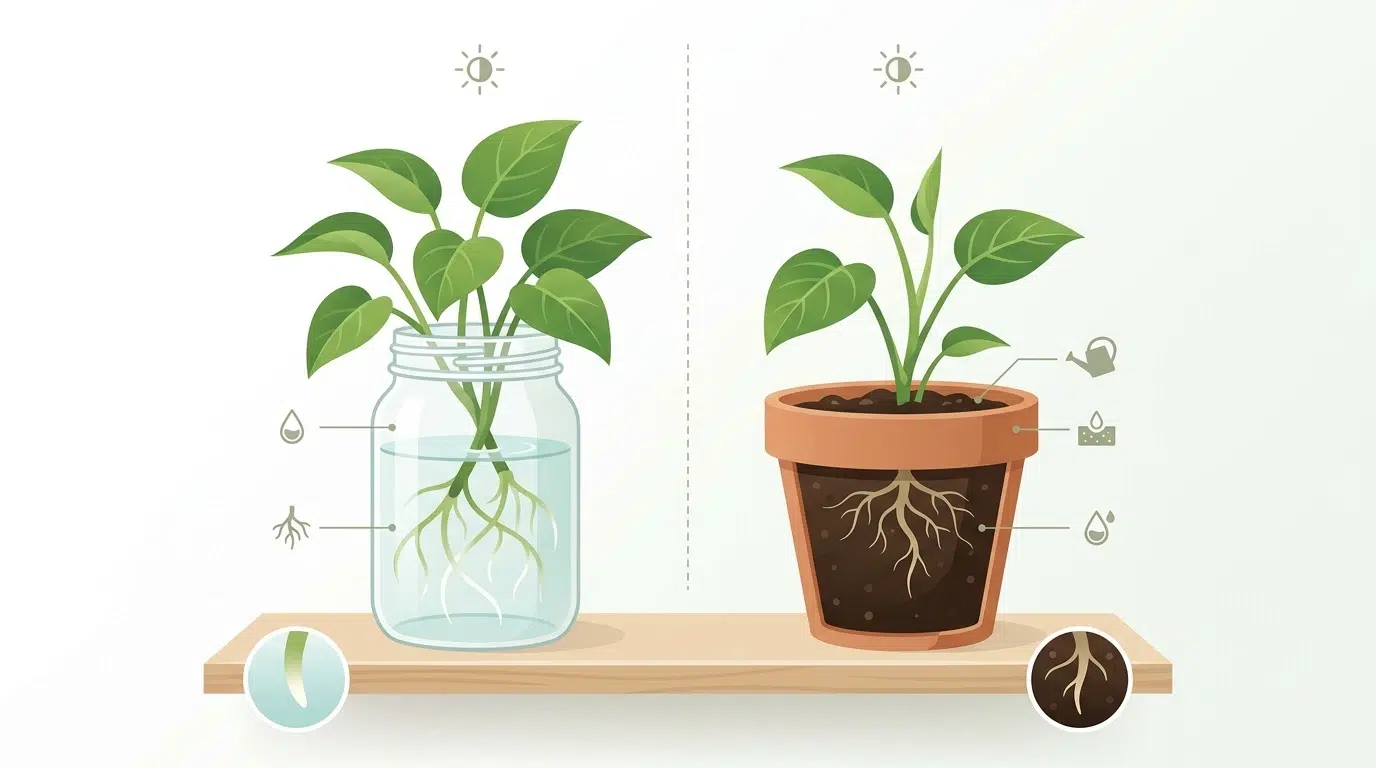
The most successful propagation method depends on the plant species, environment, and grower experience. Water propagation is often easiest for beginners because root development is visible, while soil propagation can produce stronger root systems for some plants. Many popular houseplants, including philodendrons, can be successfully multiplied through water or soil propagation depending on the plant type and growing conditions.
Common methods include:
- Water propagation: Cuttings grow roots directly in water.
- Soil propagation: Cuttings develop roots directly in a growing medium.
- Enclosed propagation box: Higher humidity supports sensitive cuttings.
Can Cuttings Go Straight Into Soil?
Yes, many cuttings can go directly into soil if they have healthy nodes and suitable moisture conditions. Soil propagation works best when the growing medium stays slightly moist but not waterlogged.
Some plants may benefit from rooting hormone or a water-first approach, especially slower-rooting varieties.
| Water Propagation | Soil Propagation |
| Roots are visible | Roots develop underground |
| Easy to monitor | Less transplant shock |
| Can be slower after transplanting | Requires proper moisture control |
| Good for pothos and philodendrons | Good for many woody and hardy plants |
What Helps Cuttings Root Faster?
Cuttings root faster when they receive proper moisture, warmth, and environmental conditions. Healthy nodes, clean water, and adequate light encourage faster root formation.
Factors that improve rooting include:
- Using a healthy cutting with active nodes
- Keeping water clean
- Maintaining moderate temperatures
- Providing bright indirect light
- Using rooting hormone when appropriate
- Avoiding excessive fertilizer during rooting
Too much direct sunlight can stress young cuttings and cause leaf damage. Some tropical houseplants require extra humidity and careful environmental control during propagation, such as prayer plants that prefer stable moisture conditions.
How to Propagate a Money Tree
A money tree can be propagated by stem cuttings placed in water or a suitable growing medium. The cutting should include a healthy node where new roots can develop.
For successful propagation:
- Choose a healthy stem section.
- Remove lower leaves.
- Place the node in water or moist soil.
- Provide bright indirect light.
Money trees should not be placed in cold drafts, dark corners, or areas with extreme temperature changes because these conditions can slow growth.
Can You Propagate a Rubber Tree Cutting in Water?
Yes, a rubber tree cutting can be propagated in water if it contains a healthy node. The node is essential because roots develop from this growth point.
The process includes:
- Taking a cutting below a node.
- Removing excess leaves.
- Placing the node in water.
- Waiting for roots to develop.
- Transferring the cutting into soil after strong root growth.
A rubber tree cutting may take several weeks to root, so patience and stable conditions are important.
Best Time of Year to Take Cuttings
The best time to take cuttings is usually during the active growing season when plants are producing new growth. Spring and early summer are often ideal, but many indoor plants can be propagated throughout the year.
September is not necessarily too late for cuttings if plants are still actively growing and receiving enough light. Plants that can often be propagated in October include many tropical houseplants, especially those kept indoors.
Seasonal success depends on:
- Temperature
- Light availability
- Plant dormancy cycle
- Indoor growing conditions
Why Is It Illegal to Propagate Some Plants?
Some plants cannot legally be propagated for commercial use because they are protected by plant patents or plant variety protection laws. These protections prevent unauthorized reproduction and selling of certain cultivars.
Houseplants commonly affected may include patented varieties sold by nurseries and growers.
Propagating a plant from a store like Home Depot for personal enjoyment is different from commercially producing and selling protected plants.
Common Propagation Mistakes and Problems
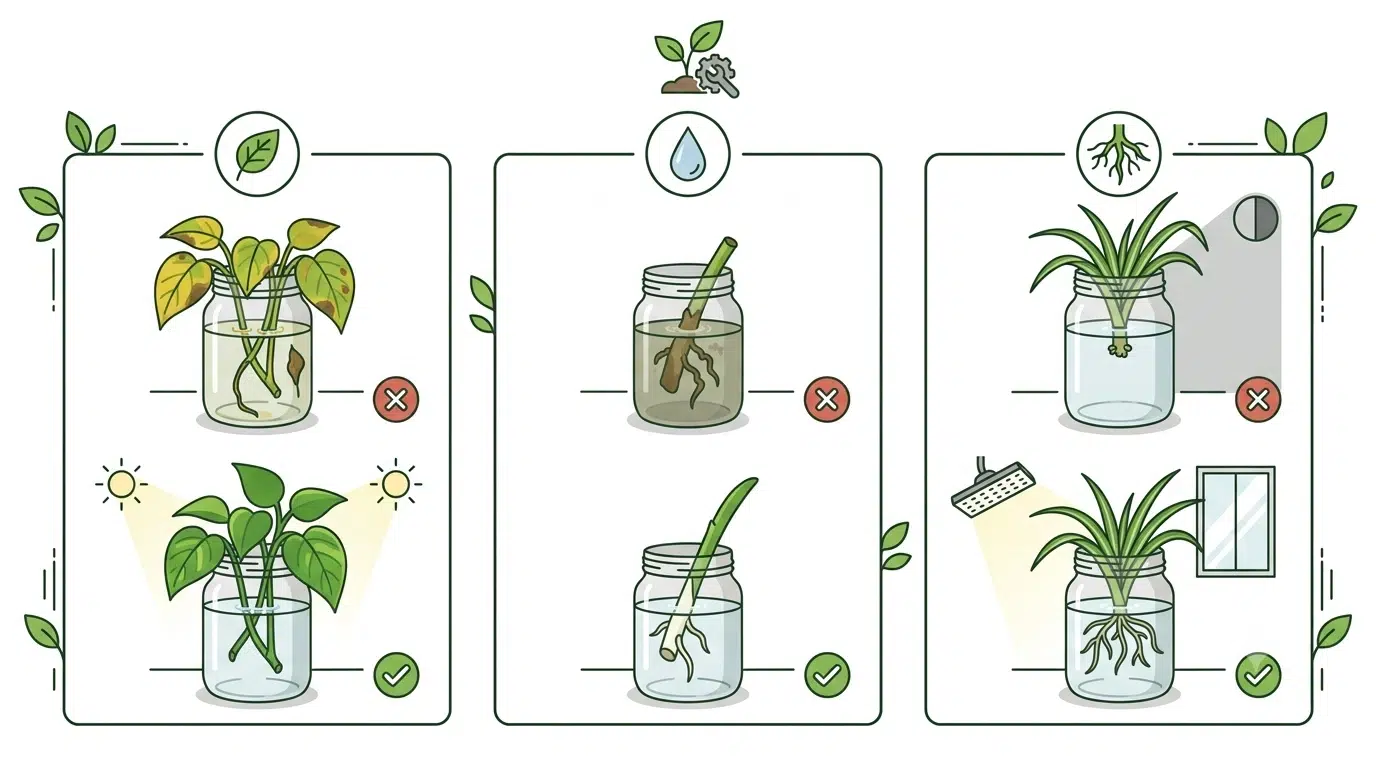
Beginners often experience problems because cuttings require specific moisture, light, and hygiene conditions.
Common issues include:
- Yellowing cuttings — Usually caused by poor water quality, excessive moisture, or natural leaf aging. Remove damaged leaves and improve conditions.
- Rot or mushy stems — Often caused by stagnant water, dirty containers, or submerged leaves. Clean the vessel and remove damaged sections.
- No root growth — May happen due to unhealthy cuttings, lack of nodes, poor lighting, or unsuitable temperatures.
DIY Propagation Station Ideas for Every Space
DIY propagation station ideas can be adapted to different homes and decorating styles. Beginner-friendly plants like Tradescantia are especially suitable for decorative propagation stations because their cuttings root quickly in water.
Popular options include:
- Windowsill propagation stations for natural light.
- Shelf-based stations for multiple plants.
- Hanging stations for small spaces.
- Wall-mounted displays for decorative plant collections.
- Minimal glass tube arrangements for modern interiors.
Choosing the right style depends on available space, plant type, and maintenance preference.
Conclusion
A diy propagation station dollar tree setup provides an affordable way to grow plants while creating an attractive home display. Dollar Tree jars, containers, and hardware can be transformed into practical propagation systems for many houseplants. Successful propagation depends on selecting healthy cuttings, choosing the right method, maintaining clean water, and providing suitable light and temperature conditions. For more plant care information, propagation techniques, and growing advice, explore our complete guide to plants, benefits, and growing tips.
FAQs
How do I make a homemade propagation station?
A homemade propagation station can be made using jars, bud vases, tubes, or containers that hold plant cuttings in water. Dollar Tree supplies such as glass containers, hooks, and frames can be combined to create affordable setups.
Can I cut a branch of my rubber tree and grow it just in water?
Yes, a rubber tree cutting can grow in water if it contains a healthy node. Once roots develop, the cutting can be transferred into soil for continued growth.
What helps cuttings root faster?
Cuttings root faster with healthy nodes, clean water, proper humidity, bright indirect light, and stable temperatures. Rooting hormone can also help some plants develop roots more quickly.
Is it illegal to propagate certain houseplants?
Yes, some houseplants are protected by plant patents or plant variety laws. Personal propagation may be allowed in some cases, but selling protected plants without permission can violate these protections.
Can cuttings go straight into soil instead of water?
Yes, many cuttings can grow directly in soil when planted correctly. The success rate depends on the plant type, soil moisture, and environmental conditions.
What plants can I propagate in October?
Many indoor tropical plants can be propagated in October, including pothos, philodendron, and tradescantia, especially when they are kept in warm indoor conditions with sufficient light.