
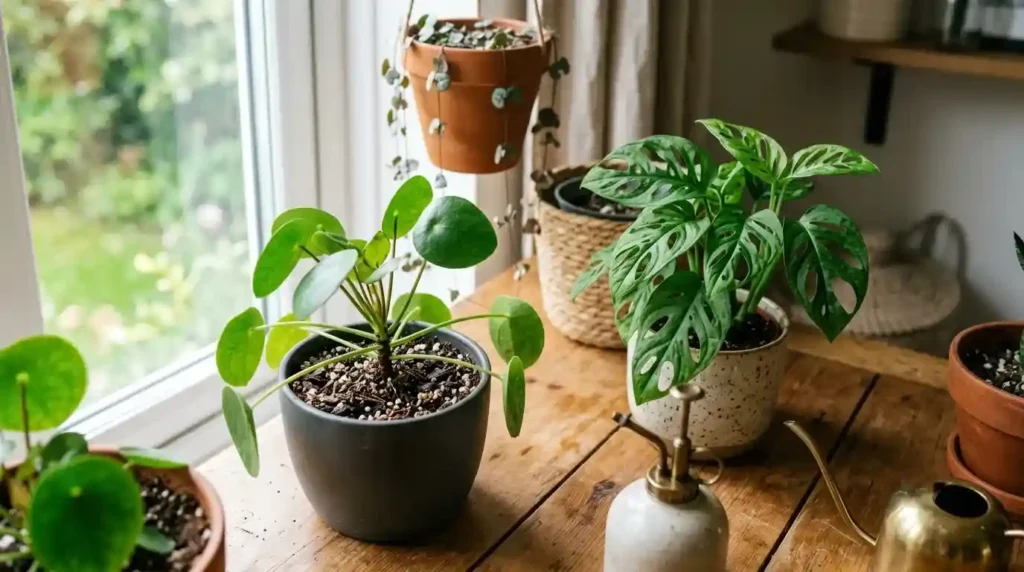
Introduction
Bugs in indoor plant soil are one of the most common challenges faced by houseplant owners. These pests and soil-dwelling organisms can appear unexpectedly, causing concern about plant health, root damage, and persistent infestations. While some soil bugs are harmless decomposers, others can weaken plants by feeding on roots or creating favorable conditions for disease. Understanding how to identify these organisms and apply effective treatments is essential for maintaining healthy indoor plants. This guide explains the most common soil bugs, how to eliminate them naturally or chemically, and how to prevent future infestations.
Quick Summary
- Bugs in indoor plant soil are commonly caused by excess moisture and overwatering.
- Fungus gnats, springtails, root mealybugs, and soil mites are among the most frequently encountered soil pests.
- Hydrogen peroxide, diatomaceous earth, neem oil, and proper watering practices are effective treatment options.
- Correct identification is essential because not all soil bugs are harmful.
- Prevention through well-draining soil and controlled watering is more effective than repeated treatments.
What Are Bugs in Indoor Plant Soil?
Bugs in indoor plant soil refer to various insects, arthropods, and microorganisms that live on the soil surface or within the root zone of potted plants. Some are beneficial or harmless, while others can damage roots and reduce plant vigor.
These organisms are part of the broader soil ecosystem, which is closely related to the concept of soil ecology and decomposition processes.
Common harmful pests include fungus gnat larvae, root mealybugs, and root aphids. These insects feed on roots or create stress that weakens plant growth. In contrast, organisms such as springtails and many soil mites primarily consume decaying organic matter and rarely harm healthy plants.
Because indoor plant bugs in soil vary significantly in behavior and impact, identifying the specific pest is the first step toward effective treatment.
For a better understanding of how indoor soil ecosystems work, you may also explore guides on plant health and indoor growth conditions like Sansevieria Laurentii Care Guide: Complete Indoor Tips and Dracaena fragrans Care Guide: Complete Indoor Growing Tips.
Common Types of Tiny Bugs Found in Houseplant Soil
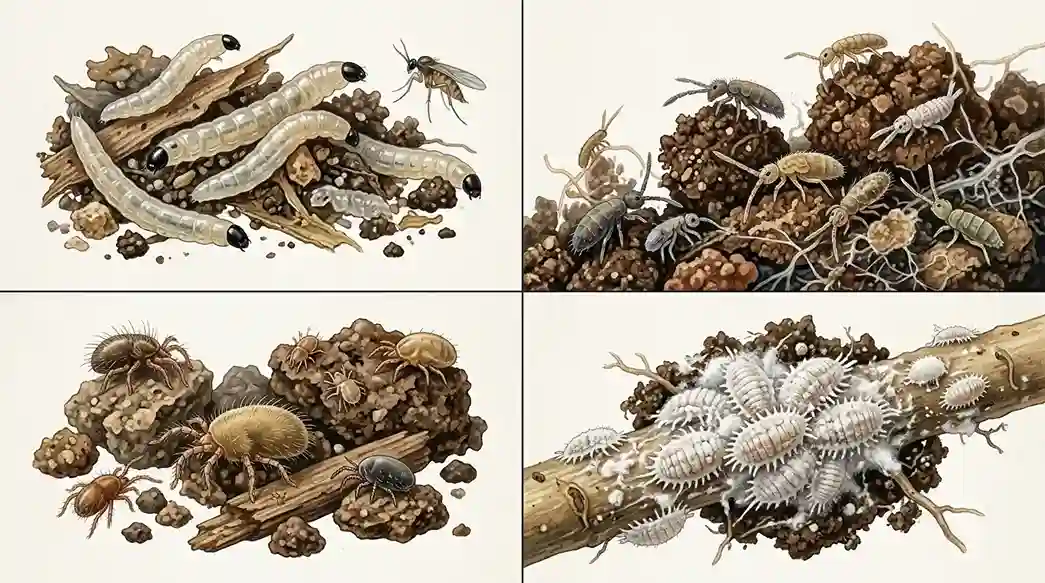
Tiny bugs in houseplant soil can differ greatly in appearance and impact on plant health.
- Fungus gnat larvae — Small, white, thread-like larvae that feed on fungi and tender roots.
- Springtails — Tiny white or gray insects that jump when disturbed and are generally harmless.
- Root mealybugs — White, cotton-like pests that attack roots and reduce nutrient uptake.
- Soil mites — Microscopic organisms that usually help break down organic matter.
- Fungus gnat adults — Small, dark flying insects commonly seen around plant pots.
| Bug Type | Appearance | Harmful? | Location in Soil |
| Fungus gnat larvae | White, thread-like | Yes | Top 2 inches |
| Springtails | Tiny, white/gray, jumping | No | Surface layer |
| Root mealybugs | White, cottony | Yes | Mid-deep roots |
| Soil mites | Microscopic, brown | Rarely | Surface |
| Fungus gnat adults | Small, dark, flying | Indirectly | Soil surface and air |
Do Indoor Plants Attract Bugs?
Yes, indoor plants can attract bugs when environmental conditions favor pest development. However, the soil is usually the primary attractant rather than the plant itself.
Several factors increase the likelihood of soil pests:
- Constantly moist soil
- Overwatering
- Poor drainage
- High humidity
- Decaying organic material
- Old potting mix
These conditions create an ideal environment for fungus growth and microbial activity, which attracts insects such as fungus gnats and springtails.
Overwatering and poor indoor plant conditions are also common issues discussed in broader plant care topics such as Peperomia Leaves Falling Off: Causes, Fixes, and Prevention and Syngonium Leaves Turning Yellow: Causes and Solutions.
Why Overwatering Is the #1 Cause of Soil Bugs
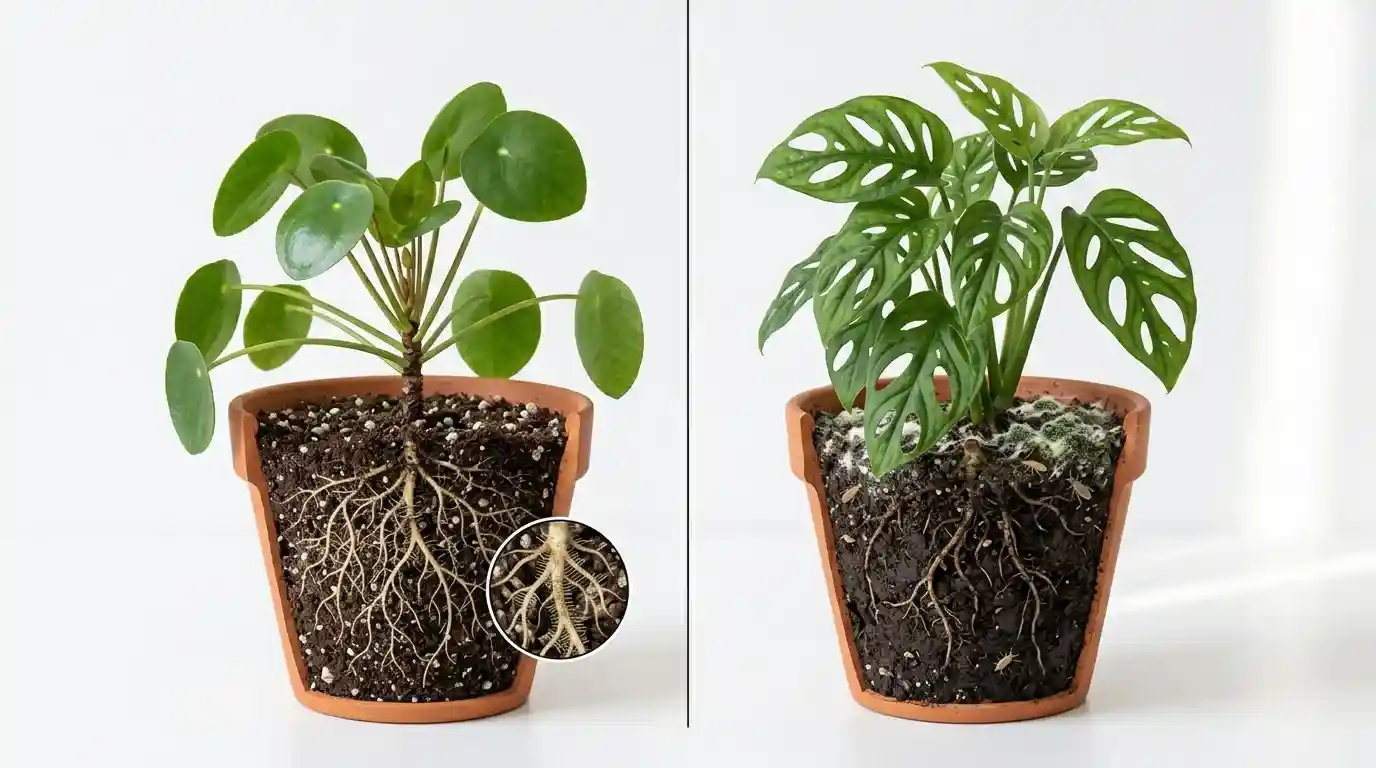
Overwatering is the most common cause of soil bug infestations because excessive moisture creates favorable breeding conditions.
Fungus gnat larvae thrive in damp soil rich in fungal growth. When soil remains wet for extended periods, oxygen levels decrease and fungal populations increase. The larvae feed on these fungi and nearby roots, allowing populations to expand rapidly.
Many gardeners unknowingly worsen infestations by watering more frequently after noticing pests. In reality, reducing excess moisture often helps break the pest life cycle.
Watering mistakes not only attract pests but also lead to root stress, similar to issues explained in Monstera Adansonii Hanging or Climbing and Caring for a Ficus Elastica: Complete Indoor Care Guide.
How to Identify Which Bugs Are in Your Plant Soil
Proper identification helps determine whether treatment is necessary and which method will be most effective.
To identify soil bugs:
- Examine the soil surface closely.
- Watch for flying insects around pots.
- Disturb the soil gently and observe movement.
- Inspect drainage holes.
- Remove the plant from its pot if root pests are suspected.
Flying bugs around indoor plants usually indicate fungus gnats. Tiny jumping insects are often springtails. Cottony white masses attached to roots frequently indicate root mealybugs.
Healthy roots are firm and white. Damaged roots may appear brown, mushy, or partially consumed.
Flying Bugs vs. Crawling Bugs: How to Tell the Difference
Flying bugs and crawling bugs require different treatment approaches.
| Feature | Flying Bugs (Fungus Gnats) | Crawling Bugs (Springtails, Mealybugs) |
| Where seen | Around soil and leaves | Soil surface or roots |
| Activity time | Day and evening | Often when disturbed |
| Damage type | Root damage through larvae | Root feeding or surface activity |
| Most effective fix | Dry soil and sticky traps | Neem oil or hydrogen peroxide |
Flying insects are generally easier to notice, while crawling pests often remain hidden until populations increase significantly.
How to Get Rid of Bugs in Indoor Plant Soil Naturally
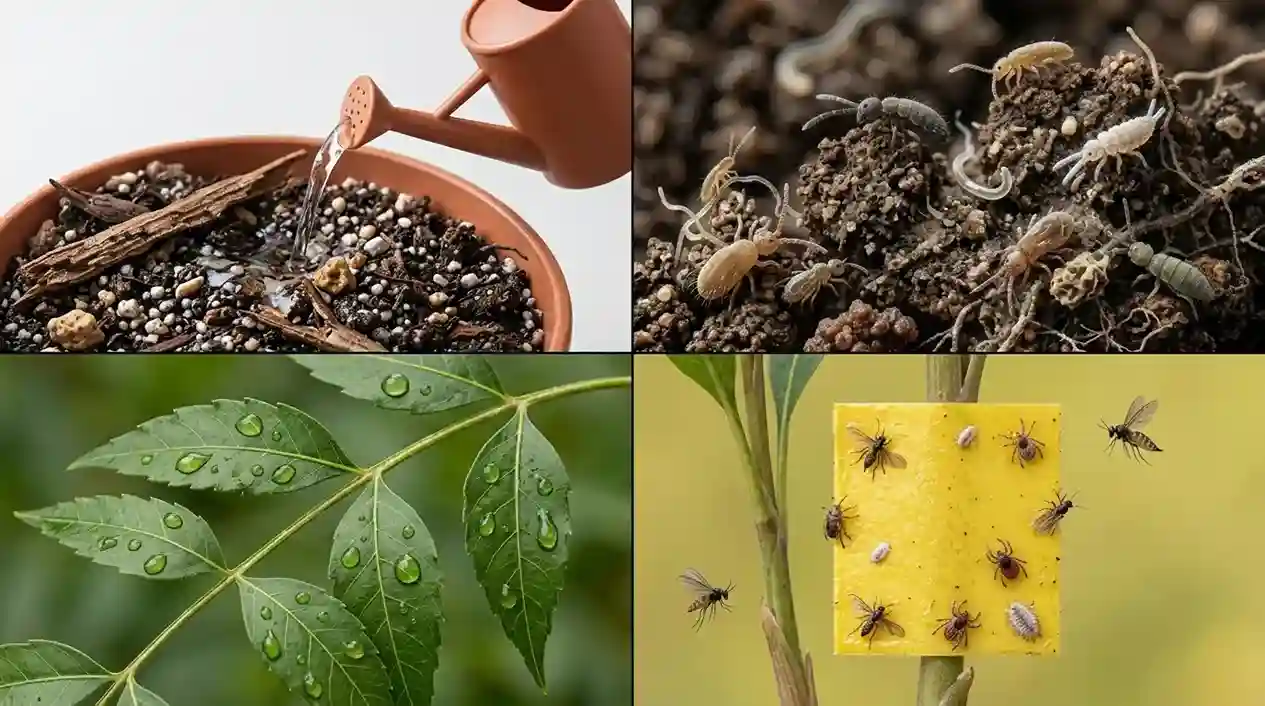
Natural methods can effectively eliminate many soil pests without relying on harsh synthetic chemicals.
The most successful natural treatments include:
- Hydrogen peroxide soil drenches
- Diatomaceous earth
- Neem oil
- Cinnamon
- Apple cider vinegar traps
- Yellow sticky traps
- Improved watering practices
Combining several methods often produces better results than relying on a single treatment.
Using Hydrogen Peroxide to Kill Bugs in Plant Soil
Hydrogen peroxide (H₂O₂) is a chemical compound consisting of hydrogen and oxygen. It acts as an oxidizing agent and is commonly used for disinfecting and pest management.
A typical soil drench uses:
- 1 part 3% hydrogen peroxide
- 4 parts water
Apply the mixture directly to the soil until evenly moist.
When hydrogen peroxide contacts organic matter, it releases oxygen. This reaction helps kill fungus gnat larvae and other soil pests while increasing oxygen availability around plant roots.
Most houseplants tolerate occasional applications when properly diluted. Weekly treatments are often sufficient during active infestations.
Using Diatomaceous Earth to Get Rid of Soil Bugs
Diatomaceous earth is a naturally occurring powder made from fossilized remains of microscopic aquatic organisms called diatoms.
The powder appears soft to humans but contains microscopic particles that damage insect exoskeletons. This causes insects to lose moisture and eventually die from dehydration.
To use diatomaceous earth:
- Apply a thin layer over dry soil.
- Cover the entire soil surface.
- Reapply after watering if necessary.
Food-grade diatomaceous earth is the preferred option for indoor gardening.
Using Neem Oil for Bugs in Houseplant Soil
Neem oil is an organic pesticide derived from the seeds of the neem tree.
It works by disrupting insect feeding, growth, and reproduction. Neem oil can be applied as both a soil drench and a foliar spray.
Benefits include:
- Reduces larvae populations
- Deters adult insects
- Helps manage multiple pest species
- Provides long-term suppression
Apply neem treatments every 7 to 14 days during active infestations. Avoid applying foliar sprays in direct sunlight to reduce the risk of leaf damage.
Apple Cider Vinegar and Other Home Remedies
Apple cider vinegar traps are useful for capturing adult fungus gnats.
A simple trap includes:
- Apple cider vinegar
- A small container
- A drop of dish soap
Adult gnats are attracted to the scent and become trapped in the liquid.
Other helpful remedies include:
- Cinnamon powder to reduce fungal growth
- Yellow sticky traps for adult insects
- Allowing soil to dry between waterings
These methods work best when combined with treatments targeting larvae in the soil.
How to Get Rid of Flying Bugs on Indoor Plants
Flying bugs around houseplants are usually fungus gnats. Eliminating them requires targeting both adults and larvae. Adult fungus gnats live only briefly, but larvae remain in the soil where they continue developing. Treating only the adults often results in recurring infestations.
Flying pest issues like fungus gnats are closely related to humidity and indoor airflow, similar to care challenges discussed in Chamaedorea Elegans Dry Leaves Causes & Fix.
An integrated approach should include:
- Soil drying
- Sticky traps
- Hydrogen peroxide drenches
- Improved watering practices
Addressing all life stages is essential for complete control.
Step-by-Step Process to Eliminate Fungus Gnats
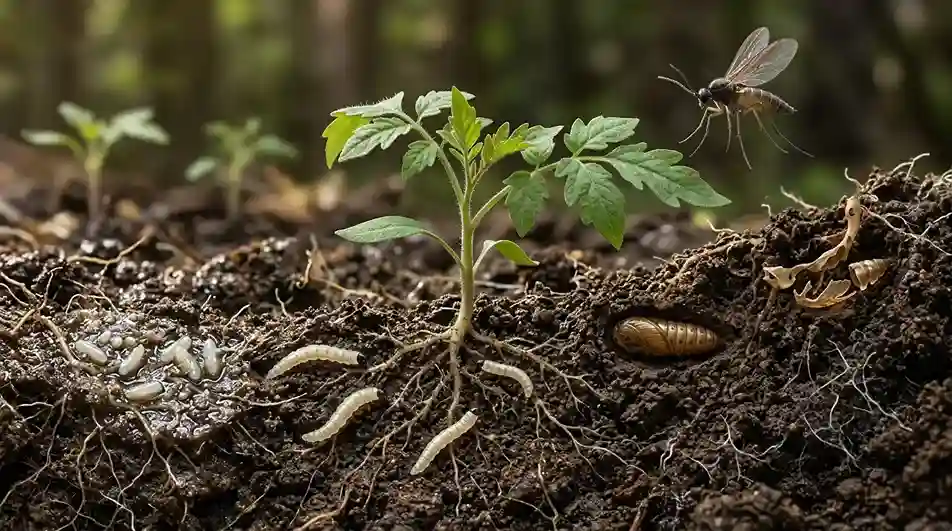
- Allow the soil to dry thoroughly between waterings.
- Apply a hydrogen peroxide drench to kill larvae.
- Place yellow sticky traps near the soil surface.
- Add a layer of diatomaceous earth on top of the soil.
- Repeat treatments weekly for three to four weeks.
This process targets larvae, pupae, and adults simultaneously.
How to Get Rid of Bugs in Plant Soil That Are Eating Roots
Root-feeding pests require more aggressive intervention because they directly affect plant health.
Common symptoms include:
- Wilting despite adequate watering
- Stunted growth
- Yellowing leaves
- Reduced root mass
Treatment often involves:
- Removing the plant from its container.
- Discarding infested soil.
- Rinsing roots carefully.
- Treating roots with diluted neem solution.
- Repotting in fresh, sterile potting mix.
This approach helps eliminate hidden root pests and reduces the risk of reinfestation.
How to Treat Bugs in Potting Soil Before Bringing Plants Inside
Preventative treatment reduces the likelihood of introducing pests into indoor collections.
Recommended steps include:
- Inspecting roots and soil thoroughly
- Applying diatomaceous earth or neem oil
- Quarantining plants for one to two weeks
- Monitoring for signs of insects
Quarantine is especially important when purchasing new plants or moving outdoor plants indoors.
How to Get Rid of Bugs on Indoor Plants: Soil vs. Leaves
Soil pests and foliage pests require different treatment strategies.
| Treatment Target | Method | Tools Needed |
| Soil bugs (larvae) | Hydrogen peroxide, neem oil, DE | Watering can, powder |
| Soil surface bugs | DE top-dressing, cinnamon | Powder applicator |
| Flying adult gnats | Sticky traps, vinegar traps | Trap or jar |
| Leaf bugs | Neem spray, insecticidal soap | Spray bottle |
Treating only leaves will not eliminate pests living in the soil. Likewise, treating only the soil may leave foliage pests unaffected.
Common Mistakes That Make Soil Bug Problems Worse
Several common mistakes allow infestations to persist.
- Continuing to overwater
- Using dense soil without drainage amendments
- Ignoring larvae while targeting adults
- Failing to quarantine new plants
- Reusing contaminated potting soil
Adding perlite to potting mixes often improves drainage and helps reduce moisture-related pest problems.
How to Prevent Bugs in Indoor Plant Soil Long-Term
Prevention is the most reliable solution for soil pest management.
Best practices include:
- Water only when needed
- Use well-draining potting mixes
- Inspect plants regularly
- Clean pots before reuse
- Apply top-dressings when necessary
- Improve airflow around plants
Many gardeners use the finger test by inserting a finger into the soil to check moisture before watering. This simple habit helps prevent overwatering and reduces pest pressure.
Seasonal awareness is also important because soil pests tend to become more active during warm weather.
Conclusion
Bugs in indoor plant soil are a common but manageable problem for houseplant owners. Successful control begins with proper identification because some soil organisms are harmless while others can damage roots and reduce plant health. Natural solutions such as hydrogen peroxide drenches, diatomaceous earth, neem oil, and sticky traps are highly effective when applied consistently. Most infestations are linked to excess moisture, making proper watering practices the foundation of long-term prevention. By combining targeted treatments with good plant care habits, gardeners can keep indoor plant soil healthy and largely free from damaging pests.
For a deeper understanding of plant care systems and long-term maintenance strategies, explore our complete guide on Plants Benefits and Guides (Complete Care, Types & Growing Tips).
Frequently Asked Questions
1. What are the tiny white bugs in my houseplant soil?
Tiny white bugs are often springtails or root mealybugs. Springtails move quickly and may jump when disturbed, while root mealybugs appear as cottony white clusters around roots. Springtails are generally harmless, whereas root mealybugs can damage plant health.
2. Can I use hydrogen peroxide on all houseplants to kill soil bugs?
A properly diluted 3% hydrogen peroxide solution is safe for most houseplants. The standard ratio is one part hydrogen peroxide to four parts water. Sensitive plants should be tested on a small area first before full application.
3. How long does it take to get rid of fungus gnats in houseplant soil?
Complete elimination usually takes three to six weeks. Fungus gnats have multiple life stages, and treatments must continue long enough to disrupt the entire life cycle.
4. Is diatomaceous earth safe to use on indoor plants?
Food-grade diatomaceous earth is generally safe for indoor plants, pets, and humans when used correctly. Avoid inhaling the powder during application and use only food-grade products rather than pool-grade versions.
5. Why do I keep getting bugs in my indoor plant soil even after treatment?
Recurring infestations are often caused by overwatering, surviving larvae, inconsistent treatments, or introducing new infested plants. Addressing all sources of infestation is necessary for lasting control.


