
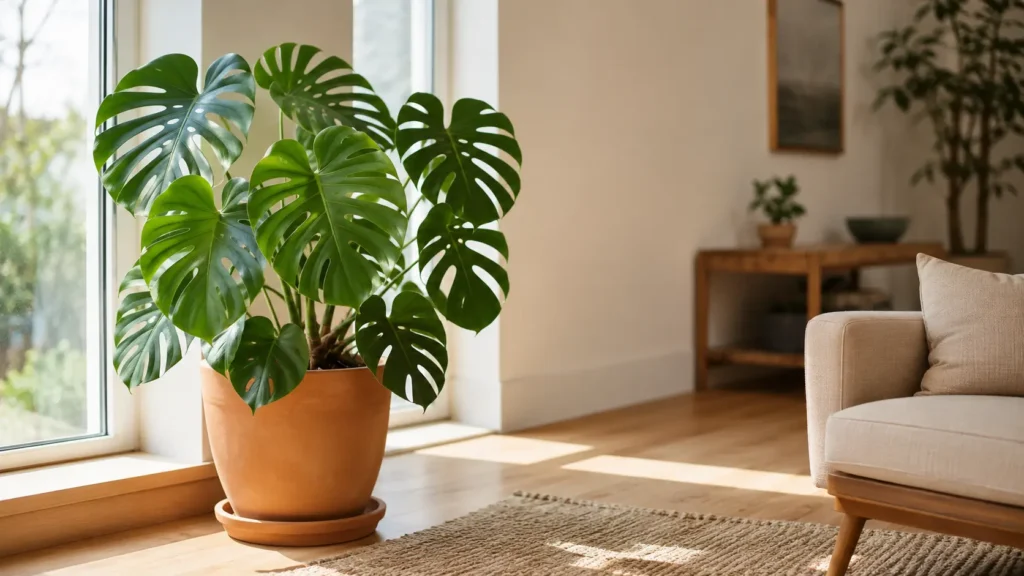
The best monsteras for beginners, according to Manuela Nogueira, are Monstera deliciosa, Monstera adansonii and Monstera peru, all of which are forgiving of inconsistent watering, adapt to medium or bright indirect light, and grow steadily indoors without complicated humidity or pruning needs. They are much more forgiving of occasional neglect than variegated cultivars like Monstera albo, being resilient to neglect sometimes.
In fact, Nogueira says, beginners tend to underwater Monsteras more than overwater them, because no matter the variety, Monstera roots rot quickly in soggy soil. Monstera peru has thick, rippled leaves and a very different look to deliciosa, she adds, but it also has the same low-maintenance care profile so variety is largely a matter of esthetics and not difficulty of care.
Quick Summary
- Monstera deliciosa and Monstera adansonii are the two safest first picks — tolerant of average home light and forgiving of watering mistakes.
- Variegated types like Thai Constellation and Albo are not ideal first plants — they’re slower, pickier about light, and easy to overpay for.
- “Mini monstera” isn’t a true Monstera — it’s a different genus (Rhaphidophora tetrasperma) that’s often confused with one.
- Pick your variety based on the space you have (floor, shelf, or desk), not just the name.
What Makes a Monstera “Beginner-Friendly”? (Not Just Popular)
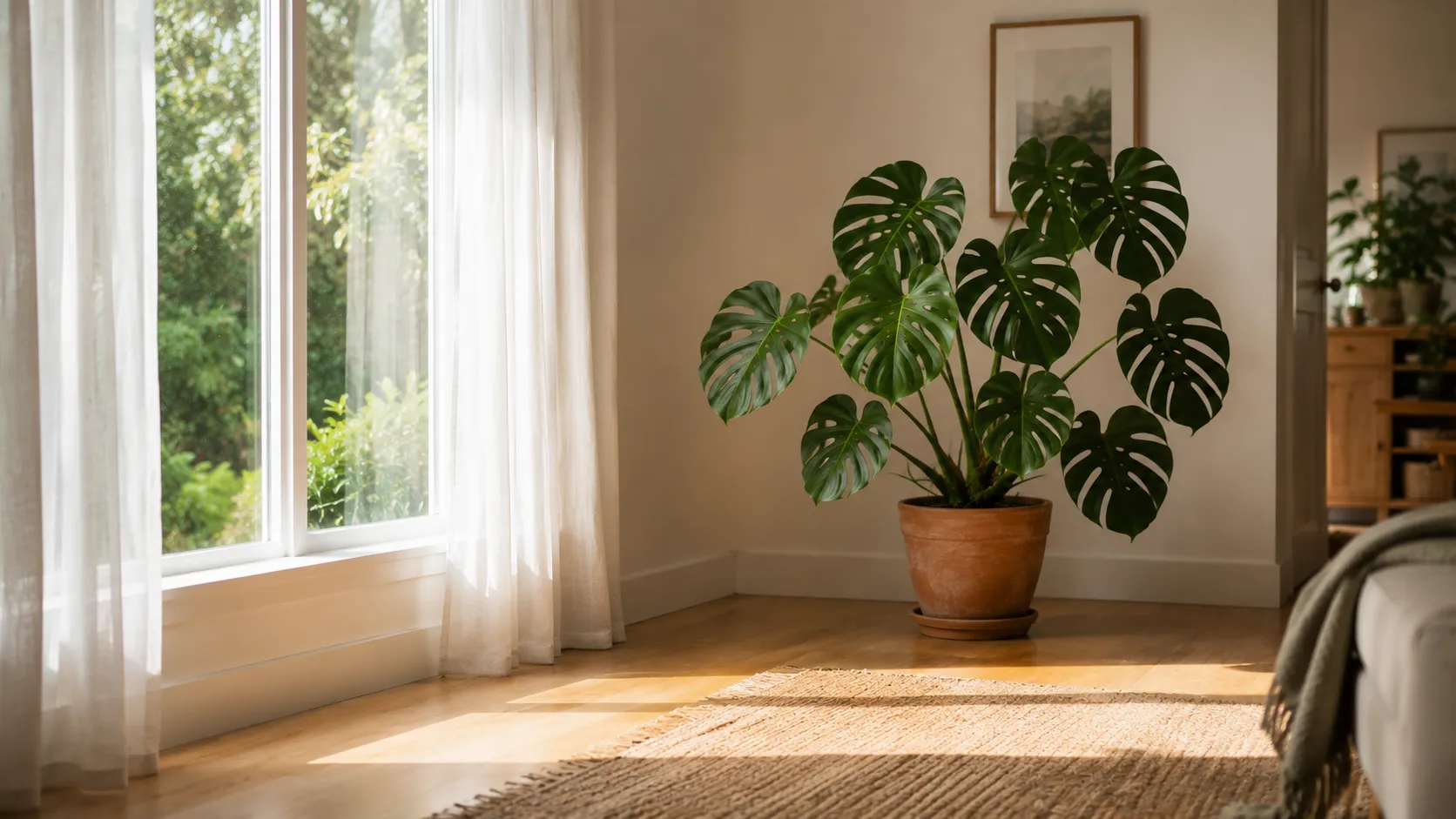
A beginner Monstera is one that can tolerate a range of indoor light, doesn’t require perfect watering, and has a predictable upright or trailing habit without needing special humidity conditions. These criteria are important as a first time owner does not typically have dialed in light meters or a humidity tent yet – they have a living room window and a watering can.
And that’s why just because a plant is trending on social media doesn’t mean it’s easy. Variegated Monsteras are a big visual trend, but that white-and-green pattern comes from less chlorophyll, meaning slower growth, more light required and a real risk of reverting to solid green without attentive care. For a full botanical profile, NC State Extension’s Plant Toolbox entry on Monstera deliciosa is a solid reference.
Common beginner mistake: assuming the most photographed variety is the easiest one. In practice, the plants doing best in average living rooms are usually the plainer, all-green types.
Monstera Deliciosa vs. Borsigiana vs. Mini Monstera — What’s the Real Difference?
These three names get confused constantly, and nurseries themselves are inconsistent about labeling.
| Variety | Leaf size at maturity | Growth speed | True Monstera? | Beginner suitability |
| Monstera deliciosa | Large, broad splits | Moderate | Yes | High |
| Monstera borsigiana | Smaller, faster to climb | Faster than deliciosa | Yes | High |
| “Mini monstera” (Rhaphidophora tetrasperma) | Small, delicate splits | Fast | No — different genus | High, but not a true Monstera |
Deliciosa is the classic large-leaf plant most people picture. Borsigiana is a smaller, quicker-climbing relative frequently sold as deliciosa without correction. The “mini monstera” looks similar in leaf shape but isn’t related — it’s popular because it’s compact and easy, not because it’s a small deliciosa. Confusing Monstera with Philodendron at the nursery is just as common — see Monstera vs. Philodendron: How to Tell Them Apart if you want to double-check before you buy.
Best Monstera Varieties for Beginners (Ranked Shortlist)
1. Monstera Deliciosa — Best Overall First Pick
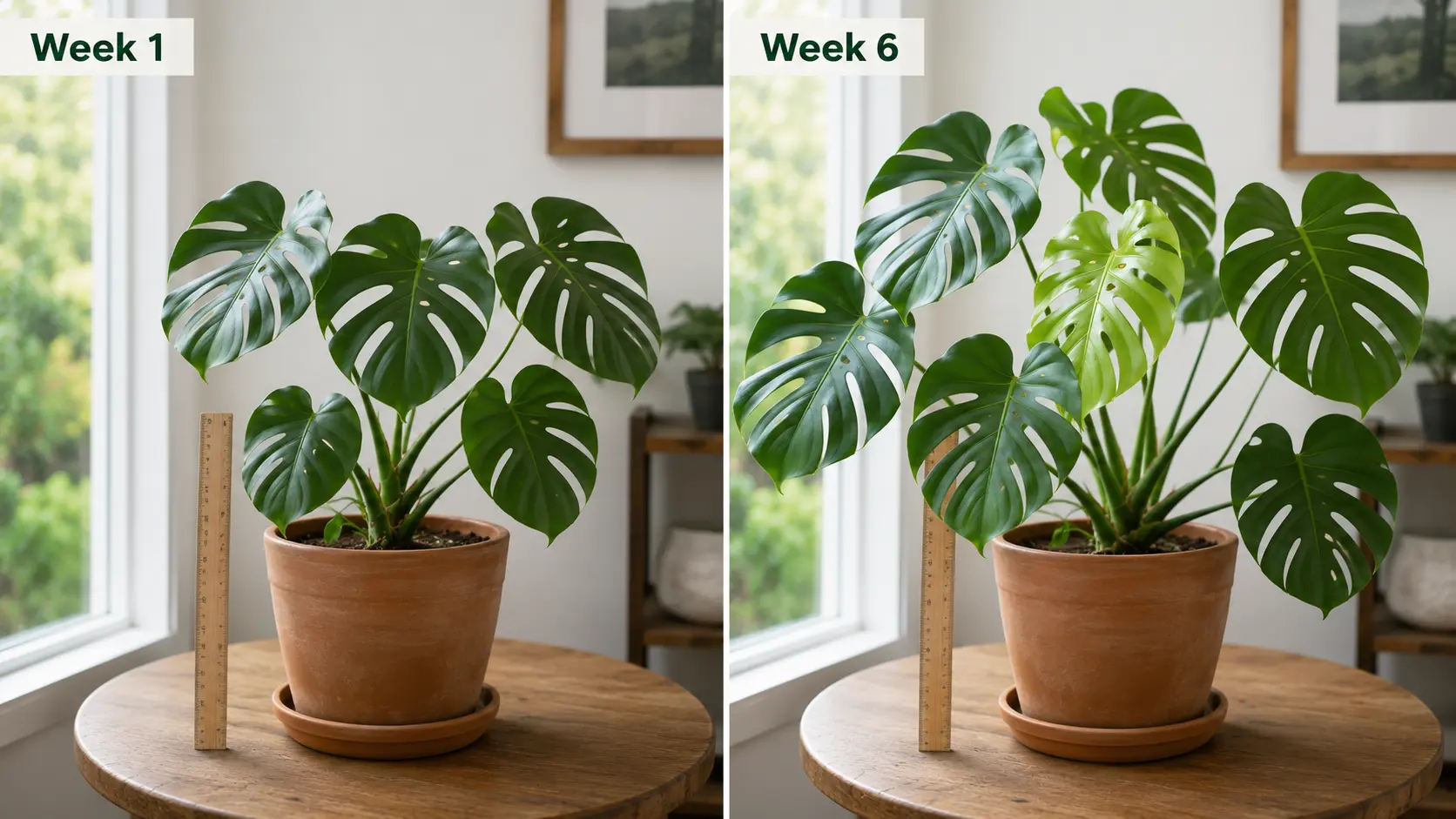
Deliciosa is the strongest first choice for most beginners. It tolerates a wide range of indoor light, is the most widely propagated and available Monstera on the market, and grows in a predictable upright habit that’s easy to support as it matures.
2. Monstera Adansonii — Best for Small Spaces or Hanging Displays
Adansonii is the better pick if you don’t have floor space for a large plant. It has a naturally vining habit, fenestrates (develops holes) faster than deliciosa even as a young plant, and does well on a shelf or in a hanging basket without needing a climbing structure right away. Not sure whether to let it trail or train it upward? See our full breakdown in Monstera Adansonii: Hanging or Climbing.
3–5. Other Beginner-Safe Options
A small number of other widely available, all-green varieties can round out the shortlist depending on local availability — the key filter to apply is the same: wide light tolerance, consistent growth habit, and no variegation.
- Light needs: bright, indirect light for all shortlist varieties
- Watering: water when the top 1–2 inches of soil are dry
- Typical price range: generally the most affordable Monstera types on the market
- Fenestration timing: begins once the plant matures past its juvenile leaf stage
NC State Extension notes adansonii’s naturally fast growth rate and climbing habit in the wild, which is exactly why it adapts so easily indoors.
Varieties Beginners Should Think Twice About (And Why)
Thai Constellation, Albo, and Monstera obliqua are frequently marketed to new buyers but come with real friction: variegation is genetically unstable and can revert, light requirements are stricter, growth is noticeably slower, and prices are inflated relative to how easy the plant actually is to keep alive. Mislabeling risk is also highest in this category — rare-looking cuttings are the most common target for scams. These are better second or third plants, once you’ve learned your space’s light and watering rhythm on an easier variety first. If you’re set on a variegated type despite the added difficulty, our Variegated Monstera Deliciosa Care Guide covers what it actually takes to keep one looking its best.
Choose Your Monstera by Space, Not Just by Name
- Floor statement plant → Monstera deliciosa
- Shelf or hanging vine → Monstera adansonii
- Small desk plant → a compact, juvenile all-green variety
Do Beginner Monsteras Need a Moss Pole Right Away?
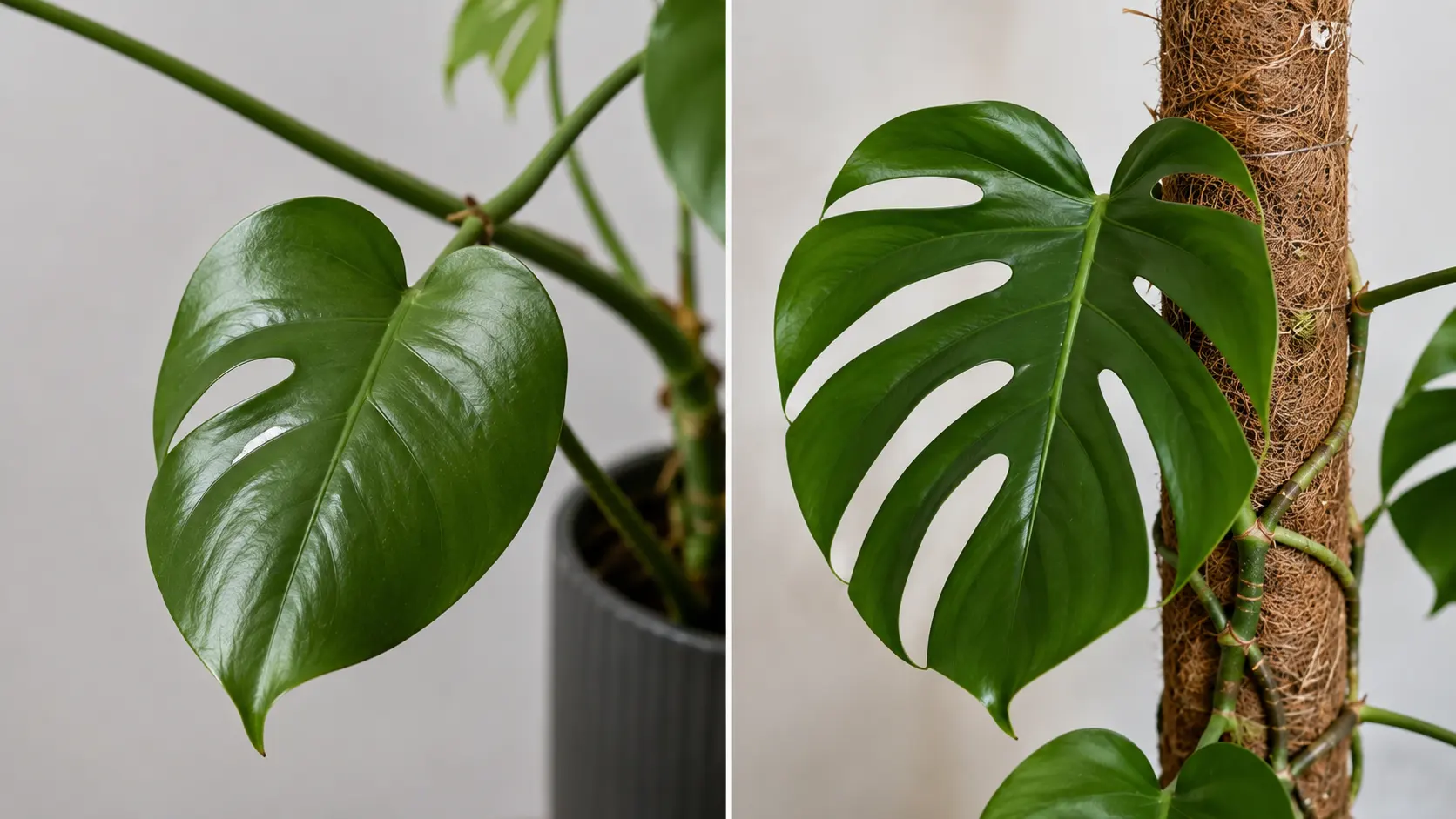
Not immediately, but adding climbing support earlier tends to produce larger, more fenestrated leaves over time. Climbing triggers a maturity response in aroids that trailing growth doesn’t, so a plant left to sprawl on a shelf will generally stay smaller-leaved longer than one given something to climb. Those aerial roots grip the pole at the plant’s nodes — the same points used for propagation. Our Monstera Plant Node Guide explains how to identify and use them.
Light, Water, and Soil — What a Beginner Monstera Actually Needs
- Light: bright, indirect — a few feet back from a bright window
- Water: when the top 1–2 inches of soil are dry
- Soil: an airy mix — orchid bark, perlite, and potting soil rather than dense standard potting soil. Pot choice matters just as much as soil mix — see our Best Pot for Monstera guide for the right size and material for your plant’s stage.
- Humidity: average home humidity is generally tolerated
- Temperature: typical indoor room temperature
One more thing before you buy: Monstera is mildly toxic to cats and dogs, per the ASPCA, so keep it away from curious pets.
Why Won’t My Monstera’s Leaves Fenestrate?
The most common reasons are insufficient light, the plant still being in its juvenile growth stage, and a lack of climbing support. It’s also worth setting expectations: many marketplace photos show mature, heavily fenestrated leaves that a young plant simply won’t produce yet, regardless of care quality.
Common Beginner Problems — Causes, Fixes, Prevention
Yellowing Leaves
Why: most often overwatering.
Fix: let soil dry further between waterings and check for standing water in the pot.
Prevent: use a well-draining, airy soil mix from the start.
Root Rot from Overwatering
Why: compacted soil holding excess moisture.
Fix: remove the plant, trim affected roots, repot in fresh airy mix.
Prevent: water on a dry-soil-check basis, not a fixed schedule.
Slow or Stalled Growth
Why: insufficient light, dormancy season, or a rootbound pot.
Fix: move closer to a light source or size up the pot.
Prevent: check root growth at repotting intervals rather than waiting for visible stalling.
How to Buy a Correctly Labeled, Healthy Monstera
Mislabeling is a recurring frustration among buyers, especially online. Check leaf shape and node spacing against the labeled variety before purchase, favor specialty nurseries with plant-specific expertise over unverified marketplace listings, and treat unusually low prices on “rare” variegated cuttings as a red flag rather than a deal.
Conclusion
For most new owners, the choice is between Monstera deliciosa or Monstera adansonii. Both are easy to care for in average home conditions and forgiving of first-time mistakes. The choice really comes down to how much floor space you have. Variegated and rare varieties are better saved for a second or third plant, once you’ve learned how your specific space handles light and watering. Start with the easy kind that fits your space and save the more demanding ones for later. New to houseplants in general? Our Plants: Benefits and Guides hub covers care, types, and growing tips across every popular indoor plant.
FAQs
What is the easiest Monstera variety for a first-time plant owner?
Monstera deliciosa is generally the most forgiving and widely available option for beginners.
Is Monstera deliciosa the same as Monstera borsigiana?
No — borsigiana is a related but smaller, faster-climbing variety often mislabeled as deliciosa.
Is a “mini monstera” actually a Monstera?
No, it’s Rhaphidophora tetrasperma, a different genus that resembles Monstera in leaf shape.
Should beginners buy a variegated Monstera like Thai Constellation?
It’s not recommended as a first plant — variegated types are slower-growing, pickier about light, and more prone to mislabeling and inflated pricing.
Why aren’t my Monstera’s leaves splitting or getting holes?
Usually insufficient light, a juvenile growth stage, or lack of climbing support.
Do Monsteras need a moss pole to grow properly?
Not immediately, but climbing support encourages larger, more fenestrated leaves over time.