
Introduction
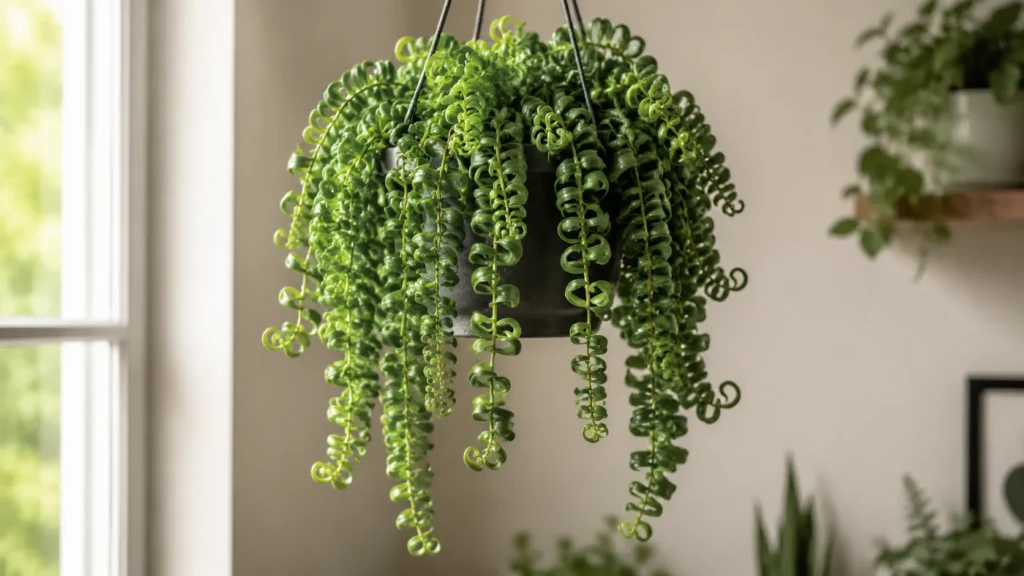
Aeschynanthus Rasta is a curly-leaved cultivar of the lipstick plant from the genus Aeschynanthus in the Gesneriaceae family. It is recognized for its tightly twisted foliage and cascading trailing growth habit, making it a popular ornamental houseplant. This article explains Aeschynanthus Rasta care, propagation methods, growth behavior, flowering patterns, and common troubleshooting issues in a clear, structured format suitable for practical plant care guidance.
Aeschynanthus Rasta is part of a broader group of ornamental houseplants commonly explored in Plants Benefits and Guides, where indoor plant care, benefits, and growing techniques are covered in detail.
Written by Manuela Nogueira | Last updated: August 2026
Quick Summary
- Aeschynanthus Rasta is a curly-leaved lipstick plant prized for dense, twisted foliage and trailing red-orange flowers.
- It thrives in bright indirect light, well-draining soil, and consistent moisture without waterlogging.
- It is easily propagated through stem cuttings and grows moderately with seasonal variation.
- The plant is mildly toxic to pets if ingested, requiring household caution.
- It differs from varieties like Twister and Radicans mainly through its tighter leaf curl and compact appearance.
What Is Aeschynanthus Rasta?
Aeschynanthus Rasta is a cultivated variety of lipstick plant belonging to the Aeschynanthus genus, a group of tropical epiphytic plants known for their tubular flowers and trailing vines. The name “lipstick plant” comes from its distinctive flowers, which emerge from a dark calyx resembling a lipstick tube being pushed out of its casing.
The plant belongs to the genus Aeschynanthus, a group of tropical flowering plants commonly known as lipstick plants.
This cultivar is especially valued for its tightly curled leaves, which give it a dense, textured appearance compared to smoother-leaved relatives. It shares a similar trailing growth habit with other ornamental vines like Ceropegia woodii Care Guide & Plant Info, making it ideal for hanging baskets.
Why Is It Called the “Rasta” Lipstick Plant?
The name “Rasta” comes from the plant’s highly curled, rope-like leaves that resemble dreadlocks. This distinctive foliage shape is what sets it apart from other curly houseplants and lipstick vine varieties.
Curly Leaf Characteristics
The leaves of Aeschynanthus Rasta are thick, waxy, and tightly spiraled. Curl intensity can vary depending on humidity, light exposure, and overall plant health. Higher humidity and bright indirect light generally enhance leaf curling and overall compact growth.
Aeschynanthus Rasta Plant Size and Growth Habit
Aeschynanthus Rasta is a moderately growing trailing plant that adapts well to indoor environments. Its final size depends heavily on environmental conditions such as pot size, light levels, and humidity.
Mature Height and Width (Indoor vs. Outdoor)
Indoors, Aeschynanthus Rasta typically reaches 30–60 cm in height while trailing vines can extend 60–90 cm or more. Outdoors in tropical climates, growth can be more vigorous, with longer vines and denser foliage due to higher humidity and natural light exposure.
Growth Rate
The plant exhibits moderate growth, with active development during spring and summer. Growth slows significantly in winter due to reduced light and cooler temperatures. Proper feeding and humidity can increase growth speed.
Trailing and Hanging Growth Habit
Aeschynanthus Rasta naturally develops a trailing growth habit, making it ideal for hanging baskets or elevated shelves. The cascading vines enhance decorative indoor plant displays.
How to Care for Aeschynanthus Rasta
Proper Aeschynanthus Rasta care focuses on balancing light, moisture, and humidity while avoiding overwatering, which is the most common issue.
Light Requirements
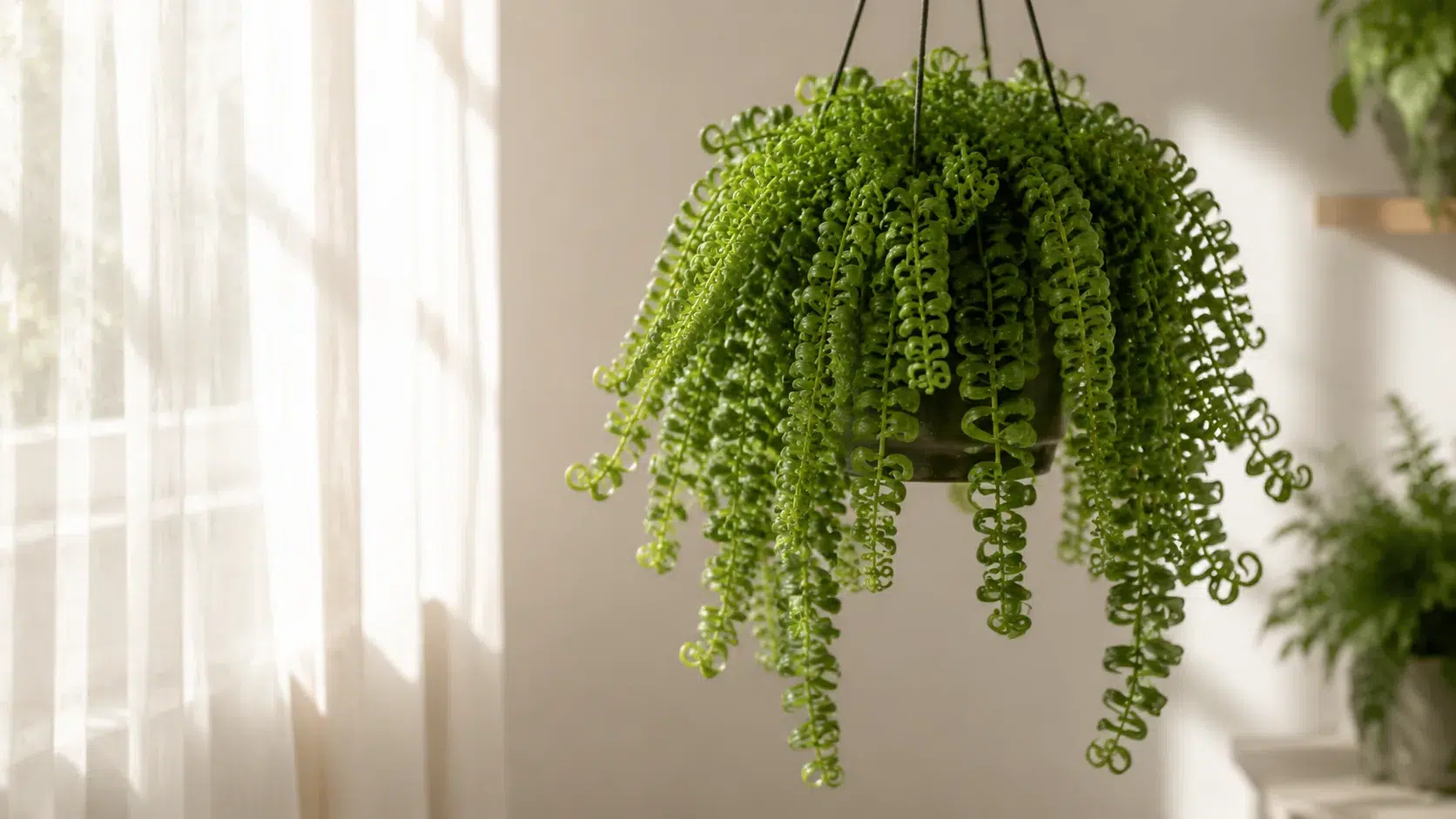
The plant prefers bright, indirect light. Too much direct sunlight can scorch leaves, while low light reduces curling and flowering. Similar to other tropical plants like Alocasia Zebrina Care Guide, it thrives in bright, filtered indoor light rather than direct sun exposure.
Watering Needs
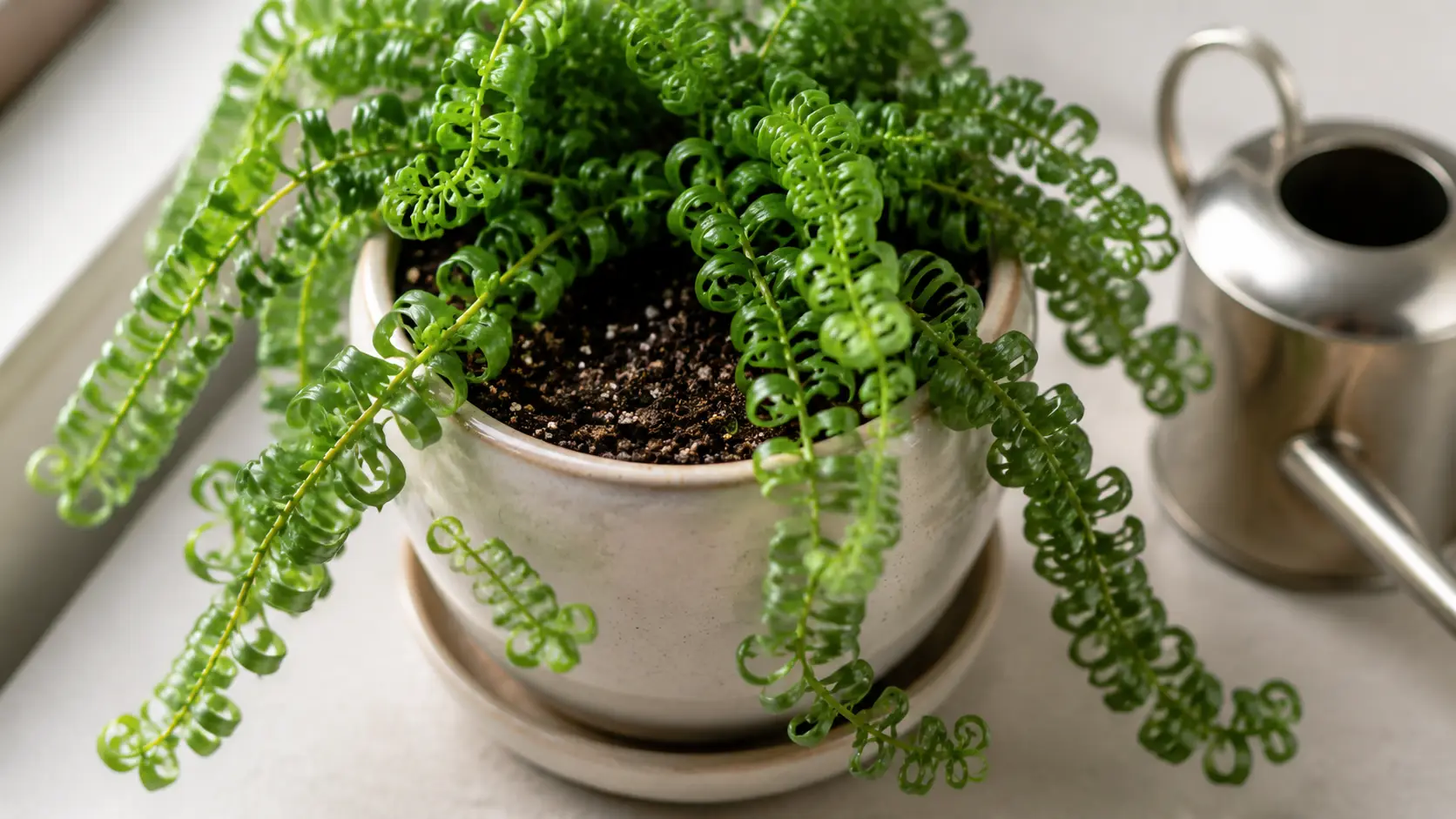
Keep soil consistently moist but not soggy. Overwatering can quickly lead to root rot, while underwatering causes leaf curling loss and dryness.
Soil and Potting Mix
A well-draining, airy mix is essential. An epiphyte-friendly blend containing peat, perlite, and orchid bark works best to support healthy roots. Like Caring for a Ficus Elastica, Aeschynanthus Rasta requires a well-aerated soil mix to maintain healthy root oxygen levels.
Fertilizing
Feed monthly during the growing season with a balanced, diluted liquid fertilizer. Avoid over-fertilizing, which can damage root systems.
Pruning
Regular pruning encourages fuller growth and helps maintain compact, decorative vines. Pinching tips promotes branching and leaf density.
Temperature and Humidity Tolerance
Ideal temperatures range between 18–27°C (65–80°F). The plant prefers moderate to high humidity and should be protected from cold drafts. Its humidity requirements are similar to Calathea Orbifolia Care Guide, which also prefers warm, moisture-rich environments.
Table — Aeschynanthus Rasta Quick Care Reference
| Factor | Requirement |
| Light | Bright, indirect |
| Water | Moist, never soggy |
| Soil | Well-draining, airy |
| Humidity | Medium–high |
| Temperature | 65–80°F (18–27°C) |
| Fertilizer | Balanced, diluted (spring–summer) |
How to Propagate Aeschynanthus Rasta
Propagation is straightforward using stem cuttings, making it an accessible plant to multiply at home.
Stem Cutting Method
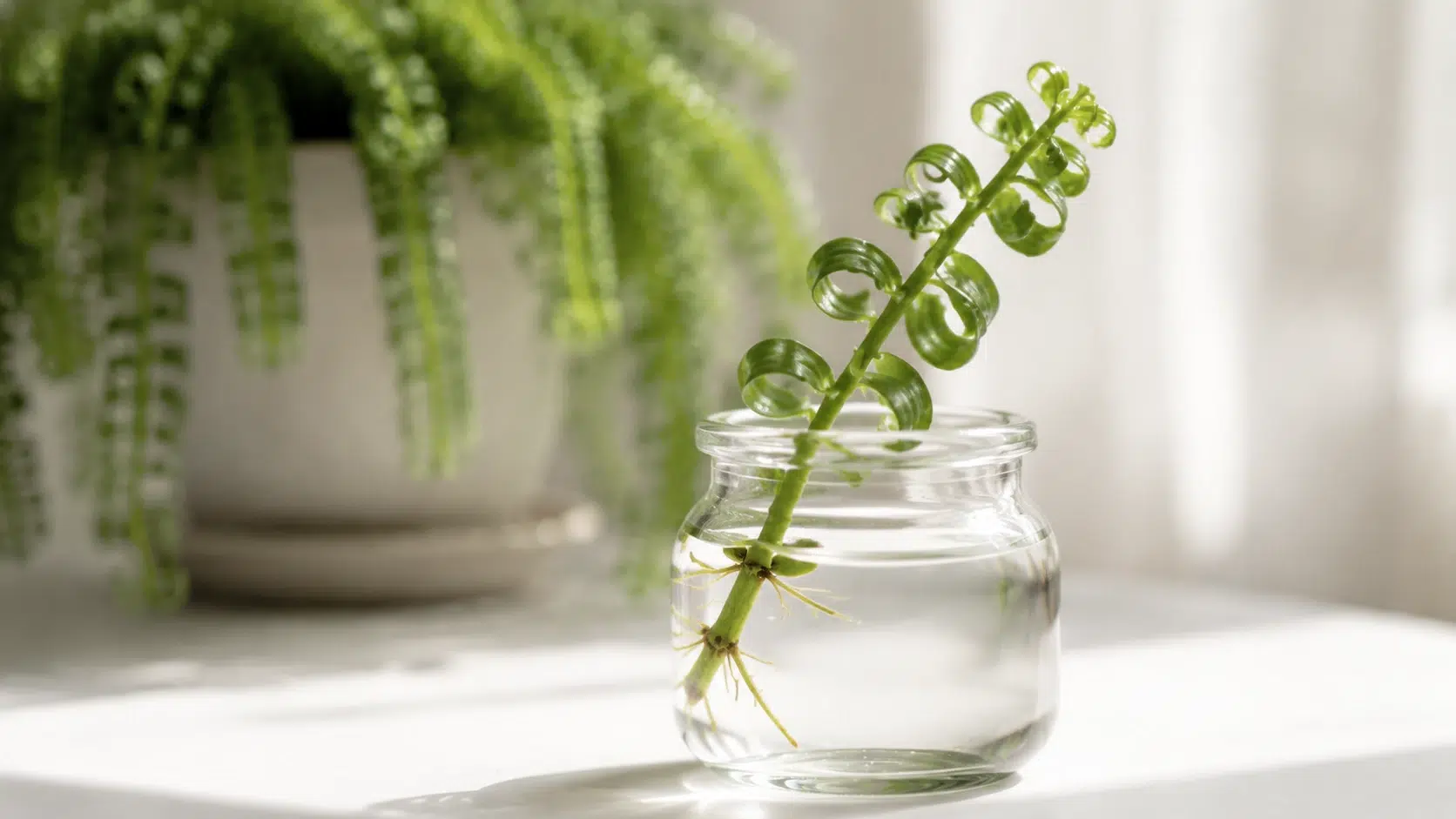
Select a healthy stem with at least one or two nodes. Cut below a node and place the cutting in water or moist soil. Remove lower leaves to prevent rot and encourage root formation.
Rooting Time and Conditions
Roots typically develop within 2–4 weeks under warm temperatures and high humidity. Consistent moisture and indirect light improve success rates.
Aeschynanthus Rasta Flowers and Blooming
This plant produces vibrant tubular flowers that enhance its ornamental appeal when conditions are optimal. Like Begonia Maculata Care Guide, flowering in Aeschynanthus Rasta depends heavily on light exposure and maturity of the plant.
What the Flowers Look Like
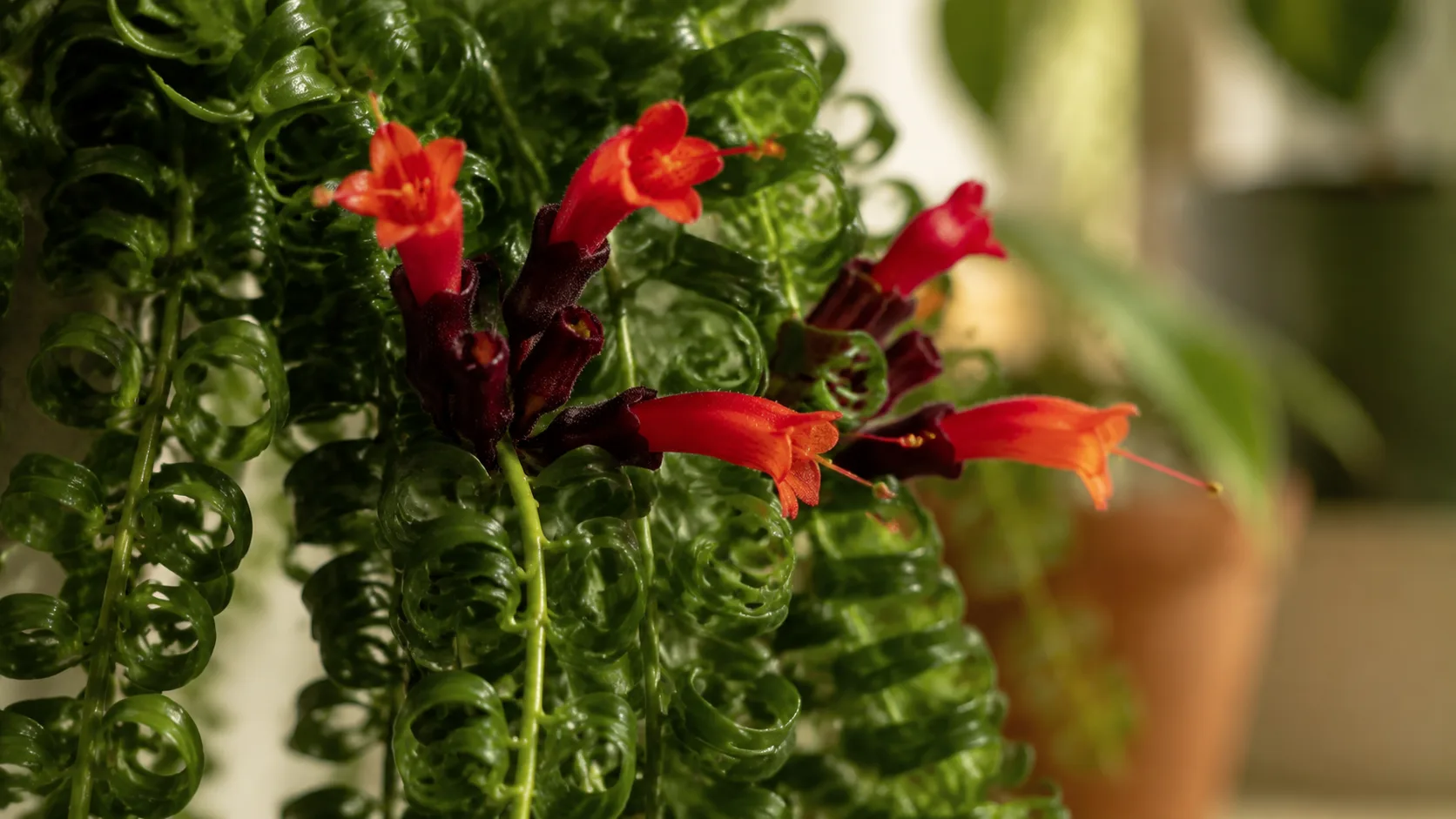
The blooms are tubular, red-orange in color, and emerge from a darker calyx, creating a lipstick-like appearance typical of the genus.
When and How Often It Blooms
Flowering usually occurs in warmer months when the plant receives adequate light and slight environmental stress, such as being slightly root-bound.
Is Aeschynanthus Rasta Toxic to Pets?
Aeschynanthus Rasta is considered mildly toxic to cats and dogs if ingested. While it is not highly poisonous, it can cause digestive irritation, drooling, or mild discomfort. Keeping the plant out of reach of pets is recommended.
Common Aeschynanthus Rasta Problems (and How to Fix Them)
Yellowing Leaves
Often caused by overwatering, poor drainage, or low light. Improve soil drainage and adjust watering frequency.
Leaves Losing Their Curl
Usually linked to low humidity or insufficient light. Increasing humidity and improving light exposure restores curl intensity.
Overwatering and Root Rot
Symptoms include mushy roots and wilting leaves. Remove affected roots and repot in fresh, well-draining soil.
Pests (Mealybugs, Aphids)
These pests appear as white clusters or sticky residue. Treat with neem oil or insecticidal soap.
Slow or Stalled Growth
Typically caused by low light, lack of nutrients, or winter dormancy. Adjust feeding and light conditions accordingly. Yellowing leaf issues are also common in plants like Syngonium Leaves Turning Yellow, often linked to watering imbalance or low light conditions.
Aeschynanthus Rasta vs. Other Lipstick Plant Varieties
Aeschynanthus Rasta vs. Twister
Twister has looser spiraled leaves, while Rasta features tighter, more compact curls, giving it a denser appearance.
Rasta vs. Radicans (the Parent Species)
Radicans has smooth, oval leaves, while Rasta is a curly-leaf cultivar derived from it.
Rasta vs. Mona Lisa, Marmoratus, Japhrolepis, and Longicaulis
These varieties differ mainly in leaf shape, color patterns, and trailing structure, with Rasta being the most tightly curled form among them.
Table — Lipstick Plant Variety Comparison
| Variety | Leaf Shape | Notable Trait |
| Rasta | Tightly curled | Densest curl, compact |
| Twister | Twisted/spiraled | Looser spiral than Rasta |
| Radicans | Smooth, oval | Parent species |
| Mona Lisa | Slightly wavy | Variegated tones |
| Marmoratus | Mottled, marbled | Patterned foliage |
| Japhrolepis | Elongated, narrow | Slender trailing stems |
| Black Pagoda | Dark, layered | Rare collector variety |
Beginner Mistakes to Avoid With Aeschynanthus Rasta
Common mistakes include overwatering, placing the plant in direct sunlight, using dense soil mixes, neglecting humidity, and applying excessive fertilizer. These issues can quickly reduce plant health and leaf curl quality. Similar beginner mistakes are seen in Sansevieria Laurentii Care Guide, especially overwatering and incorrect lighting placement.
Is Aeschynanthus Rasta Easy to Care For?
Aeschynanthus Rasta is generally considered moderately easy to care for once its basic requirements are met. The main challenge is maintaining balanced moisture and humidity. With proper conditions, it becomes a low-maintenance trailing houseplant suitable for beginners.
Conclusion
Aeschynanthus Rasta is a visually striking curly-leaved lipstick plant known for its dense foliage and trailing growth habit. With the right balance of bright indirect light, consistent watering, and moderate humidity, it thrives indoors and produces attractive tubular flowers. Understanding Aeschynanthus Rasta care fundamentals ensures healthy growth and long-term plant success.
FAQs
How do you care for Aeschynanthus Rasta?
Provide bright indirect light, maintain evenly moist soil, and ensure high humidity with well-draining soil to support healthy growth.
Are lipstick plants hard to keep alive?
No, they are moderately easy once watering and light conditions are properly managed.
Is Aeschynanthus easy to care for?
Yes, most Aeschynanthus varieties are low-maintenance when grown in suitable tropical-like indoor conditions.
Is a black pagoda lipstick plant rare?
Yes, Black Pagoda is considered a rarer ornamental variety among lipstick plants.
Is Aeschynanthus Rasta toxic to cats or dogs?
Yes, it is mildly toxic and may cause irritation if ingested by pets.
What is the difference between Aeschynanthus Rasta and Twister?
Rasta has tighter curls, while Twister has looser, more spiral-like leaves.
Is Aeschynanthus Rasta a succulent?
No, it is a tropical epiphytic plant, not a succulent.