
Introduction
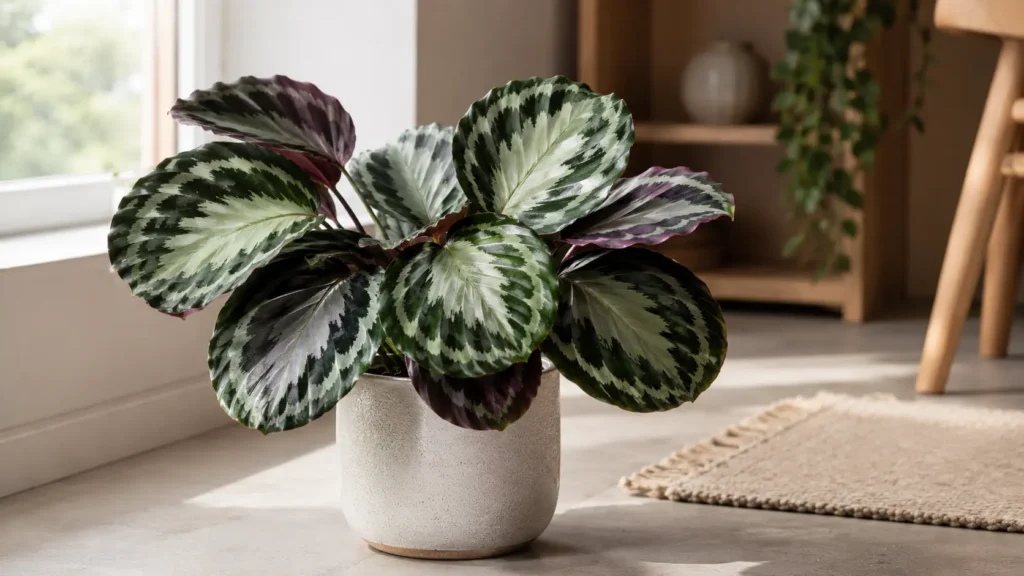
Calathea roseopicta medallion is a popular ornamental houseplant admired for its round, patterned foliage and striking color contrast. It belongs to the genus Goeppertia (formerly Calathea) and is part of the Marantaceae family, commonly known as prayer plants. This plant is widely grown indoors for its decorative leaves that feature dark green edges, silver-green centers, and purple undersides.
The calathea roseopicta medallion stands out because of its bold, medallion-like leaf pattern and its natural leaf movement in response to light. It is primarily grown as an indoor foliage plant due to its need for controlled humidity and indirect lighting conditions.
Quick Summary
- Tropical foliage plant (Goeppertia roseopicta) known as Medallion Calathea
- Requires high humidity, indirect light, and consistent watering
- Typically grows 12–24 inches tall indoors
- Moderately difficult to care for due to sensitivity to environment
What Is Calathea Roseopicta Medallion?
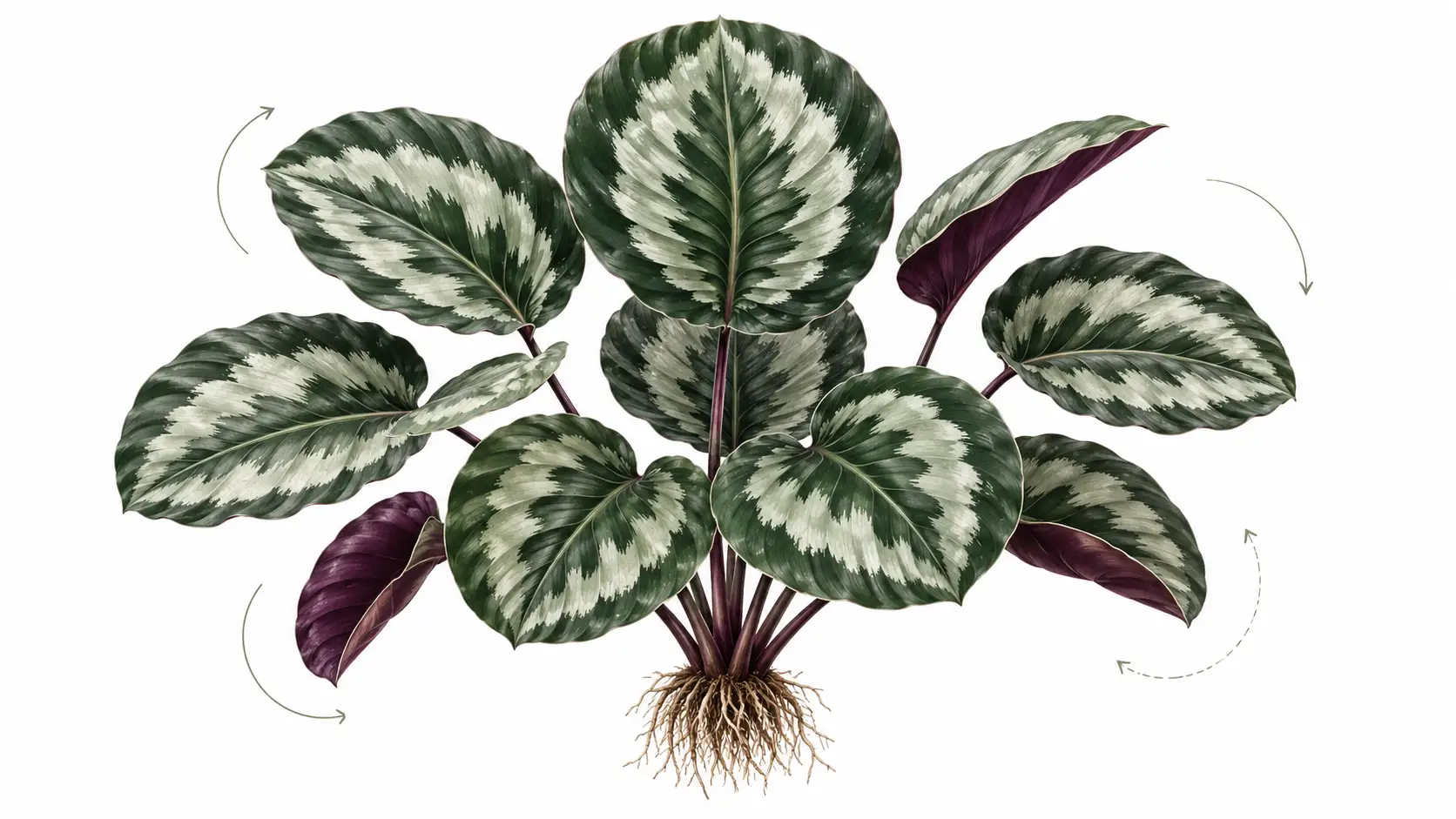
Calathea roseopicta medallion is a tropical evergreen houseplant known for its large, circular leaves with intricate patterns and vibrant undersides. It belongs to the Marantaceae family, which includes other prayer plants known for their daily leaf movement.
Native to the rainforests of South America, this plant grows naturally under dense canopy cover where it receives filtered light, warm temperatures, and high humidity. The term “roseopicta” refers to the painted appearance of the foliage, while “medallion” describes the round, decorative leaf pattern. If you are exploring more indoor foliage plants, you can also check our guide on Dracaena fragrans Care Guide: Complete Indoor Growing Tips for similar tropical houseplant care insights.
Related species include Calathea ornata, Calathea lancifolia, and Calathea black rose, all of which share similar care requirements and ornamental value. The plant belongs to a broader group of decorative indoor plants covered in Plants Benefits and Guides (Complete Care, Types & Growing Tips).
Calathea Medallion vs Roseopicta — Are They the Same Plant?
Yes, calathea medallion and calathea roseopicta medallion are the same plant. The difference is only in naming.
- Calathea roseopicta is the species name
- “Medallion” is the cultivar/common trade name
So, “medallion” is not a separate species but a popular variety of Calathea roseopicta used in the houseplant trade. This naming confusion is common across many houseplants, similar to Sansevieria Laurentii Care Guide: Complete Indoor Tips where cultivar naming also varies in trade markets.
Calathea Roseopicta Medallion Size and Growth Habits
Calathea roseopicta medallion is a compact indoor plant that typically grows 12–24 inches (30–60 cm) tall and 12–18 inches wide. Its clumping growth habit produces leaves from the base, creating a full and bushy appearance over time. Growth behavior is similar to other indoor foliage plants like Monstera Adansonii Hanging or Climbing, which also adapts its growth based on environment.
Growth depends heavily on environmental stability, especially humidity and light conditions. In optimal care, the plant maintains steady foliage production and vibrant leaf coloration.
- Indoor height: 12–24 inches
- Spread: 12–18 inches
- Growth habit: Clumping, non-vining
- Best suited for pots and indoor containers
Growth Rate — Is Calathea Medallion Slow or Fast Growing?
Calathea medallion is a slow-to-moderate growing plant, especially compared to common tropical houseplants.
- Active growth: Spring and summer
- Slowed growth: Autumn and winter
- Faster growth: High humidity + stable warmth
- Slower growth: Low light or dry air
Overall, it requires patience and consistent care to show steady development.
Calathea Roseopicta Medallion Care Guide
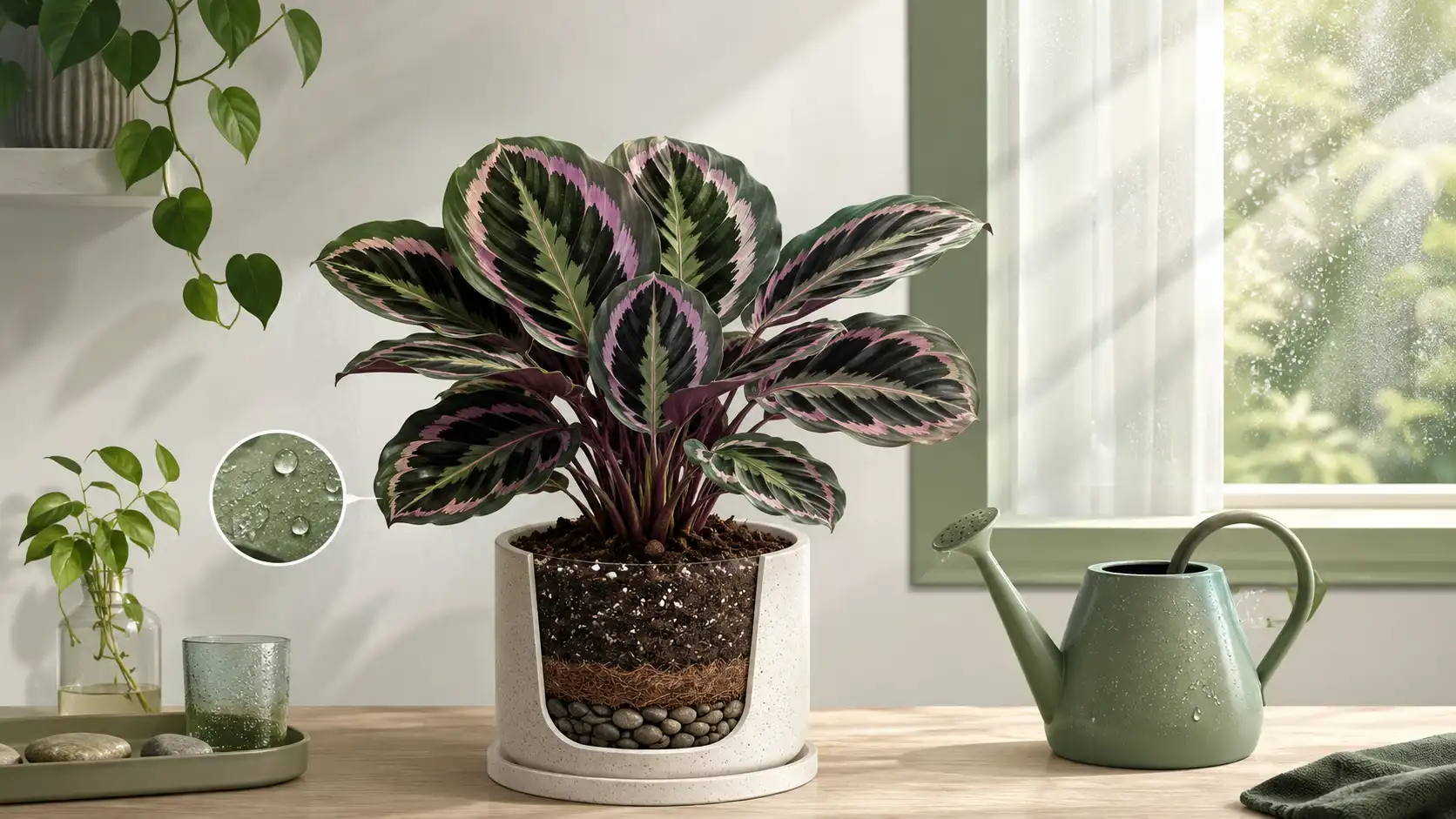
Calathea roseopicta medallion care focuses on stability in light, moisture, and humidity. It is sensitive to environmental changes and responds quickly to stress.
Key care needs:
- Bright, indirect light
- High humidity (60%+)
- Evenly moist, well-draining soil
- Warm and stable temperatures
Light Requirements
Calathea medallion thrives in bright indirect light and should be protected from direct sun.
- Too much light: scorched or faded leaves
- Too little light: weak growth and dull patterns
- Ideal placement: near filtered east or north-facing windows
Watering Needs
Proper calathea watering is essential for preventing stress and leaf damage.
- Water when top 1–2 inches of soil is dry
- Use filtered or distilled water to avoid mineral buildup
- Keep soil moist but not soggy
- Reduce watering during winter months
Overwatering problems are common in many indoor plants, including Peperomia Leaves Falling Off: Causes, Fixes, and Prevention.
Soil Preferences
Calathea medallion soil must support drainage while retaining slight moisture.
- Best mix: peat-based soil + perlite
- Needs good aeration for root health
- Avoid compact or heavy soils
Humidity, Temperature, and Fertilization
This plant requires tropical-like conditions to thrive.
- Humidity: 60–80% ideal
- Temperature: 18–26°C preferred
- Avoid cold drafts and sudden temperature shifts
- Fertilize monthly during growing season with diluted feed
Humidity and watering sensitivity are also seen in Chamaedorea Elegans Dry Leaves Causes & Fix, another popular indoor plant requiring stable moisture conditions. Low-humidity stress is also discussed in Syngonium Leaves Turning Yellow: Causes and Solutions, where similar tropical plant issues occur.
Is Calathea Medallion Hard to Care For?
Calathea medallion is considered moderately difficult to care for because it reacts strongly to environmental changes. It is not a beginner-level plant for low-maintenance setups.
Main challenges:
- Sensitive to dry air and low humidity
- Reacts to poor water quality
- Leaves curl or brown under stress
However, with consistent conditions, it becomes stable and manageable.
Common Calathea Medallion Problems and How to Fix Them
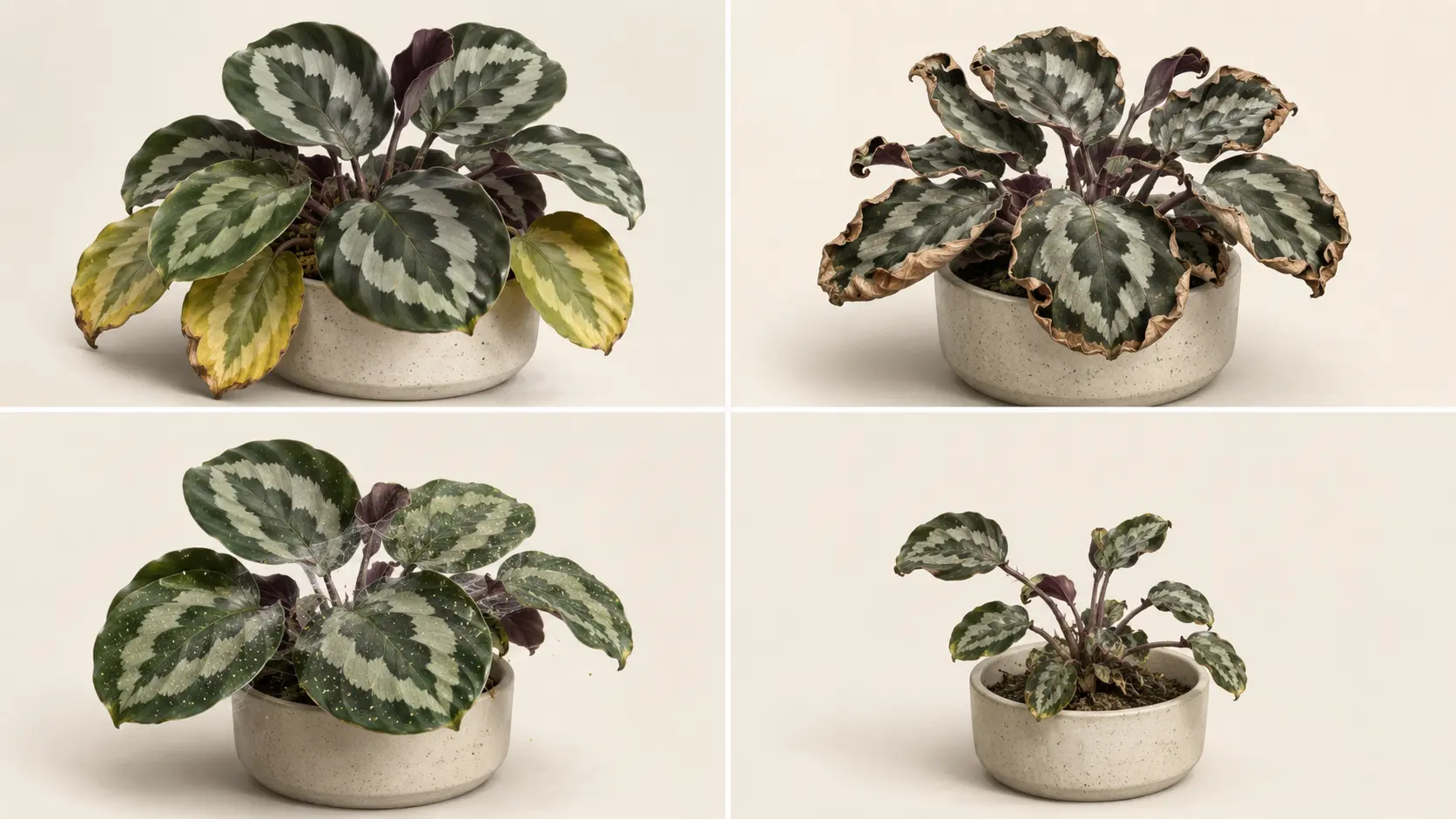
Calathea medallion issues are usually linked to watering, humidity, or light imbalance.
- Yellowing leaves: caused by overwatering or poor drainage → improve soil and reduce watering
- Crispy or curling edges: caused by dry air or underwatering → increase humidity and water consistency
- Pest issues (spider mites): caused by dry conditions → increase humidity and clean leaves regularly
- Slow growth: caused by low light or lack of nutrients → adjust placement and fertilization
Indoor pest issues like spider mites are also covered in Bugs in Indoor Plant Soil: Identification, Treatment & Prevention.
Calathea Roseopicta Medallion Propagation
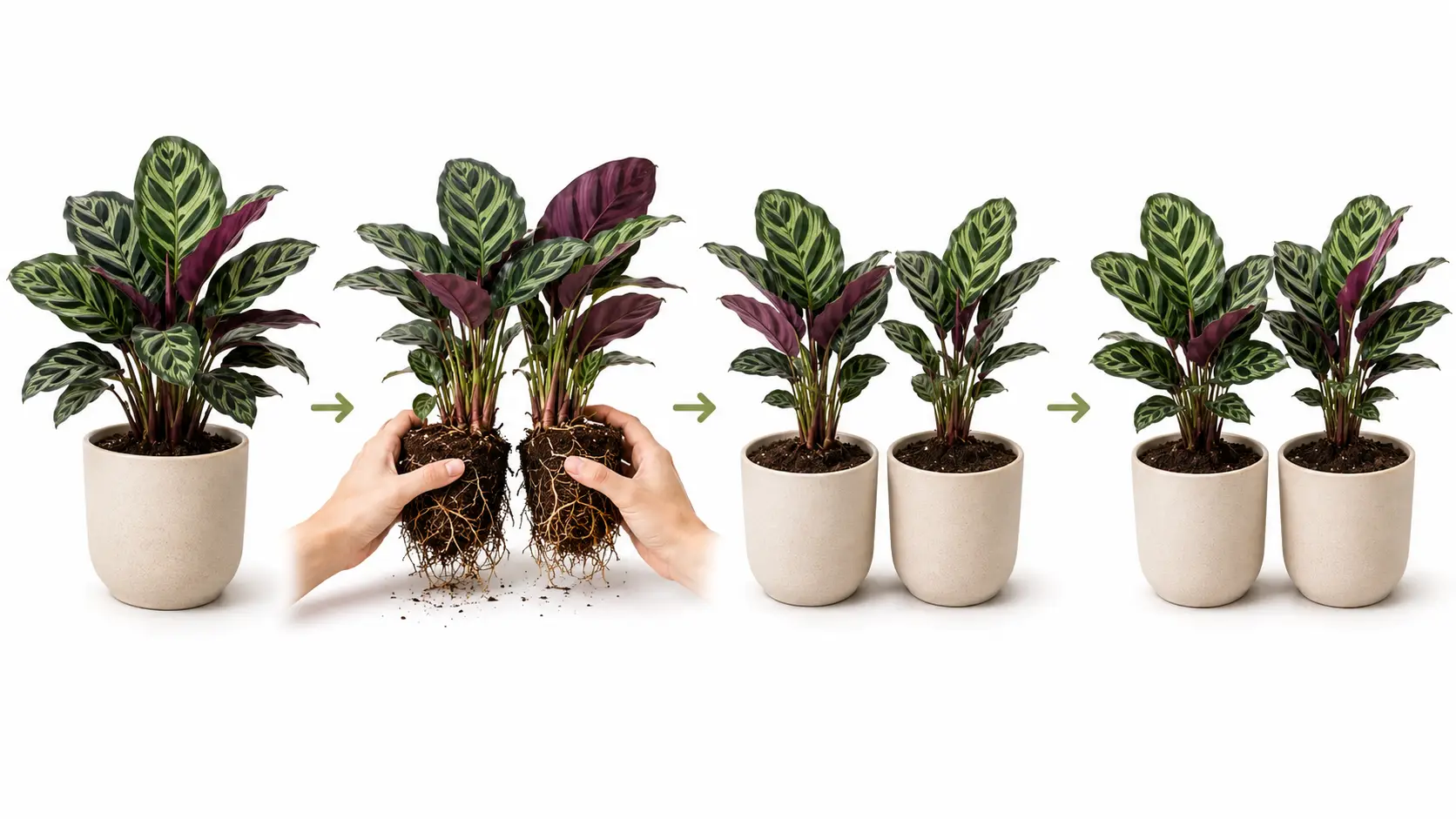
Calathea roseopicta medallion is propagated through division, as it does not grow from cuttings.
Steps:
- Remove plant from pot carefully
- Separate root clumps gently
- Ensure each division has roots and leaves
- Replant in fresh, moist soil
- Keep in warm, humid environment after propagation
Best time for propagation is spring when growth is active.
Benefits of Growing Calathea Medallion
Calathea medallion offers both aesthetic and environmental benefits indoors.
- Air-purifying potential as a foliage plant
- Decorative tropical appearance
- Pet-safe compared to many toxic houseplants
- Enhances indoor humidity and visual greenery
Is Calathea Medallion Rare?
Calathea medallion is not considered rare. It is widely available in nurseries and garden centers.
However, it is more specialized than common houseplants due to its care requirements. While not rare in availability, it is less commonly kept long-term because of its sensitivity.
Calathea Roseopicta Varieties Compared
Different Calathea roseopicta varieties vary mainly in leaf color and pattern.
| Variety | Leaf Pattern | Size | Light Needs | Care Difficulty |
| Medallion | Bold green with silver center | Medium | Indirect light | Moderate |
| Dottie | Dark purple-black with pink lines | Medium | Indirect light | Moderate |
| Rosy | Pinkish tones with green edges | Medium | Indirect light | Moderate |
| Crimson | Deep red-purple underside | Medium | Indirect light | Moderate |
Overall, calathea roseopicta varieties share similar care needs, with only slight visual differences.
What Makes Calathea Medallion Different From Other Houseplants
Calathea medallion differs from many common houseplants due to its sensitivity and environmental demands.
- Requires higher humidity than typical indoor plants
- Reacts quickly to water quality changes
- Shows visible stress through leaf curling
- Needs stable conditions without frequent changes
Beginners often struggle due to inconsistent watering or dry indoor air, especially in low-humidity climates.
Conclusion
Calathea roseopicta medallion is a visually striking tropical houseplant known for its patterned foliage and compact growth habit. While it is not the easiest plant to care for, it becomes manageable with consistent humidity, indirect light, and proper watering routines.
Its success depends mainly on environmental stability rather than complex care techniques. With the right conditions, the calathea roseopicta medallion rewards growers with lush, decorative leaves and long-term indoor beauty. This plant is part of a wider category of ornamental indoor plants, similar to those featured in Australian Native Garden Plants: Types, Care Tips & Design Ideas for broader landscaping inspiration.
FAQs
How hard is it to care for a Calathea medallion?
It is moderately difficult due to its sensitivity to humidity, water quality, and light conditions.
Why are Calatheas so difficult to keep alive?
They require stable humidity, filtered water, and consistent care, making them less forgiving than typical houseplants.
Is Calathea medallion rare or hard to find?
No, it is widely available in nurseries but requires more care than common indoor plants.
Are calathea roseopicta varieties easy to care for overall?
They are moderately difficult and need similar care across all varieties, especially humidity control.
What's the difference between calathea roseopicta rosy and crimson?
Rosy has lighter pink tones, while Crimson has deeper red-purple foliage coloration.
How do you propagate a calathea roseopicta medallion at home?
Propagation is done through division of the root clumps during repotting in spring.



One Response